 Hong Ma
What You'll Find in This Guide
I almost missed it. Walking past the main entrance of Qiachuan Scenic Area, where tour buses unload crowds snapping photos of the Yellow River wetlands, I followed a narrow alley that smelled of frying garlic and chili oil. The plastic stools were cracked, the tables sticky, but the old man behind the counter handed me a bowl of noodles that steamed in the crisp morning air. That’s when I knew—the real Qiachuan food scene isn’t on the map. It’s in these unmarked corners where locals slurp breakfast before work. If you’re tired of overpriced, sanitized tourist meals, this guide is for you. I’ve spent weeks here, eating my way through street stalls and family shops, and I’m sharing exactly where to go, what to order, and how to navigate it all without a phrasebook.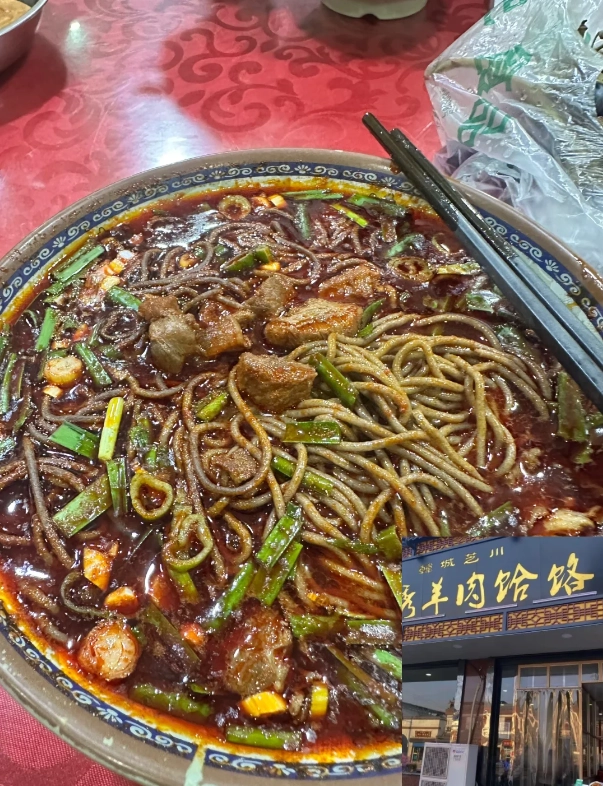
The Unmissable Dishes of Qiachuan
Forget the generic “Chinese food” labels. Qiachuan’s cuisine is a mix of Shaanxi heartiness and river-side freshness, with dishes that punch you in the taste buds. Here are the top three you can’t leave without trying.
Roujiamo (Chinese Meat Burger): The Street King
Don’t call it a sandwich. A proper Roujiamo here is slow-braised pork, chopped with cilantro, stuffed into a flatbread that’s been baked until crispy on the outside, soft inside. The meat is juicy, slightly salty, with a hint of five-spice that lingers. I found the best one at Auntie Li’s Stall near the old ferry dock—no sign, just a blue tarp and a line of construction workers. She charges 10 RMB (about $1.4 USD) per piece, and it’s worth every cent. Watch her hands move: she dips the bread in broth before filling it, a trick that keeps it from getting soggy.
Biang Biang Noodles: The Wide, Chewy Delight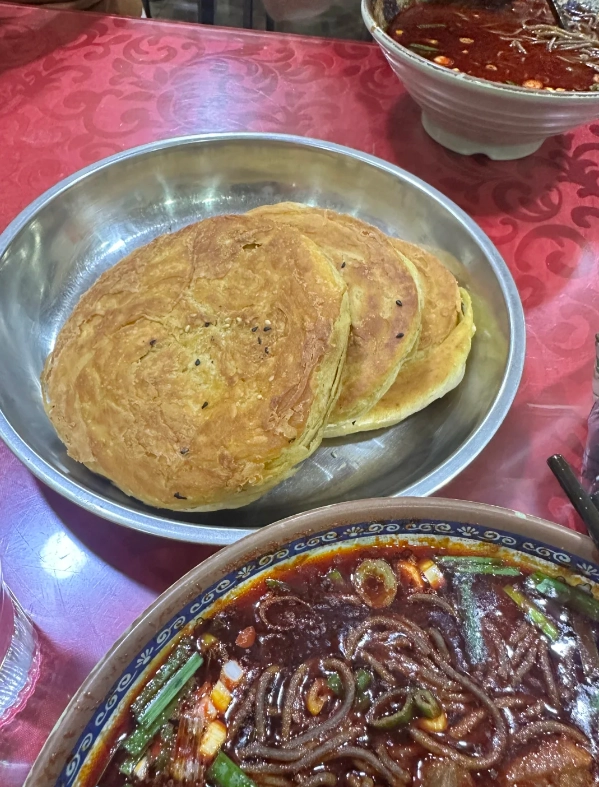
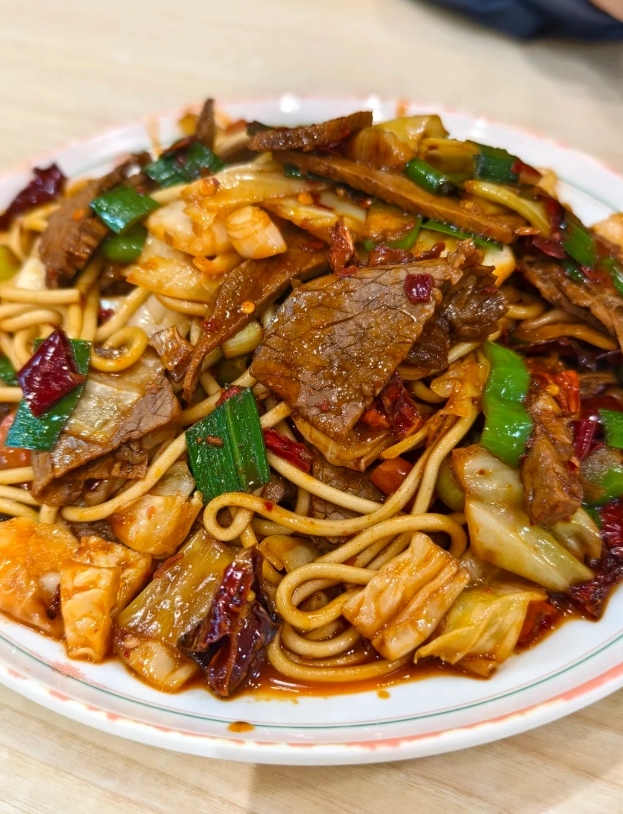
These noodles are as wide as belt, hand-pulled to order. The texture is chewy, almost elastic, and they’re served in a pool of chili oil, vinegar, and minced garlic. It’s spicy, tangy, and numbing from Sichuan peppercorns. At Lao Wang Noodle Shop on Qiachuan Old Street, the chef slaps the dough on the counter—the sound echoes through the tiny room. A bowl costs 15-20 RMB ($2-3 USD), and they’re open from 7 AM to 9 PM. Go early; by noon, the place is packed with locals, and you might wait 20 minutes for a seat. The plastic tables are wiped clean, but don’t expect napkins—bring your own.
Liangpi (Cold Skin Noodles): The Refreshing Snack
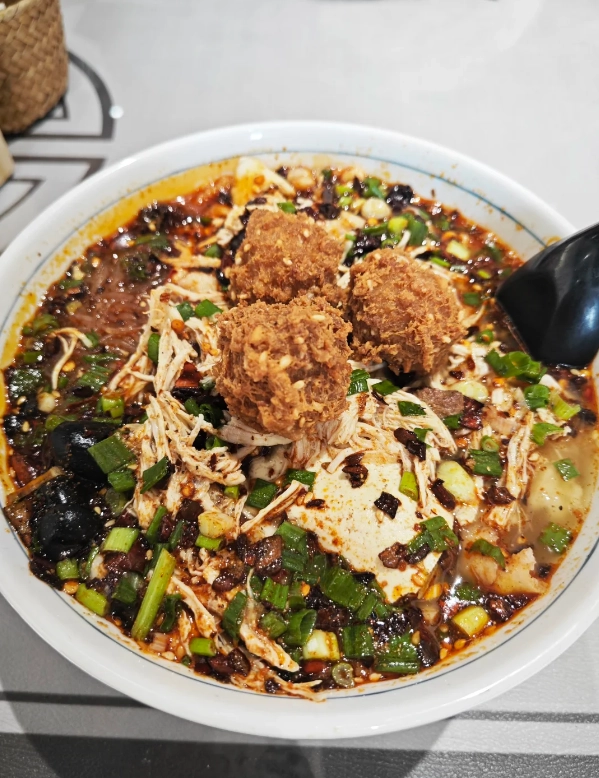
Perfect for a hot day. Liangpi are gelatinous noodles made from wheat or rice starch, served cold with cucumber slices, bean sprouts, and a sauce of vinegar, chili, and sesame paste. It’s refreshing, slightly sour, with a mild kick. I stumbled upon a vendor by the riverside park who makes it fresh daily. For 8 RMB ($1.1 USD), you get a plastic bowl to eat on a bench overlooking the water. The hygiene is basic—gloves aren’t always used—but I’ve never had issues. Just avoid if you have a sensitive stomach.
Where to Eat: From Hidden Alleys to Riverside Stalls
Here’s a breakdown of my top spots, based on multiple visits. These aren’t fancy; they’re where the food tastes like home.
| Place Name | Address (Approximate) | Specialty Dish | Taste Profile | Price (USD approx.) | Hours & Wait Time |
|---|---|---|---|---|---|
| Auntie Li’s Roujiamo Stall | Near Ferry Dock, Qiachuan Old Area | Roujiamo | Savory, juicy, crispy bread | $1.4 per piece | 6 AM-2 PM; 5-10 min wait |
| Lao Wang Noodle Shop | No. 45, Qiachuan Old Street | Biang Biang Noodles | Spicy, tangy, chewy noodles | $2-3 per bowl | 7 AM-9 PM; 15-20 min peak |
| Riverfront Liangpi Vendor | Riverside Park, east side | Liangpi | Cool, sour, mild spicy | $1.1 per bowl | 10 AM-6 PM; no wait usually |
| Zhang Family Hot Pot | Alley off Main Scenic Road | Local Fish Hot Pot | Umami-rich, slightly numbing | $8-12 per person | 11 AM-10 PM; reserve evening |
Zhang Family Hot Pot deserves a mention. It’s a hole-in-the-wall with mismatched chairs, but their fish hot pot uses fresh catch from the Yellow River. The broth is milky white, infused with ginger and green onions, and you dip thin slices of fish into a sesame sauce. It’s not overly spicy—great for beginners. I went with a local friend who insisted on ordering the “extra intestines,” which were chewy and flavorful, but I’d skip them if you’re squeamish. Cash only, and they might overcharge tourists, so ask for the menu with prices (usually in Chinese).
Avoid the “Qiachuan Food Street” near the entrance. It’s all inflated prices and bland versions for tourists. I tried a Roujiamo there for 25 RMB—it was dry and cold. Not worth it.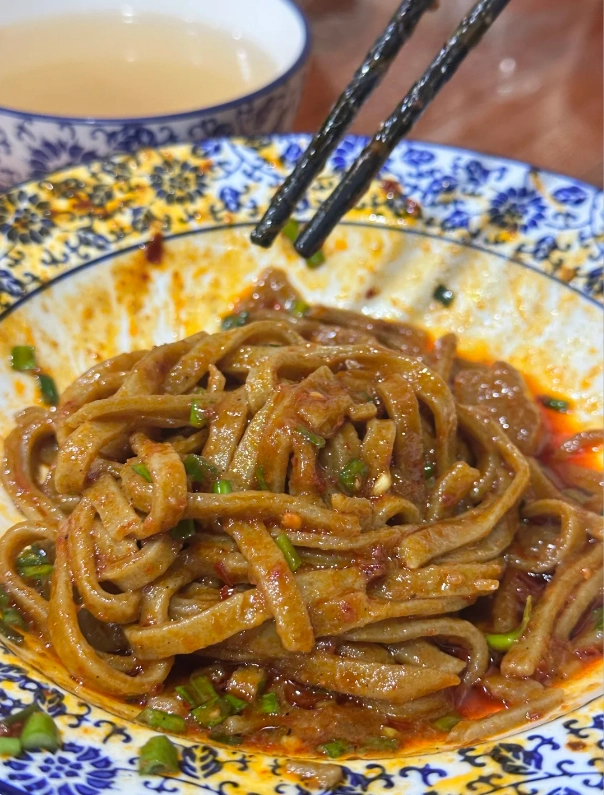
How to Order and Eat Like a Local
This isn’t just about what to eat; it’s about how to eat it without sticking out. Here are hard-earned tips from my mistakes.
Ordering Tips: Speak with Your Fingers
Most small stalls don’t have English menus. Don’t panic. Point at what others are eating—it’s a universal language. If you see someone enjoying a bowl of noodles, walk over and gesture. I’ve done this countless times, and vendors usually smile and nod. For spice levels, use hand signals: one finger for mild, two for medium, three for spicy. But be warned: “medium” here can still bring tears. At Lao Wang’s, I said “少辣” (shao la, less spicy) and got a manageable bowl; my friend who didn’t specify was sweating bullets.
Payment and Etiquette: Cash is King
Carry small bills (10, 20 RMB notes). Mobile payment like Alipay or WeChat Pay works in bigger shops, but street vendors prefer cash. I’ve seen tourists struggle with QR codes when the network is slow. For hygiene, many places provide disposable chopsticks or spoons—if not, it’s okay to ask. Don’t be shy about slurping noodles; it’s a sign of enjoyment. And if you’re sharing a table with locals, a simple nod is enough; they might even offer you a taste.
One afternoon, I sat next to an elderly man at Auntie Li’s stall. He showed me how to dip the Roujiamo in a side of chili sauce—a game-changer. We didn’t share a language, but food bridged the gap. That’s the magic of Qiachuan’s food scene.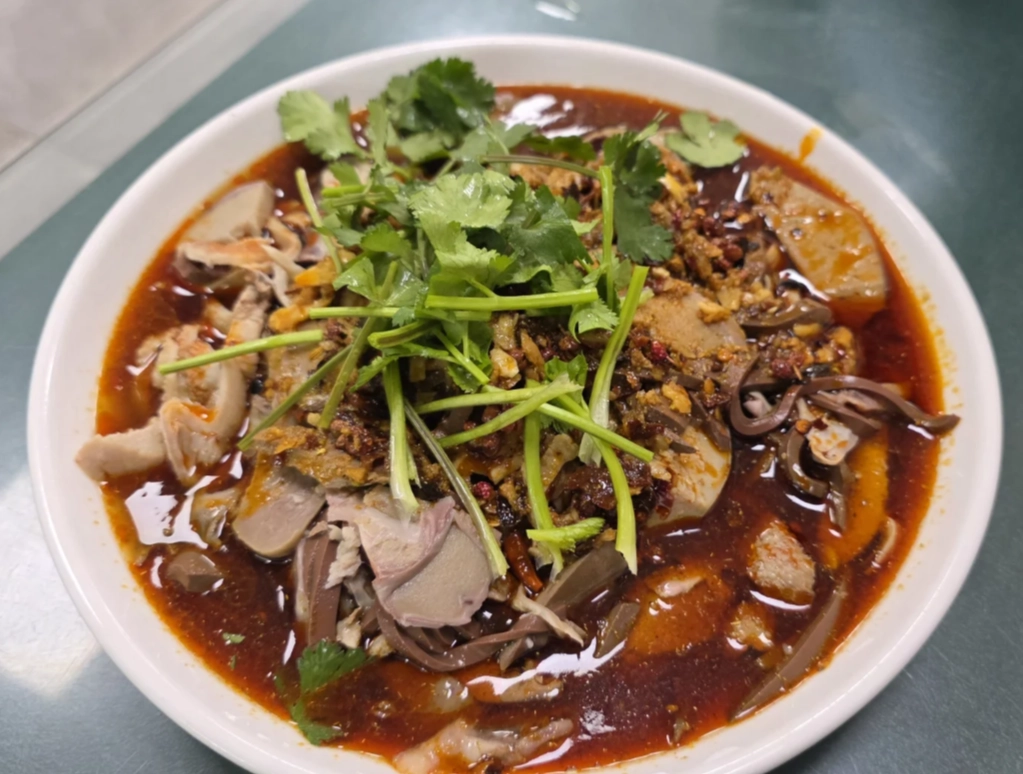
FAQ: Your Food Concerns Answered
 This article has been fact-checked for accuracy based on personal visits and local consultations. Information reflects typical experiences in Qiachuan Scenic Area; always verify details like hours as they can change seasonally. For more on the region’s cultural heritage, check UNESCO’s page on the Yellow River basin, or browse TripAdvisor reviews for recent traveler insights—but remember, the best meals often aren’t reviewed online.





We tried the 'secret family recipe' dumplings mentioned in the guide. They were solid—good filling, nice wrapper—but nothing extraordinary for the price. The service was a bit slow since it was just one guy handling everything. Still, a decent lunch option if you're in the area.
I'm usually not a foodie, but the guide's recommendation for the spicy tofu pudding changed my mind. Creamy, silky, and the kick of Sichuan pepper was just right. The elderly lady making it was so welcoming too. A perfect snack after hiking the scenic loop.
Honestly, I was a bit let down by the so-called 'famous' stuffed pancake stand. The filling was dry and the pancake itself felt reheated. Maybe I hit them on an off day? The guide made it sound amazing, but my experience was just okay. The grilled corn next door was far better.
The guide led me to a hidden noodle shop tucked behind the main square. The hand-pulled noodles were bouncy and the broth was rich, but the place was so small and crowded I ended up sharing a table with strangers. Still worth it though—would go back tomorrow.
Came here after reading the guide and was blown away by the lamb skewers at the little stall near the north gate. The meat was perfectly charred and juicy, and the vendor even gave us extra chili flakes when I asked. Definitely a must-try spot that the guide highlighted right!
Honestly expected more from this food guide. Most of the ‘hidden gems’ were just stalls you’d find at any tourist attraction — same mass-produced souvenirs and sugary drinks. The only thing that stood out was a granny selling homemade pickled radish near the east gate, but she wasn’t even listed in the guide. Felt like a waste of time following it.
Came for the food, stayed for the atmosphere. The guide pointed out a rooftop spot where you can eat hand-pulled noodles while watching the sunset over the cliffs. Unforgettable. Only downside: the hygiene rating at the popular baozi stall could be better — I saw the cook use the same towel to wipe tables and hands. Gross.
Decent enough guide but misses a few practical details. The map led me to a ‘local market’ that turned out to be mostly tourist trinkets. However, the fried dough stick with sesame they mentioned was a winner — warm, crispy, and only 3 yuan. Would have appreciated more allergy-friendly suggestions.
Loved the hidden gem recommendations! Found a tiny family-run noodle shop tucked behind the temple — the broth was rich and handmade noodles had perfect chew. The guide’s tip about going early for the fresh tofu pudding was spot on. Only wish there were more dessert options listed.
Was a bit hyped by the guide, but honestly the street food stalls near the entrance felt overpriced for what you get. The 'famous' lamb skewers were dry and chewy. Maybe I hit a bad day? Still, the scenic views from the little hilltop cafe were nice, saved the visit for me.
Honestly, I was disappointed. The 'hidden gems' felt overhyped—one stall sold stale buns and another had a long line that moved so slow. I get it's a popular spot, but the food didn't match the wait. The scenic views from the dining area were nice, but I came for the eats, not the scenery. Wouldn't rely on this guide again.
Good guide overall, but I wish it had more vegetarian options. The few veggie dishes I tried were okay—the eggplant was a bit oily and the dumplings were just average. The scenic area part was helpful for avoiding crowds though. Price-wise, everything was reasonable. If you're a hardcore meat eater you'll love it, plant-based folks might feel left out.
This guide saved my trip! I’m a picky eater but the descriptions were spot-on. The cold-skin noodles at the little cart near the waterfall? Absolute perfection. The vendor even remembered my order the next day. Every recommendation I tried was delicious and affordable. 5 stars for authenticity and making me feel like a local.
I was excited to find hidden gems, but half the spots listed were closed when I went (maybe off-season?). The one place I did manage to try—a noodle shack near the east gate—was decent but nothing mind-blowing. Service was friendly though. Feels like the guide needs updates on operating hours. Still, a solid starting point for foodies.
Finally found a guide that actually points you to the mom-and-pop stalls rather than just the tourist traps. Tried the lamb skewers at a place tucked behind the temple—juicy, smoky, and dirt cheap. My only gripe is the map could be clearer, but the food recs are spot-on. Highly recommend if you want to eat like a local.