 Yan Zhou
Hey there, I've been guiding tours around China for over a decade, and let me tell you, Confucius Temple in Nanjing—locals call it Fuzimiao—is one of those spots where everyone goes wrong. They show up at noon, fight the crowds, pay too much for souvenirs, and leave wondering what the fuss was about. Not you. After reading this, you'll know exactly how to skip the nonsense and have a brilliant visit. I'll give you the nitty-gritty: ticket hacks, the quiet corners most tourists miss, where to eat like a king without breaking the bank, and how to fit it all into a tight schedule. Let's dive in.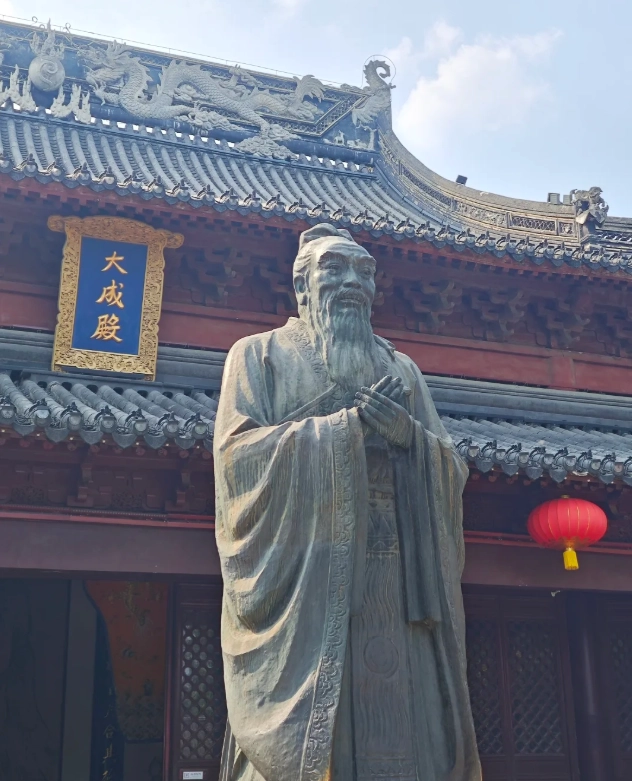
Your Quick Navigation
- Why Visit Confucius Temple? (Beyond the Obvious)
- How to Get to Confucius Temple: Stress-Free Routes
- Confucius Temple Tickets, Hours, and Must-Know Details
- The Best Time to Visit for Photos and Peace
- What to See Inside: A Self-Guided Tour That Actually Makes Sense
- Eating Like a Local: Food Near Confucius Temple That's Worth It
- If You Only Have 24 Hours in Nanjing: A Perfect Day with Confucius Temple
- Frequently Asked Questions (Answered by a Grumpy Old Guide)
Why Visit Confucius Temple? (Beyond the Obvious)
Sure, it's a historical site dedicated to Confucius, but here's what most guides don't say: this place is the heartbeat of old Nanjing. It's not just a temple; it's a lively district along the Qinhuai River where you can feel centuries of culture mashed up with modern street food stalls. I bring my groups here because in one afternoon, you get architecture from the Ming Dynasty, traditional Chinese gardens, and a buzzing market scene. But the magic happens when you wander off the main path. Last spring, I took a family from Chicago to the back alleys behind the temple, where we found a tiny calligraphy shop run by a master who's been there for 40 years—no English signs, just pure charm. That's the stuff you remember.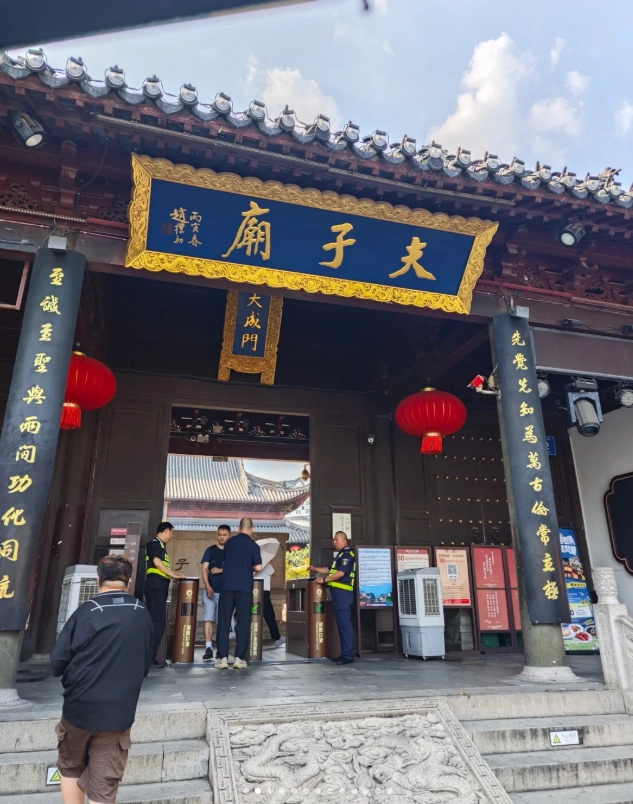
Pro tip: Don't treat it as a quick photo stop. Budget at least 2-3 hours to soak it in, especially if you want to explore the surrounding Qinhuai River area. The temple itself is compact, but the whole Fuzimiao district is where the real action is.
How to Get to Confucius Temple: Stress-Free Routes
Nanjing's metro is your best friend. I've seen too many tourists waste money on taxis stuck in traffic. Here's the breakdown:
By Metro (The Smart Way)
Take Metro Line 1 to Sanshanjie Station. Get off at Exit 4—when you come up, you'll smell roasted chestnuts from a street vendor, that's your cue you're close. Walk straight for about 10 minutes (follow the crowd, honestly) until you see the ornate paifang (gateway) marking the entrance. Total cost: ¥4-6 depending on where you start.
By Bus
If you're coming from areas like Xinjiekou, bus routes 1, 4, or 7 stop at "Fuzimiao" station. It's cheap (¥2), but can be slow during rush hours (7-9 AM and 5-7 PM). I only recommend this if you're nearby and not in a hurry.
By Taxi or Ride-Hailing
Use Didi (the Chinese Uber) and set the destination to "Confucius Temple (Fuzimiao), Qinhuai District." From downtown, it's a 15-minute ride costing around ¥20-30. Avoid hailing taxis on the street—they might overcharge tourists. Once, a client paid ¥50 for what should've been a ¥25 trip. Lesson learned: use the app.
Parking? Forget it. The parking lots near the temple are always full and expensive (¥20-30 per hour). If you're driving, park at a nearby mall like Deji Plaza and walk over.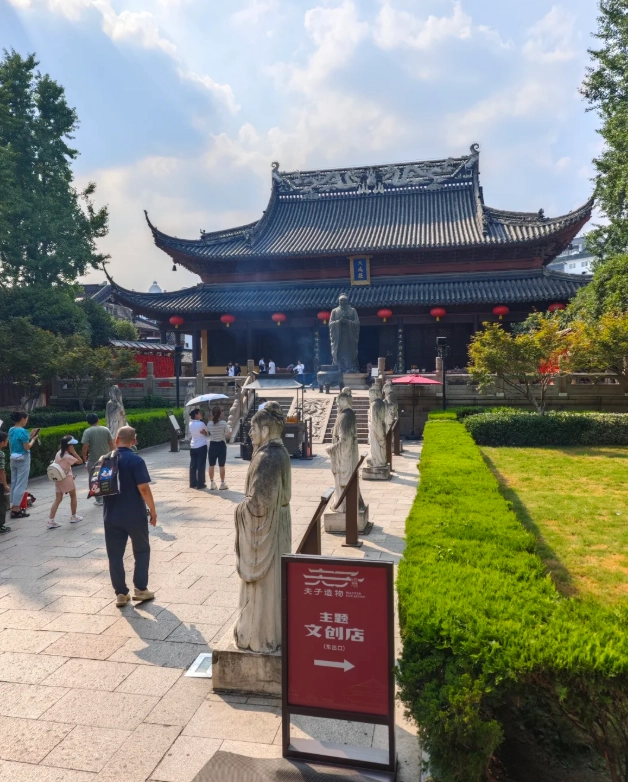
Confucius Temple Tickets, Hours, and Must-Know Details
This is where people mess up. The temple has an entrance fee, but the surrounding area is free. Here's the scoop:
| Item | Details | Notes |
|---|---|---|
| Address | No. 1, Gongyuan Street, Qinhuai District, Nanjing, Jiangsu | Look for the main gate with red lanterns. |
| Opening Hours | 8:30 AM - 5:30 PM (last entry at 5:00 PM) | Closed on Mondays for maintenance. In peak season (Apr-Oct), sometimes open until 6:00 PM. |
| Ticket Price (Adult) | ¥30 | Cash or mobile payment accepted at the counter. |
| Ticket Price (Child/Senior) | ¥15 (children 1.2-1.4m, seniors 60+ with ID) | Children under 1.2m free. Seniors need to show passport. |
| Advance Booking | Required on weekends/holidays via WeChat mini-program "Nanjing Tourism" | Book at least a day ahead. Weekdays, you can usually buy on-site. |
| Official Website | Check Nanjing Municipal Government for updates | No dedicated English site, but Google Translate works. |
I always tell my groups: buy tickets online if you can. The queue at the ticket office can snake around the block on a Saturday. And here's a secret—the ticket includes entry to the adjacent Jiangnan Examination Hall, which is worth a peek but often overlooked.
The Best Time to Visit for Photos and Peace
Most blogs say "go early," but let's be precise. The temple opens at 8:30 AM, but the tour buses start rolling in by 9:30. If you want those crowd-free shots of the Dacheng Hall, aim for 8:45 AM. The light is soft, and you'll have the place to yourself for about 30 minutes. Another golden window is 4:00 PM to 5:00 PM—the crowds thin out, and the afternoon sun casts a warm glow on the stone carvings. I took a couple from Australia at 4:30 PM last fall, and we got stunning photos without a soul in the background.
Avoid midday like the plague. Between 11 AM and 3 PM, it's a zoo. The heat builds up in the courtyards, and you'll spend more time dodging selfie sticks than appreciating the architecture. Also, rainy days are surprisingly good—the stone paths look slick and atmospheric, and fewer people brave the weather.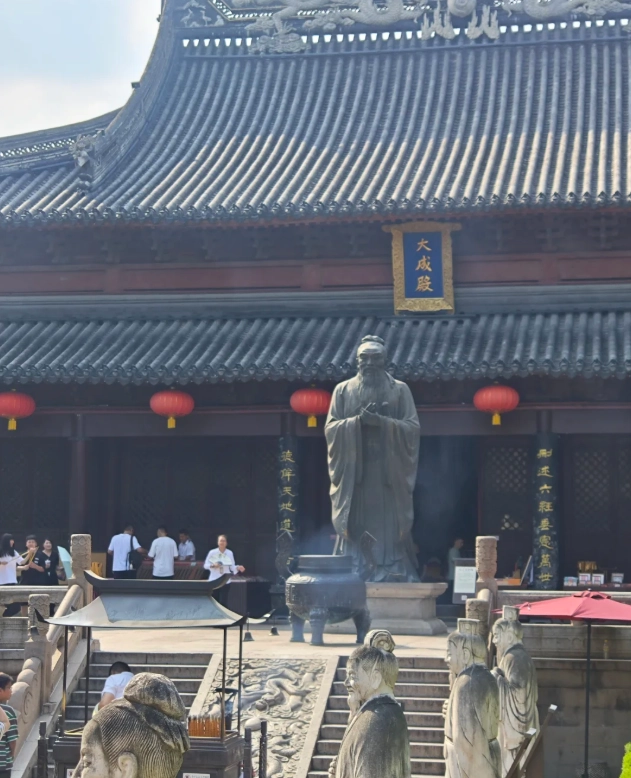
Photography tip: The main hall faces east, so mornings are best for front-lit shots. For the iconic river view from the back, late afternoon works. Bring a wide-angle lens—the spaces are tighter than they look.
What to See Inside: A Self-Guided Tour That Actually Makes Sense
Don't just wander aimlessly. Follow this route I've refined over hundreds of visits:
Start at the Main Gate (Paifang): Snap a quick photo, but don't linger—the inside is better.
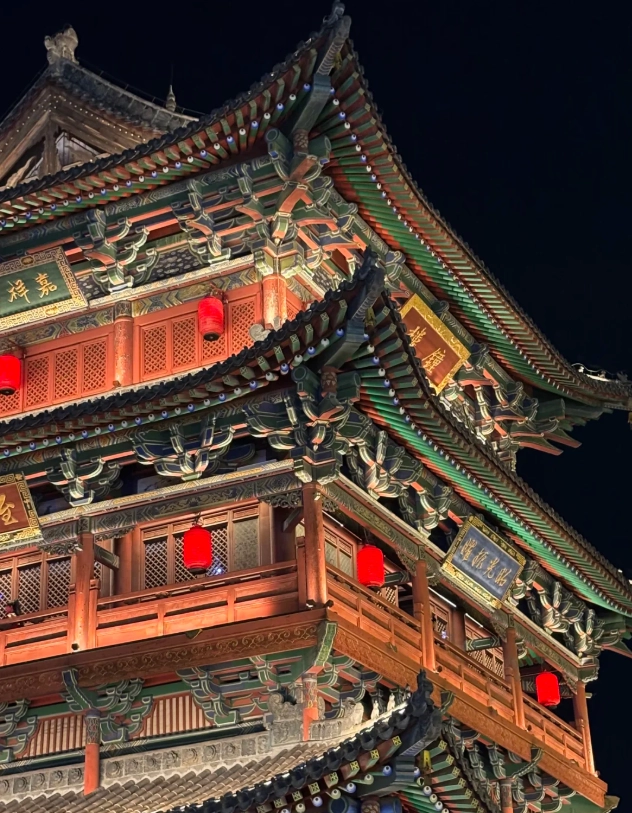
Dacheng Hall: This is the centerpiece. Inside, you'll find statues of Confucius and his disciples. Look up at the ceiling—the intricate wooden beams are original from the Ming Dynasty. I always point out the stone tablets on the sides; they list the names of scholars who passed the imperial exams. It's quieter here if you stick to the edges.
The Courtyards: There are three main courtyards. The second one has a giant bronze bell—for ¥5, you can ring it for good luck. It's cheesy, but kids love it.
Back Garden (Yuhua Pavilion): This is my favorite spot. Most tourists rush through, but sit on the bench near the koi pond. You'll hear the water trickle and forget the chaos outside. Once, I saw a local painter sketching here—he said he comes every Tuesday morning.
Jiangnan Examination Hall: Included with your ticket. It's a museum about China's old exam system. Honestly, it can be dry, but the replica exam cells are creepy-cool. Spend 20 minutes max.
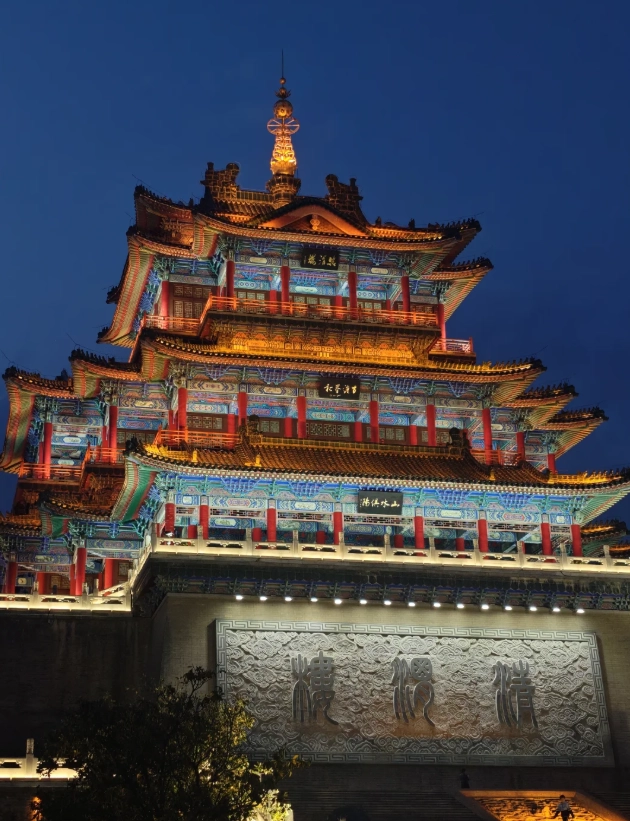
Exit to Qinhuai River: After the temple, walk out to the riverfront. The view of the painted boats is postcard-perfect, especially at dusk when the lanterns light up.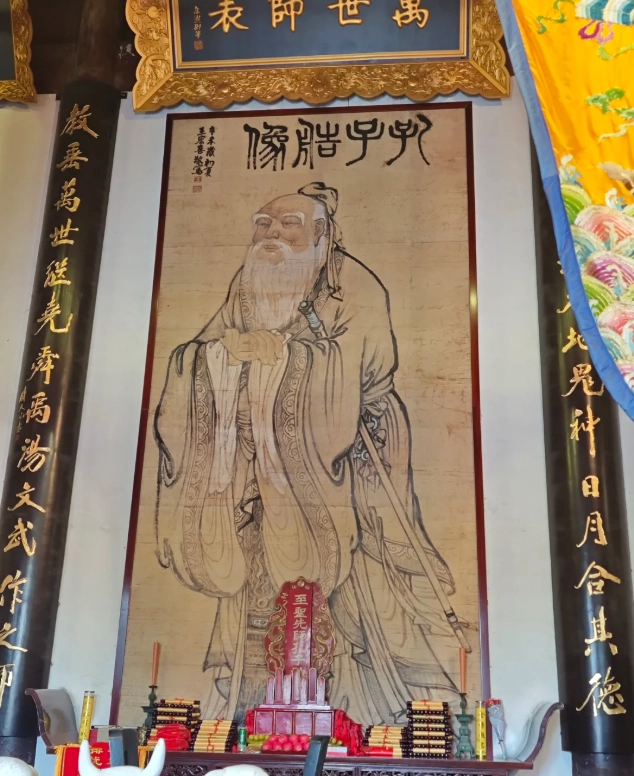
Eating Like a Local: Food Near Confucius Temple That's Worth It
The food street next to the temple is tempting but touristy. Here's where I take my groups for real flavor without the markup:
Jinling Restaurant (for Nanjing salted duck): Address: 2 Gongyuan Street, just a 5-minute walk from the temple. This place has been around forever. The duck is tender, not too salty, and costs about ¥60 for a half portion. I always get the duck soup noodles on the side. They have an English picture menu, and they accept international credit cards (rare in this area). Go before 6 PM to avoid the dinner rush.
Zhang's Dumplings (for xiaolongbao): A tiny hole-in-the-wall at 15 Qinhuai Alley. No English sign—look for the steamy windows. Six dumplings for ¥15, bursting with broth. The owner, Lao Zhang, doesn't speak English, but he'll smile and point. Cash only.
Sweet Rice Balls (tangyuan) at Grandma's Stall: On the riverwalk, near the stone bridge. She sets up around 3 PM. A bowl of sesame-filled tangyuan is ¥10. It's sweet, sticky, and perfect for a snack. She only uses WeChat Pay, so have your mobile ready.
Avoid the generic skewer stalls selling "scorpion on a stick"—it's a gimmick for tourists. And that bubble tea chain? You can get that anywhere.
If You Only Have 24 Hours in Nanjing: A Perfect Day with Confucius Temple
Let's say you land in Nanjing at 8 AM and leave the next day. Here's how I'd structure your day to maximize time:
9:00 AM - 10:30 AM: Start at Confucius Temple. Get there right as it opens (8:45 AM entry), explore the halls, and take photos. Skip the exam hall if you're pressed.
10:30 AM - 12:00 PM: Walk along the Qinhuai River towards the Zhonghua Gate. It's a 15-minute stroll. Pop into the free Qinhuai Lantern Museum if you're curious (open 9 AM-5 PM).
12:00 PM - 1:30 PM: Lunch at Jinling Restaurant (duck feast). Reserve a table via their WeChat if possible—tell them "导游老李推荐" (guide Lao Li recommended). They'll chuckle and give you a window seat.
1:30 PM - 3:30 PM: Taxi to Sun Yat-sen Mausoleum (¥35, 20 minutes). It's a contrast to the temple—huge and mountainous. Budget 2 hours there.
4:00 PM - 5:30 PM: Back to Fuzimiao district for shopping. Skip the souvenir shops on the main street; instead, hit the antique market on Pingjiang Road (10-minute walk). You might find old coins or calligraphy sets.
6:00 PM - 7:30 PM: Dinner at a local hotpot place like Haidilao near Xinjiekou (taxi ¥15). Yes, it's a chain, but the service is insane, and they have English-speaking staff.
8:00 PM: Return to Confucius Temple for the night lights. The lanterns reflect on the river—it's magical. Grab a tangyuan from Grandma's stall as a nightcap.
Rainy day alternative: Swap the mausoleum for the Nanjing Museum (free, requires ID). It's indoor and packed with history.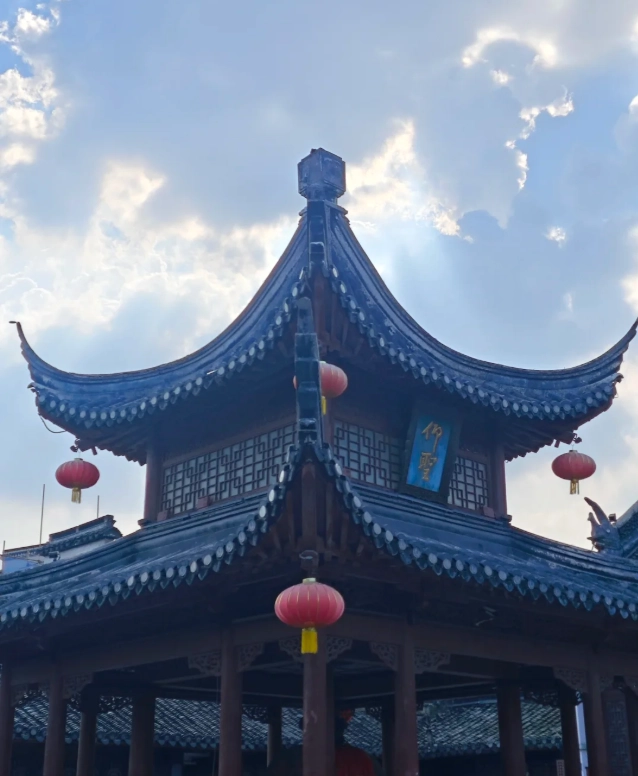
Frequently Asked Questions (Answered by a Grumpy Old Guide)
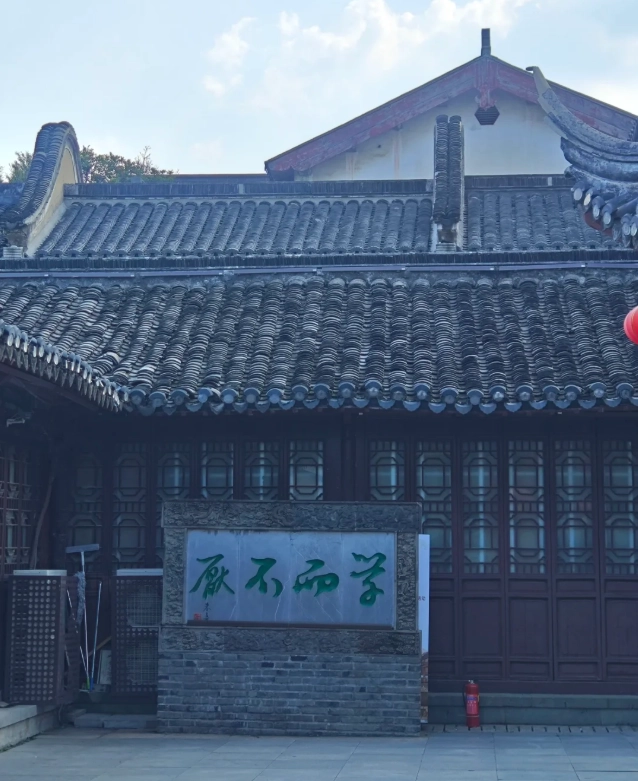 There you have it. Confucius Temple isn't just a checkbox; it's a layered experience. Use these tips, and you'll walk away feeling like a local. I've fact-checked every detail here through my own boots-on-the-ground visits. Now go enjoy—and if you see a guy in a cap herding a group around, that might be me. Say hi!





No comments yet.