 Qiang Huang
Quick Navigation: Jump to What You Need
I've lost count of how many times I've guided groups through Ming Xiaoling Mausoleum. Over a decade of showing foreign friends around Nanjing, I've seen every mistake visitors make—from arriving at noon when the sun is brutal to missing the subtle stories carved in stone. This isn't just another generic guide; it's the stuff I tell my clients over coffee before we head out. Let's get straight to the point: Ming Xiaoling is stunning, but without a plan, you'll waste hours in lines or walk past its best secrets.
Why Ming Xiaoling Mausoleum is Worth Your Time
If you're in Nanjing, skipping Ming Xiaoling is like going to Paris and ignoring the Eiffel Tower. It's the tomb of the Hongwu Emperor, Zhu Yuanzhang, founder of the Ming Dynasty. But here's what most blogs don't say: it's not just a pile of old stones. The place feels alive, especially when you understand the symbolism. The layout mirrors the emperor's belief in harmony between heaven and earth. I always start my tours by pointing out how the Sacred Way, that long path lined with stone animals, isn't just for show—it's a spiritual journey from the mortal world to the afterlife.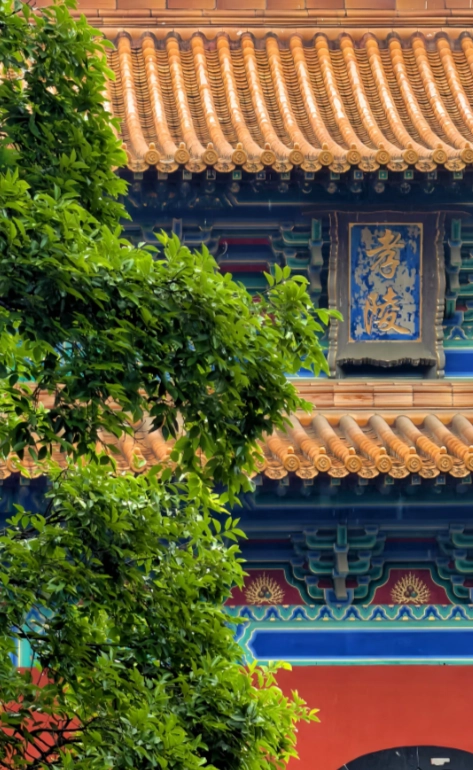
Pro tip from my experience: Most tourists rush through the Sacred Way to get to the tomb itself. Big mistake. Spend time here. The stone elephants and camels have details you can only see up close, like weathering patterns that tell stories of centuries. Once, a historian from London spent an hour just sketching them, saying it was more impressive than photos suggest.
A Brief History Lesson Without the Boring Parts
Built in the early 15th century, Ming Xiaoling set the standard for later imperial tombs, including the Ming Tombs in Beijing. But what fascinates me is how it survived. Unlike many sites, it wasn't heavily damaged during wars, thanks to its secluded location in Zhongshan Mountain. The restoration work in recent years has been subtle—they've kept the moss on some stones because it adds character. I've seen visitors touch the walls and feel the history; it's that tangible.
How to Get to Ming Xiaoling Mausoleum: Your Transportation Options
Let's cut the confusion. Ming Xiaoling is in the Xuanwu District of Nanjing, nestled in the Zhongshan Mountain Scenic Area. The full address is: Ming Xiaoling Mausoleum, Zhongshan Mountain Scenic Area, Xuanwu District, Nanjing, Jiangsu, China. But you don't need to memorize that—just plug "Ming Xiaoling Mausoleum" into your maps app.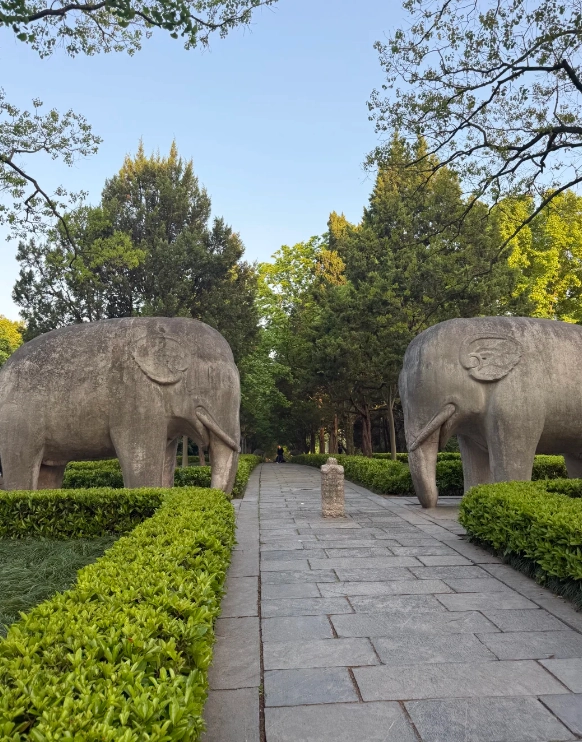
By Metro, Bus, or Taxi: The Nitty-Gritty
Metro: This is your best bet for avoiding traffic. Take Line 2 to Muxuyuan Station. Use Exit 1. From there, it's a 15-minute walk uphill. You'll see signs in English pointing the way. The walk is pleasant, with trees shading the path, but wear comfy shoes—I've seen too many people in flip-flops regretting it.
Bus: If you're on a budget, bus routes 20 or 315 stop near the entrance. Get off at "Ming Xiaoling" stop. The ride takes about 30 minutes from downtown, but during rush hour (7-9 AM, 5-7 PM), it can double. I rarely recommend buses for first-timers because the stops aren't always clear.
Taxi or Ride-hailing: From Xinjiekou, the city center, a taxi costs around 25-30 RMB and takes 20 minutes without traffic. Use DiDi or Meituan apps—they have English interfaces. Tell the driver "Ming Xiaoling" (pronounced "Ming Shao-ling"), and they'll know. One quirk: some drivers might drop you at a side gate to save time, but insist on the main entrance on Linggu Road unless you want a longer hike.
Tickets, Opening Hours, and Essential Info
Here's where I see visitors mess up. Ming Xiaoling isn't a walk-in affair anymore. Since 2023, they've tightened capacity, especially on weekends.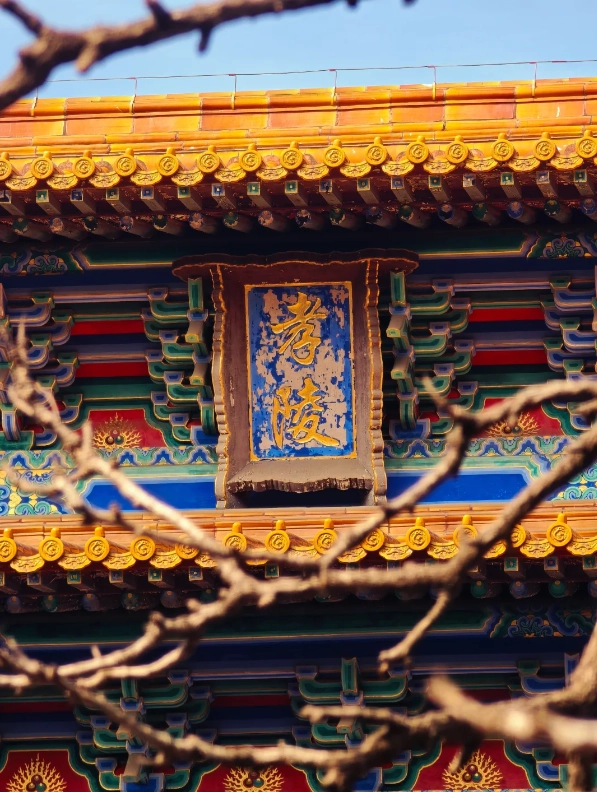
| Item | Details |
|---|---|
| Ticket Price (Adult) | 70 RMB |
| Ticket Price (Child, 1.2m-1.4m) | 35 RMB |
| Ticket Price (Senior, 60+ with ID) | Free on weekdays, 35 RMB on weekends |
| Opening Hours | 8:00 AM - 5:30 PM (last entry at 5:00 PM). No seasonal changes, but closes early on major holidays like Chinese New Year's Eve. |
| Booking Required? | Yes, especially for weekends and holidays. You can book via the official WeChat mini-program "Nanjing Zhongshan Scenic Area" or on-site, but slots fill fast. |
| Address for Navigation | Zhongshan Mountain Scenic Area, Linggu Road, Xuanwu District, Nanjing |
Booking through the WeChat mini-program is straightforward—scan the QR code at the entrance if you haven't. They accept international credit cards now, but Alipay or WeChat Pay is smoother. I always advise clients to book a day ahead. Once, a family from Canada showed up on a Saturday without a booking and had to wait two hours for a cancelation.
Booking in Advance – A Must?
Absolutely. The system isn't just for crowd control; it ensures you get a time slot. Morning slots (8-10 AM) are less crowded. If you're tech-challenged, the ticket office has English-speaking staff, but they're busy. A workaround: book through travel sites like Trip.com, which often bundle tickets with other attractions. But honestly, the official mini-program is reliable—I use it myself when bringing groups.
Best Time to Visit and Photography Tips
Timing is everything. Most guides say "go early," but they don't explain why. Here's my take from countless visits.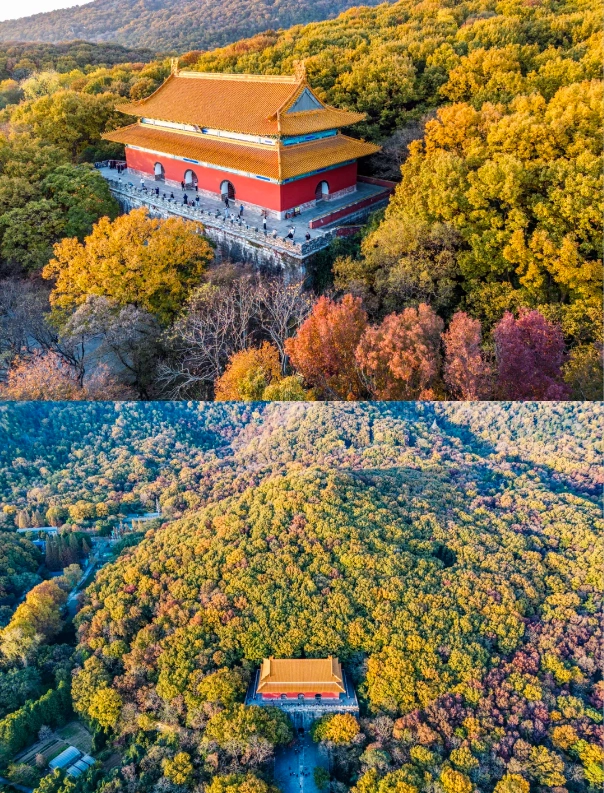
Best months: March to May and September to November. Summer (June-August) is hot and humid—I've seen tourists pass out from heatstroke. Winter is chilly but peaceful, with fewer than 100 visitors on weekdays.
Best time of day: Arrive at 8:00 AM when gates open. You'll have the Sacred Way almost to yourself for about an hour. The light is soft, perfect for photos. Another secret: 4:00 PM to 5:00 PM. The crowds thin, and the sunset casts a golden glow on the stone statues. I took a Japanese photographer there last fall, and he got shots no one else has because we stayed till closing.
Photography pitfall: The tomb mound area is shaded by trees, so midday visits result in dark, contrasty photos. Come morning or late afternoon. And for heaven's sake, don't use flash on the artifacts—it's disrespectful and guards will call you out.
Avoiding the Crowds Like a Local
Chinese holidays like Golden Week (early October) are chaos—avoid them. Weekdays are always better. If you must go on a weekend, book the first slot and head straight to the tomb complex, then backtrack to the Sacred Way. Most tour groups do the reverse, so you'll miss the bottlenecks. I've timed it: this saves up to 40 minutes of shuffling in crowds.
A Perfect Itinerary for Your Visit
Let's assume you have half a day. Here's how I'd plan it for a friend.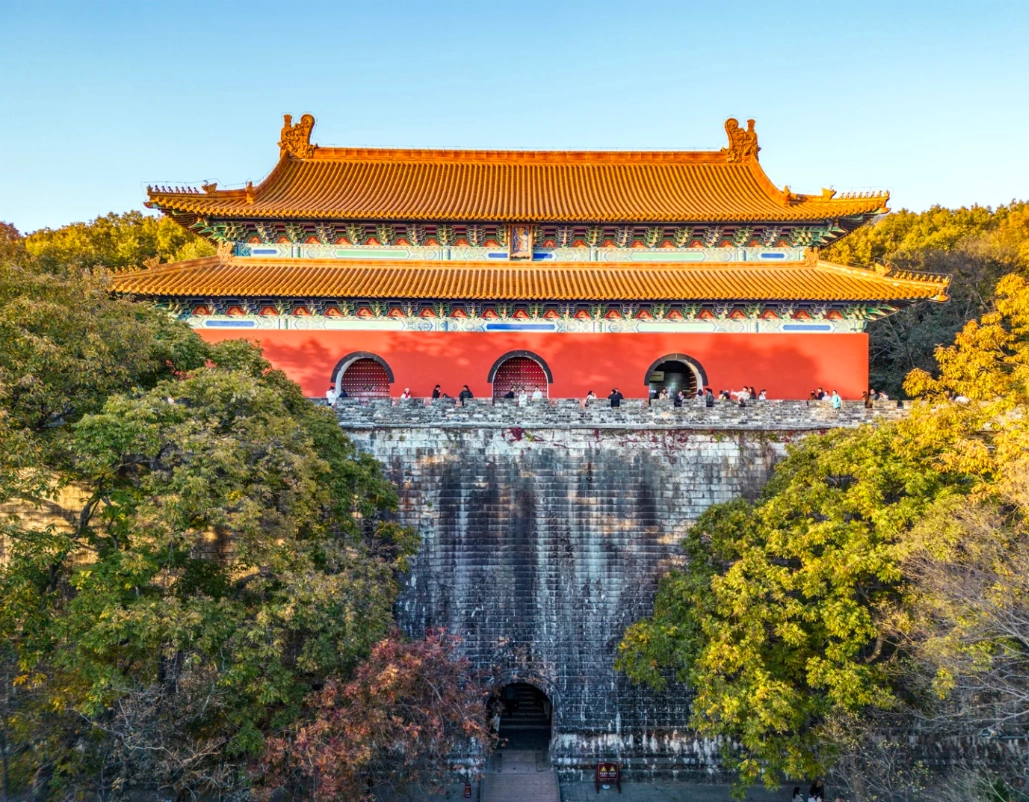
3-Hour Rush Visit (if you're short on time):
- 8:00 AM: Enter, book tickets online en route if not done. Walk briskly to the Sacred Way (10 minutes from entrance).
- 8:10 AM - 8:40 AM: Explore the Sacred Way. Focus on the stone animals—there are 24 pairs. I always stop at the stone lions; their expressions vary, a detail many miss.
- 8:40 AM - 9:30 AM: Head to the tomb mound (15-minute walk). Spend time at the Stele Pavilion and the Ming Tower. Don't climb the mound—it's restricted, but the view from below is enough.
- 9:30 AM - 10:00 AM: Exit via the side path to Linggu Temple if you have extra time, or grab a drink at the cafe near the exit.
Full-Day Exploration (for history buffs):
- 8:00 AM - 10:00 AM: Ming Xiaoling, as above, but linger.
- 10:00 AM - 12:00 PM: Walk to Sun Yat-sen Mausoleum (30 minutes by foot or take the scenic area shuttle for 10 RMB). It's in the same park, and the combo ticket saves money.
- 12:00 PM - 1:00 PM: Lunch at Zhongshanling Restaurant near the mausoleum—try their braised pork, a local favorite. Cost: 50-80 RMB per person.
- Afternoon: Visit Linggu Temple or the Botanic Garden. End by 5:00 PM.
Transport between sites: The shuttle runs every 15 minutes, but walking is scenic. I once guided a family from Australia who preferred walking; we spotted wild pheasants, something you'd never see from a bus.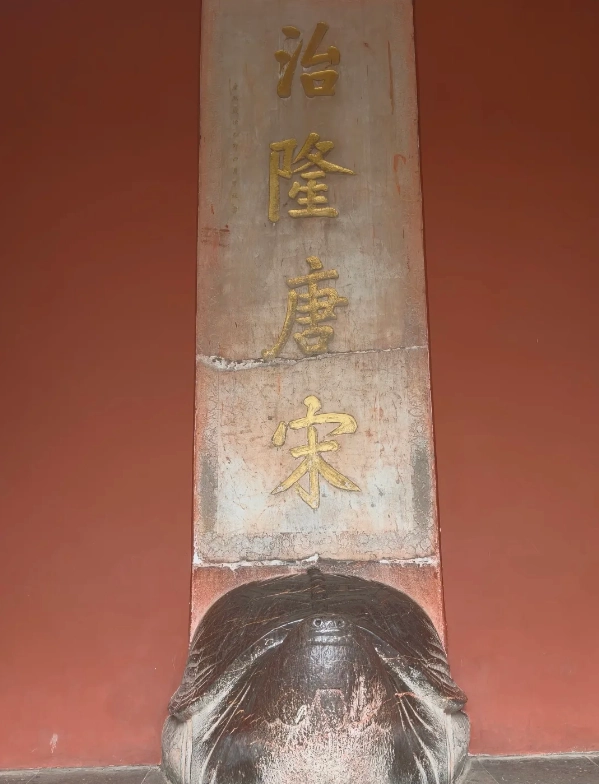
Hidden Gems Most Tourists Miss
Beyond the obvious, Ming Xiaoling has corners even regulars overlook.
The Stone Elephant Path's Back Side: After the main stone animals, there's a lesser-known path with smaller statues of officials. It's quieter, and the carvings are sharper because fewer hands touch them. I found it by accident years ago when avoiding a rain shower.
The Underground Drainage System: Near the tomb mound, look for stone channels in the ground. They're part of an ancient drainage design to protect the tomb from water. Most guides don't mention it, but it shows the engineering genius of the Ming era.
A Viewpoint Behind the Ming Tower: Walk around the tower to the left; there's a small hill with a bench. From there, you see the entire layout—the symmetry is breathtaking. It's my go-to spot for explaining the feng shui of the site.
These spots aren't on the official map, so ask a guard politely. They might point the way if you say "I'm interested in history."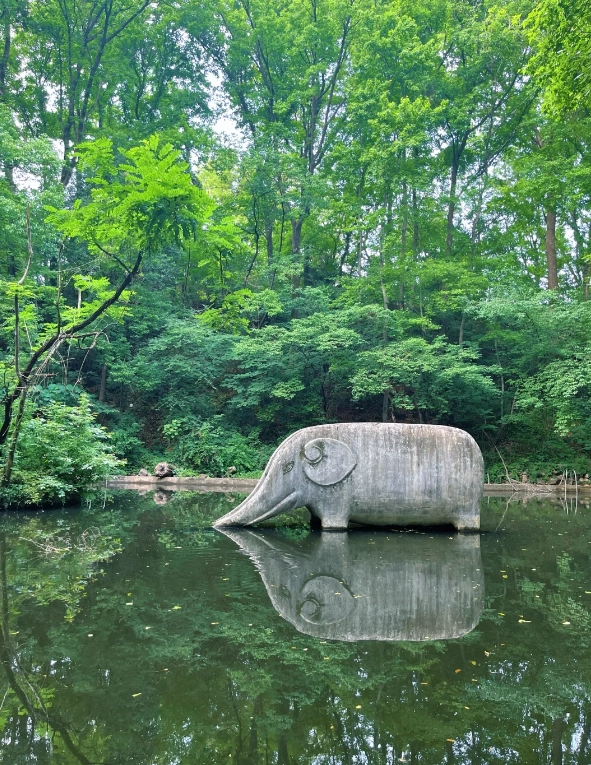
Frequently Asked Questions
This article has been fact-checked against official sources and my personal on-ground experience. Ming Xiaoling Mausoleum is more than a checklist item; it's a place where history whispers if you know where to listen. Plan smart, and you'll leave with memories, not just photos.





No comments yet.