 Yan Zhou
Let’s be honest. You’ve probably seen a dozen lists telling you to visit the Sun Yat-sen Mausoleum and Confucius Temple. That’s the skeleton of a Nanjing trip, but it’s not the soul. After a decade of guiding families, history buffs, and solo travelers through these streets, I’ve learned that the classic experience isn’t about checking boxes. It’s about feeling the weight of history in the quiet moments, finding the perfect soup dumpling, and knowing which alleyway leads to a hidden courtyard. This isn’t just an itinerary; it’s the blueprint I use for my own friends when they visit. We’ll cover the essentials, but we’ll do them smarter, with the timing, tricks, and local flavors that most tourists miss completely.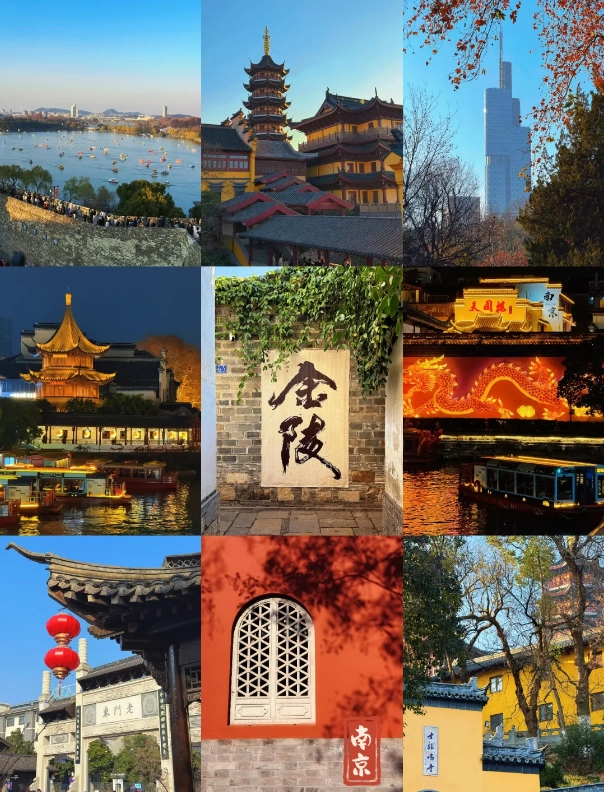
Your Nanjing Trip at a Glance
Day 1: The Imperial Mountains & Riverside Lights
We start big. The Purple Mountain (Zijin Shan) area is vast, and trying to see everything is a surefire way to get blisters and a headache. Most guides tell you to go to the Sun Yat-sen Mausoleum first. I tell you to go to the Ming Xiaoling Mausoleum first. Why? The tour buses all head to Sun Yat-sen first, creating a mid-morning bottleneck. By the time you finish at Ming Xiaoling, the crowds at Sun Yat-sen have thinned slightly for lunch.
Morning: Ming Xiaoling Mausoleum
Take Metro Line 2 to Muxuyuan Station, Exit 1. From here, you have two choices: a 25-minute walk through the scenic wooded path (my preference, it sets the mood), or a 5-minute taxi ride to the main gate. You need to book a free timed-entry ticket online in advance via their official WeChat mini-program or platforms like Meituan. Walk-ins are often turned away. The ticket covers the Sacred Way, the incredible spirit path lined with stone animals and generals. The actual tomb mound is a peaceful, forested hill. Budget 2 hours here. The stone carvings look best in the morning light.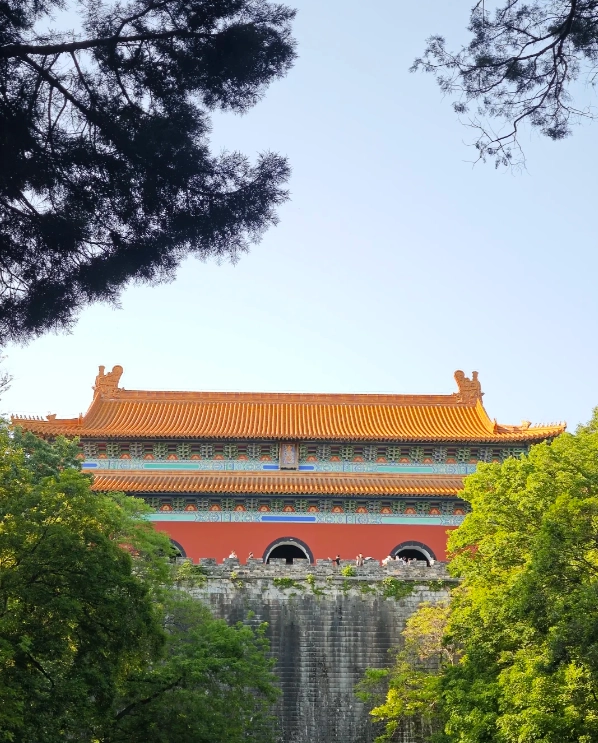
Afternoon: Sun Yat-sen Mausoleum
From Ming Xiaoling, it’s a 15-minute walk or a quick hop on the scenic area’s sightseeing shuttle (10 RMB) to Sun Yat-sen Mausoleum. Again, book your free ticket online in advance. This is where most people mess up. They arrive at noon, climb the 392 steps in the blazing sun, and are too exhausted to appreciate the view. My rule: aim to start the climb after 3:30 PM. The light is softer, the stairs are partly shaded, and the crowds are leaving. The panoramic view of Nanjing from the top is worth every step. Allow 1.5 hours.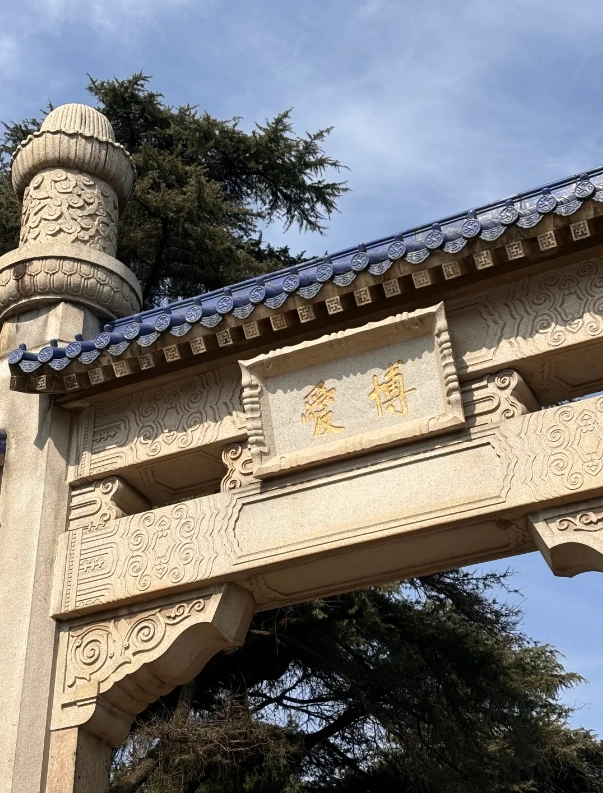
Evening: Confucius Temple (Fuzimiao) & Qinhuai River
Take Metro Line 2 back to Fuzimiao Station. Yes, it’s touristy. But skipping it is like skipping Times Square in New York—you have to see it once. The trick is how you see it. Avoid the generic snack stalls on the main pedestrian street. Instead, as dusk falls, buy a ticket for a Qinhuai River boat ride (about 80 RMB for 40 minutes). The illuminated traditional architecture from the water is magical. Afterwards, for dinner, escape the main square. Walk 10 minutes into the side streets towards Laomendong (more on that tomorrow) or find a restaurant specializing in Nanjing salted duck.
Day 2: Republican History and Museum Depth
Today is about the 20th century and diving deep into culture. Start early to beat the groups.
Morning: Presidential Palace
Take Metro Line 2 or 3 to Daxinggong Station, Exit 5. Walk 5 minutes north. Buy your ticket (about 35 RMB) at the gate; online booking isn’t usually necessary but can save queueing time. This complex is a physical timeline of modern Chinese history, from the Taiping Heavenly Kingdom to Sun Yat-sen and Chiang Kai-shek. It’s enormous and can be confusing. My advice: focus on the beautiful gardens in the west section and the historic office buildings in the east. The signage is decent in English. Go right when it opens at 8:30 AM. By 10:30 AM, it becomes a sea of tour caps. Spend 2 to 2.5 hours here.
Afternoon: Nanjing Museum
From the Presidential Palace, it’s a 15-minute taxi ride or a 30-minute walk through nice city streets. This is non-negotiable. The Nanjing Museum is one of China’s best, and it’s free (book online via their official website or WeChat). Don’t try to see everything. You’ll burn out. Here’s my curated hit list:
- History Hall: Start here for a chronological overview.
- Jiangsu Intangible Cultural Heritage Hall: This is the highlight. Live demonstrations of puppet-making, embroidery, and dough figurines. It feels alive.
- Republic of China Street: A full-scale recreation of a 1930s Nanjing street inside the museum. Perfect for photos and a coffee break.
Budget a solid 3 hours. The museum cafe is surprisingly good if you need a pick-me-up.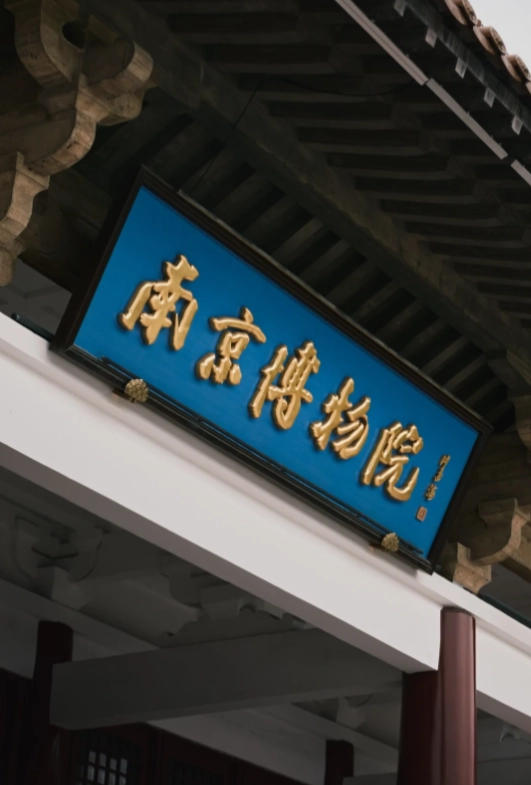
Evening: Laomendong Historic Block
Forget the chaos of Fuzimiao for dinner. Walk 20 minutes or take a short taxi to Laomendong. This restored Ming-Qing style district has wider lanes, better food, and a more local vibe. It’s where I take clients who want authenticity without the struggle. Try Shizi Lou for their legendary beef dumplings and pancake soup. Or, for a sit-down meal, Nanjing Da Pai Dang offers a great range of local dishes in a lively setting. Just wander and follow your nose.
Day 3: Lakeside Serenity and Ancient Walls
A slower day to recover, enjoy nature, and see the city from a different angle.
Morning: Xuanwu Lake Park
Take Metro Line 1 to Xuanwumen Station, Exit 2. You’ll walk straight into the park’s south entrance. Entrance is free. This massive lake park is where locals go for morning tai chi, walks, and to escape the concrete. Rent a paddle boat (about 60-80 RMB/hour) for a relaxing hour on the water with views of the city skyline and the Jiming Temple pagoda. Or, simply walk the causeway that cuts through the lake. It’s especially beautiful in spring with cherry blossoms or in autumn. Spend a leisurely 2 hours.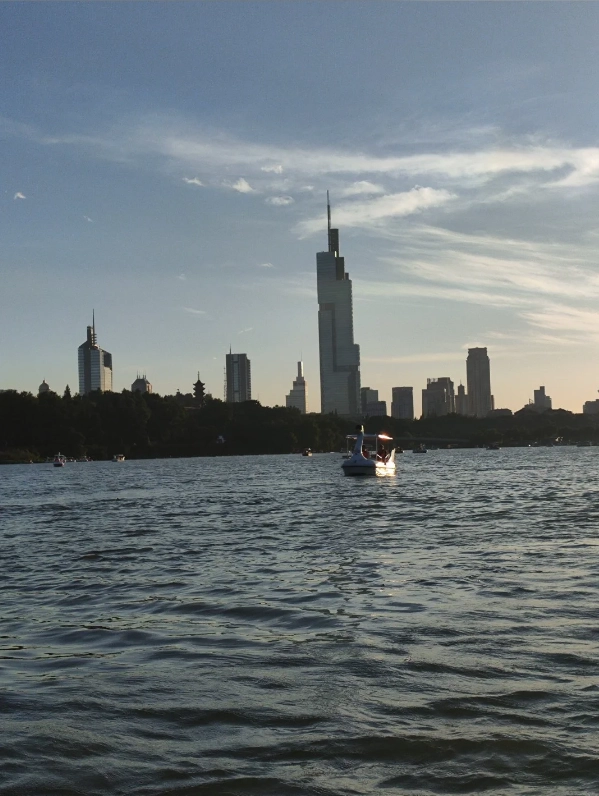
Late Morning: Jiming Temple
Exit the lake park near the north side, and you’ll see the distinctive pagoda of Jiming Temple. This is a working Buddhist temple, not just a tourist site. The incense is thick, and the atmosphere is genuine. The climb up the 7-story pagoda costs an extra 10 RMB but gives you a stunning 360-degree view of Xuanwu Lake and the city. It’s cramped and the stairs are steep, but the view beats any skyscraper observation deck. Allow 1 hour.
Afternoon: The Choice is Yours
Here’s where we personalize. You have two great options:
Option A (History Buffs): Nanjing City Wall at Jiming Temple Section. Right next to the temple, you can access one of the best-preserved sections of the Ming Dynasty wall. For about 30 RMB, you can walk along the ancient ramparts with the lake on one side and the old city on the other. It’s a powerful, physical connection to the past. Walk east towards Taicheng section.
Option B (Shoppers/Foodies): Hunan Road or Xinjiekou. Take the metro back to Xinjiekou Station, the bustling commercial heart of modern Nanjing. Hunan Road has more local chain stores and snacks. For a more upscale mall experience, head to Deji Plaza. This is your chance to pick up last-minute souvenirs or try a modern Chinese food court.
Where to Eat Like a Local
Nanjing food is savory, slightly sweet, and often involves duck. Here’s my shortlist of places you can actually trust.
| What to Try | Where to Find It | My Notes |
|---|---|---|
| Nanjing Salted Duck (Yanshui Ya) | Jin Hongxing Roast Duck Shop (multiple locations, one near Zhujiang Road Metro). No seating, takeaway only. | This is the real deal. Buy a quarter duck (about 35 RMB). It’s cold, salty, and perfect with rice. They’ll pack the bone broth separately. |
| Soup Dumplings (Tangbao) | Guo Fu Tangbao in Laomendong. Expect a queue. | Not like Shanghai xiaolongbao. These are gigantic, with a straw to sip the hot, savory broth inside first. One order (4 pieces) is a meal. |
| Duck Blood Vermicelli Soup (Yaxue Fensi Tang) | Sounds adventurous, tastes comforting. The blood is tofu-like, in a rich duck broth with vermicelli and fried tofu puffs. A local breakfast staple. | Yin’s Duck Blood Soup (also multiple locations, check Google Maps). |
| Modern Nanjing Cuisine | Nanjing Impressions (Nanjing Da Pai Dang) in Laomendong or Deji Plaza. | Great for groups. Theatrical service, nostalgic decor. Order the crispy duck, sweet and sour spare ribs, and their signature rice wine. |
Navigating Nanjing: Logistics
Getting Around: The metro is excellent, clean, and signs are in English. Use Alipay or WeChat Pay to scan the QR code at the gate (set up the “Transport” function in advance). Taxis are cheap and plentiful. Didi (China’s Uber) works well with an international number.
Money: Cash is rarely used. You must set up Alipay or WeChat Pay with your international credit card before you arrive. Some larger hotels and chain stores accept Visa/Mastercard, but for 95% of transactions, especially at smaller eateries and for transport, mobile payment is king.
Accommodation Area: Stay near Xinjiekou (metro hub, central for everything) or Fuzimiao (atmospheric, great for evening walks). For a quieter, more local feel, look near Shanghailu area.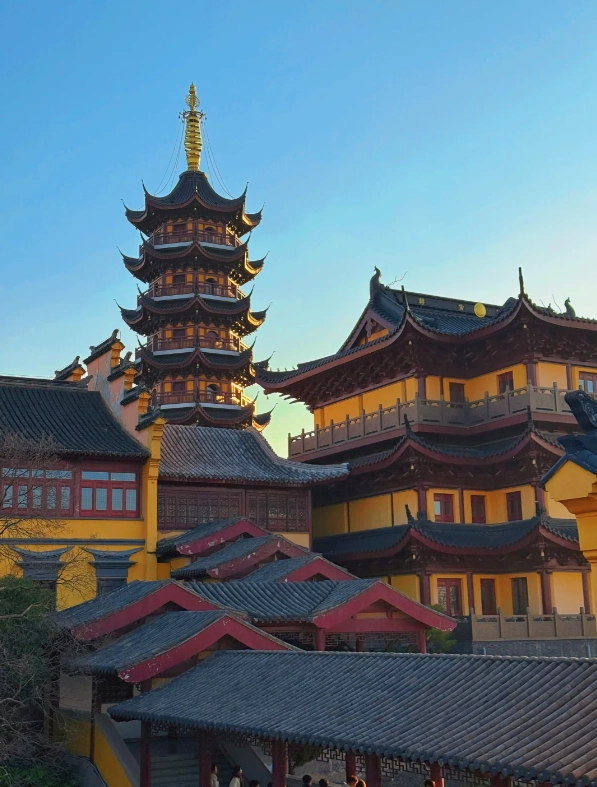
Your Nanjing Itinerary Questions Answered
You can hit the absolute highlights in two very packed days: Day 1 as written (Purple Mountain and Fuzimiao), and a condensed Day 2 (Presidential Palace in the morning, Nanjing Museum in the afternoon, skip Laomendong for a quicker dinner near Xinjiekou). You’ll be exhausted, and you’ll miss the leisurely pace that makes Nanjing enjoyable. If you only have 48 hours, I’d suggest skipping the City Wall/Option B on Day 3 and moving Xuanwu Lake to the morning of Day 2 before the Presidential Palace.
Trying to do Purple Mountain and Nanjing Museum on the same day. On paper, they look close. In reality, they are at opposite ends of the city’s cultural energy spectrum. Purple Mountain involves hours of outdoor walking and stairs. The museum involves hours of indoor focus and reading. Doing both back-to-back is a classic recipe for mental and physical fatigue. Spread them out over two days as this itinerary does.
Absolutely, but you’ll shift the focus. Spend less time reading every plaque at the Presidential Palace and more time in its gardens. At Nanjing Museum, head straight to the Intangible Heritage Hall and the Republic of China Street—they’re experiential. Dedicate more time to food exploration in Laomendong, take a longer boat ride on Qinhuai River, and consider a visit to the Nanjing Yangtze River Bridge (a monumental piece of 1960s engineering with great views) instead of a second historical site.
This is a real hurdle. For the Sun Yat-sen Mausoleum and Ming Xiaoling, you can sometimes book via travel platforms like Trip.com or Klook using a foreign number, but availability is limited. The most reliable method is to ask your hotel concierge to book them for you the day before. They will need your passport details. For the Nanjing Museum, their official English website often accepts foreign passport numbers for booking. Have screenshots of your booking confirmations ready at the entrance.
This article is based on my personal experience guiding in Nanjing for over ten years. Details like opening times and ticket prices are subject to change, so always double-check on official channels before your visit.





No comments yet.