 Fang Wang
Alright, grab a seat. After a decade of guiding folks from all over through China's old capitals, I've seen every kind of Nanjing trip. The overwhelmed first-timer, the history buff who wants to see every stone, the foodie who just follows their nose. Most online itineraries? They send you on a marathon between the same four spots, exhausted by crowds and missing the soul of the place. Not this one. This is how I'd plan a perfect 3 days in Nanjing for a friend, mixing the iconic with the intimate, and packing in the practical details you won't find elsewhere—like which metro exit saves you 15 minutes of walking, or where to find the duck that locals actually buy.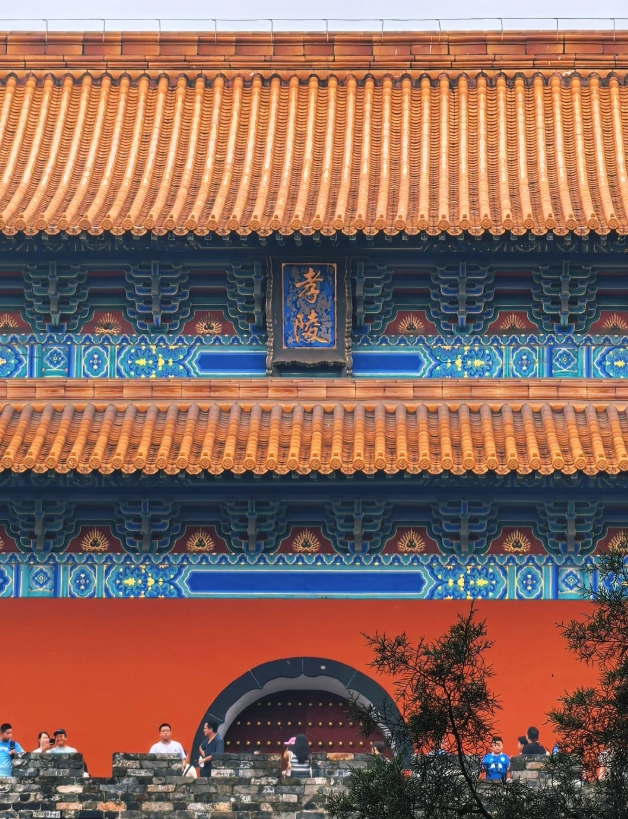
Your Nanjing Trip at a Glance
Day 1: Purple Mountain Majesty
We start big. Purple Mountain (Zijin Shan) is a massive park area, home to Nanjing's most famous tombs and monuments. The mistake everyone makes is trying to see everything. You can't. It's huge. My strategy is quality over quantity, hitting the top two with time to breathe.
Morning: Sun Yat-sen Mausoleum
Address: 7 Shixiang Road, Xuanwu District. Metro: Take Line 2 to Muxuyuan Station, Exit 2. From there, it's a 15-minute walk or a 5-minute hop on the scenic sightseeing bus (¥10) that runs through the park. I usually walk—the tree-lined road sets the mood.
Ticket & Timing: Entrance to the mausoleum grounds is free, but you must book a timeslot online in advance. No ticket, no entry. Use the WeChat mini-program "Nanjing Sun Yat-sen Mausoleum" or their official site. It opens at 8:30 AM. Be there for 8:45. Why? The tour buses arrive around 9:30, and climbing those 392 steps in the cool morning light, with fewer people, is a completely different experience. The climb looks intimidating, but go slow. The view back over Nanjing from the top is worth every step. Plan for 1.5 to 2 hours here.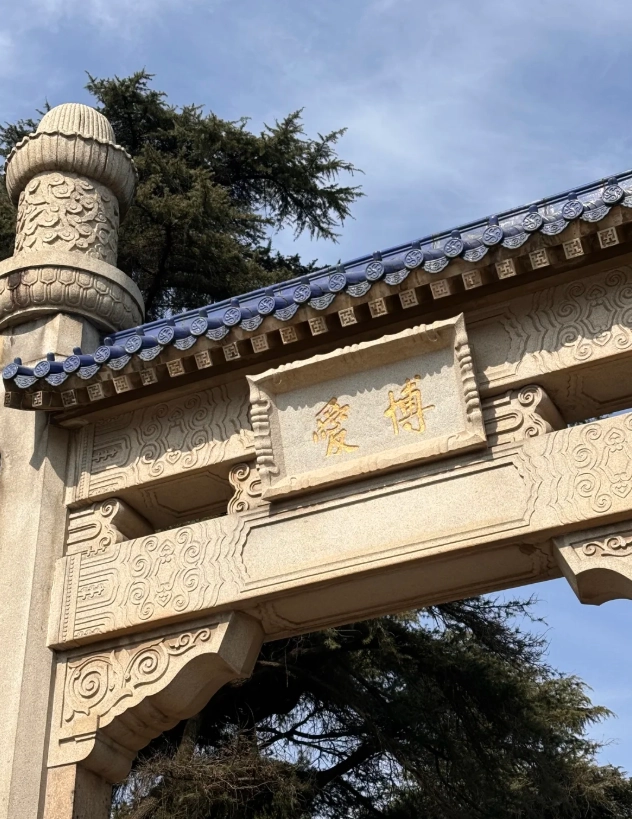
Afternoon: Ming Xiaoling Mausoleum
From the Mausoleum, take the sightseeing bus (look for the line, it's clearly marked) to Ming Xiaoling. This is the tomb of the Hongwu Emperor, founder of the Ming Dynasty. The Spirit Way is the star here—a winding path guarded by giant stone statues of lions, camels, elephants, and mythical beasts.
Ticket: ¥70 for adults. You can buy this at the gate, no need for advance booking. Timing: The best photos are in the late afternoon when the sun casts long shadows across the statues. I aim to arrive around 3:30 PM. Spend an hour wandering the Spirit Way, then another 30-45 minutes exploring the tomb mound itself (it's more atmospheric than ornate).
Lunch Break: Between these two sites, you'll be hungry. Near the Ming Xiaoling bus stop, there are several simple noodle and rice shops. Nothing fancy, but filling. For a better option, I sometimes take the sightseeing bus back to the metro area and grab a quicker lunch near Xiamafang Station.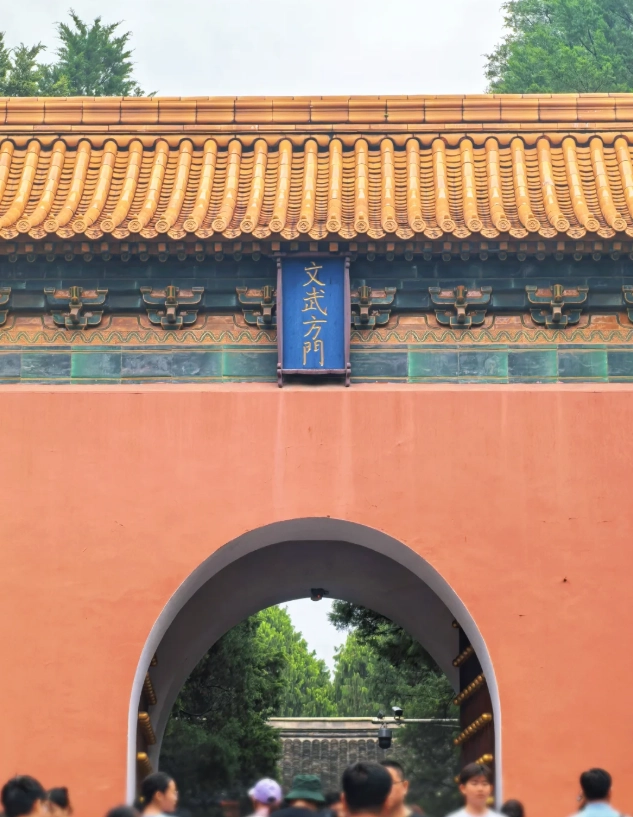
Day 2: The Heart of Old Nanjing
Today drops you into the bustling, history-laden streets of the city center.
Morning: Nanjing Museum
Address: 321 Zhongshan East Road. Metro: Line 2, Minggugong Station, Exit 1. Walk 5 minutes.
Why go: This is one of China's top three museums. It's vast, air-conditioned, and free. You need to reserve a free ticket online in advance (via their official WeChat mini-program or website). Book for the first slot at 9:00 AM.
My strategy: Don't try to see it all. Head straight to the Jiangsu Province History Hall (ground floor) for a superb chronological overview. Then, make a beeline for the incredible Underground Exhibition Hall—a replica of a 1930s Nanjing street, complete with shops, a barber, and a post office you can walk through. It's magical and a huge hit with visitors. Budget 2.5 hours.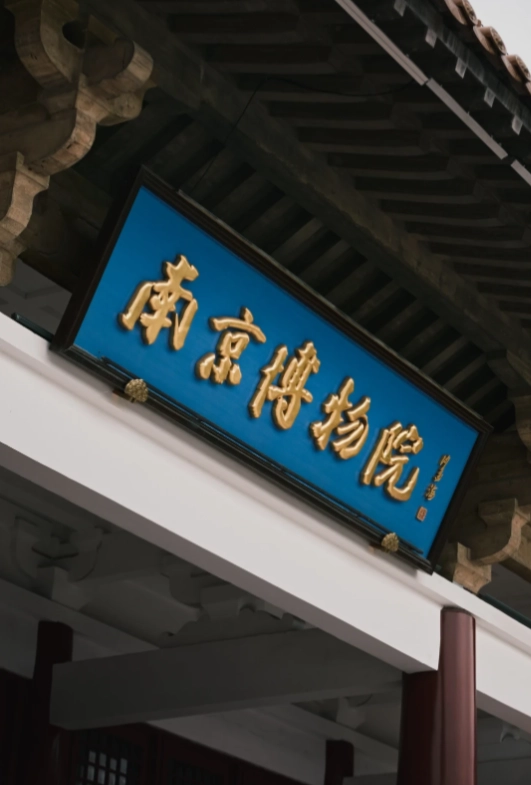
Afternoon: Confucius Temple & Qinhuai River
Take the metro (Line 2 to Line 3, get off at Confucius Temple Station) or a taxi (about 20 mins, ¥20-25). This area is touristy, yes, but it's the historic cultural heart. The temple itself (Fuzimiao) is worth a quick look (¥30). The real activity is along the Qinhuai River lanes.
Here's the afternoon plan: Stroll the main area, maybe take a river boat ride (¥80, about 40 minutes—do it if the line isn't insane, skip if it is). Then, walk 15 minutes south to...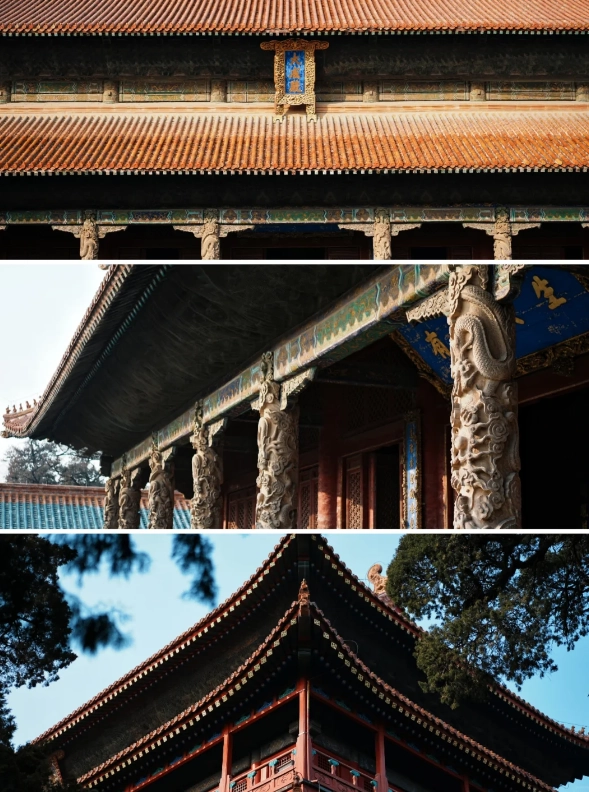
Late Afternoon: Zhonghua Gate (Gate of China)
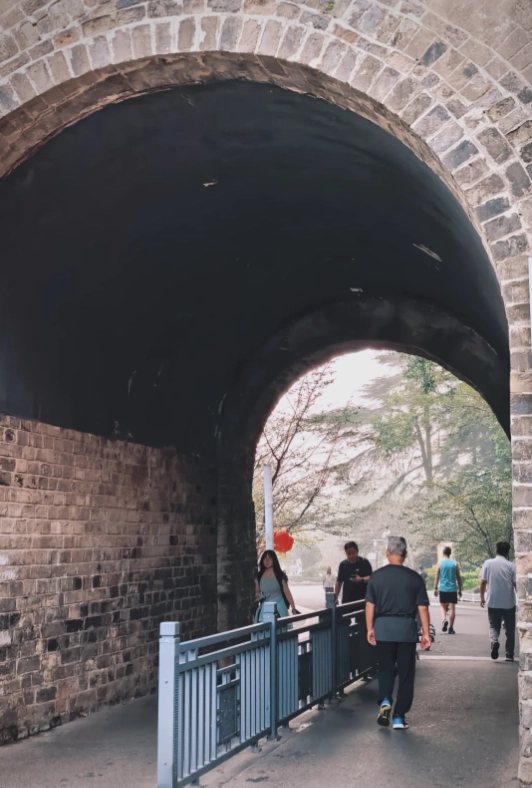
This is my favorite city wall gate. It's the largest ancient castle-style gate in the world, a massive fortress. For ¥50, you can walk on top of the walls, explore the hidden garrison rooms (called "cangceng") inside the gate—a maze-like space designed to trap invaders—and get fantastic views. It's less crowded than other sites and feels genuinely impressive. The stonework and scale are breathtaking. Spend about 1.5 hours here as the sun starts to lower.
Day 3: Walls, Lakes, and Local Bites
The final day is about deeper exploration and flavor.
Morning: Nanjing City Wall (Jiefang Gate Section)
Most tourists go to the section near Jiming Temple. I prefer the Jiefang Gate (Liberation Gate) section. Why? It connects directly to Xuanwu Lake, offering the best wall-and-lake combo view. Take a taxi to "Jiefangmen." The entrance is subtle. Ticket is ¥30.
You can walk the wall for about 1 km towards Xuanwu Lake. The perspective of the modern city against the ancient stones and the vast lake is unique. It's quiet, peaceful, and a photographer's dream in the morning light. Allow 1 hour.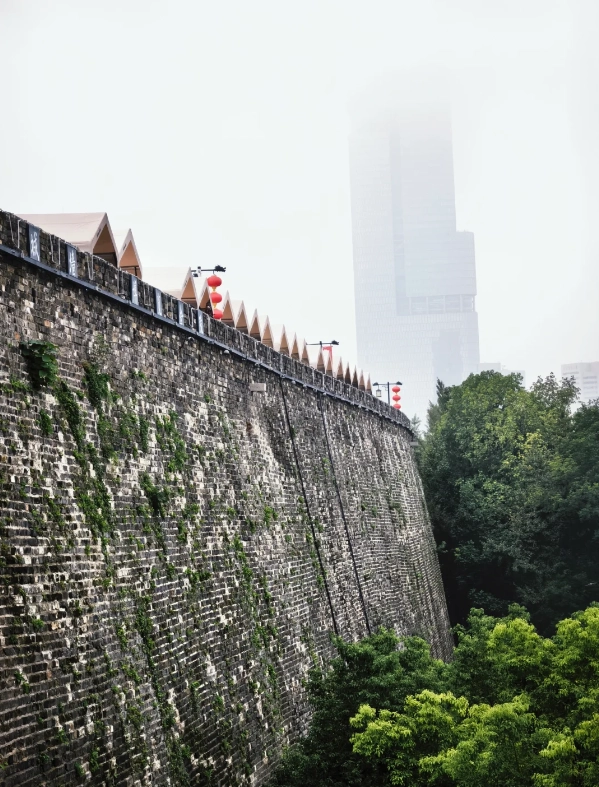
Late Morning to Afternoon: Xuanwu Lake Park
Descend from the wall right into Xuanwu Lake Park (free). This is where locals come to relax. Rent a paddle boat (¥60-80/hour for a 4-seater) and get out on the water. Or, simply walk the shaded lakeside paths. There are five islets connected by causeways. The Liangzhou islet has nice cafes. It's the perfect antidote to two days of heavy history. Grab a simple lunch at one of the park-side noodle shops.
The Essential Nanjing Food Hunt
You can't leave without trying Nanjing's famous salted duck (Yanshui Ya). Forget the fancy restaurants. Go where locals buy it to take home.
My top pick: Look for shops in the Meiyuan Xincun residential area or around Zhangfuyuan. There's rarely an English sign; just look for a glass counter with hanging ducks and a line of local aunties. Point, smile, and ask for half a duck (they'll chop it for you). It's tender, subtly spiced, and not overly salty. Eat it in the park or back at your hotel. Perfect.
For a sit-down dinner, head to the Shizi Qiao (Lion Bridge) area. It's a food street less frequented by tourists. Restaurants like Shizi Lou serve excellent local dishes—try their duck blood and vermicelli soup (a Nanjing classic) and lion's head meatballs.
Where to Stay in Nanjing
Location is everything. Here’s the breakdown from a guide’s perspective:
| Area | Best For | Pros & Cons | Price Range (per night) |
|---|---|---|---|
| Xinjiekou | First-timers, shoppers, convenience. | Heart of the city. Major metro hub (Lines 1 & 2). Tons of dining/shopping. Can be noisy and lacks old-Nanjing charm. | ¥400 - ¥1000+ |
| Confucius Temple (Fuzimiao) | Atmosphere, nightlife, river views. | Beautiful at night, lively, great for evening strolls. Very touristy, crowded, food options are pricier and less authentic. | ¥350 - ¥800 |
| Near Nanjing Museum / Minggugong | History buffs, quieter stays. | Central but calmer. Easy walk to museum and Ming Palace ruins. Good metro access (Line 2). Fewer international hotel chains. | ¥300 - ¥700 |
| Shanghailu Area | Budget travelers, local vibe. | Lined with affordable hotels and fantastic local eateries. Close to Nanjing University. Feels more "lived-in." Further from some main sights. | ¥200 - ¥500 |
My personal habit: I often recommend clients stay near Xinjiekou if it's their first time. The transport links are unbeatable, and after a long day of sightseeing, being able to get "home" with one metro ride is a lifesaver. The InterContinental there has great views, or the Citadines apartments are good for families.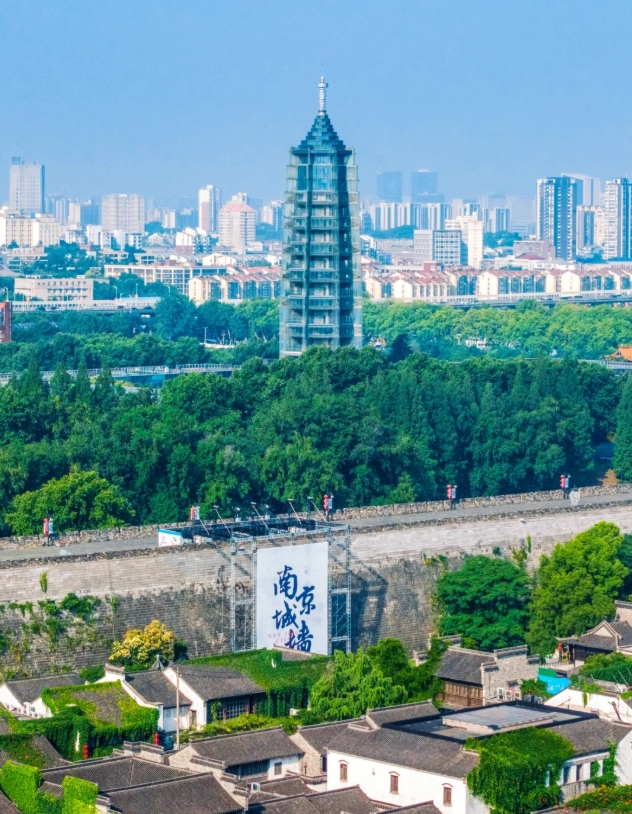
Navigating Nanjing: Transport Tips
- Metro: It's excellent, clean, and signs are in English. Buy single-ride tickets from machines or use Alipay/WeChat Pay to scan at the gate. Covers 90% of your needs.
- Taxis/Didi: Readily available and cheap. Hail on the street or use the Didi app (China's Uber). A cross-town trip rarely exceeds ¥40. Have your destination written in Chinese to show the driver.
- Bikes: Shared bikes (Meituan, Hello Bike) are everywhere. Great for short hops along lake paths or in university areas. Requires a local app setup and deposit.
- Walking: Many central attractions are walkable if you plan your day in zones (e.g., Confucius Temple to Zhonghua Gate).
Your Nanjing Travel FAQs
 There you have it. A 3-day Nanjing plan forged from a thousand trips with real people. It’s got the rhythm, the practical fixes, and the little secrets that turn a good trip into a great one. Nanjing is a layer cake of history—Ming, Republican, modern—and this itinerary lets you taste each one. Now go book that Mausoleum ticket.
This article is based on my personal, on-the-ground experience guiding in Nanjing over the past ten years. Details like ticketing procedures and transport options are current as of my last visit.





No comments yet.