 Yan Zhou
Let’s get straight to it. You’ve got limited time in Nanjing, and you want to see the real deal—the history, the food, the vibe—without the tourist traps. After a decade of guiding families and solo travelers through these streets, I’ve refined this 3-day plan. It’s the one I use for first-timers who want depth, not just a checklist. We’ll balance the iconic must-sees with quieter moments and local eats most blogs miss. Forget the generic advice; here’s what actually works on the ground.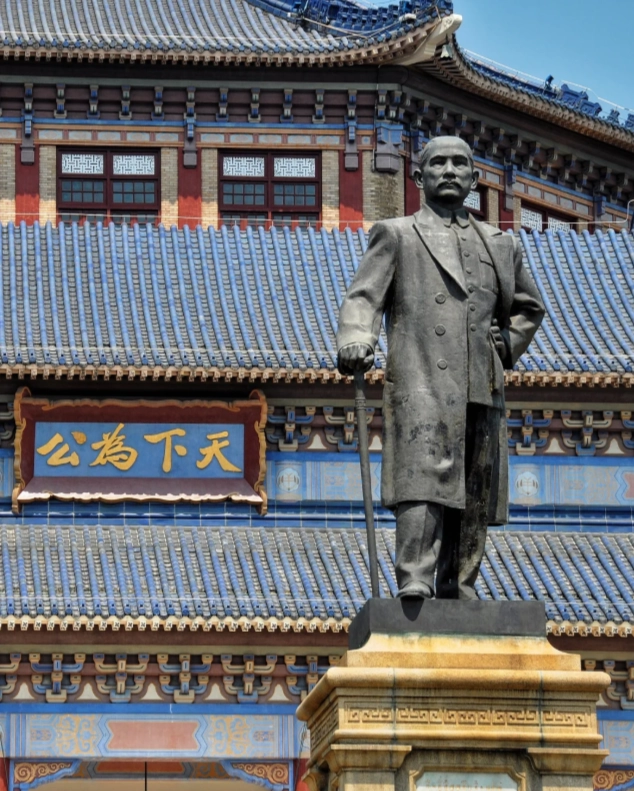
Your Quick Nanjing Trip Planner
The 3-Day Nanjing Blueprint
This itinerary assumes you have three full days. It’s paced to be full but not exhausting, with built-in flexibility. The logic is simple: Day 1 tackles the massive Zhongshan Mountain scenic area (wear good shoes). Day 2 mixes ancient city walls with profound history downtown. Day 3 is for contemplation and exploring a charming local area. I always advise starting early (by 8:30 AM) to beat the biggest crowds, especially at the free sites.
Core Booking Tip: For almost all major sites—Sun Yat-sen Mausoleum, Ming Xiaoling Mausoleum, Nanjing Museum, Presidential Palace—you must book a free timed entry ticket online in advance. Use the WeChat mini-program “Nanjing Zhongshan Scenic Area” for the mountain sites and “Nanjing Museum” for the museum. Do this the night before, or you might be locked out. Foreign passports work, but have yours ready to input.
Day 1: Imperial Grandeur & Riverside Lights
Today is about scale and legacy. We’re heading to the purple mountains east of the city.
Morning: Sun Yat-sen Mausoleum (Zhongshan Ling)
Address: No. 7, Shixia Road, Xuanwu District. Hours: 8:30 AM – 5:00 PM (last entry 4:30). Ticket: Free, but reservation mandatory.
Take Metro Line 2 to Muxuyuan Station, Exit 1. From here, you have two choices: walk about 25 minutes through the pine forest (pleasant), or take the scenic area sightseeing bus (¥10) from right outside the exit. The bus drops you at the foot of the steps.
Here’s my non-consensus tip: Everyone goes up the 392 steps immediately. Instead, take five minutes to walk to the left of the main staircase. There’s a quieter pavilion with a perfect frontal view of the blue-roofed mausoleum against the mountain. It’s the best photo spot, period. Then climb the steps. The view back over Nanjing is worth every step. Plan for 2-2.5 hours here.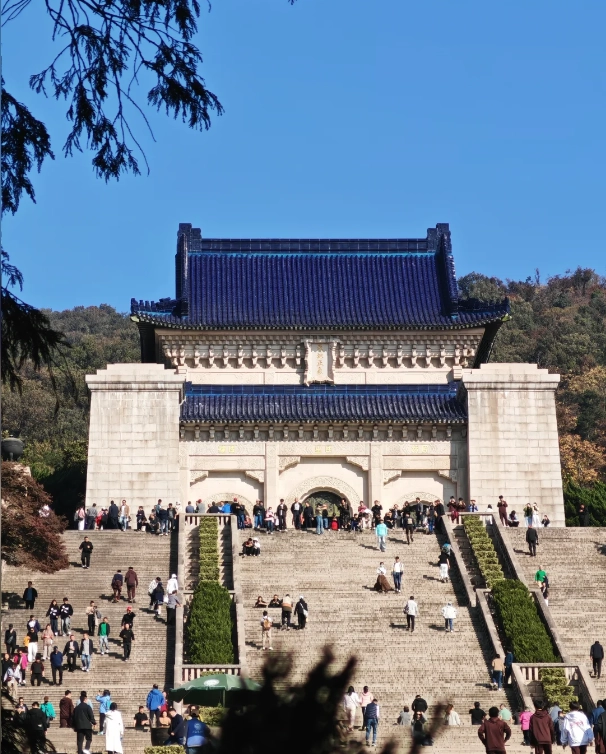
Afternoon: Ming Xiaoling Mausoleum & Linggu Temple
Address: Within Zhongshan Scenic Area. Hours: 6:30 AM – 6:30 PM (last entry 5:30). Ticket: ¥70 (covers the Sacred Way and tomb mound area).
From Sun Yat-sen Mausoleum, it’s a 10-minute taxi ride or a 15-minute ride on the internal scenic area shuttle bus (another ¥10). Don’t try to walk; it’s deceptive.
The Sacred Way, a path guarded by giant stone animals, is the highlight. Go in the afternoon when the sun casts long shadows through the trees—it’s magical. The actual tomb at the end is impressive but involves more climbing. If you’re tired, seeing the Sacred Way is enough. Nearby, Linggu Temple (¥35) is a peaceful, less-visited complex with the incredible Beamless Hall (Wuliang Dian). It’s a cool, quiet respite.
Evening: Confucius Temple (Fuzi Miao) Area
Address: Gongyuan Street, Qinhuai District. Hours: Area open 24/7, shops close around 10 PM.
Take a taxi back to the city (about 25 mins, ¥30-40). Get dropped off near the “Confucius Temple” pedestrian street.
Yes, it’s touristy. But at night, with the lanterns reflecting on the Qinhuai River, it’s genuinely beautiful. Skip the overpriced restaurants on the main strip. Instead, walk along the riverbanks. For dinner, I head to a place like Nanjing Da Pai Dang (Deji Plaza, 7F, 18 Zhongyang Road). It’s a theatrical, canteen-style hall serving all the local classics. I always order the Salted Duck and the Sweet Osmanthus Cake. It’s loud, fun, and you’ll see locals there too. Expect to wait 20-30 minutes for a table after 7 PM.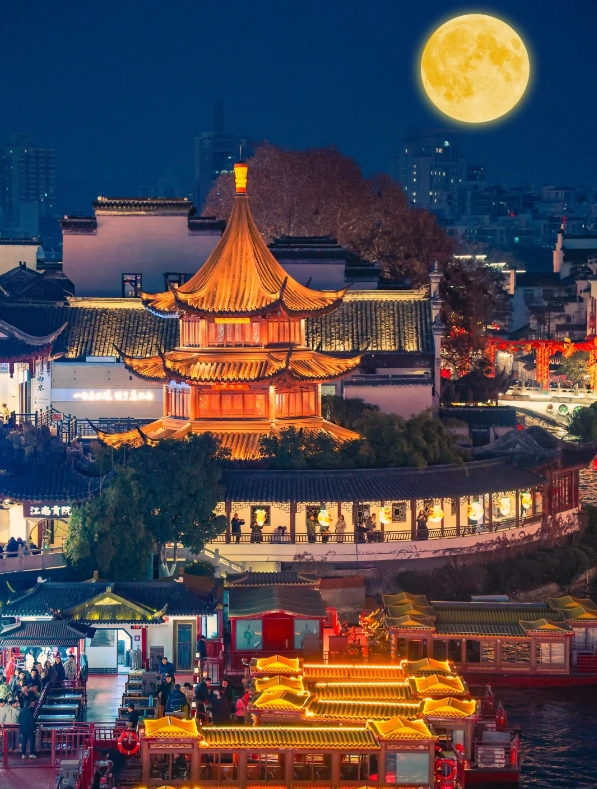
Day 2: City Walls, History & Modern Pulse
Morning: The Nanjing City Wall at Jimingsi
Address: Jiming Temple Road, Xuanwu District. Hours: 8:30 AM – 5:00 PM. Ticket: ¥30 for the wall section.
Take Metro Line 3 or 4 to Jimingsi Station, Exit 4. Walk 5 minutes north.
This is my favorite wall section. You get a postcard view of the Jiming Temple pagoda, Xuanwu Lake, and the modern skyline all at once. The bricks have inscriptions from 600 years ago—look for them. Walk east towards Taicheng (the Fort) for about 20 minutes. It’s less crowded than the popular Zhonghuamen section and feels more authentic. You’re walking on history, not just a tourist platform.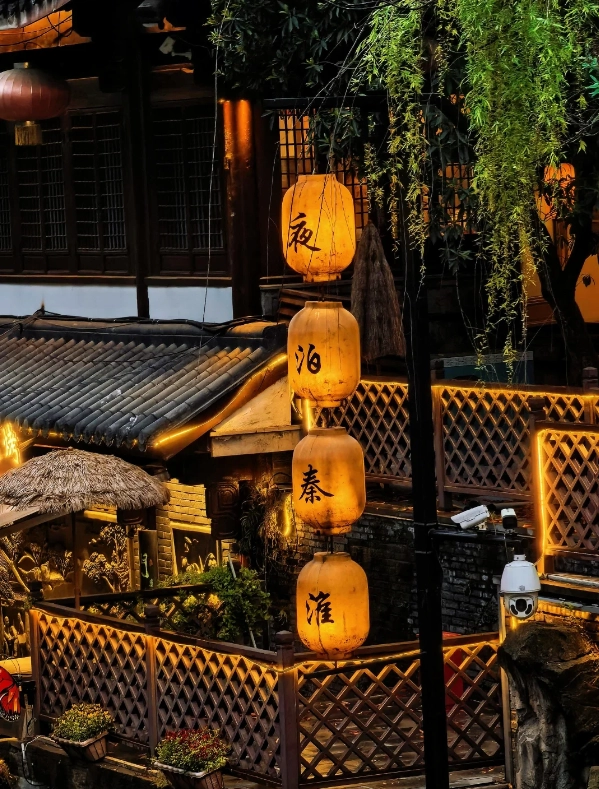
Midday: Nanjing Museum
Address: 321 Zhongshan East Road, Xuanwu District. Hours: 9:00 AM – 5:00 PM (last entry 4:00). Closed Mondays. Ticket: Free, reservation mandatory.
From the wall, a taxi takes 15 minutes (¥15).
Don’t confuse this with the smaller “Nanjing Municipal Museum.” This is the big one, with a stunning collection. Most visitors swarm the main history hall. My move? Go straight to the “Jiangsu Folk Art” exhibition in the art hall. The intricate wood carvings, puppets, and embroidery are breathtaking and often empty. Then, the underground “Republic of China Street” is a kitschy but fun recreated 1930s street. Allocate 2.5 hours minimum.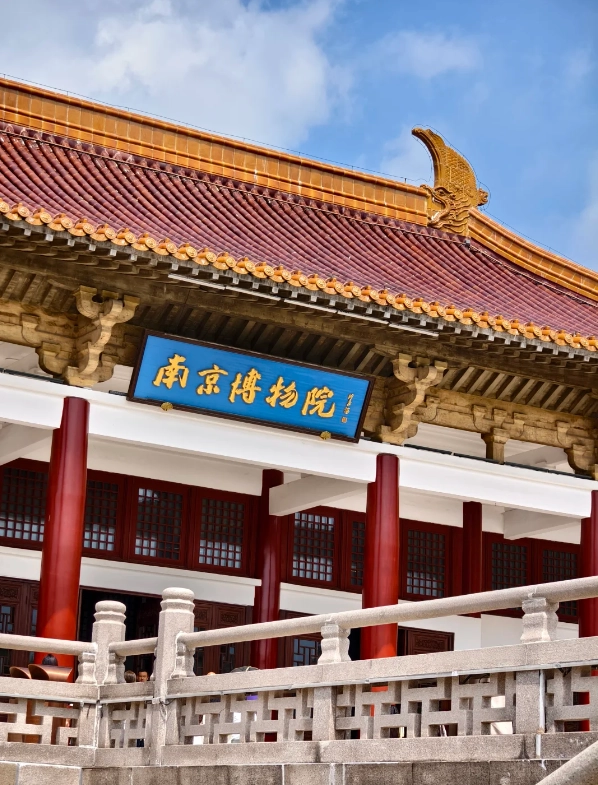
Lunch Break: The museum café is mediocre. Exit and walk 8 minutes south to Shizi Qiao (Lion Bridge) Food Street. It’s a local lunch hub. Look for a shop called Jin Yuan Bao Zi for amazing soup dumplings (¥15 for 8), or grab a bowl of pungent, salty duck blood and vermicelli soup at any busy spot.
Afternoon: Presidential Office and 1912 Block
Presidential Palace Address: 292 Changjiang Road, Xuanwu District. Hours: 8:30 AM – 5:30 PM (last entry 4:30). Ticket: ¥35, book online.
This is where modern Chinese history unfolded. It’s part imperial garden, part 19th-century government office. It’s sprawling and can be confusing. Focus on the beautiful Xuyuan Garden in the back and the grand reception halls. Right next door is the 1912 Bar Street area. By day, it’s just renovated Republic-era buildings with cafes. It’s a nice place for a coffee break (try Uniuni Coffee) before evening.
Day 3: Reflections, Peace & Local Neighborhoods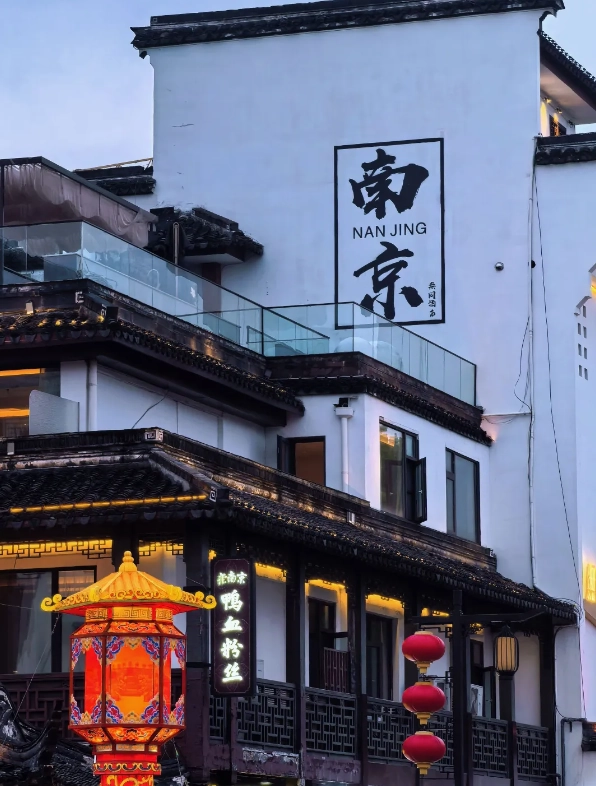
Morning: Nanjing Massacre Memorial Hall
Address: 418 Shuiximen Street, Jianye District. Hours: 8:30 AM – 4:30 PM (last entry 3:30). Closed Mondays. Ticket: Free, reservation required (book well ahead).
Take Metro Line 2 to Yunjinlu Station, Exit 2. Walk 10 minutes.
This is a solemn, essential visit. The architectural design alone is powerful. Give yourself space to process it. It’s not a “quick stop.” Allocate a full 2 hours to walk through respectfully. Photography is restricted in the main exhibition hall—please observe the rules.
Afternoon: Lao Men Dong (Old Gate East)
Address: South of Zhonghua Gate, Qinhuai District. Hours: Shops 10 AM – 10 PM.
From the memorial, take Metro Line 2 to Wudingmen Station, then transfer to Line 3 to Fuzimiao Station. It’s a 15-minute walk south from there.
This is my top recommendation for a “local vibe.” Unlike Confucius Temple, Lao Men Dong is a restored ancient neighborhood with actual small shops, craft studios, and indie cafes tucked in old courtyards. Get lost in the side alleys. Look for the “Nanjing Calligraphy and Painting Academy” building—it’s often free to enter and has quiet exhibits. Grab a snack like a crispy beef pancake from a street vendor. It’s the perfect, low-key way to end your trip.
Weather Plan B: If it’s pouring rain or dangerously hot, swap Lao Men Dong for the Nanjing Art Museum (No. 4 Hubei Road) or the Jiangsu Art Museum (333 Changjiang Road). Both are free, air-conditioned, and have excellent contemporary exhibitions.
Where to Stay: Practical Bases
Location is everything. You want easy metro access.
Top Choice for First-Timers: Xinjiekou Area. This is the central business district. It’s the hub of Metro Lines 1 & 2. You’re 15 minutes from everything. Hotels range from international chains (The Westin, Sofitel) to good-value business hotels like Holiday Inn. It’s bustling, convenient, but not “charming.”
For More Character: Near Confucius Temple (Fuzi Miao). You’re in the middle of the old-town action, great for evening strolls. The downside? It can be noisy and crowded. The Mingfa Hotel is a reliable, well-located mid-range option here.
For Quiet & Value: Near Daxinggong or Zhujianglu Metro Stations. These are just north of Xinjiekou, on Line 3. The neighborhoods are more residential, with local markets and cheaper, clean hotels like Atour. You’ll feel more like a local, and it’s still just 2-3 stops to the major sites.
Getting Around Nanjing Like a Pro
- Metro: It’s excellent, clean, and signs are in English. Use Alipay or WeChat Pay to scan the QR code at the gate (set up the “Transport” function in the app before you come). Cash is also accepted for buying single-ride tokens.
- Taxis/Didi: Plentiful and cheap. A cross-city ride rarely exceeds ¥50. Use the Didi app (English interface available). Hailing on the street works too. Just have your destination’s Chinese name or address handy to show the driver.
- Walking: Many downtown sites are walkable from each other (e.g., Presidential Palace to 1912 to Nanjing Library area).
- Bike-Sharing: Hellobike and Meituan bikes are everywhere. You’ll need a Chinese app and phone number to unlock them, so it’s less tourist-friendly.
FAQ: Your Nanjing Trip Questions Answered
Is two days enough for Nanjing, or should I plan for three?
You can see the highlights in two very packed days. But you’ll be rushing and miss the atmosphere. Three days lets you breathe, explore a neighborhood like Lao Men Dong, and not feel like you’re on a forced march. If you only have two, cut Day 3 and prioritize the Memorial Hall in the morning before you leave.
What’s the biggest mistake first-time visitors make in Nanjing?
Not booking those free timed tickets online. I’ve seen so many disappointed families turned away at the gate of Sun Yat-sen Mausoleum on a sunny Saturday. It’s the number one operational change post-pandemic that many foreign-focused guides haven’t emphasized enough. Do it the night before. It takes 5 minutes and saves your day.
I’m a vegetarian. Will I struggle to find food?
It’s a challenge, but not impossible. Nanjing cuisine is duck-and-pork heavy. Your best bets are Buddhist vegetarian restaurants (look for “素食” or “斋菜”), upscale modern Chinese places, or Indian/Thai restaurants. In a local spot, you can point to vegetable dishes like “干煸四季豆” (dry-fried green beans) or “地三鲜” (stir-fried potato, eggplant, pepper). Most restaurants can do plain rice and stir-fried greens. Learn the phrase “Wo chi su” (I eat vegetarian).
What’s the best way to handle money and payments?
Mobile payment (Alipay/WeChat Pay) is king. Set them up before arriving and link an international credit card. International cards (Visa/Mastercard) are accepted at most hotels, high-end restaurants, and chain stores like Starbucks. For small food stalls, local markets, or taxi fares if your app fails, you still need some Chinese Yuan (RMB) cash. Withdraw from ATMs at banks (like Bank of China, ICBC) using your foreign card.
Is Nanjing safe for solo travelers, especially at night?
Extremely safe. I’ve walked through most neighborhoods late at night for years without a hint of trouble. Normal precautions apply: be aware of your belongings in crowded places like the Confucius Temple area. The metro stops running around 11 PM, so plan your late evenings accordingly. Taxis and Didi are safe and reliable options after hours.
This article is based on my extensive, firsthand experience guiding tours in Nanjing. All practical information regarding ticketing, transportation, and operating hours has been fact-checked against official sources and recent visitor experiences.





No comments yet.