 Qiang Huang
Welcome. I've been guiding foreign travelers through China for over a decade, and Nanjing is one of my favorite cities to show off. It's not as frantic as Shanghai or as politically central as Beijing, but it has a soulful depth you can feel in its ancient walls, tree-lined boulevards, and the quiet hum of its local life. Most 5-day itineraries you'll find online are just a list of places. This one is different. It's the schedule I use for my own small-group tours, refined over hundreds of trips. We'll balance heavy history with lighthearted fun, major sites with hidden corners, and of course, plenty of incredible food. My goal is simple: by the end of this guide, you'll know exactly how to spend five perfect days in Nanjing, avoiding the common pitfalls and experiencing the city like someone who lives here.
Your Nanjing Trip at a Glance
- Day 1: Arrival and First Taste of the Old City
- Day 2: The Magnificent Zhongshan Mountain
- Day 3: City Walls, Presidential Palace, and a Food Street
- Day 4: The Nanjing Massacre Memorial and a Riverside Escape
- Day 5: Qinhuai River Culture and Departure
- Where to Stay in Nanjing: A Quick Breakdown
- Getting Around Nanjing: Your Transportation Cheat Sheet
- FAQs: Your Nanjing Itinerary Questions Answered
Day 1: Arrival and First Taste of the Old City
Let's assume you arrive by midday, either at Nanjing Lukou International Airport (NKG) or Nanjing South Railway Station. The first move is always to get to your hotel, drop your bags, and breathe. Don't try to cram a major site today.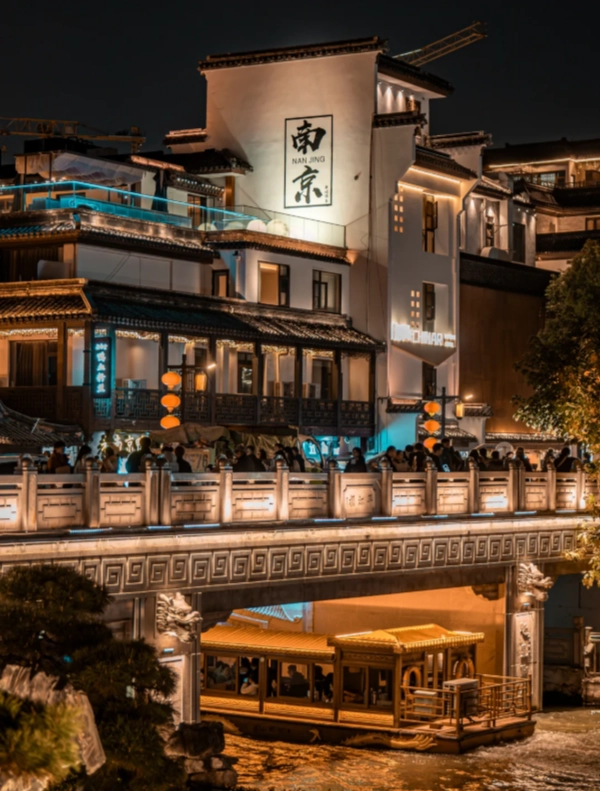
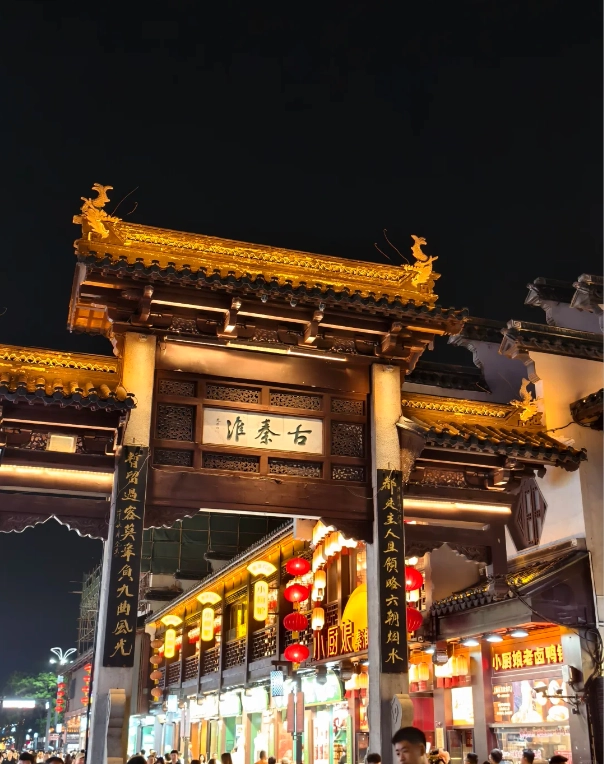
Afternoon (3:00 PM onwards): Confucius Temple (Fuzimiao) & Qinhuai River Scenic Area. This is your gentle introduction. The area is touristy, yes, but it's the historic heart of Nanjing's canal culture. Don't just walk down the main pedestrian street. Instead, head to the Confucius Temple itself (Ticket: 30 RMB, open until 9:00 PM). It's a peaceful contrast to the commercial buzz outside. Afterwards, buy a ticket for the Qinhuai River boat ride (80 RMB, 40 minutes). Do it just before sunset. The light on the traditional architecture is beautiful, and it gives you a perfect orientation of the area.
Evening: Dinner at Lao Men Dong. This is my go-to recommendation for first-night dinner. It's a famous chain, but the food is consistently excellent and the menu has pictures. Address: Multiple locations, but the one at 11 Pingjiangfu Road, near Fuzimiao, is most convenient. What to order: Salted Duck (Nanjing's signature dish), Lion's Head Meatballs, and their crispy sesame pancakes. A meal here runs about 80-100 RMB per person. They accept international credit cards, which is a relief on day one.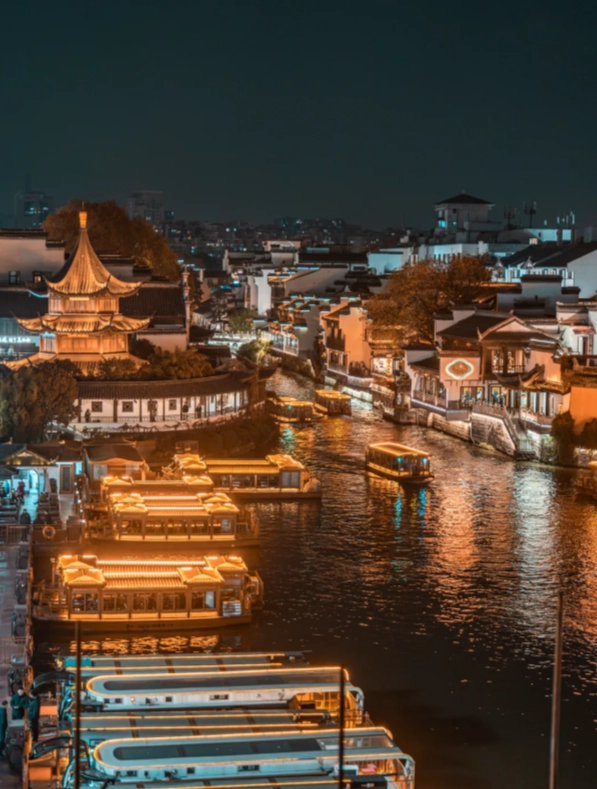
Day 2: The Magnificent Zhongshan Mountain
This is a big walking day, so wear good shoes and pack water. We're tackling the Purple Mountain (Zijin Shan) area, a huge park packed with history. The key is sequence and timing.
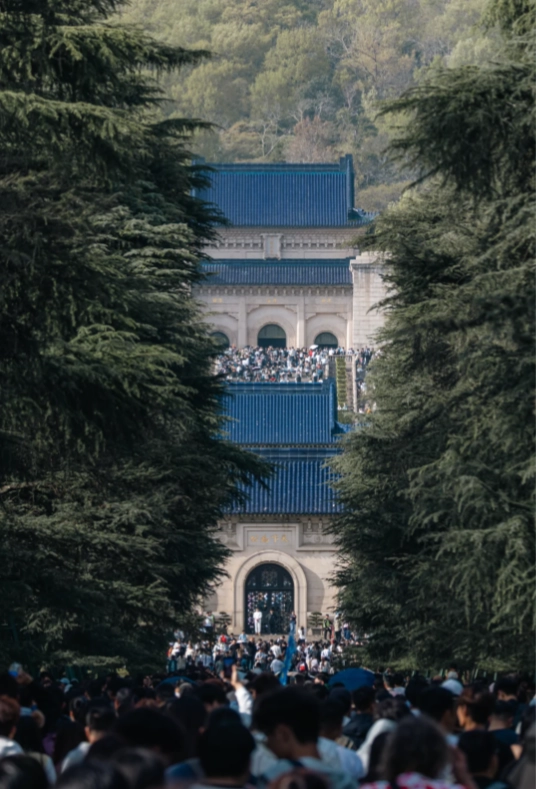
Morning (Start at 8:30 AM): Sun Yat-sen Mausoleum. Take subway Line 2 to Muxuyuan Station, Exit 1. From there, you have two choices: walk 20-25 minutes uphill through the beautiful forest path (my preferred way), or take the scenic area sightseeing bus for 10 RMB. You must book a free timed-entry ticket online in advance via their WeChat mini-program or website. The 392 steps to the top are worth it for the view and the grandeur of the tomb. Get here early to beat the army of domestic tour groups that arrive after 10 AM.
Late Morning (11:00 AM): Ming Xiaoling Mausoleum. It's a 15-minute walk through the Sacred Way, a stunning path guarded by giant stone animals. This is the tomb of the founding emperor of the Ming Dynasty. The atmosphere here is more ancient and mystical than Sun Yat-sen's. Ticket: 70 RMB. You can easily spend 1.5 hours here.
Lunch (1:00 PM): Linggu Temple Area. Walk or take the internal shuttle bus (another 10 RMB) to the Linggu Temple scenic spot. Skip the temple itself (it's a reconstruction) and head straight to Linggu Temple Vegetarian Restaurant inside the park. Their set vegetarian meal (around 60 RMB) is a local secret—healthy, delicious, and a welcome break from meat-heavy fare.
Afternoon (2:30 PM): Choose Your Adventure.
- Option A (History & Views): Climb the Linggu Pagoda (included in the Linggu area ticket, ~35 RMB) for a panoramic view of the entire mountain.
- Option B (Quirky & Fun): Visit the Music Terrace (10 RMB), a short walk away. It's an open-air theater where hundreds of pigeons flock. Buying a 5 RMB bag of corn to feed them makes for surprisingly delightful photos. They're most active in the afternoon.
Day 3: City Walls, Presidential Palace, and a Food Street
Today mixes imperial grandeur, republican-era history, and modern street food.
Morning (9:00 AM): Nanjing City Wall at Zhonghua Gate. This is the best-preserved and most impressive section. Take subway Line 1 to Zhonghuamen Station. The gate complex is massive. Walking on the wall here gives you a real sense of the city's scale. Ticket: 50 RMB. Budget 1.5 hours. Look for the old brick inscriptions—each one tells you which official was responsible for making it, a 600-year-old quality control system.
Late Morning (11:00 AM): Presidential Palace. A 15-minute taxi ride (about 12 RMB) from Zhonghua Gate. This site is a fascinating layer cake of Chinese history: it was a Ming dynasty palace, the office of Sun Yat-sen, and the headquarters of the Nationalist government. The gardens are lovely. Ticket: 35 RMB. It can get crowded; go on a weekday if possible.
Lunch (1:00 PM): Shiziqiao Food Street. Just a 10-minute walk north of the Presidential Palace. This isn't a fancy street; it's where locals go for a quick, delicious, and cheap lunch. Wander and point at what looks good. Must-tries: Nanjing Duck Blood and Vermicelli Soup (鸭血粉丝汤, yā xuě fěn sī tāng) from any busy stall, and pan-fried buns (生煎, shēngjiān). A feast costs under 30 RMB. Most stalls are cash or Alipay/WeChat Pay only, so have some yuan ready.
Afternoon (3:00 PM): Nanjing Museum. A short taxi ride away. This is one of China's best museums, and it's free. You must book a reservation online in advance (their official website has an English interface). Don't try to see everything. Focus on the Jiangsu Province History Hall and the incredible Republic of China Street—a full-size, walkable recreation of 1930s Nanjing. It's air-conditioned heaven on a hot day.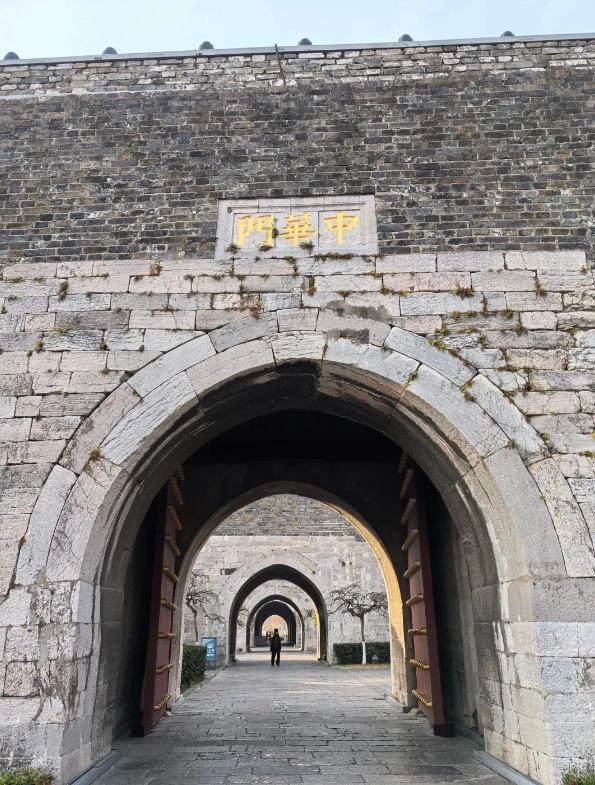
Day 4: The Nanjing Massacre Memorial and a Riverside Escape
A day of emotional weight followed by natural tranquility.
Morning (10:00 AM): Nanjing Massacre Memorial Hall. Take subway Line 2 to Yunjinlu Station. This is a solemn, essential, and deeply moving site. It demands respect. Admission is free, but advance online reservation is mandatory. Plan for at least 2.5 hours here. The exhibits are thorough and harrowing. Photography is restricted in many areas—please observe the signs.
Lunch (1:00 PM): Simple lunch near the memorial. There are a few cafes and simple restaurants in the surrounding malls. Keep it light.
Afternoon (2:30 PM): Yangtze River Cruise from Zhongshan Wharf. Take a taxi to 中山码头 (Zhongshan Wharf). For just 2 RMB, you can take a public ferry across the mighty Yangtze River to Pukou. The 15-minute ride offers fantastic views of the Nanjing Yangtze River Bridge. On the Pukou side, you can walk along the old railway pier for photos, then take the next ferry back. It's a refreshing, local, and incredibly cheap experience.
Late Afternoon (4:30 PM): Xuanwu Lake Park. Taxi to the southern entrance of Xuanwu Lake, near Jiming Temple. This massive lake park is where Nanjing residents come to relax. Rent a pedal boat (about 60 RMB/hour for a 4-seater) or simply stroll along the causeway. The view of the city skyline with the lake and the Ming city wall in the foreground is stunning at dusk.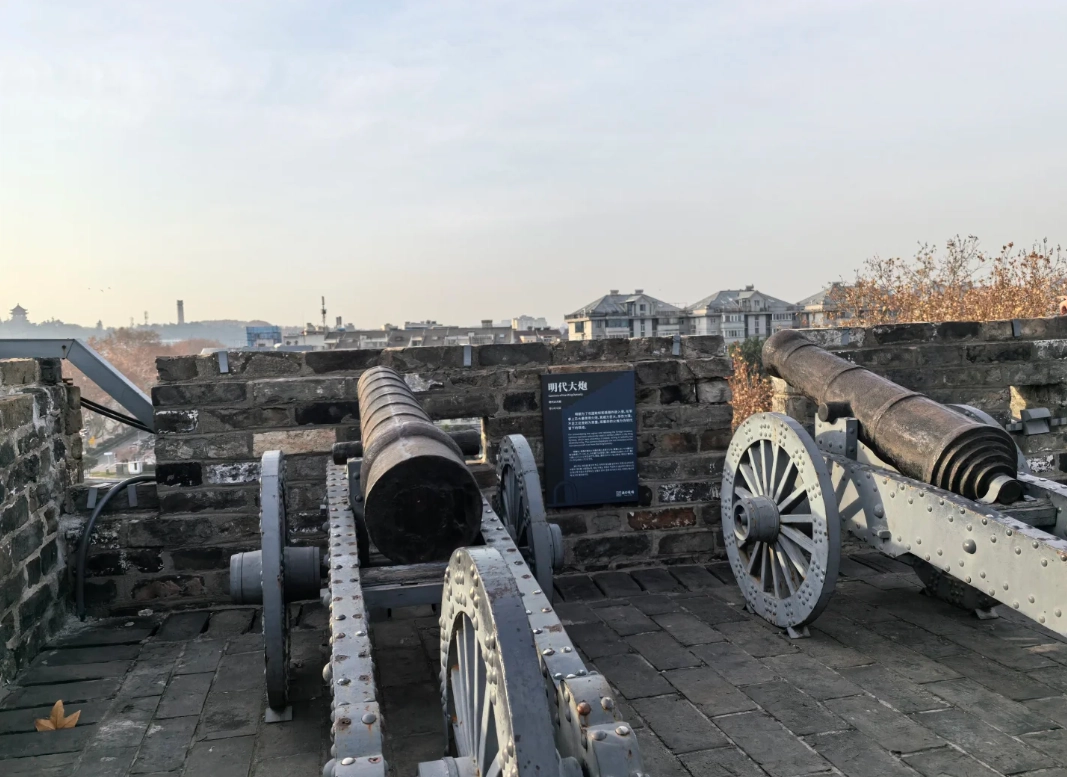
Day 5: Qinhuai River Culture and Departure
Your last day is for deeper exploration of the Qinhuai area and souvenirs.
Morning (9:30 AM): Zhanyuan Garden. A 10-minute walk from the Confucius Temple metro. This is a classical Chinese garden, but quieter and more refined than the bustling Fuzimiao. It was a high-ranking official's mansion. Ticket: 30 RMB. Spend a peaceful hour here.
Late Morning (11:00 AM): Explore Laomendong's Alleys. Right next to Zhanyuan Garden is the Laomendong historical block. Avoid the main commercial street and get lost in the small alleys (like Mao'er Xiang). You'll find independent craft shops, small art galleries, and traditional tea houses. This is where to buy unique souvenirs, not on the main Fuzimiao street.
Final Lunch (1:00 PM): Nanjing Da Paidang. For your last meal, go for the full experience. This restaurant, at 5 Gongyuan Street, is housed in a historic building and serves traditional Nanjing banquet-style food. Order the Jinling Roasted Duck (a sweeter, crispier cousin of Beijing duck) and their Sweet Osmanthus Cake. Budget 120-150 RMB per person. They have an English menu.
Afternoon: Head back to your hotel, collect your luggage, and make your way to the airport or train station. For a late flight, consider leaving your bags at the hotel and visiting the Nanjing Art Museum (free, reservation needed) which is on Line 1, conveniently on the way to the South Railway Station.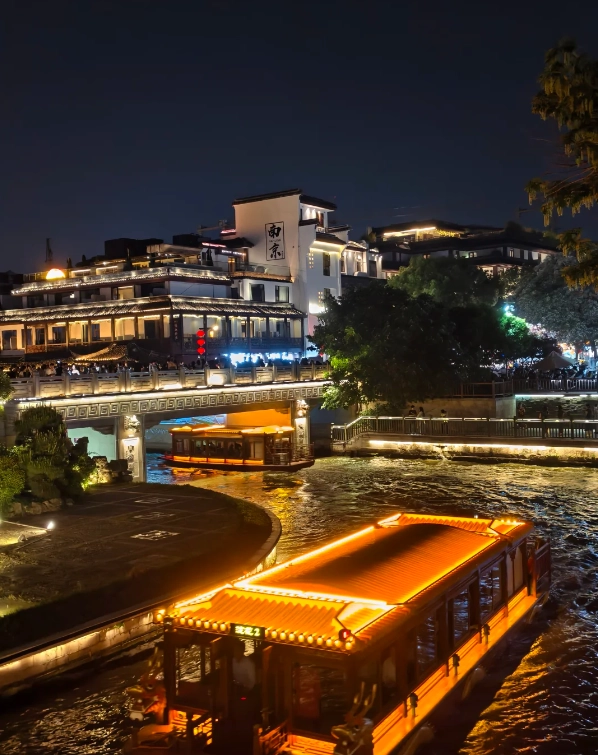
Where to Stay in Nanjing: A Quick Breakdown
| Area | Best For | Pros & Cons | Hotel Example & Price |
|---|---|---|---|
| Xinjiekou | First-timers, shoppers, convenience. | Pros: Central hub of subway lines 1 & 2. Tons of dining/shopping. Cons: Can feel generic and busy. | The Grand Mansion (5-star). ~700 RMB/night. Reliable, great location. |
| Confucius Temple (Fuzimiao) | Atmosphere, nightlife, river views. | Pros: Picturesque, great for evening strolls. Cons: Can be noisy at night, more tourist-trappy restaurants. | GreenTree Inn (3-star, budget). ~250 RMB/night. Basic but clean and super close to the action. |
| Shanghailu / Gulou | Local vibe, cafes, university energy. | Pros: Trendy, leafy streets, great independent cafes. Cons: Slightly farther from some major sites. | Nanjing University Hotel (3-star). ~400 RMB/night. Simple, quiet, surrounded by bookshops. |
Getting Around Nanjing: Your Transportation Cheat Sheet
Subway: The best way to travel. Clean, efficient, and signs are in English. Use the Alipay app to scan and pay at the gates (set up the "Metro" card in the app before you go).
Taxi/Didi: Readily available and affordable. A cross-city trip rarely exceeds 40 RMB. Use the Didi app (China's Uber) for easier hailing; it has an English interface and accepts international cards.
Public Bikes: The green/blue shared bikes are everywhere. You'll need a Chinese SIM card and Alipay/WeChat with a local payment method to unlock them. For short trips under 2km, they're perfect.
Walking: Many central areas are very walkable. Use Google Maps (with a VPN) or Apple Maps for navigation.
FAQs: Your Nanjing Itinerary Questions Answered
Is this 5-day Nanjing itinerary too packed?
It's full, but designed with pacing in mind. Each day has a logical geographic flow to minimize backtracking. The afternoons often have lighter, optional activities. If you're a slower traveler, you could easily drop one site per day (e.g., skip the Music Terrace on Day 2, or Zhanyuan Garden on Day 5) and still have a rich experience. The key is the early starts to beat crowds at major sites.
What's the best season for this Nanjing itinerary?
Hands down, autumn (late September to November). The weather is crisp, the skies are clear, and the ginkgo trees on Purple Mountain turn a brilliant gold. Spring (April-May) is a close second, but can be rainy. Avoid the summer (June-August) if you can—Nanjing is famously one of China's "Three Furnaces" and the heat and humidity can make extensive walking miserable. Winter is cold but dry, and you'll have the sites almost to yourself.
 I'm worried about payment. Do I need cash?
You need a mix. For subway, taxis (if using Didi), and most chain restaurants, Alipay/WeChat Pay linked to an international credit card works. However, for small food stalls, market vendors, and some entrance tickets at smaller sites, cash (Chinese Yuan) is still king. Withdraw about 500-800 RMB from an ATM when you arrive. Major hotels and upscale restaurants will accept Visa/MasterCard.
How difficult is it to book the required tickets online in advance?
It's gotten much easier. For the Sun Yat-sen Mausoleum and Nanjing Museum, look for their official English websites or use the travel platform Trip.com, which allows foreign credit card bookings for many Chinese attractions. For the Nanjing Massacre Memorial, their official website has an English booking section. Do this a few days before your visit, as slots, especially for free sites, can fill up.
Is Nanjing easy for English speakers?
Easier than smaller cities, harder than Shanghai. In tourist areas (Confucius Temple, major museums), you'll find some English signs. Hotel staff usually speak basic English. For everything else, have a translation app ready (like Google Translate with camera function). Learn a few key phrases: "Nǐ hǎo" (Hello), "Xièxie" (Thank you), and "Zhège duōshǎo qián?" (How much is this?). A smile goes a long way.
This article is based on my personal experience guiding hundreds of international visitors through Nanjing over the past ten years. Details like opening hours and prices are checked regularly, but always verify on official sites before your visit as policies can change.





No comments yet.