 Fang Wang
After ten years of guiding tourists through Nanjing, I can tell you this: most visitors rush the Qinhuai River, hop on a crowded boat, snap a few photos, and leave. They miss the soul of it. The river isn't just a waterway; it's where Nanjing's history whispers from every bridge and lantern-lit alley. Let me show you how to experience it properly—without the hassle.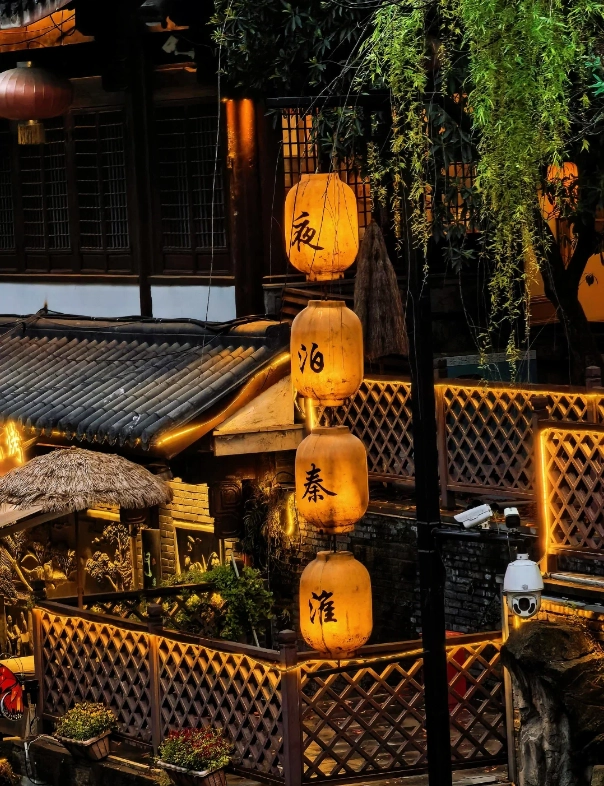
What's Inside This Guide
- Why the Qinhuai River is More Than a Boat Ride
- Getting to the Qinhuai River: Your Transport Cheat Sheet
- The Qinhuai River Boat Tour: What Guidebooks Don't Tell You
- Walking the Banks: Top Spots and Hidden Corners
- Eating Along the Qinhuai: Where Locals Actually Go
- When to Visit and How to Beat the Crowds
- Practical Advice for a Smooth Visit
- Your Qinhuai River Questions Answered
Why the Qinhuai River is More Than a Boat Ride
Think of the Qinhuai River as Nanjing's living museum. It dates back over 1,800 years, once serving as a bustling trade route and the epicenter of literati culture. Today, it's split into inner and outer sections—the inner river around Fuzimiao (Confucius Temple) is where the action is, but the outer stretches offer quiet escapes. I've seen tourists zip through in an hour, but to truly get it, you need to slow down. The magic happens at dusk, when lanterns glow and the crowds thin.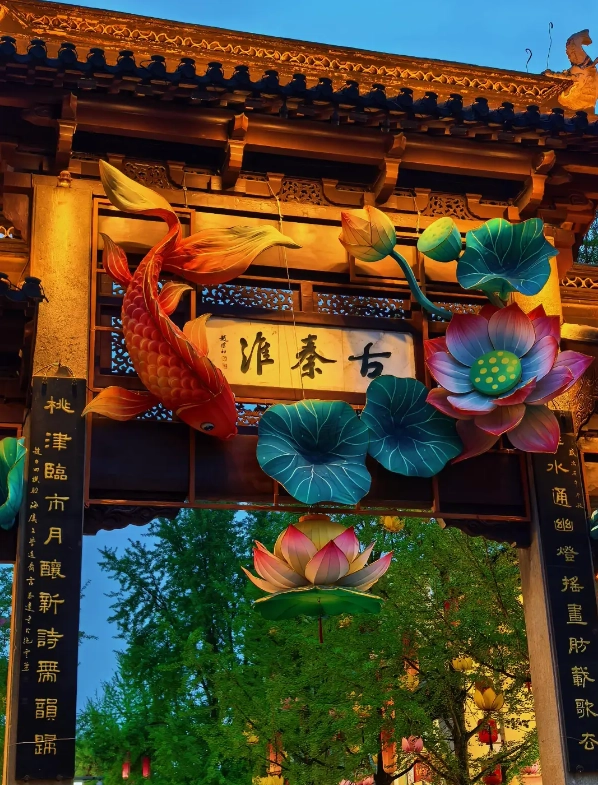
Getting to the Qinhuai River: Your Transport Cheat Sheet
Most visitors head to the Fuzimiao area, the main hub. Here's how to nail the logistics.
By Metro: The Easiest Way
Take Nanjing Metro Line 1 or 3 to Fuzimiao Station. Exit 3 is your best bet—it spills you right onto Gongyuan Street, a five-minute walk to the riverfront. Watch for the smell of roasting chestnuts near the exit; that's your cue you're close. The metro runs from 6 AM to 11 PM, costing about 3-5 RMB per trip. Avoid taxis during rush hour (7-9 AM and 5-7 PM); traffic here crawls.
By Bus or Taxi
Buses like routes 1, 4, and 7 stop near Fuzimiao. But honestly, I rarely recommend them—they're slower and confusing for newcomers. Taxis are fine if you're coming from afar, but insist the driver uses the meter. From Nanjing South Railway Station, it's a 30-minute taxi ride costing around 40 RMB. Pro tip: Use DiDi (China's Uber) for easier booking, but have your hotel address in Chinese handy.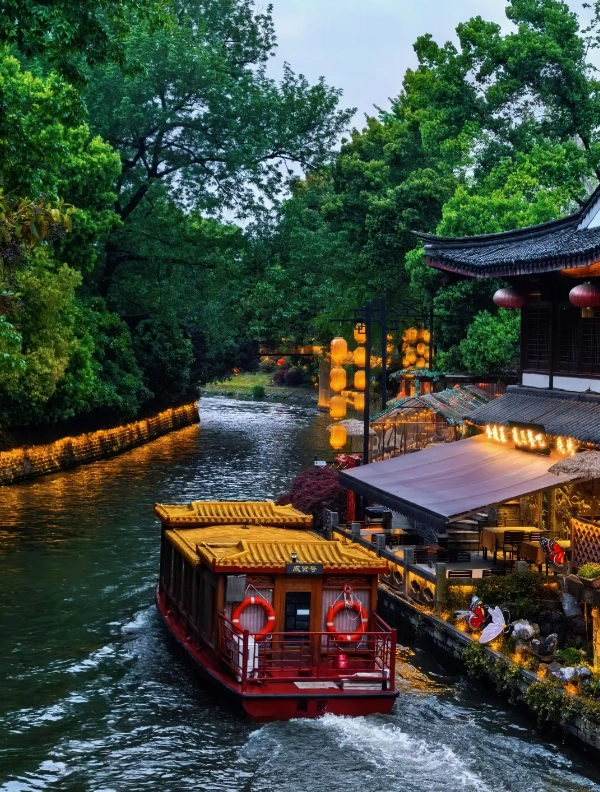
The Qinhuai River Boat Tour: What Guidebooks Don't Tell You
Yes, you should do the boat tour. But not all tours are equal. Here's the breakdown from someone who's ridden these boats dozens of times.
| Tour Type | Duration | Price (Adult/Child) | Best For | Booking Tip |
|---|---|---|---|---|
| Daytime Cruise | 40 minutes | 80 RMB / 40 RMB | History buffs, clear photos | Buy on-site; no need to pre-book |
| Night Lantern Cruise | 50 minutes | 100 RMB / 50 RMB | Romantic views, atmosphere | Pre-book via WeChat mini-app "Nanjing Fuzimiao" to skip lines |
| Private Boat | 1-2 hours | 300-500 RMB per boat | Families, small groups |
The boats depart from multiple piers along the inner river. The main pier is near Confucius Temple Square—look for the red lanterns. Boarding starts from 9 AM to 9:30 PM, but the last boat leaves at 10 PM. I always tell my groups: go for the night cruise around 7 PM. That's when the lanterns light up, but before the post-dinner rush. The daytime cruise is quieter, but the scenery lacks that magical glow.
One thing nobody mentions: the audio guide on board is in Chinese only, with basic English subtitles. If you want context, download a translation app or hire a local guide for an hour (costs about 150 RMB). Also, the boats can get stuffy in summer; choose a seat near the open windows.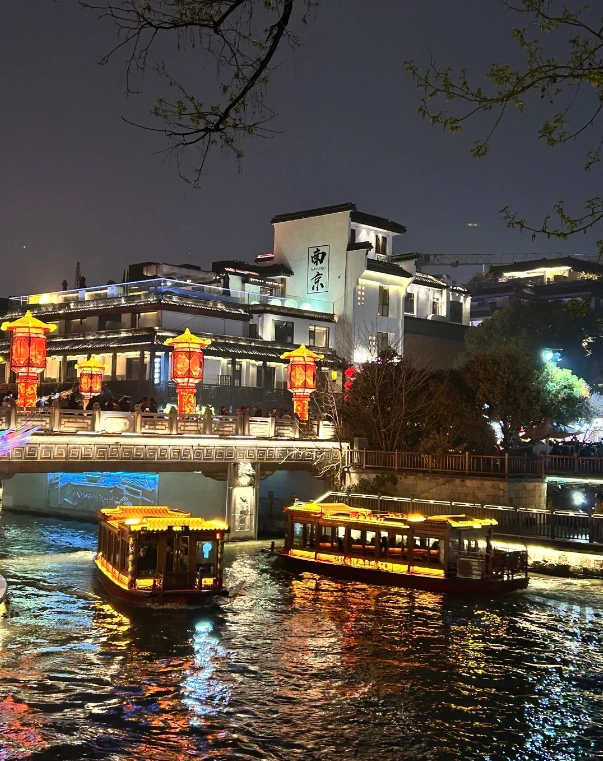
Walking the Banks: Top Spots and Hidden Corners
Skip the crowded main paths. Here's my curated walk, starting from Fuzimiao Station.
Confucius Temple (Fuzimiao)
Address: 1 Gongyuan Street, Qinhuai District, Nanjing. Open 8:30 AM to 9 PM, last entry at 8:30 PM. Ticket: 30 RMB for adults, free for kids under 1.2m. You don't need to pre-book, but scan the QR code at the entrance for a digital guide. Spend 45 minutes here—the architecture is Ming-style, but the real gem is the exhibition on imperial exams. Go early, around 8:30 AM, to have the courtyards to yourself.
Zhonghua Gate Fortress
A 15-minute walk south from Fuzimiao. Address: 321 Zhonghua Road. Open 8 AM to 6 PM (5 PM in winter). Ticket: 50 RMB. This is the largest ancient city gate in China, and most tourists overlook it. I love bringing clients here for the panoramic views from the top. The stone steps are steep, so wear comfy shoes.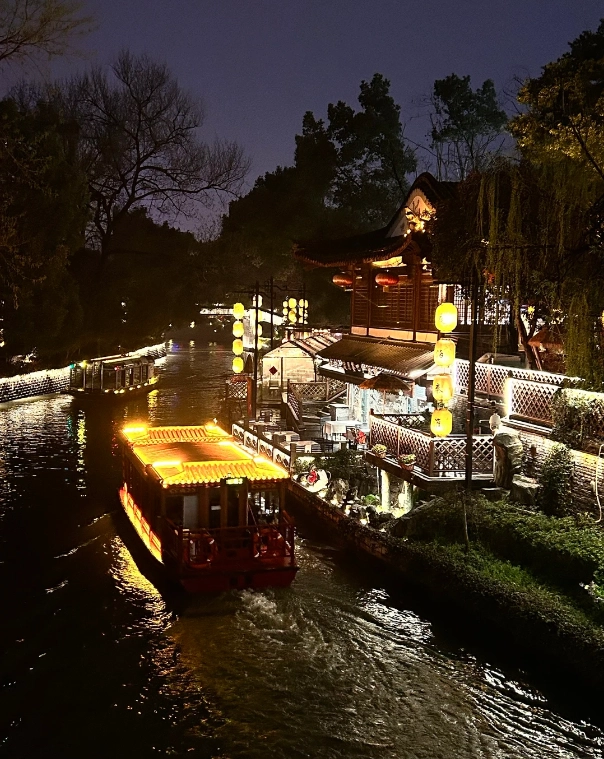
Hidden Gem: Laomendong Historical Street
Tucked behind the main tourist drag, this alley has preserved Qing-era houses. No ticket needed; it's free to wander. Find it by heading west from Confucius Temple for 10 minutes. The best time is late afternoon, when the sun casts long shadows on the grey bricks. There's a tiny tea shop at No. 45—their osmanthus tea is my go-to after a long day.
Eating Along the Qinhuai: Where Locals Actually Go
The food stalls near the river are hit-or-miss. Many are overpriced and tailored for tourists. For authentic flavors, venture a block or two away.
Jiangsu Cuisine at Deji Restaurant: Address: 2 Pingjiangfu Road. This place has been around for decades. Try their sweet-and-sour mandarin fish (about 120 RMB) and lion's head meatballs (60 RMB). They have an English menu and accept credit cards. Dinner for two costs around 200-300 RMB. It gets packed at 7 PM; I usually book a table via phone (+86 25 8662 3456).
Street Food Must-Try: Look for the stall "Auntie Wang's Tanghulu" near the bridge on Zhanyuan Road. She sells candied hawthorns for 10 RMB each—a perfect sweet snack. Cash only, and she's there from 10 AM to 8 PM.
If you're vegetarian, most restaurants offer simple veggie dishes, but specify "su shi" (vegetarian). For halal options, there's a small Muslim quarter near Ganxi Road, about a 10-minute walk from the river.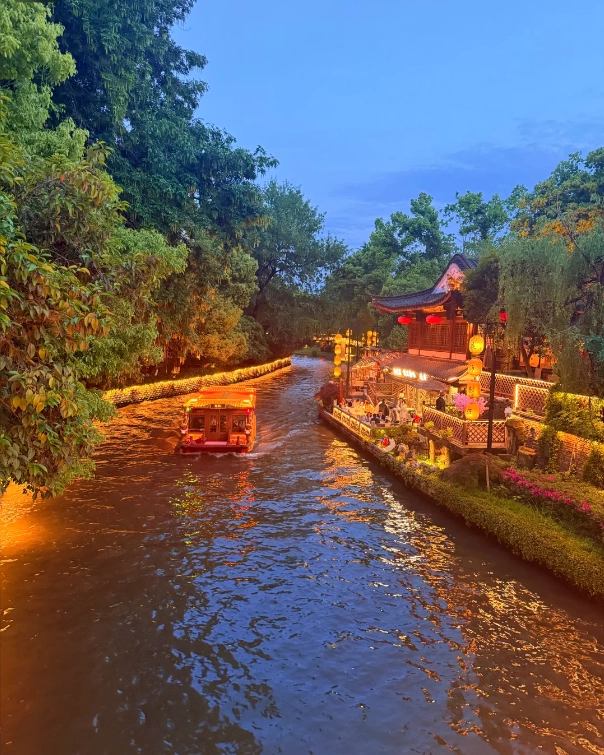
When to Visit and How to Beat the Crowds
Spring (April-May) and autumn (September-October) are ideal—weather is mild, around 20°C. Summer is hot and humid, with temperatures hitting 35°C; visit early morning or evening. Winter can be chilly, but the lantern festival in January lights up the river beautifully.
Crowds peak on weekends and Chinese holidays. My strategy: arrive on a weekday, start at Confucius Temple at 8:30 AM, then do the boat tour at 11 AM (before lunch crowds). For photos, the best light is from 4 PM to 6 PM—the sun sets behind the bridges, creating golden hues. Avoid midday; the light is harsh and shadows ruin shots.
If it rains, don't cancel. Head to the Nanjing Museum (a 20-minute taxi ride) or cozy up in a teahouse like Chunhui Teahouse on Taiping Road. They serve tea for 50 RMB per person, with English-speaking staff.
Practical Advice for a Smooth Visit
- Money: Bring cash for small vendors. Most restaurants and ticket booths accept Alipay/WeChat Pay, but international cards work at larger hotels and some shops.
- Language: Basic English is understood at major attractions, but download Google Translate for offline use. Learn a few phrases like "duo shao qian?" (how much?) and "xie xie" (thank you).
- Safety: The area is safe, but watch for pickpockets in crowded spots. Keep your bag in front.
- Restrooms: Public toilets are near every major attraction, but they're often busy. Use the ones in restaurants or the Confucius Temple complex—they're cleaner.
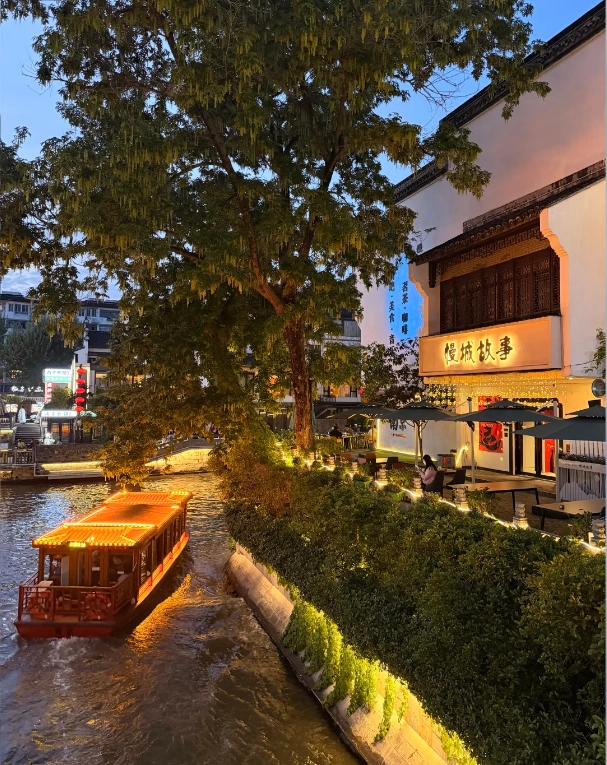
Local Secret: On the east bank, there's a small park called Bailuzhou Park. Locals practice tai chi here at dawn. It's free, peaceful, and offers a unique view of the river waking up. I take my early-bird clients here for a quiet moment before the tourists arrive.
Your Qinhuai River Questions Answered
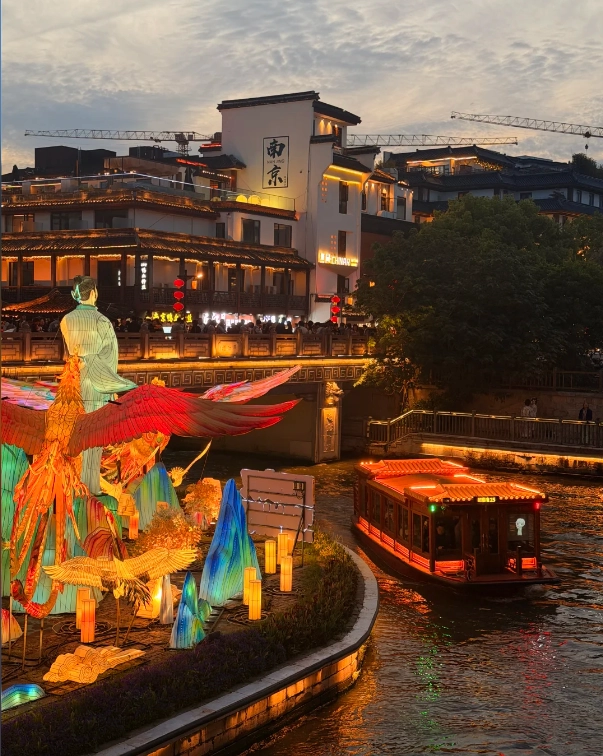 This article has been fact-checked based on my decade of guiding in Nanjing. The Qinhuai River changes subtly each year, but its charm endures. Pack comfortable shoes, curiosity, and these tips—you'll see more than just a river.





No comments yet.