 Yan Zhou
Let me be honest. Most online itineraries for Nanjing try to cram in everything. They turn your vacation into a forced march. After a decade of guiding families and solo travelers here, I've learned the secret isn't seeing more; it's seeing it better. This 3-day plan is the one I give my friends. It balances the heavyweight history with quiet lanes, serious food, and enough breathing room so you actually remember the trip.
The goal? You leave feeling you understood Nanjing, not just checked it off a list.
Your Quick Trip Navigator
Day 1: The Mountain of History
We start big. Purple Mountain (Zijin Shan) is a massive park area packed with mausoleums and tombs. It's a full-day outing, but most visitors make one critical mistake: they go in the wrong order and fight the crowds all day.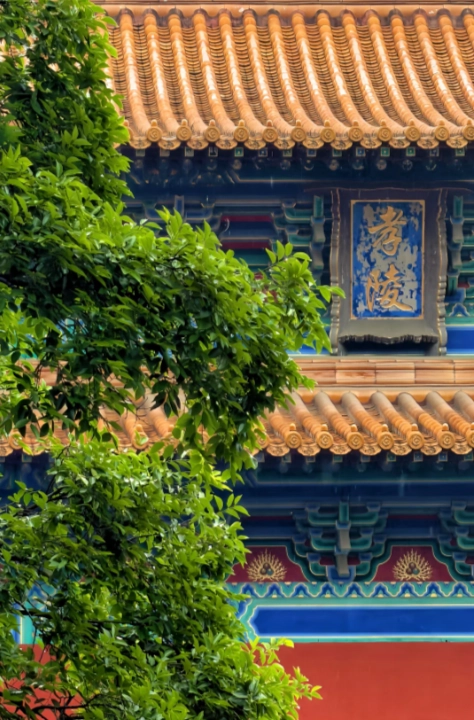
Morning (9:00 AM - 12:30 PM): The Ming Xiaoling Mausoleum
Start here. It's the tomb of the Hongwu Emperor, founder of the Ming Dynasty. The approach is a kilometer-long Spirit Way lined with giant stone statues of animals and generals. It's serene in the morning light. I love watching the mist cling to the stone elephants.
- Tickets & Booking: Entrance is 70 RMB (about $10). No need for advanced booking. Buy at the gate. The ticket includes entry to the Plum Blossom Hill area, which is gorgeous if you're here in late February/early March.
- Getting There: Take Metro Line 2 to Muxuyuan Station. Leave from Exit 1. You'll see the signs. It's a 15-minute walk or a quick 5-minute taxi ride (around 12 RMB) to the west gate entrance. I usually walk—it sets the pace.
- Pro Tip: The tomb mound itself is a huge earth tumulus you can't enter. The real magic is the Spirit Way. Don't rush it. The best photos are about halfway down, looking back towards the entrance with the statues receding into the trees.
Lunch Break (12:30 PM - 1:30 PM)
Exit Ming Xiaoling and walk 10 minutes towards the main mountain road. You'll find a cluster of small local restaurants. Look for one with pictures on the menu. Order a simple bowl of Lu Rou Fan (braised pork over rice) or tomato and egg noodles. It'll cost 25-35 RMB. It's fuel, not a feast—save your appetite.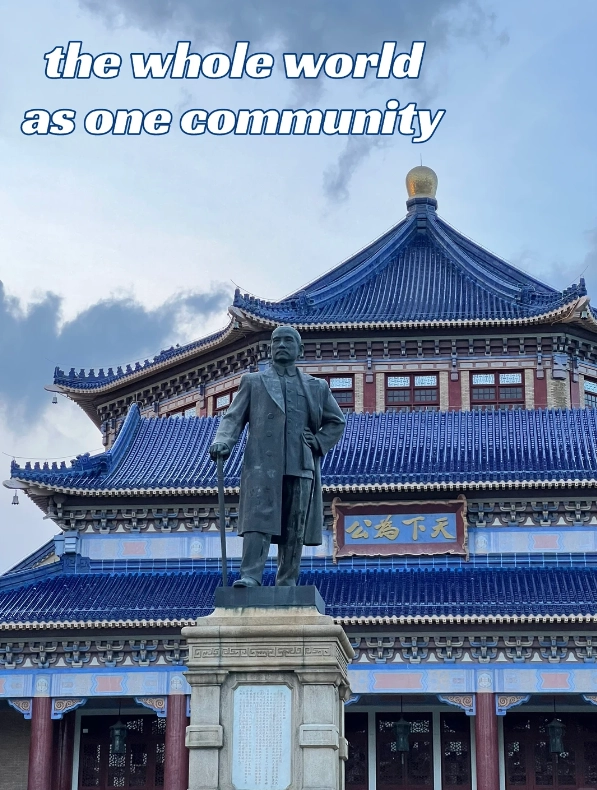
Afternoon (1:30 PM - 4:30 PM): Sun Yat-sen Mausoleum & Linggu Temple Area
Now, walk or take the internal sightseeing bus (10 RMB) to the Sun Yat-sen Mausoleum. By afternoon, the big tour groups are heading out. You'll still have people, but it's manageable.
- Tickets & Booking: THIS IS CRITICAL. The mausoleum itself is free, but you MUST reserve a time slot in advance via their official WeChat mini-program. It often fills up by midday. Do this the night before your visit. No reservation, no entry. The nearby Linggu Temple area (which includes the stunning Beamless Hall) requires a separate ticket (35 RMB), bought on-site.
- The Climb: It's 392 steps to the top. Take your time. The view over Nanjing is worth it. The architecture is solemn and powerful.
- I've seen too many sunburned tourists here. There's minimal shade on the steps. Bring a hat, water, and sunscreen.
After descending, explore the peaceful Linggu Temple area. The Beamless Hall (Wuliang Dian) is an entirely brick-vaulted Ming dynasty marvel with no wooden beams. It's cool, quiet, and most people skip it.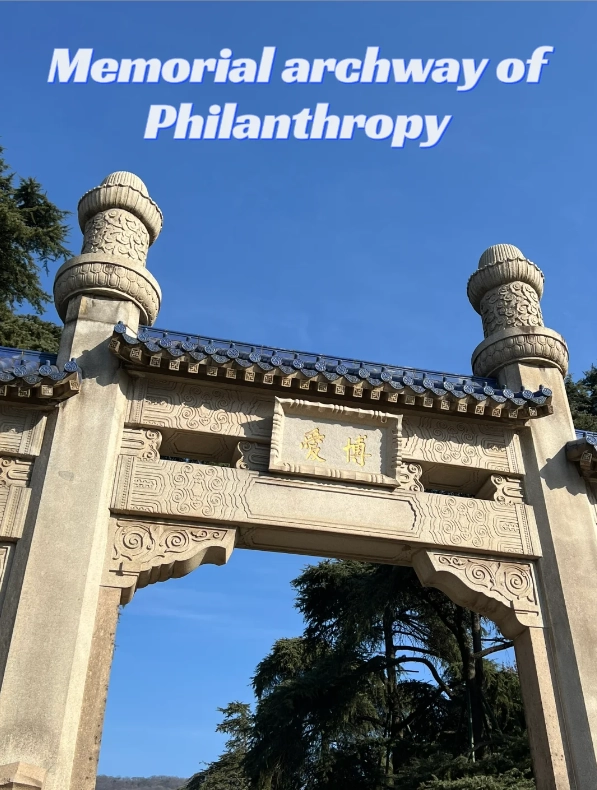
Evening (5:30 PM onwards): Deji Plaza & Xinjiekou
You'll be tired. Head back to the city center. Take a taxi from the mountain (about 30-40 RMB) or bus to Xinjiekou, the central commercial hub. Deji Plaza is a massive mall. Go to its lower levels for a huge, clean, and efficient food court. It's perfect for overwhelmed travelers. You can point at models of dishes from dozens of cuisines. A great, low-stress first dinner.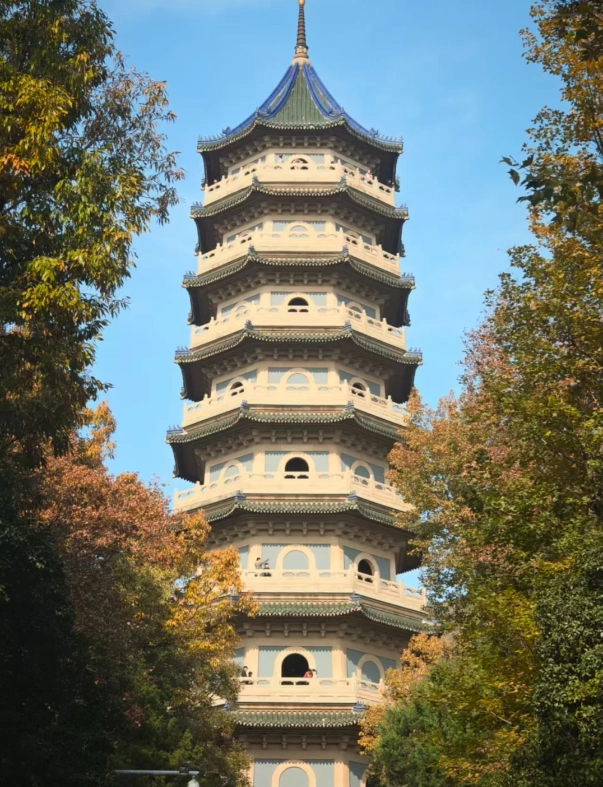
Day 2: Museums, Monuments, and Night Markets
Today mixes grand scale with intimate lanes. We'll cover centuries of history, then dive into the lively chaos of old Nanjing.
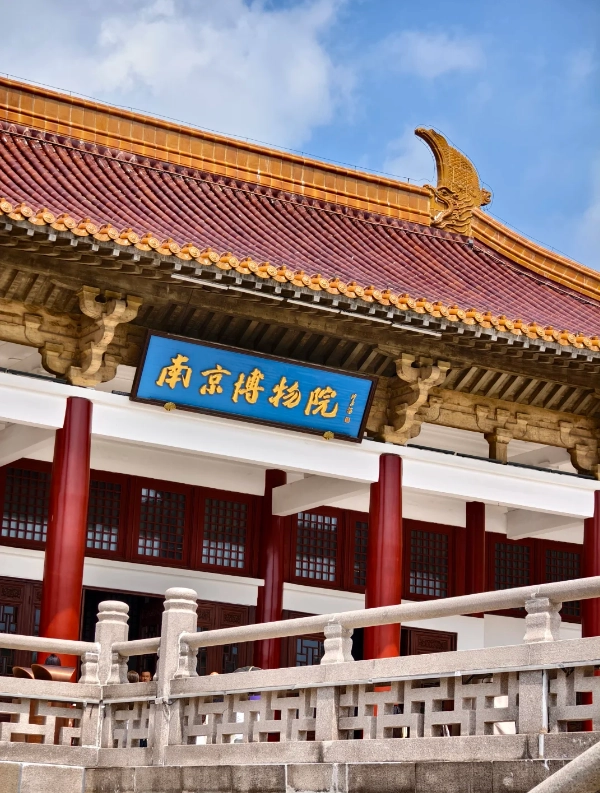
Morning (9:00 AM - 12:30 PM): Nanjing Museum
Not to be confused with the Nanjing Municipal Museum. This is the Jiangsu Provincial one, one of China's largest. It's superb, air-conditioned, and free.
- Tickets & Booking: Free entry. Reservation is required via their official website or WeChat. Book 1-7 days in advance. Use your passport number. They scan the QR code at the entrance.
- Getting There: Metro Line 2 to Minggugong Station, Exit 1. Straight ahead 5 minutes.
- Strategy: Don't try to see it all. You'll get museum fatigue. I always recommend two sections: The Jiangsu Ancient Civilization Hall (ground floor) for the stunning gold, jade, and pottery finds. Then head to the incredible Republic of China (1912-1949) Street in the underground hall. It's a full-scale, immersive recreation of old Nanjing streets—you can walk into period shops and homes. It's unique and fascinating.
- Allow 2.5 to 3 hours.
Lunch (12:30 PM - 1:30 PM): Local Lunch near Museum
Exit the museum and walk 10 minutes east along Zhongshan East Road. You'll find local noodle and dumpling shops. Look for a place called **Jiuxiangqiao** (it has red signage)—their pork and crab soup dumplings (Xiaolongbao) are a local favorite. Budget 40-50 RMB per person.
Afternoon (1:45 PM - 4:30 PM): Presidential Palace
This complex tells the turbulent story of modern China, serving as the headquarters for the Taiping Heavenly Kingdom, the Qing dynasty governors, and Sun Yat-sen's provisional government. It's more gardens and offices than a palace, but the layers of history are palpable.
- Tickets: 35 RMB. Buy at the gate. No need for advance booking on weekdays. Weekends can be busy.
- Getting There: From lunch, it's a short 10-minute walk or one metro stop (Line 2 to Daxinggong, Exit 5).
- Guiding Yourself: The English signage is decent. Follow the numbered route. Don't miss the beautiful West Garden at the back—it's a classic Chinese garden and a peaceful escape.
Late Afternoon & Evening (5:00 PM onwards): Confucius Temple (Fuzimiao) Area
Take Metro Line 3 from Daxinggong to Fuzimiao Station. This area is touristy, yes. But it's also the historic heart of the city, and at night, with the lights on the Qinhuai River, it's magical.
This is your dinner spot. Head to the legendary Nanjing Da Pai Dang. There's a massive one here. It's a theatrical, noisy experience with traditional decor and staff in period costume. They serve all the Nanjing classics in one place. You must try:
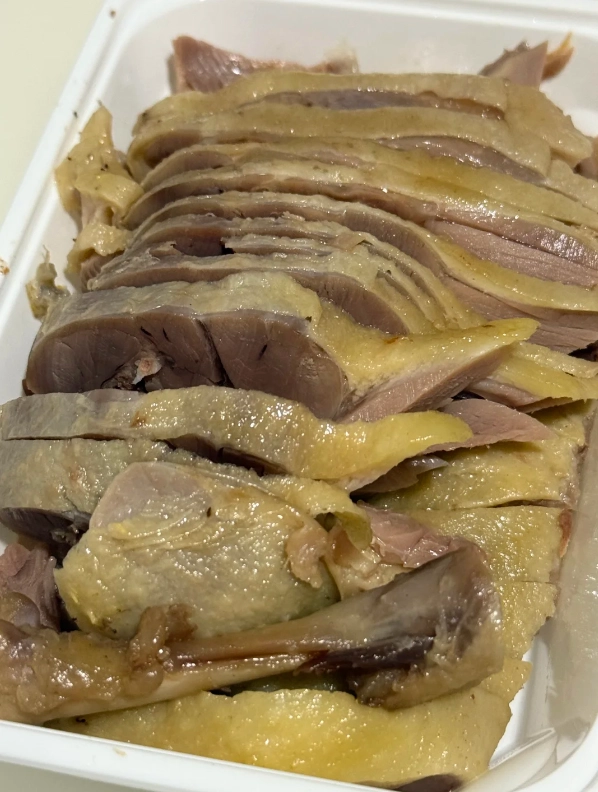
- Saltwater Duck (Yanshui Ya): Nanjing's most famous dish. It's cold, savory, and not too salty.
- Sweet Osmanthus Cake (Guihua Gao): A sticky, fragrant dessert.
- Lion's Head Meatballs (Shizi Tou): Giant, tender pork meatballs in a broth.
Expect to wait 20-40 minutes for a table. Put your name on the list and wander the river. Meal cost: 80-120 RMB per person. They have an English picture menu.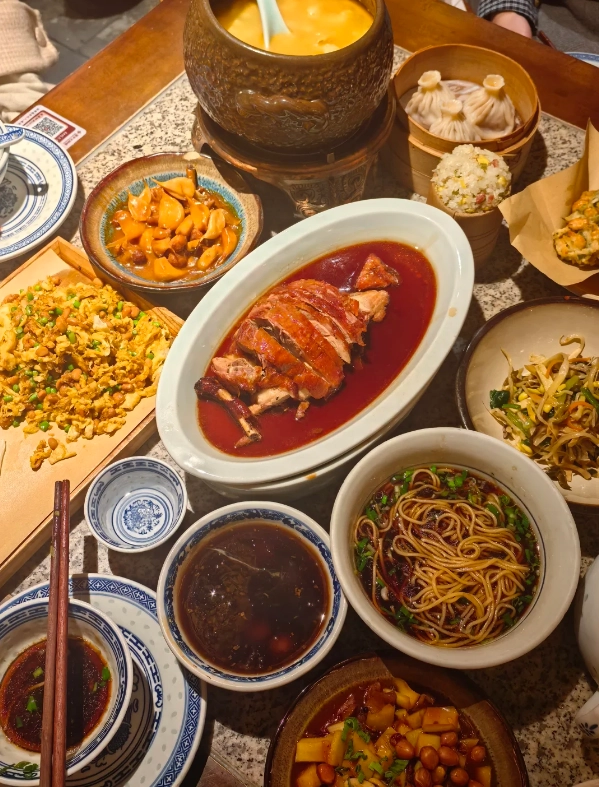
Day 3: Walls, Lakes, and Local Vibes
Your last day is about perspective and local life. We'll walk on the ancient city wall, relax by a lake, and explore a creative hub.
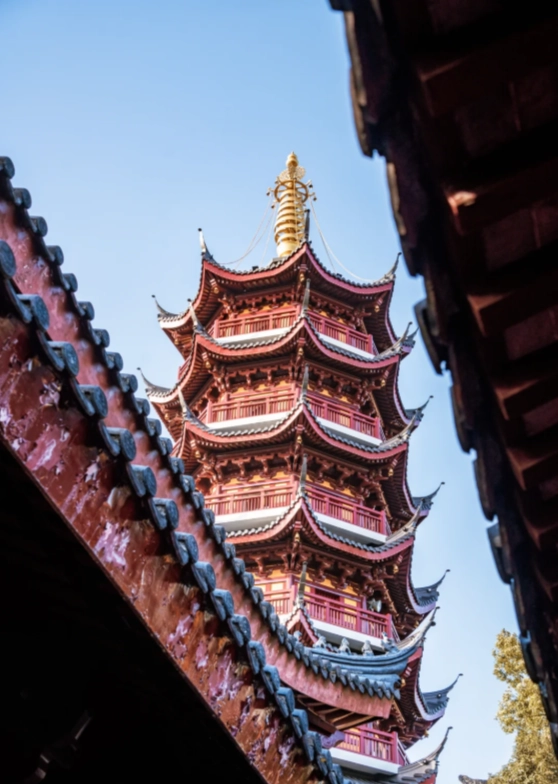
Morning (9:00 AM - 11:30 AM): Nanjing City Wall at Jiming Temple Section
Nanjing had the longest city wall in the world. The best-preserved, most scenic section is near Jiming Temple, overlooking Xuanwu Lake.
- Tickets: 30 RMB to walk the wall. Buy at the gate.
- Getting There: Metro Line 3 or 4 to Jimingsi Station. Leave from Exit 4. You'll see the temple's bright yellow walls. The wall entrance is right next to it.
- The Walk: Climb up and walk south (to your right). You'll get breathtaking views of the lake on one side and the modern city skyline on the other. The bricks have inscriptions from the makers—a quality control system from 600 years ago. You can walk as far as you like; turning back after 30-45 minutes is plenty.
Late Morning (11:30 AM - 1:00 PM): Xuanwu Lake Park
Descend from the wall and enter Xuanwu Lake Park (free). It's a massive, lovely park where locals do tai chi, dance, and stroll. Rent a paddle boat (about 60-80 RMB per hour) if you like, or just walk the lakeside path towards the city. It's a perfect, peaceful contrast to the previous days' intensity.
Lunch & Afternoon (1:00 PM - 4:00 PM): Hunan Road & Wutaishan Area
Walk north out of the park's west gate. You're near Hunan Road, a famous food street. For lunch, skip the chains and find Li Ji Qingzhen Guan near the intersection of Hunan Road and Zhongyang Road. It's a no-frills institution for the best pot-sticker dumplings (Guotie) and beef soup in town. It's loud, crowded, delicious, and cheap (25-40 RMB). Pay at the counter first, get a ticket, then hand it to the server.
After lunch, take a short taxi ride (about 15 RMB) or bus to the Wutaishan area. This is where you'll find the Pioneer Bookstore (Wutaishan Main Store) in an underground former parking garage. It's an architectural wonder—often called China's most beautiful bookstore. Even if you don't buy books, it's a stunning place to wander, have a coffee, and soak in the creative atmosphere. It's a side of Nanjing most tourists never see.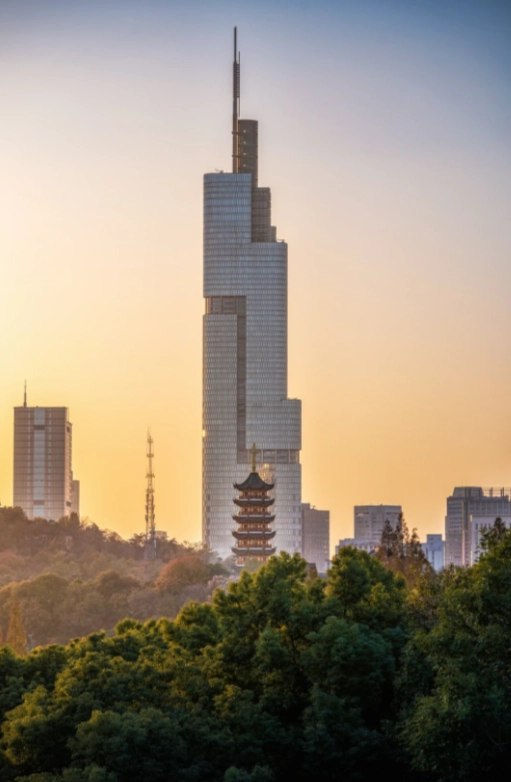
Your Final Evening
Your last night depends on your energy. For a final great meal, head to the Shizi Qiao (Lion Bridge) area, a food street loved by locals. Or, if you're near Xinjiekou, find a hot pot restaurant. Dipping Nanjing's saltwater duck into a spicy broth is an experience.
Where to Stay in Nanjing
Location is everything. Here’s my breakdown based on who you are.
| Area | Best For | Pro & Con | My Suggestion |
|---|---|---|---|
| Xinjiekou / Fuzimiao | First-timers, convenience lovers, foodies. | Pro: Central, best metro access, tons of dining/shopping. Con: Can be noisy, less local character. | The Zen Hotel (Fuzimiao): Quiet oasis right in the buzz. Modern, great service. ~500 RMB/night. |
| Shanghailu / Nanjing University Area | Budget travelers, students, those wanting local vibe. | Pro: Lively university area, cheap eats, cool cafes. Con: Further from some sights, older hotels. | Nanjing University Hotel: Basic but clean, fantastic location for street food. ~300 RMB/night. |
| Gulou (Drum Tower) | Peace seekers, families, easy access to Purple Mountain. | Pro: Green, quieter, close to mountain & university. Con: Fewer metro lines, need taxis more. | Jinling Hotel: A historic luxury landmark. Impeccable service, old-world charm. ~800+ RMB/night. |
The Nanjing Food Survival Guide
Beyond the big names, here’s how to eat like you know a thing or two.
- Must-Try Dishes:
- Saltwater Duck (Yanshui Ya): The king. Eat it cold as an appetizer. Jin Hongxing is a famous old-brand shop (multiple locations) to buy vacuum-packed to take home.
- Duck Blood and Vermicelli Soup (Yaxue Fensi Tang): Sounds wild, tastes incredible. Savory, spicy broth with chunks of congealed duck blood (tastes like firm tofu), duck organs, and vermicelli. Wang Hongxing on Pingjiangfu Road is iconic.
- Pan-Fried Dumplings (Guotie/Shengjian): Crispy bottom, juicy pork inside. Li Ji (mentioned above) is the spot.
- Sweet Osmanthus Treats: The city flower is in everything in autumn—cakes, sweet soups (Tangyuan), even wine.
- Payment: Have Alipay or WeChat Pay set up. Most small, good places do not accept international credit cards. Larger restaurants like Nanjing Da Pai Dang and hotels do. Carry some cash (a few hundred RMB) as a backup.
- Ordering: If there's no English menu, use the "point at other people's food" method or a translation app. Smile. It usually works.
Your Nanjing Trip FAQs Answered
What's the best time of year for this Nanjing itinerary?
Is the public transport easy for foreigners?
I only have one day in Nanjing. What's the absolute can't-miss?
How do I handle needing to book tickets in advance without a Chinese phone number?
Is Nanjing a walkable city?
This plan works. I've used variations of it for years with everyone from history professors to families with teenagers. It respects your time, your feet, and your curiosity. Nanjing is a city that reveals itself in layers—imperial, republican, modern. This three-day journey lets you peel back a few of the most important ones.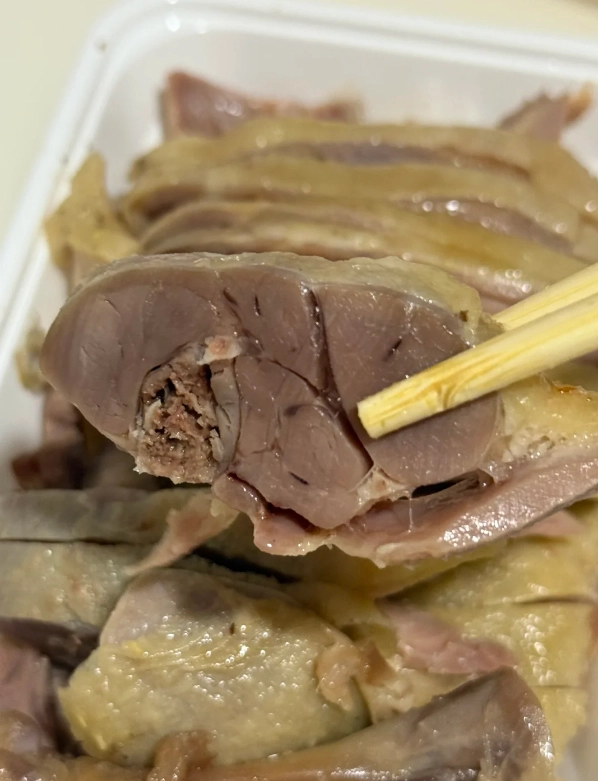
Go, explore, and eat some duck for me.
This article is based on firsthand experience guiding in Nanjing. Details regarding ticketing and transport were accurate at the time of writing.





No comments yet.