 Yan Zhou
I've been guiding foreign travelers around China for over a decade, and Hangzhou is a city I keep coming back to. It's beautiful, yes, but most online guides send everyone to the same crowded spots at the same time. That's a recipe for frustration, not the serene, poetic experience you're dreaming of. My goal here is simple: to give you the actionable, nitty-gritty details I share with my own tour groups. We'll cover how to actually *experience* Hangzhou, not just tick boxes.
Your Quick Navigation
West Lake Unpacked: A Strategy, Not Just a Walk
Everyone tells you to visit West Lake. Few tell you how. Showing up at noon on a weekend and walking aimlessly is the biggest mistake I see. The lake is massive—its perimeter is about 15km. You need a plan.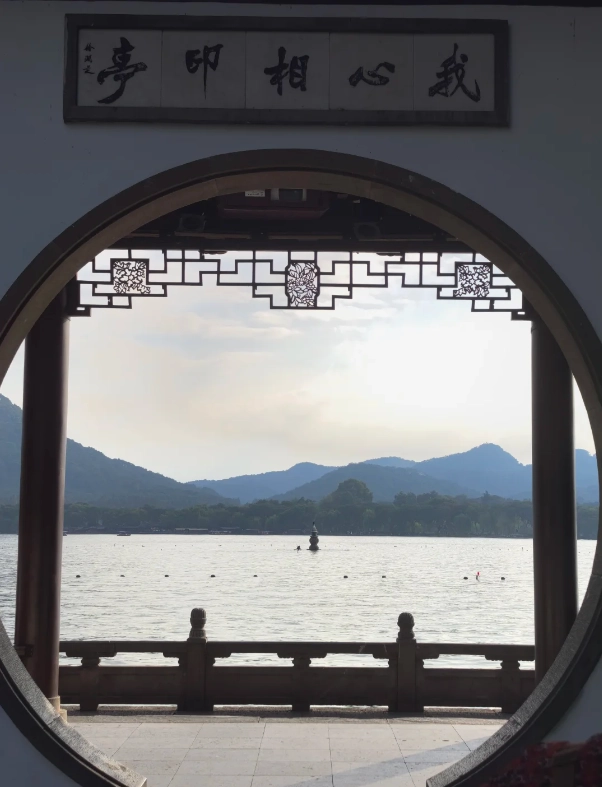
The Core Strategy: Divide and Conquer. Don't try to walk the whole thing. Focus on one or two iconic sections. My top recommendation for first-timers is the area around Broken Bridge (Duan Qiao) and Bai Causeway. It's postcard-perfect.
West Lake Essentials
Address & Entry: The lake is an open public park. No ticket, no walls. The main access points are around Hubin Road.
Getting There: Take Metro Line 1 to Longxiangqiao Station, Exit C. Walk south for 5 minutes and you'll hit the lakeside. For Broken Bridge, get off at Fengqi Road Station, Exit C1, and walk 10 minutes north.
Best Time: Sunrise (6-7 AM) is magical and nearly empty. Late afternoon (after 4 PM) offers golden light and fewer tour groups. Avoid weekends if you can.
Must-Do: Take a hand-rowed boat. Skip the big electric ferries. Look for the small wooden boats near the shores of Broken Bridge or Su Causeway. They cost about 150-180 RMB per boat (fits 4-6 people) for a 50-minute ride to the Three Pools Mirroring the Moon islet. Pay the boatman directly. It's the single best way to feel the lake's tranquility.
I once took a family from Chicago out at sunrise. The water was like glass, with only the sound of the oars. That's the memory you want, not fighting for a photo on a packed causeway.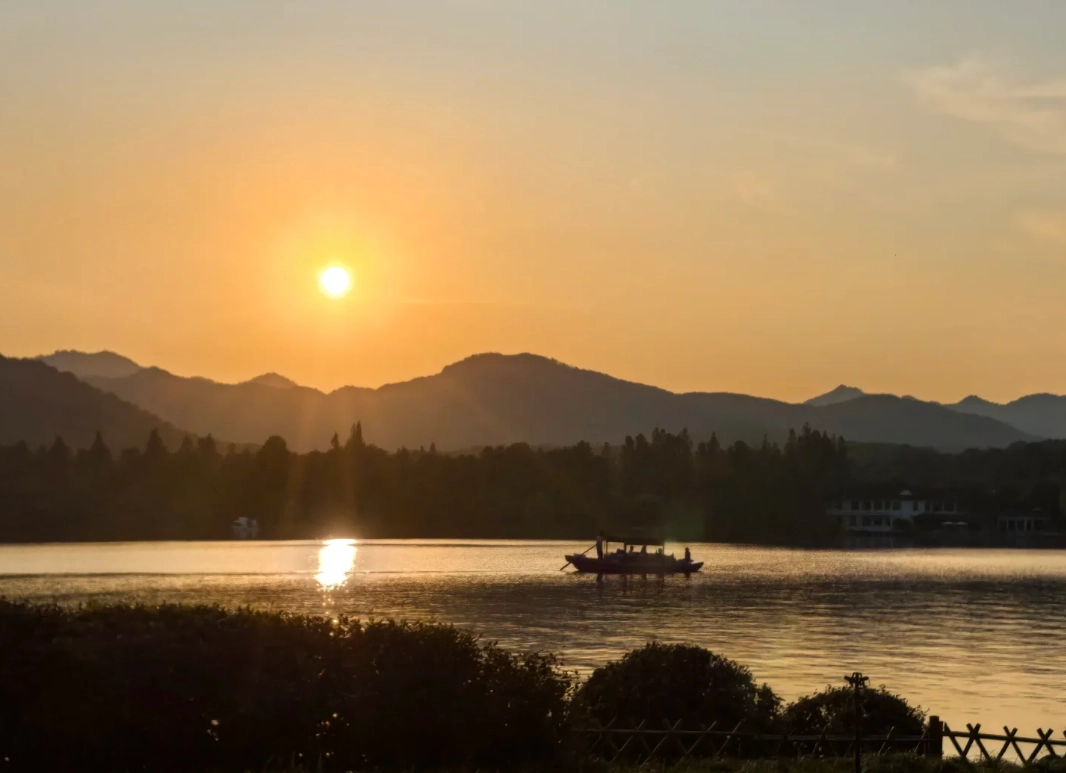
Beyond the Lake: Temples, Tea & Timeless Streets
If you only see the lake, you've missed half of Hangzhou. These are the places where the city's soul lives.
Lingyin Temple (Temple of the Soul's Retreat)
This is a major Buddhist temple complex carved into a hillside. It's stunning, but it's also China's second-busiest temple. Here's how to navigate it.
- Tickets & Timing: You need two tickets. First, a 45 RMB park entry ticket (covers the Feilai Feng grottoes). Then, a 30 RMB ticket to enter the main temple halls. Buy them together at the main entrance. You must book online in advance via their official WeChat mini-program or platforms like Trip.com. Walk-ups are often turned away, especially on weekends.
- Getting There: Take Metro Line 1 to Longxiangqiao, then catch bus No. 7. The ride is about 25 minutes. Get off at the terminus "Lingyin". Taxi from the lake area is about 25 RMB.
- Pro Move: Enter right at 6:30 AM when it opens. You'll have an hour of peaceful exploration before the crowds descend. Head straight to the main Great Hall to see the 24-meter-tall camphorwood Buddha statue in quiet reverence.
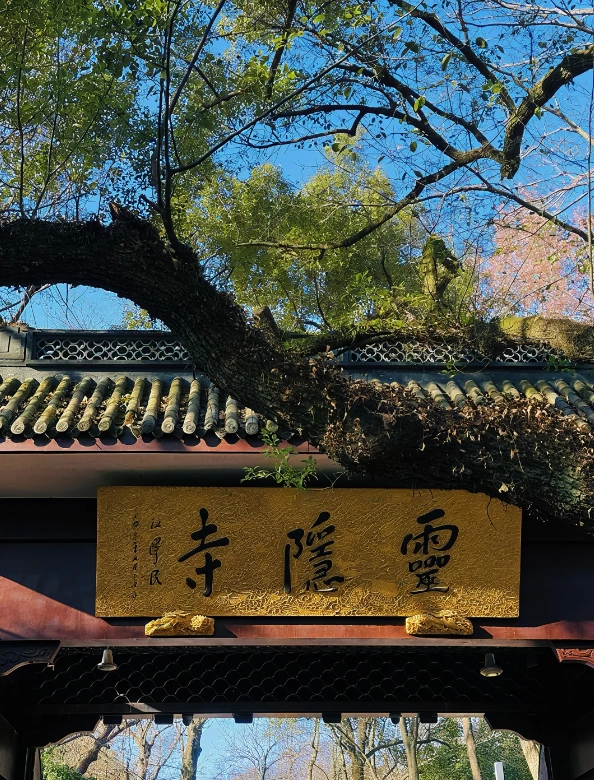
Longjing (Dragon Well) Tea Plantations
Visiting a tea village is a highlight, but the area around the official "Dragon Well Village" can feel commercialized. For a more authentic feel, go to Meijiawu Tea Village. It's a bit further out but feels like a real community.
Take bus No. 27 from near Yuewang Temple. Ask the driver for "Meijiawu". Once there, any family with a sign that says "茶" (tea) will likely invite you in for a tasting. A basic tasting of a few tea grades costs around 50 RMB per person. They'll show you how to properly brew Longjing tea. You're not obligated to buy, but if you like it, buying directly from the farmer ensures quality. Expect to pay 600-1200 RMB per jin (500g) for decent spring tea.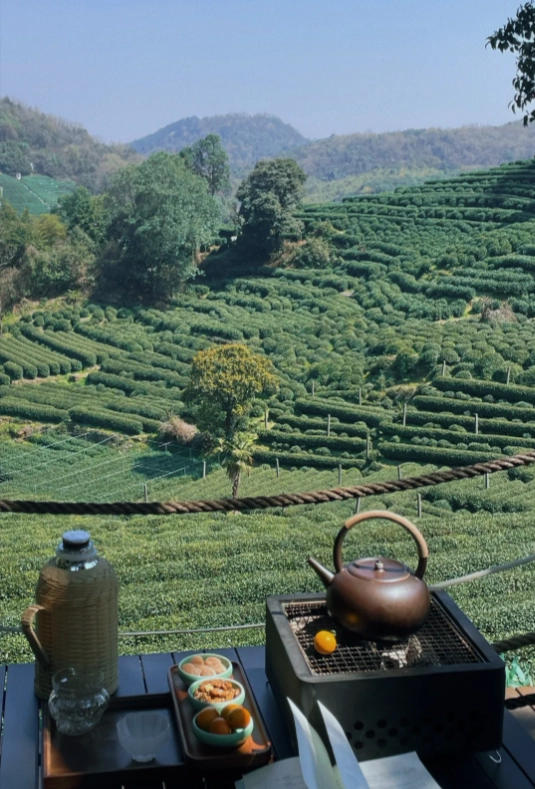
Hefang Street (Ancient Street)
Yes, it's touristy. But it's also fun if you know what to look for. Skip the generic souvenir shops. Head for:
- Zhang Xiaoquan Scissors Museum Shop: This 400-year-old brand makes incredible, razor-sharp scissors and knives. A unique, functional souvenir.
- Traditional Sugar Painting Stalls: Watch artists pour molten sugar into intricate shapes. It's edible art.
- Best Time to Go: Late afternoon, flowing into evening. The lanterns light up, and the crowds thin out a bit after dinner.
Hangzhou Food: Where & What to Eat (Without the Tourist Trap)
Hangzhou cuisine is one of China's Eight Great Traditions. It's known for freshness, subtle sweetness, and beautiful presentation. Avoid the overpriced lakeside restaurants with picture menus.
| Dish | What It Is | Where to Try It (My Go-To Spots) | Notes & Tips |
|---|---|---|---|
| Dongpo Pork | Slow-braised, melt-in-your-mouth pork belly in a savory-sweet soy sauce. | Zhiweiguan (multiple locations). Their Hubin Road branch is reliable. Address: 83 Renhe Road. | One portion is huge, perfect for sharing. It's rich—a few bites per person is enough. They have an English menu. |
| West Lake Vinegar Fish | Fresh grass carp in a sweet, sour, and slightly sticky sauce. | Lou Wai Lou (30 Gushan Road). The iconic restaurant on Solitary Hill. Book a window table in advance (+86 571 8796 9023). | The classic experience, but pricey. Go for lunch, not dinner, for better value. Expect to pay 200+ RMB per person. |
| Longjing Shrimp | Stir-fried river shrimp with fresh Dragon Well tea leaves. | Xin Bai Lu (2-6 Hubin Road). A local chain with consistent quality. | The tea leaves are edible! They have a slight, pleasant bitterness. A must-try for tea lovers. |
| Beggar's Chicken | Whole chicken stuffed, wrapped in lotus leaves and clay, then baked. | Many good restaurants have it. I like the version at Grandma's Home (Waipojia), a popular local chain. | They crack the clay at your table. It's a show. The meat is incredibly tender and fragrant. Order 30 minutes ahead. |
For a quick, cheap, and delicious local breakfast, find a street vendor selling congyoubing (scallion pancake) or xiaolongbao (soup dumplings). The area around Ding'an Road Metro Station has several good local joints.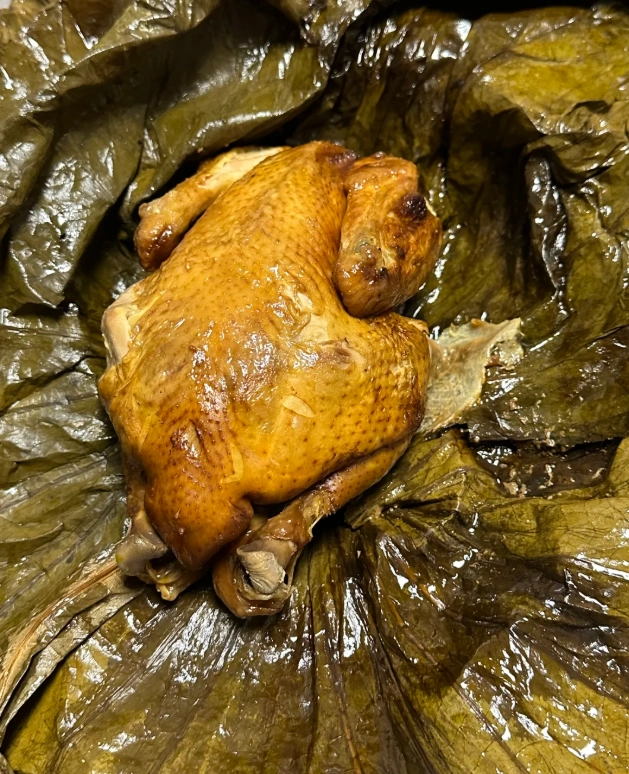
Building Your Itinerary: From 24 Hours to 3 Days
If You Only Have 24 Hours (The Power Blitz)
This is tight but doable if you're strategic.
Morning (7 AM - 12 PM): Start at West Lake (Broken Bridge area) for sunrise and a morning stroll. By 8:30 AM, take a taxi to Lingyin Temple. Spend 2 hours there.
Afternoon (12:30 PM - 5 PM): Taxi to Longjing Village/Meijiawu for a tea tasting and light lunch (many tea farms serve simple noodle dishes). Around 3 PM, head back towards the city and walk the Qinghefang Ancient Street area.
Evening (6 PM onwards): Early dinner at Zhiweiguan for Dongpo Pork. Then, take an evening boat cruise on West Lake (a different vibe entirely) before you leave.
The Perfect 3-Day Hangzhou Immersion
Day 1: The Iconic Core. Deep dive into West Lake. Morning walk on Bai Causeway, visit Solitary Hill, take the hand-rowed boat. Afternoon, explore the China National Silk Museum (free, world-class, and a great indoor option if it rains). Evening at Hefang Street.
Day 2: Culture & Nature. Morning at Lingyin Temple and the Feilai Feng grottoes. Afternoon in a tea plantation (Meijiawu). Learn to pick tea leaves (in season) or just enjoy the hills.
Day 3: The Local Beat. Visit the Hangzhou Arts & Crafts Museum cluster near the canal. Explore the Xiaohe Street Historical Block—less touristy than Hefang, with cool cafes and boutiques in old houses. Have a farewell feast at a local restaurant like Xin Bai Lu.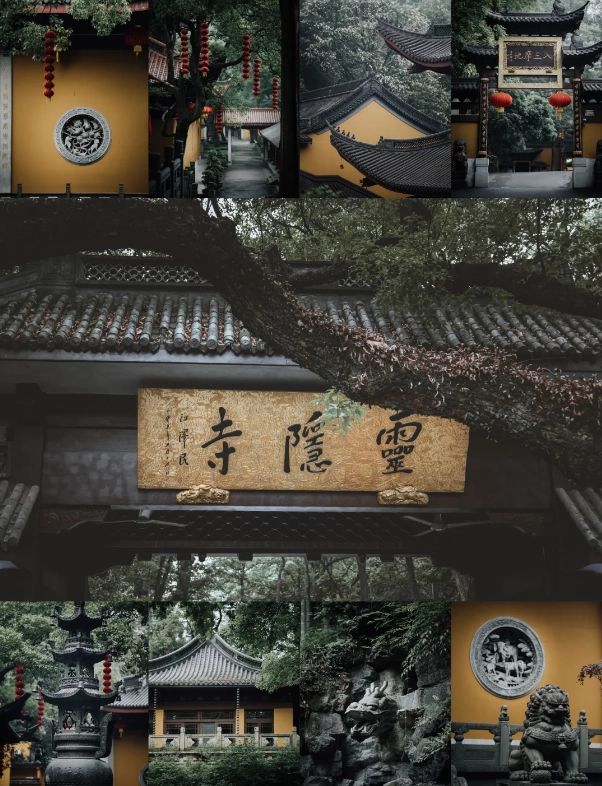
Hangzhou FAQ: Your Burning Questions Answered
Hangzhou isn't a city you just see; it's one you need to feel. It's in the quiet of a morning tea plantation, the first bite of perfectly braised pork, and the gentle rock of a wooden boat. Ditch the checklist, use these local strategies, and you'll find the poetry that's made this place famous for a thousand years.
This guide is based on my countless trips there with clients from all over the world. The details have been fact-checked for accuracy. Now go make your own memories.






No comments yet.