 Yan Zhou
Let's be honest. Most online guides to Hangzhou tell you to go to West Lake, Lingyin Temple, and maybe a tea village. They're not wrong, but they leave you with a massive puzzle: how do you actually string these places together without wasting half your day in traffic or standing in lines? I've been guiding international groups here for over a decade, and I've seen every planning mistake in the book. This isn't just another list of attractions. This is your executable battle plan for experiencing Hangzhou's magic efficiently, affordably, and away from the worst of the crowds. We're going to build a route that flows logically, saves your energy, and reveals the city's quieter, more authentic corners.
Your Quick Route Map
The Essential Two-Day Hangzhou Itinerary
Two full days is the sweet spot. You can cover the iconic sights without a mad rush. The golden rule? Group by geography. Don't zigzag across the city. Day 1 focuses on the West Lake eastern shore and its connected cultural sites. Day 2 heads west to the tea plantations and spiritual sites. Here’s the high-level view.
| Day | Morning Focus | Afternoon Focus | Evening Vibe |
|---|---|---|---|
| Day 1 | West Lake East Shore (Hubin Walk, Boat to Mid-Lake Pavilion) | Leifeng Pagoda, Nanshan Road Art | Hefang Street & Qinghefang Historic Block |
| Day 2 | Longjing Tea Plantations (Meijiawu Village) | Lingyin Temple & Feilai Feng Grottoes | Xixi National Wetland Park (or Relax) |
Day 1: West Lake & Cultural Core
Start early. I mean it. 8:00 AM at the latest. Head to the Hubin area (metro Line 1 to Longxiangqiao, Exit D). This is the city-side promenade. It's peaceful in the morning, packed by noon. Walk north towards the Broken Bridge (Duanqiao). Don't expect a broken bridge—it's named for winter snow melting unevenly on it. It's a classic photo spot, but the view looking back towards the city skyline is better.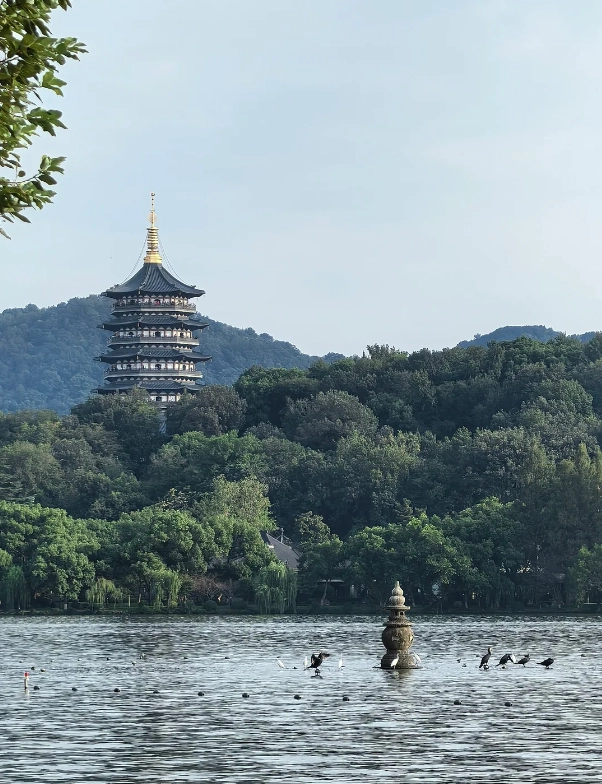
After returning by boat, grab a taxi or DiDi (about ¥15) to Leifeng Pagoda. Here's my non-consensus take: Don't go up the pagoda. The lines for the elevator are soul-crushing, and the view from the top is just okay. Instead, walk around the base of the hill to the south side, across the street. There's a small, free viewing platform that gives you the perfect, postcard shot of the pagoda with the lake behind it. You just saved yourself ¥40 and an hour.
Lunch nearby? Skip the tourist traps on Nanshan Road. Duck into the alleys behind it. I often take groups to Zhiweiguan at No. 8-10 Yanggongdi. It's a proper restaurant with an English picture menu. Their Dongpo Pork is decent, and the West Lake Vinegar Fish is a safe introduction. Expect ¥80-120 per person.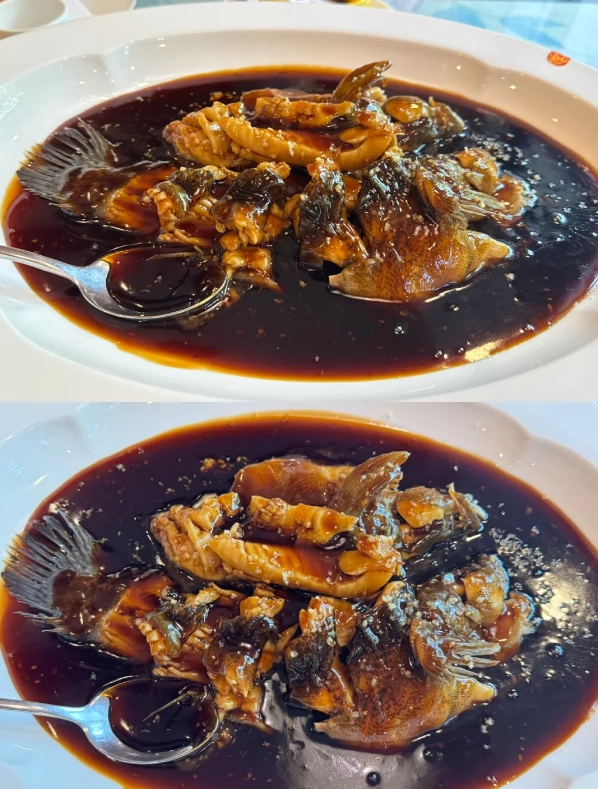
Afternoon: The Quieter Side of Culture
From Leifeng, walk along Nanshan Road. It's lined with galleries, cafes, and willow trees. It feels a world away from the hubin buzz. Your destination is the Hefang Street (Qinghefang Historic Block) area. Don't go down the main tourist drag of Hefang Street immediately—it's a souvenir gauntlet. Instead, enter from the southern side, near the Southern Song Imperial Street Museum (free, open until 4:30 PM). It's an excavated archaeological site right under glass floors, and barely anyone goes in. It sets the historical context perfectly.
Day 2: Tea, Temples, and Local Vibes
Today we head west. For the authentic tea experience, avoid the commercialized Longjing village near the temple. Go to Meijiawu Tea Village. Take bus 103 from the downtown area (get off at "Meijiawu") or a taxi (¥40-50 from West Lake). Arrive by 9 AM. The mist still hangs over the terraces, and you can see pickers at work (spring and autumn are best). You can walk into the plantations for free. Many farmhouses offer tea tasting for about ¥30-50—they'll show you how to properly brew Longjing. It's a sales pitch, but it's a relaxed, educational one.
From Meijiawu, a short taxi ride (¥15) brings you to the back side of Lingyin Temple. Here's the biggest crowd-avoidance trick in Hangzhou: Do NOT enter from the main, grand southern entrance. The ticket hall there is chaos. Have your driver take you to the North Peak (Beigaofeng) cable car station. Buy the combo ticket (¥80) which includes the Feilai Feng grottoes and temple entry. Take the cable car up to the North Peak first (¥30 one-way). The view over the entire temple complex and West Lake is staggering. Then, walk down the hill. This route puts you at the top of the Feilai Feng grottoes, allowing you to walk down past the hundreds of ancient Buddhist carvings (from the 10th-14th centuries) at your own pace, finishing at the temple itself. You've reversed the flow of 95% of visitors.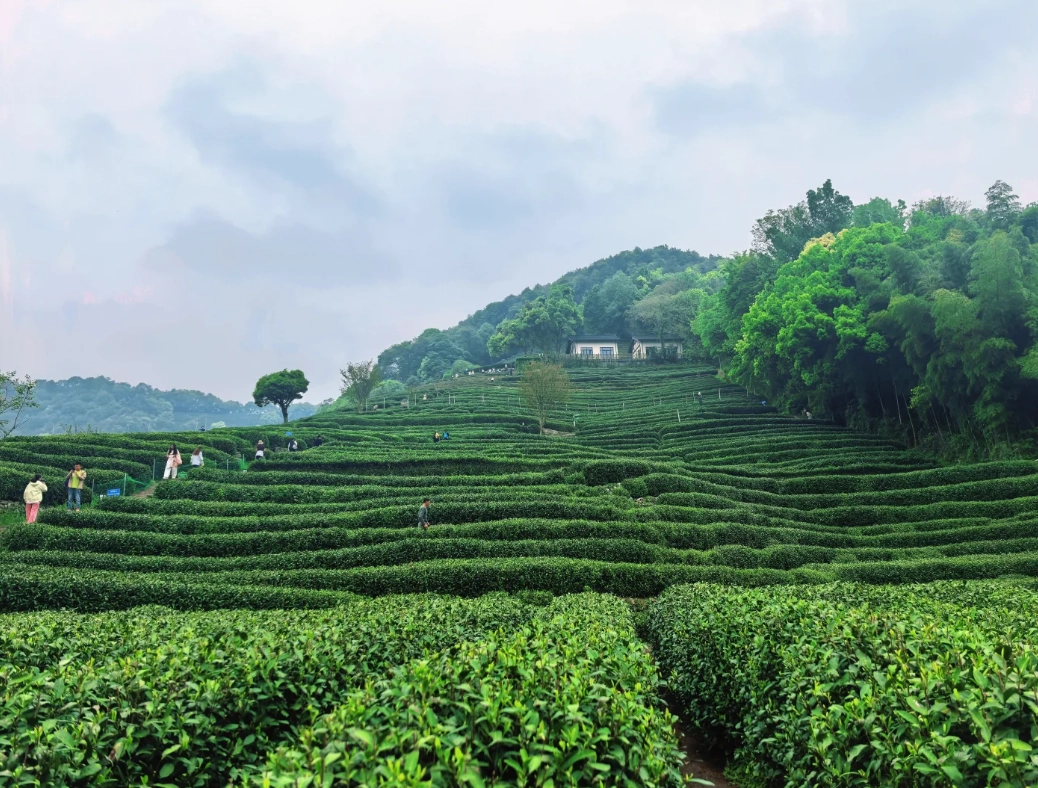
You'll be tired. Your evening option depends on energy. Xixi National Wetland Park is a unique urban wetland you can explore by boat (last entry 4:30 PM, tickets ¥80). It's serene. Or, head back to the city and explore the Dragon Well (Longjing) area near the temple for a quiet dinner at a farmhouse restaurant.
If You Only Have 24 Hours
It's tight, but doable. Follow the Day 1 morning plan (Hubin, boat to Mid-Lake Pavilion). Skip Leifeng Pagoda's interior. After the boat, take a taxi directly to Lingyin Temple. Use the main entrance this time (you have no choice), buy the Feilai Feng + temple ticket (¥75), and focus on the grottoes and the main hall. Have a late lunch at the temple's vegetarian restaurant. In the late afternoon, take a taxi to Meijiawu for a quick tea plantation walk and tasting before the light fades. Finish with dinner on Hefang Street. You'll have seen the lake, the carvings, the temple, and the tea fields—the essence of Hangzhou.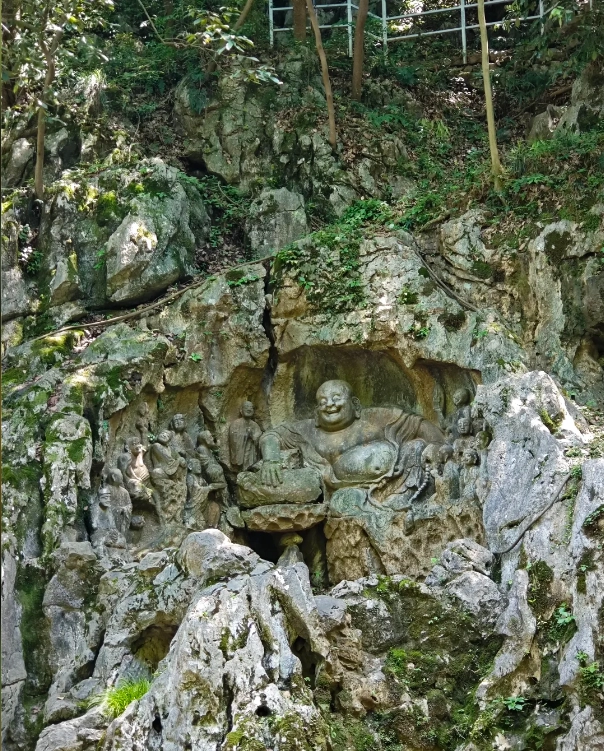
Eating Along the Route: Local Picks
Hangzhou food is subtle, slightly sweet, and fresh. Beyond the famous dishes, here are my go-to spots that won't disappoint foreign palates.
- Grandma's Restaurant: A reliable chain. The one at Hubin In77 Mall is always busy but efficient. Their Beggar's Chicken (clay-baked) is a fun spectacle. ¥60-90/person. No English menu, but they have pictures.
- Green Tea Restaurant: Another popular chain with a rustic-chic vibe. The bread with honey is an odd but beloved staple. Good for families. Similar price range to Grandma's.
- Zhiweiguan: As mentioned, their Xiaolongbao (soup dumplings) are a classic Hangzhou breakfast. The sit-down restaurant is better for dinner.
- For the Adventurous: Near Hefang Street, look for Hangzhou Noodle House small shops. Order "Pian'er Chuan", a local noodle soup with pork, bamboo shoots, and pickled vegetables. It's hearty, cheap (¥20-30), and the real deal.
Getting Around Hangzhou: Transport Tactics
Metro: Lines 1, 2, 3, 4, 5, 6, 16, and 19 cover the city well. It's clean, cheap, and signs are in English. Use Alipay to pay (search "Metro" in the app). It won't get you to the tea villages or Lingyin directly, but it's perfect for reaching Hubin or the train stations.
Taxi & DiDi: Essential for the west side. DiDi (China's Uber) is easier as you can input your destination in English. Taxis are plentiful. A cross-city trip (e.g., Hubin to Lingyin) costs ¥40-60.
Public Buses: Useful for specific routes like the 103 to Meijiawu. Pay with Alipay. Google Maps bus times are unreliable; use Baidu Maps or Amap (switch to English mode) for real-time accuracy.
Biking: Hangzhou has an extensive public bike system, but it requires a local card. The shared bikes (Hello Bike, Meituan) via Alipay/WeChat are easier for short lakeside rides. The Su Causeway is perfect for a bike ride, but do it on a weekday morning.
Hangzhou Tour Route FAQs
This article is based on my personal, on-the-ground experience guiding hundreds of visitors through Hangzhou over the past decade. Details regarding prices and opening hours are subject to change; always check official sources before your visit. Now go build your perfect Hangzhou tour route.





No comments yet.