 Yan Zhou
Hey there! I've been guiding travelers around Hangzhou for over a decade, and let me tell you—picking the right time to visit is the difference between a magical trip and a crowded, sweaty mess. Most blogs just parrot "spring and autumn are best," but as someone who's on the ground every week, I'll give you the nitty-gritty: exact months, hidden windows, and mistakes to avoid. Hangzhou's beauty is timeless, but your experience depends entirely on when you show up.
What You'll Find in This Guide
Understanding Hangzhou's Seasons: Beyond the Basics
Hangzhou has four distinct seasons, each with its own personality. I've seen tourists come in July expecting a gentle stroll around West Lake, only to retreat to air-conditioning by noon. Here's the real breakdown from a guide's perspective.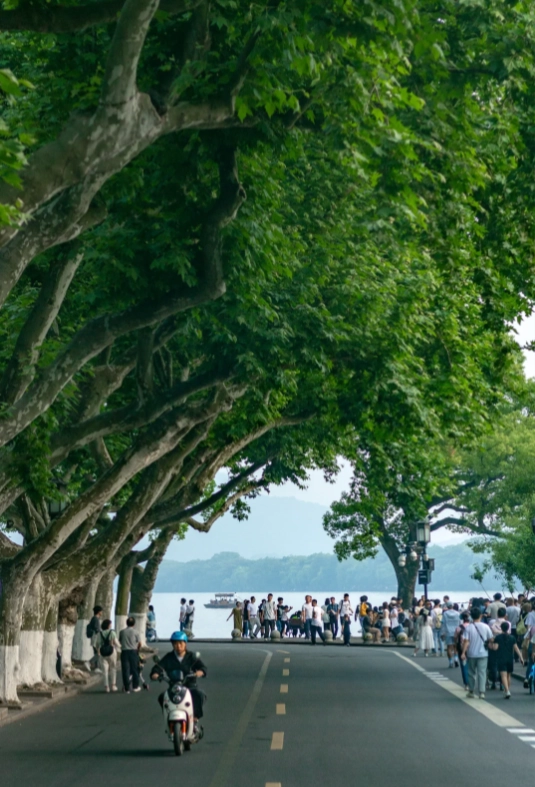
Spring in Hangzhou: Blossoms and Crowds
Spring (March to May) is famous for cherry blossoms and mild weather, but it's also the busiest. Temperatures range from 10°C to 20°C (50°F to 68°F). The peak is early April—think Longjing tea plantations buzzing with tourists. I always advise clients to visit in late March or early May to avoid the worst crowds. West Lake's Su Causeway is packed on weekends; go on a weekday morning before 9 AM. Admission to West Lake is free, but attractions like Leifeng Pagoda cost around 40 RMB for adults (20 RMB for seniors/students). Book tickets via their official WeChat mini-program or platforms like Trip.com. Pro tip: The pagoda's elevator lines get long; take the stairs if you're able.
Summer: Heat, Humidity, and Hidden Gems
Summer (June to August) is hot and humid, with temperatures hitting 30°C to 35°C (86°F to 95°F) and frequent afternoon thunderstorms. Most guides will tell you to skip it, but I've found silver linings. Mornings are quiet—I once took a family from California on a 6 AM boat ride on West Lake, and we had the water to ourselves. Afternoons are for indoor spots like the China National Silk Museum (free, open 9 AM-5 PM, closed Mondays). Address: 73-1 Yuhuangshan Road. Take metro Line 1 to Longxiangqiao Station, Exit C, then walk 15 minutes. Bring a portable fan and hydrate like crazy.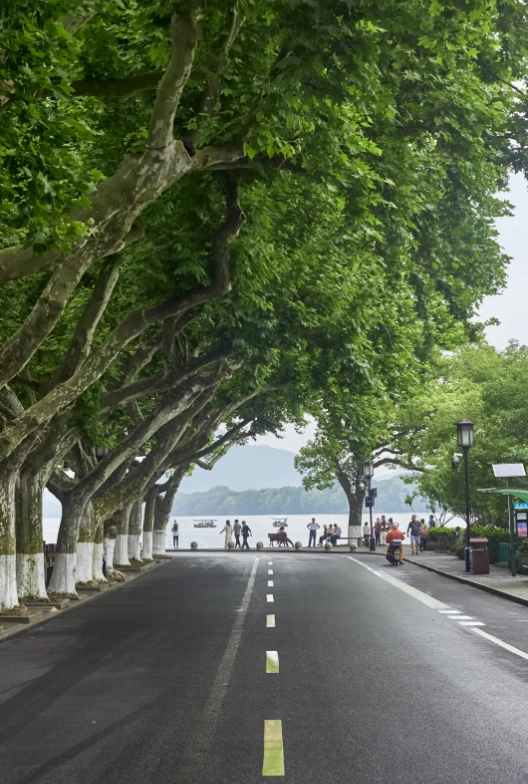
Autumn: The Golden Season for Photography
Autumn (September to November) is my personal favorite. Skies are clear, temperatures are 15°C to 25°C (59°F to 77°F), and the foliage around West Lake turns golden. October is ideal, but avoid the first week—China's National Day holiday brings insane crowds. For photography, head to Gushan Island in late afternoon; the light hits just right. Lingyin Temple (address: 1 Fayun Lane) is less crowded on weekdays. Ticket: 45 RMB adult, 22.5 RMB child/senior. Open 7 AM-5:30 PM. Book online via their website to skip queues. A little-known spot: Yanggongdi path—locals jog here, but tourists rarely find it.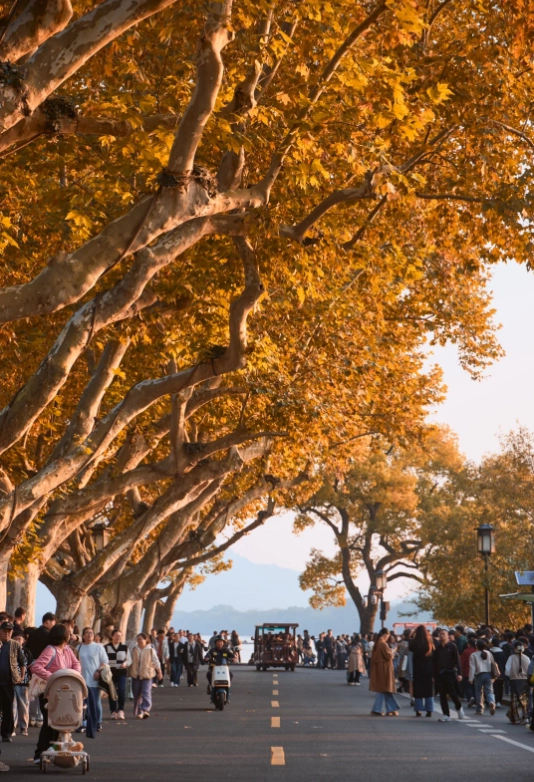
Winter: Quiet Charm and Cold Weather
Winter (December to February) is cold, around 0°C to 10°C (32°F to 50°F), with occasional light snow. Crowds thin out, but some attractions close early. West Lake looks serene under a misty haze. Dress in layers; hotels like the Hyatt Regency Hangzhou (address: 28 Hu Bin Road) offer heating and lake views for 800-1200 RMB per night in winter. Xixi National Wetland Park reduces boat tours; check their official site for updates. Winter is perfect for tea lovers—visit Meijiawu Tea Village for a warm cup without the spring rush.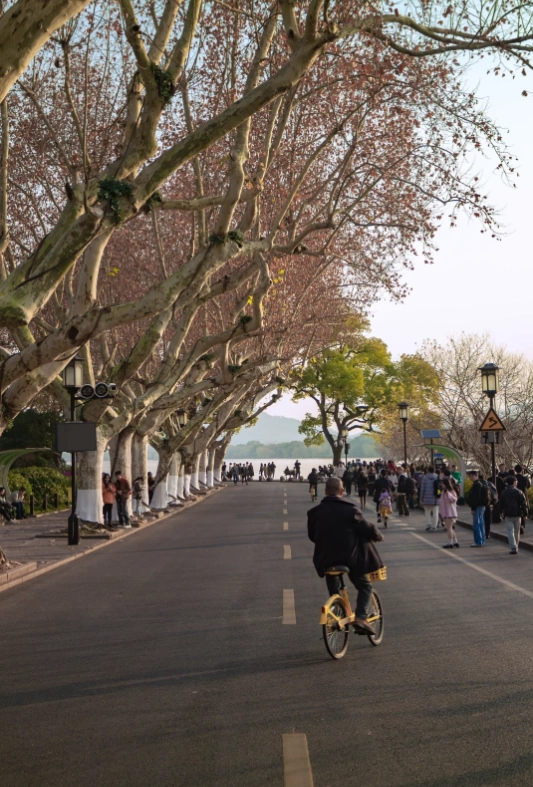
How to Plan Your Visit Based on Your Interests
Your ideal time depends on what you want to do. I've tailored trips for honeymooners, hikers, and foodies—here's how to match the season to your goals.
For Nature Lovers: Aim for April or October. West Lake's lotus flowers bloom in summer, but autumn offers crisp air for hikes like Baochu Pagoda. The tea plantations are lush in spring; take bus 27 to Longjing village, walk 10 minutes from the stop. Wear comfortable shoes—paths can be slippery after rain.
For Culture Buffs: Temples like Lingyin are less crowded in winter or on weekday mornings. Avoid Chinese New Year (dates vary, usually January/February) when locals visit. The Hangzhou Museum (free, open 9 AM-4:30 PM, closed Mondays) at 25 Liangdaoshan is a gem; metro Line 1 to Ding'an Road, Exit B, 5-minute walk.
For Foodies: Hangzhou cuisine shines in autumn with seasonal crabs and osmanthus-flavored treats. Try restaurant Louwailou (address: 30 Gushan Road) for West Lake Vinegar Fish—sweet and sour, about 120 RMB per person. They have an English picture menu, but peak dinner wait can be 40 minutes. I always order the Dongpo Pork; it melts in your mouth. Summer offers lychees, but many street stalls close early due to heat.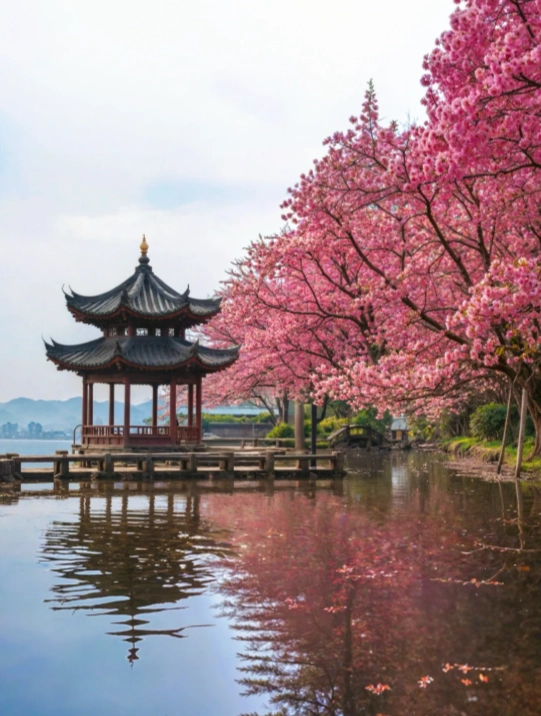
Practical Tips for Each Season: Weather, Crowds & Costs
Let's get tactical. This table sums up what you need to know, but I'll add nuances below.
| Season | Weather | Crowd Level | Avg. Hotel Price | Top Activity |
|---|---|---|---|---|
| Spring (Mar-May) | Mild, 10-20°C, occasional rain | High (peak in April) | 600-1000 RMB/night | Cherry blossom viewing at West Lake |
| Summer (Jun-Aug) | Hot, humid, 25-35°C, thunderstorms | Medium (mornings low) | 500-900 RMB/night | Early morning boat rides, indoor museums |
| Autumn (Sep-Nov) | Cool, clear, 15-25°C | High (avoid Oct holiday) | 700-1100 RMB/night | Photography at Gushan Island |
| Winter (Dec-Feb) | Cold, 0-10°C, possible snow | Low | 400-800 RMB/night | Quiet walks, tea tasting |
Spring costs spike during holidays; book hotels like the Zhejiang Hotel (address: 2 Hubin Road) at least a month ahead. Summer bargains exist—I've seen hostels near Hefang Street for 200 RMB/night, but check Wi-Fi and elevator access. Autumn flights are pricier; consider flying into Shanghai and taking the high-speed train (1 hour, about 70 RMB). Winter attractions may close early; always verify hours on sites like Hangzhou's official tourism page.
Transportation Nuances
Hangzhou's metro is efficient, but crowded in peak seasons. From Hangzhou East Railway Station, take Line 1 to Longxiangqiao for West Lake (Exit A, walk 8 minutes). Taxis are cheap (15 RMB for short rides), but during rush hour (7-9 AM, 5-7 PM), use Didi app. Biking is great in spring/autumn; rent via Hello Bike app—scan QR codes at stations.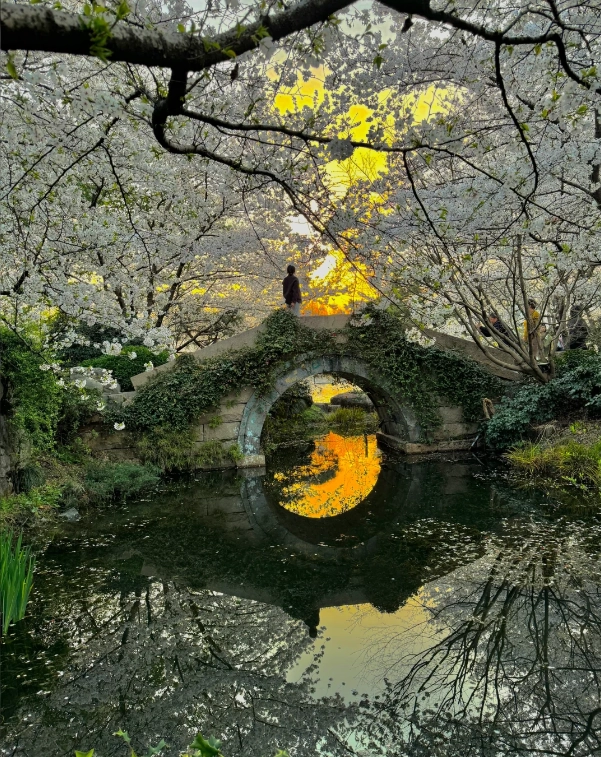
A Sample 24-Hour Itinerary for Peak Season
Imagine you're here in April with only one day. I've guided time-crunched tourists through this, and it works if you start early.
- 7:00 AM: Arrive at West Lake's Broken Bridge. It's empty—perfect for photos. Grab a baozi (steamed bun) from a vendor (5 RMB).
- 8:30 AM: Walk to Leifeng Pagoda (opens at 8 AM). Pre-book ticket to avoid lines. Spend 1 hour; view from top is worth it.
- 10:00 AM: Take a taxi to Lingyin Temple (15 minutes, 20 RMB). Explore for 1.5 hours; the grottoes are less crowded mid-morning.
- 12:30 PM: Lunch at Zhiweiguan (address: 83 Renhe Road) for noodles (30 RMB/person). They have English menu; queue moves fast.
- 2:00 PM: Metro to Hefang Street (Line 1, Ding'an Road, Exit C). It's touristy, but hidden shops sell local crafts. I skip the candy stores—overpriced.
- 4:00 PM: Tea tasting at Meijiawu Tea Village (taxi 30 minutes, 40 RMB). A local farmer once showed me how to brew Longjing tea properly.
- 6:00 PM: Dinner at Green Tea Restaurant (address: 5 Nanshan Road). Try their fish head casserole (80 RMB). Reserve via phone; they speak basic English.
- 8:00 PM: Night cruise on West Lake (ticket 90 RMB, departs from wharf near Hubin). Book on-site; boats run until 9 PM.
If it rains, swap outdoor spots for the Zhejiang Provincial Museum (free, open 9 AM-5 PM). This itinerary is intense—adjust based on your stamina.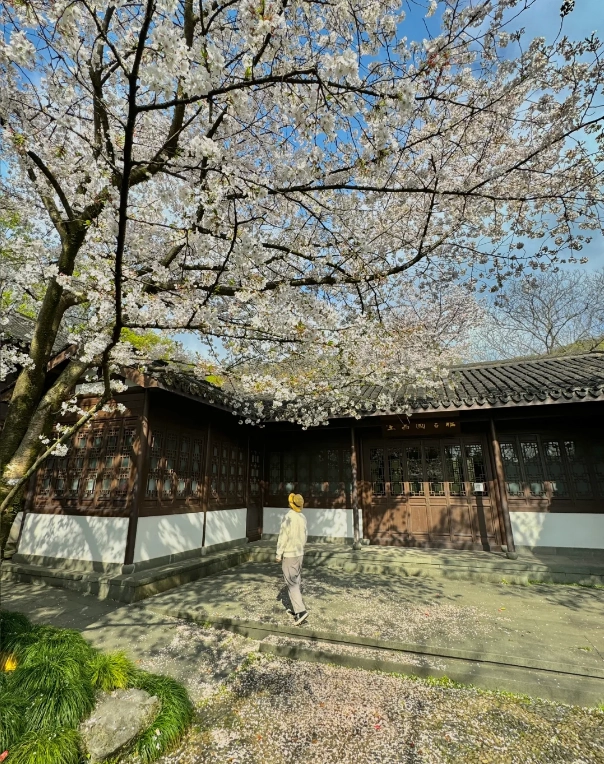
Frequently Asked Questions: Local Insights You Won't Find Elsewhere
 There you have it—the unvarnished truth from someone who's walked these paths countless times. Hangzhou's charm is year-round, but with these tips, you'll sidestep the pitfalls and savor the magic. Remember, the best time isn't just about weather; it's about aligning your interests with local rhythms. Now go plan that trip, and feel free to reach out if you have more questions—I'm always happy to help fellow travelers. This article has been fact-checked based on my on-ground experience and reliable sources like Hangzhou's official tourism resources.





No comments yet.