 Yan Zhou
Look, if you're coming to Hangzhou, you've probably already heard about West Lake. It’s the star of the show, and for good reason. But after ten years of guiding families, couples, and solo travelers from all over the world through this city, I can tell you there's a right way and a wrong way to see it. The difference between a frustrating, crowded trip and a magical one often comes down to a few simple details most blogs don't bother mentioning—like which causeway to walk at sunset, or which temple gate has the shortest queue. I'm here to cut through the noise. This isn't just a list; it's your playbook, packed with the logistical nitty-gritty and local secrets I use every day to give my clients the best possible experience.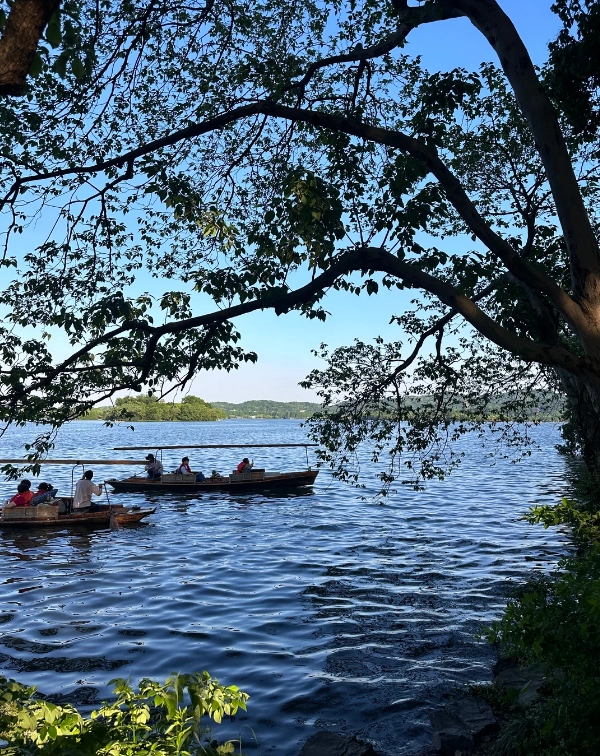
Your Quick Hangzhou Sightseeing Map
1. West Lake: The Heart of the City
West Lake isn't just a lake; it's a massive, open-air museum of Chinese landscape painting come to life. UNESCO agrees. The mistake most first-timers make is treating it as a single photo stop. You can't "see" West Lake from one spot. The magic is in moving around its perimeter, experiencing its "Ten Views" from different angles. I once spent an entire day with a group from Chicago just exploring the northern shore—they thought they'd be done in two hours.
The Essentials: No entrance fee for the lake area itself (it's a public park). Open 24/7. Individual attractions within the park (like Leifeng Pagoda) have separate tickets. The main lake area is vast, centered around Hubin Road. The closest metro station is Longxiangqiao (Line 1), Exit D. Come out, walk south for 3 minutes, and you'll smell the lake before you see it.
How to Actually Enjoy West Lake (Without the Headache)
Skip the tourist boats at the main pier. The lines are soul-crushing. Instead, walk 10 minutes south to the Gushan Ferry Pier near the Zhejiang Provincial Museum. The smaller boats there go to the Mid-Lake Pavilion, a more serene starting point. A better, more active option is to rent a bike. Multiple kiosks line Hubin Road. Get a bike, ride counter-clockwise. You'll cover more ground and escape the densest foot traffic around the music fountain.
My personal favorite route: Start at Dawn on the Su Causeway in Spring (one of the Ten Views) in the early morning, when it's just locals doing tai chi. Bike across the Su Causeway, stop at the Flower Pond Park, then head to the Leifeng Pagoda. Here's the critical tip: Do not go up the pagoda at midday. The queues for the elevator are insane, and the interior is a modern reconstruction. The best view of the pagoda is from across the lake on the Yang Gong Causeway at sunset, when it's lit up. If you must go up, buy your ticket in advance on the official WeChat mini-program "Hangzhou West Lake Scenic Spot" to skip the ticket line. Adult ticket is 40 RMB.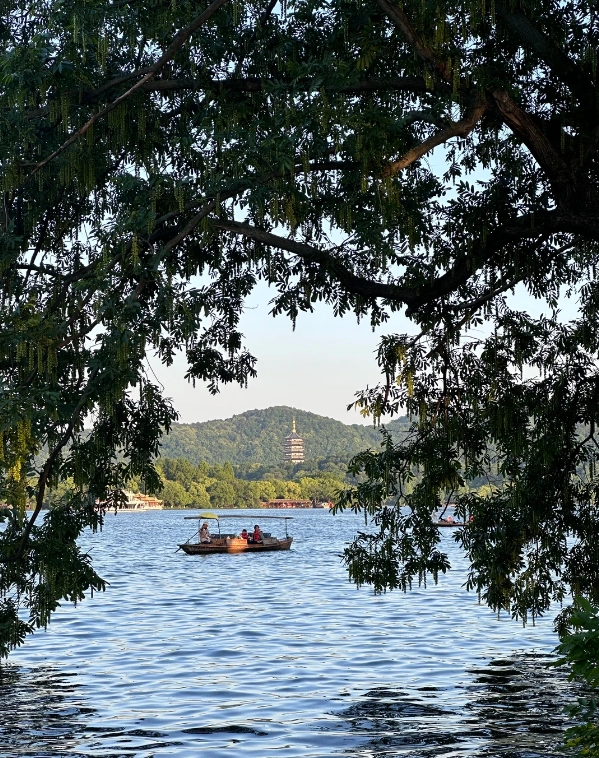
For photos, the light is best on the eastern shore (near Hubin) in the morning and on the western shore (near Yang Gong Causeway) in the late afternoon. The most overrated spot? The "Broken Bridge"—it's perpetually packed. The most underrated? The secluded paths around the Guozhuang Garden, a classical garden with a quiet tea house right on the water. Entrance is 10 RMB and it's a blissful escape.
2. Lingyin Temple: A Spiritual Retreat in the Hills
Nestled in the Feilai Feng (Peak Flown From Afar) hills, Lingyin Temple is one of China's most significant and wealthiest Buddhist temples. It's active, atmospheric, and surrounded by hundreds of ancient rock carvings. The energy here is palpable, even if you're not religious. But the approach is everything. Most tour buses dump visitors at the main complex entrance, creating a bottleneck.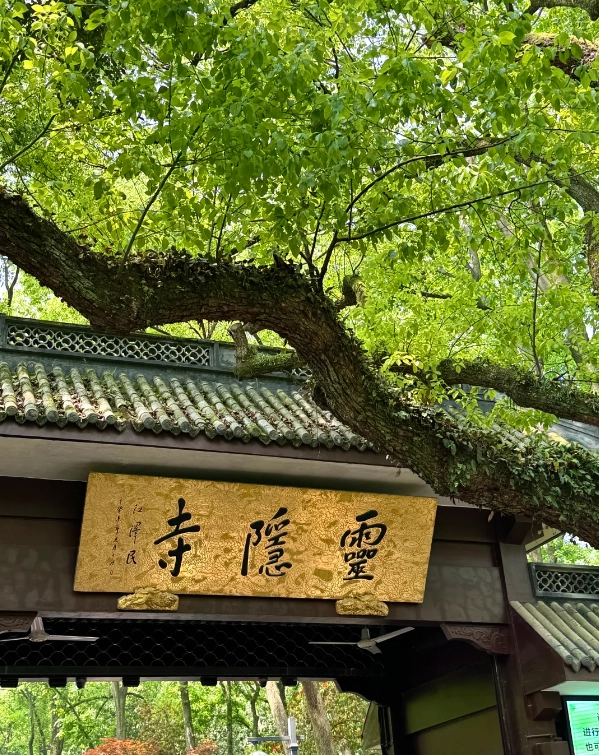
The Essentials: You need two tickets. First, the Feilai Feng Scenic Area ticket (45 RMB), which grants access to the grottoes and hills. Then, inside, the Lingyin Temple entrance ticket (30 RMB). Buy both at the main gate or online. Open 7:00 AM - 5:30 PM. Take metro Line 1 to Longxiangqiao, then bus No. 7 (get off at Lingyin stop). The journey takes about 40-50 minutes total. A taxi from West Lake costs around 30-40 RMB.
Avoiding the Crowds at Lingyin
Go as soon as it opens. I mean it. 7:30 AM. You'll hear the monks chanting, have the carvings mostly to yourself, and feel the mist rising off the forest. Enter through the main gate, but instead of heading straight into the first temple hall, take the path to the right along the stream. This leads you past the most impressive grottoes, including the famous Laughing Buddha, with far fewer people.
Inside the temple complex, don't just stare at the giant Buddha statue in the Great Hall. Look up at the intricate, gilded ceiling. Watch the locals light incense—there's a specific way to do it (hold with both hands, bow three times). You can get a bundle of incense for free at the entrance. The temple provides vegetarian noodles for lunch (around 15-20 RMB) in a simple canteen—a truly authentic experience.
Here's a secret most tourists miss: Behind the main temple complex, a stone path leads up the hill to a quieter, smaller temple called Yongfu Temple. It's included in your ticket. It has a stunning teahouse with a panoramic view. Few people make the 10-minute climb, so it's a perfect spot for contemplation.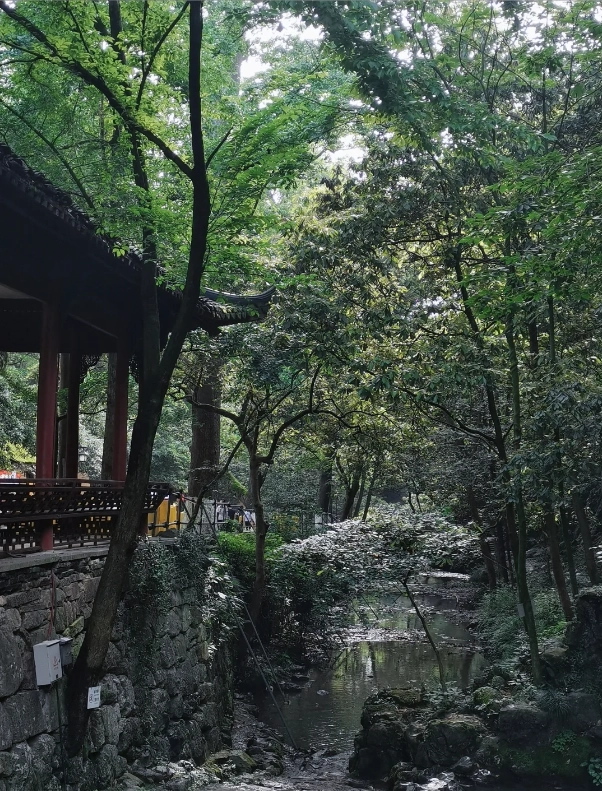
3. Xixi National Wetland Park: The Green Lungs
After the cultural intensity of the temple and the open vistas of the lake, Xixi offers a completely different vibe: slow, watery, and green. It's a massive network of rivers, ponds, and wetlands crisscrossed by walking paths and waterways. This is where Hangzhou residents go to breathe. It's not a manicured park; it feels wilder. If West Lake is the drawing room, Xixi is the sprawling, untamed backyard.
| Info | Details |
|---|---|
| Ticket & Hours | Park entry: 80 RMB. Boat tours extra. Open 7:30 AM - 6:30 PM (last entry 5:30 PM). The Hongyuan Garden area is free after 5:30 PM if you just want a short stroll. |
| How to Get There | Metro Line 3 to Xixi Wetland South Station, Exit A. From there, it's a clearly signed 8-minute walk to the Zhoujiacun main entrance. This is the most straightforward access. |
| Core Experience | The electric boat tour. It has fixed stops. You get on and off at various piers to explore villages, museums, and observation towers. The whole loop takes 3-4 hours if you disembark at each stop. |
Navigating Xixi Like a Pro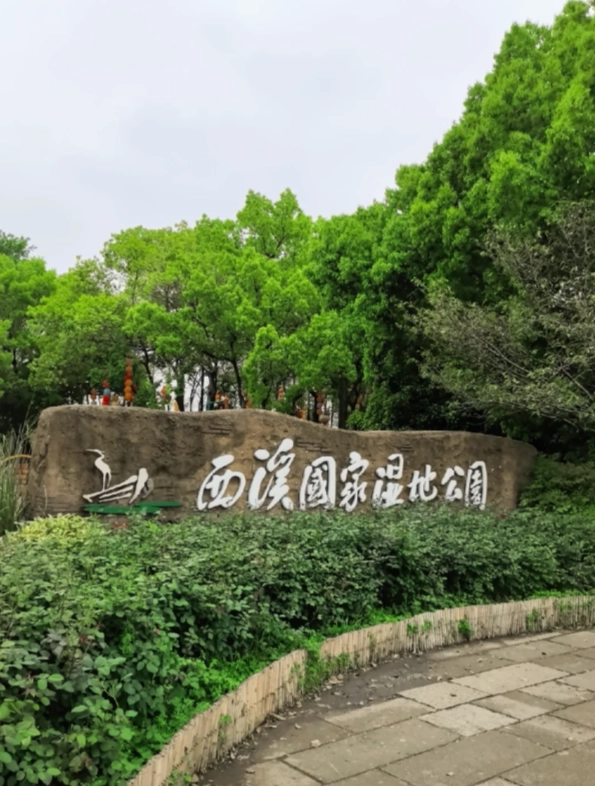
Don't try to walk the entire park. It's impossible. The boat is non-negotiable for a first visit. Buy the boat + entry combo ticket (around 140 RMB). At the Zhoujiacun entrance, head straight to the pier. The first boat goes to Shezhu Village. This is the most picturesque area, with old houses on stilts over the water. Get off here.
My favorite hack: After exploring Shezhu, instead of immediately queuing for the next boat, ask for directions to Gaozhuang. It's a 15-minute walk along a beautiful, shaded path that most boat-only visitors miss. Gaozhuang is a restored classical scholar's garden, incredibly elegant and often empty. From there, you can catch the boat again to continue or exit.
Bring mosquito repellent. Seriously. And wear comfortable shoes. There are limited food options inside, so pack some water and snacks. If you want a proper meal, the Xixi Slow Life Block just outside the Hongyuan entrance has decent restaurants and cafes.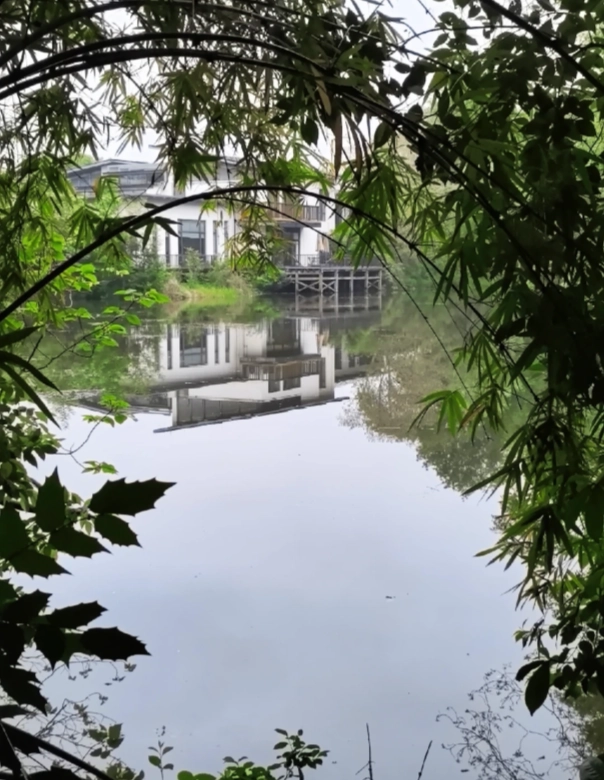
4. Longjing Tea Plantations: Taste the Terroir
Hangzhou is synonymous with Longjing (Dragon Well) tea, some of the most prized green tea in the world. Visiting the plantations southwest of West Lake isn't just about buying tea; it's about understanding a culture. You'll drive up into the rolling hills, the air gets cooler, and the city noise vanishes. You're now in the source.
Getting there: There's no direct metro. The most scenic way is to take bus No. 27 from the Yue Fei Temple stop near West Lake. Get off at Longjing Village. The ride is part of the experience, winding up the hills. A taxi from downtown costs about 35-50 RMB.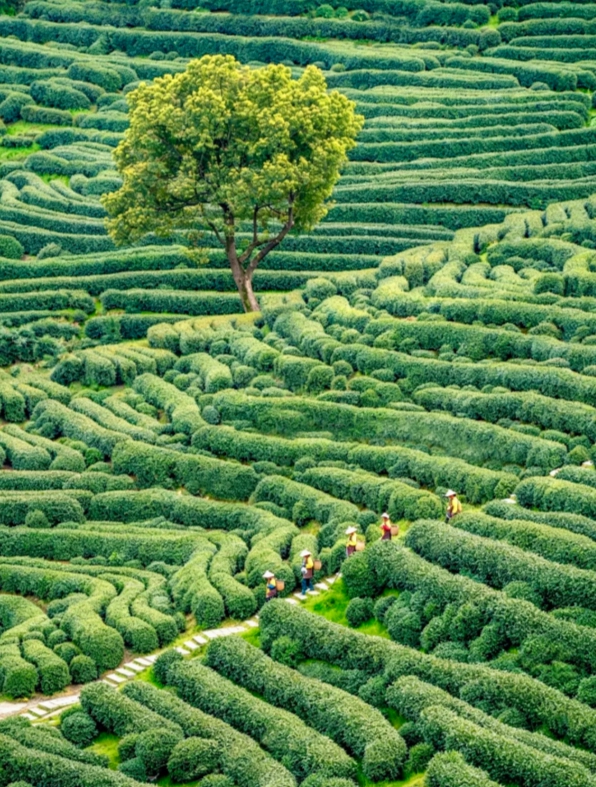
How to Have an Authentic Tea Experience (Without Getting Ripped Off)
Walk into the village and you'll be greeted by locals inviting you for "free tea tasting." Be polite but cautious. This is a sales pitch. If you want a more genuine interaction, I recommend pre-booking a short tour or tea session at a known farm. A good one is Meijiawu Tea Culture Village, the next village over from Longjing. It's more set up for visitors but less aggressive.
The best activity here is simply to walk the trails between the tea terraces. From Longjing Village, follow the signs for the "Nine Creeks and Eighteen Gullies" (九溪十八涧) hiking path. It's a flat, beautiful stone path that winds through streams and forests, connecting tea fields. It takes about 1.5 hours to walk to the end, where you can catch a taxi back. You'll see tea pickers (in spring and autumn) and get stunning views.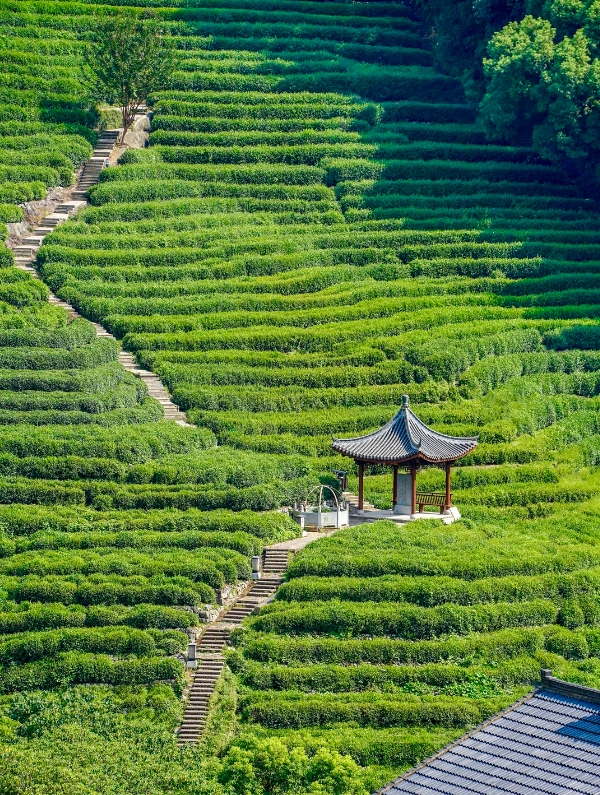
Buying tea? Real, high-grade Longjing is expensive (hundreds of USD per pound). If a price seems too good to be true, it is. For a reliable, fixed-price option without haggling, visit the China Tea Museum (free entry, closed Mondays) which has a shop selling verified local teas at clear grades and prices. It's a beautiful museum itself, with peaceful gardens.
5. Hefang Street: A Dash of Old-World Charm
I'll be honest: Hefang Street is touristy. It's a restored historical street full of souvenir shops, snack stalls, and crowds. So why is it on my list? Because when approached with the right expectations, it's fun. It's the place to try a dozen weird and wonderful local snacks in one go, pick up some quirky souvenirs, and feel a buzzy, festive atmosphere. It's not for a deep cultural dive, but for an evening of lighthearted exploration.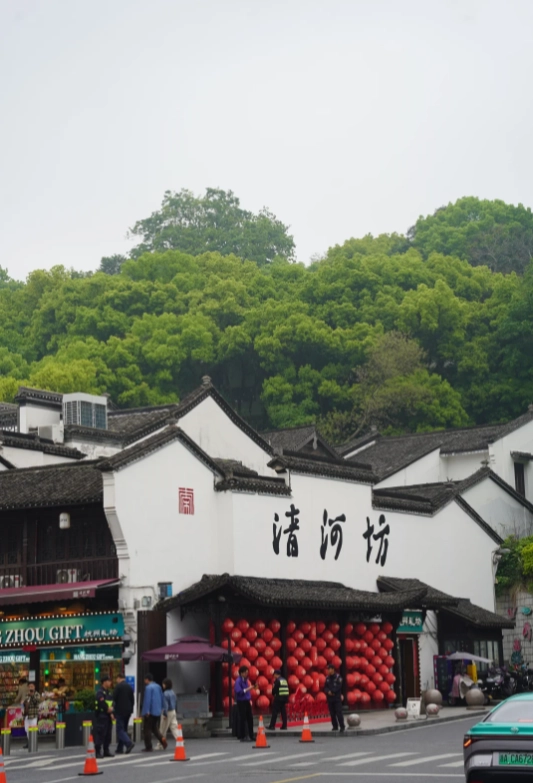
The Essentials: Free entry, open street. Shops are generally open from 9:00 AM until 10:00 PM, with the best atmosphere after 6:00 PM. The closest metro is Ding'an Road (Line 1), Exit C. Walk south for 5 minutes. It connects to the similarly themed but slightly more artsy Southern Song Imperial Street (Gushan Road).
What to Actually Do on Hefang Street
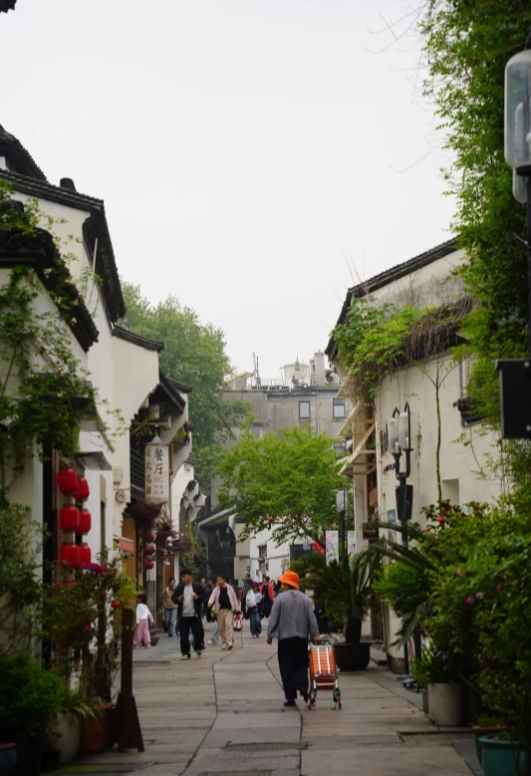
Don't just walk down the main drag. Dive into the smaller alleys branching off, like Dajing Lane. Here you'll find quieter, more interesting shops—artisan studios, traditional Chinese medicine pharmacies, and old-style teahouses.
Eat like a local: Skip the generic skewers. Look for these specific snacks:
- Ding Sheng Gao: Steamed pink rice cakes, slightly sweet. Look for the stalls with small wooden molds.
- Congyoubing: Scallion pancakes, fried crispy. The smell will guide you.
- Zhima Tang: Sesame candy. Great for gifts.
For a proper sit-down meal, escape the street to nearby Gaoyang Street or Zhongshan Road, which are lined with excellent local restaurants favored by residents.
Visit the Hu Qing Yu Tang Traditional Chinese Medicine Museum at the east end of the street. It's housed in a beautiful old pharmacy, is free to enter, and is a fascinating look at a different side of Chinese culture. It's rarely crowded.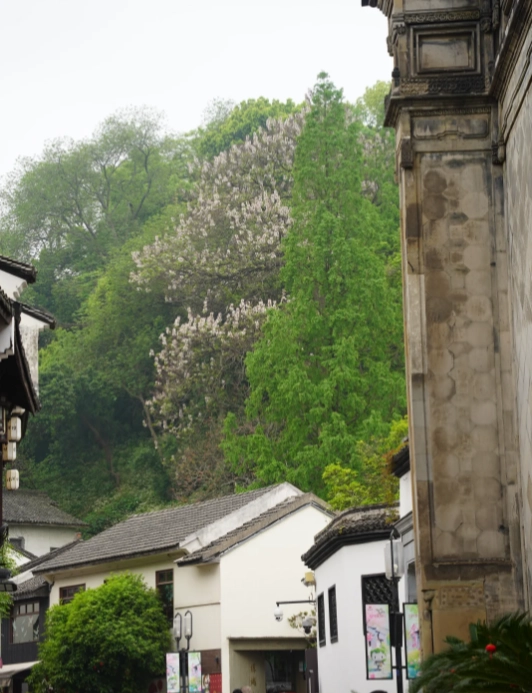
Hangzhou Travel FAQ: Your Questions, My Answers
 Is it difficult to get around Hangzhou if I don't speak Chinese?
This article is based on my personal, on-the-ground experience guiding in Hangzhou over the past decade. Details regarding ticket prices and operating hours are subject to change; always check the official sources close to your travel date for the latest information.





No comments yet.