 Fang Wang
Alright, let's talk about Hangzhou. You've seen the pictures of West Lake, heard the poems. After a decade of guiding families, couples, and solo travelers from all over through this city, I can tell you most online itineraries get it half-right. They send you to the right places, but at the wrong times, in the wrong order, and they completely miss the soul of the city—the quiet lanes, the specific dumpling shop a local would fight for, the temple courtyard where you can actually hear yourself think. This 5 days in Hangzhou plan is different. It's the one I'd give my sister if she were visiting. We'll balance the must-sees with the should-sees, pack in the culture without the burnout, and most importantly, I'll tell you exactly how to do it, down to which metro exit to take and where the bathroom lines are shortest.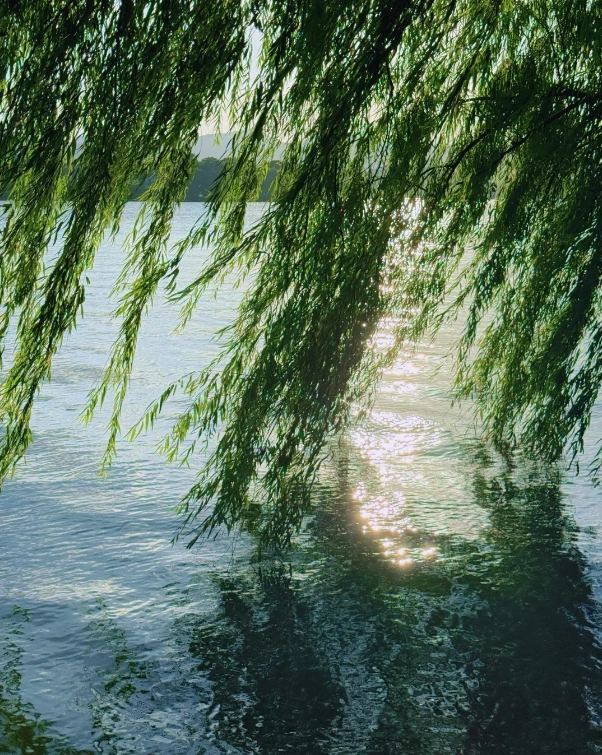
Your 5-Day Hangzhou Game Plan
- Day 1: West Lake Classics & First Impressions
- Day 2: Temples, Tea & A View from Above
- Day 3: The Ancient Canal & Water Towns
- Day 4: Nature Reset & Hidden History
- Day 5: City Vibes & Perfect Souvenirs
- Where to Stay in Hangzhou: A Quick Breakdown
- The Hangzhou Food Survival Guide
- Getting Around Hangzhou Like a Pro
- Hangzhou FAQs Answered by a Guide
Day 1: West Lake Classics & First Impressions
Start slow. Your flight's in, you're tired. The goal today is gentle immersion, not conquest. Head straight to the eastern shore of West Lake (Lakefront Park area). Don't try to "see the lake" all at once—it's massive. Just walk. The view from here towards the distant hills is the classic postcard shot.
Take a Boat to Three Pools Mirroring the Moon
From any of the small piers along the east shore (like the one near Lakeside Park), buy a ticket for the public ferry to Xiaoyingzhou Islet, home of the "Three Pools Mirroring the Moon." This is non-negotiable. The ticket is about 55 RMB (includes the island entry). It's a 10-minute ride. The iconic three stone pagodas are smaller than you imagine, but the magic is the island itself—a "lake within a lake" designed in the 1600s. Wander the Nine-Turn Bridge. It feels like a living painting.
Lunch: Exit the lake area and walk 10 minutes north to Nanshan Road. This is where locals go for a casual meal. Look for a place called Zhiweiguan. It's a chain, but this location is solid for classic Hangzhou dishes like Dongpo Pork (braised pork belly) and West Lake Vinegar Fish. Have a picture menu ready. Expect to pay 80-120 RMB per person.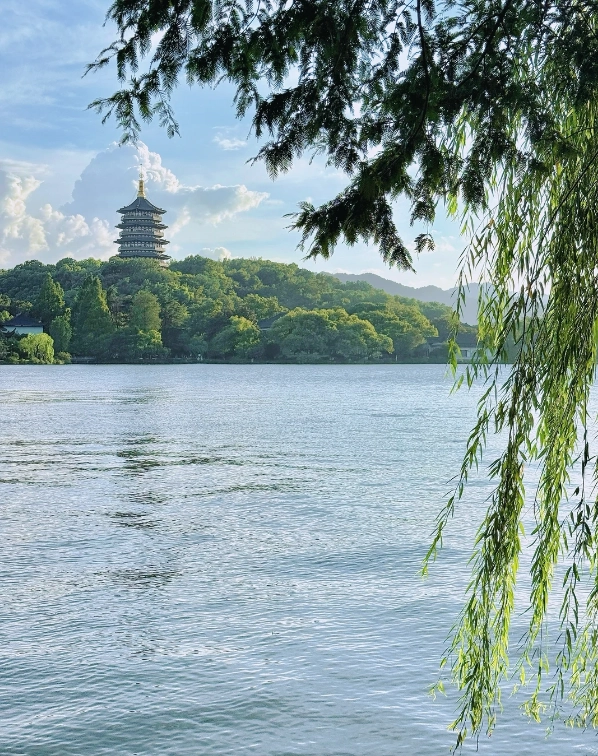
Afternoon Stroll & Leifeng Pagoda
Walk off lunch along the Southern Causeway. It's less crowded than the northern paths. Your destination is Leifeng Pagoda. Now, here's my take: the ancient pagoda collapsed in 1924. What stands now is a modern reconstruction (built 2002) with an elevator inside. Purists hate it. But I bring first-timers here because the elevator ride to the top offers the single most comprehensive, 360-degree view of the entire West Lake basin. It's your orientation. The ticket is 40 RMB. Go late afternoon; the queue for the elevator dies down after 3:30 PM.
Evening: For dinner, dive into Hefang Street (also called Ancient Street). Yes, it's touristy, but it's fun for a first night. Skip the generic skewers. Hunt for Shangcheng Dumplings, a local favorite for over a century. Try their fried shrimp dumplings. The street comes alive with lights. Call it an early night—tomorrow starts with a temple.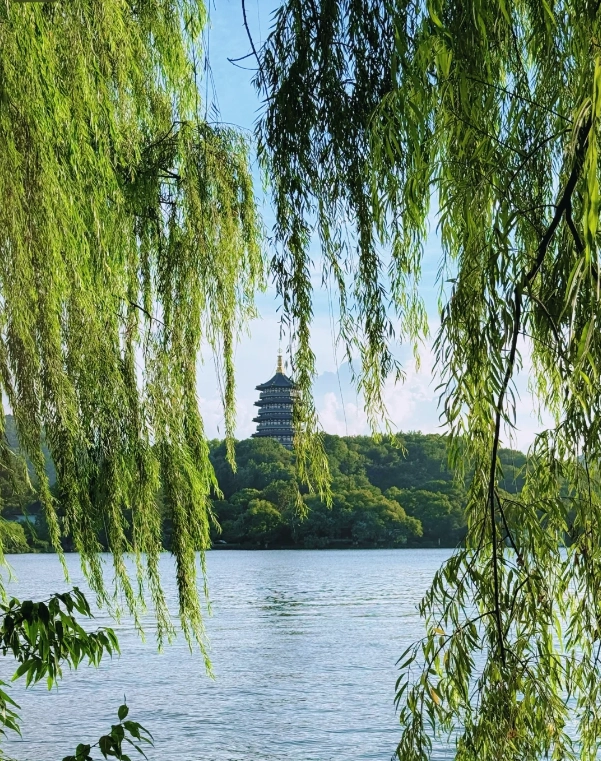
Day 2: Temples, Tea & A View from Above
Morning (Go Early): Take a taxi directly to Lingyin Temple for 8:30 AM opening. This is crucial. By 10 AM, tour buses swamp the place. The complex has two parts: the Feilai Feng Grottoes (45 RMB) and the actual Lingyin Temple (30 RMB, purchased inside after the grottoes). The grottoes are hundreds of ancient Buddhist carvings etched into a limestone cliff—it's stunning. Then, enter the temple proper. The main hall houses a 24.8-meter-tall camphor wood Buddha statue. It's humbling.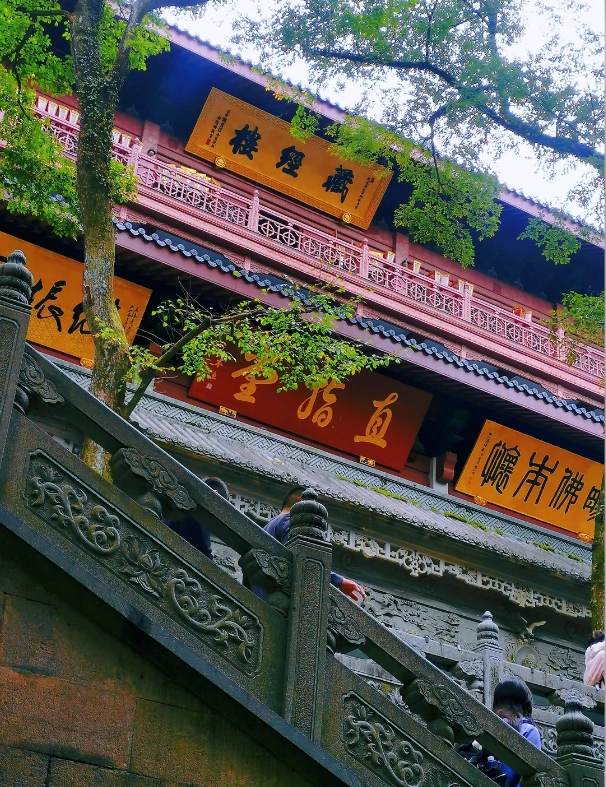
An Alternative for the Temple-Weary
If you're not up for the grand scale of Lingyin, I often recommend Yongfu Temple instead. It's right next door (same grotto ticket gets you in), but 90% of tourists walk right past it. It's a "Zen tea temple" spread over a hillside, with quiet courtyards, a stream, and a teahouse run by monks. It feels secret. You can easily spend two peaceful hours here.
Afternoon in Meijiawu Tea Village: From Lingyin, a 15-minute taxi ride (about 25 RMB) brings you to the heart of Longjing tea country. Don't just look—do a tea tasting session. Any family-run farm will welcome you for about 50 RMB per person. They'll show you how the tea is pan-fired, let you smell the different grades, and you'll sip the real stuff. The spring-picked tea is grassy and sweet; the later harvest is stronger. Buying is optional, but a small bag makes a great gift.
Evening & Dinner with a View: From Meijiawu, head to Manjuelong Village, a nearby area packed with trendy, design-focused restaurants in old village houses. Try Tea Man or Lanxuan. You'll get modern Chinese cuisine with fantastic hillside views. Book ahead on Dianping (use the app's photo translation feature). Taxi back to your hotel.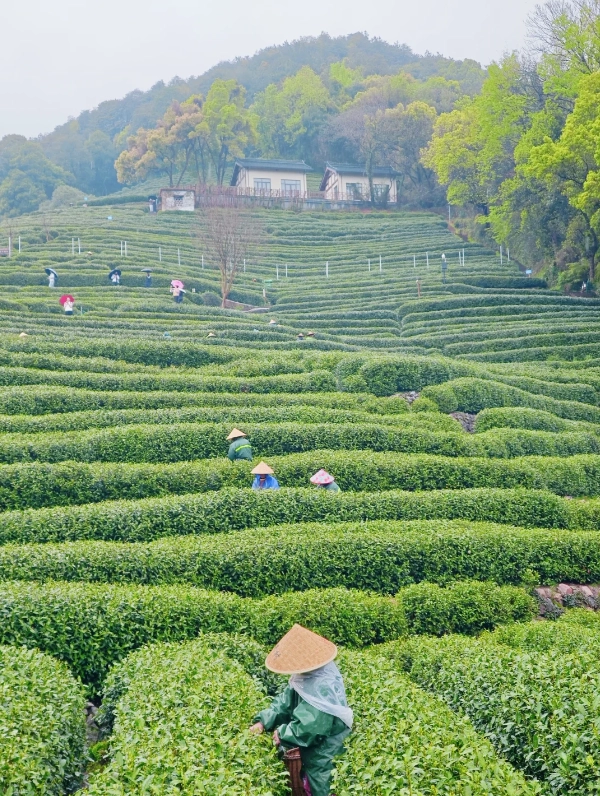
Day 3: The Ancient Canal & Water Towns
Today we step back from West Lake to the other engineering marvel: the Beijing-Hangzhou Grand Canal. Start at the Gongchen Bridge area. This is the southern terminus. The museum here (free, closed Mondays) is surprisingly good for context.
Take a Canal Boat Ride
From the Gongchen Bridge wharf, take the public water bus north. Line 1 goes to Xiangji Temple, a beautiful, less-visited Tang Dynasty temple. The boat ride itself is the point—you're floating on a 1,400-year-old canal, passing under stone bridges, watching life on the banks. It's 3 RMB per stop. Get off at Xiangji, explore the temple's serene gardens, then take the boat back.
Lunch in the Historic District: Get off at the Xiaohezhi Street stop. This restored historic street along the canal is packed with cafes and eateries. For a solid local lunch, find Fangcun Noodles. Their "pian'er chuan" noodles (片儿川) are a Hangzhou staple—noodles in a savory broth with bamboo shoot, pork, and pickled vegetable. It's cheap, fast, and delicious.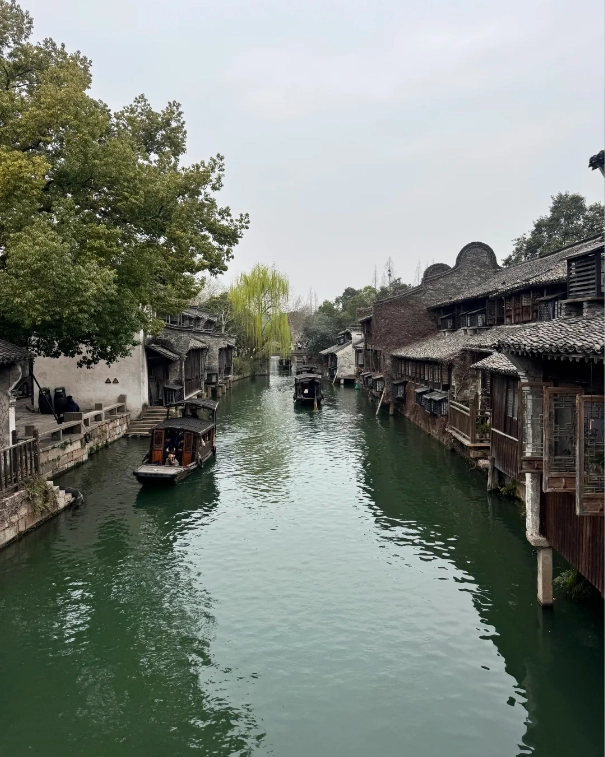
Afternoon Option A: Wuzhen Water Town (The Dedicated Trip)
If you're committed to seeing a famous water town, Wuzhen (East Scenic Area) is the one. It's not in Hangzhou proper—it's a 1-hour taxi or Didi ride (approx 150-200 RMB one way). Go for the afternoon and stay into the evening when the day-trippers leave and the lights come on. The ticket is around 150 RMB. It's meticulously restored, crowded, but undeniably picturesque. Book your return taxi in advance.
Afternoon Option B: Stay Local & Explore Hefang Street Properly
If you don't want the travel, spend your afternoon diving deeper into the Hefang Street historic area. Visit the Huqingyu Tang Museum of Traditional Chinese Medicine—it's a functioning pharmacy from the 1800s with a fascinating collection of dried specimens. Then, find the Southern Song Imperial Street section, which is a bit more refined and has great souvenir shops for silk and fans.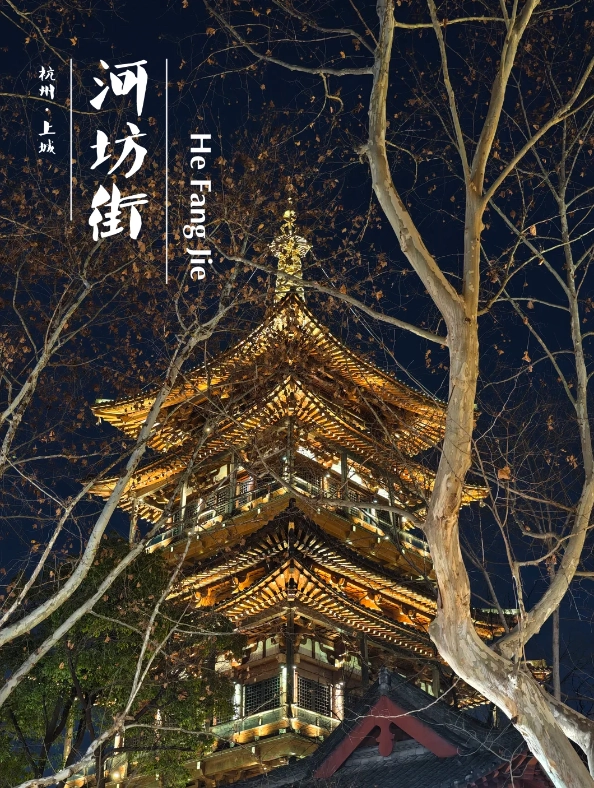
Day 4: Nature Reset & Hidden History
By now, you might need a break from crowds and history. Xixi National Wetland Park is your answer. It's a massive, serene network of rivers, ponds, and marshes right in the city. Take a taxi to the Zhoujia Village Main Entrance.
The Strategy: Buy the combo ticket (80 RMB) which includes the entrance and a boat ride. The electric boats follow set routes, letting you hop on and off at different piers. My recommended route: Enter, take the boat to Deep Pool Mouth area, walk the quiet plank paths through reeds and lotus ponds (blooming spectacularly in summer), then boat to Gaozhuang for a late lunch at one of the waterside restaurants. The whole experience takes 4-5 hours. It's slow, green, and full of bird sounds.
Late Afternoon Culture: On your way back, stop at the Liangzhu Museum (closed Mondays, free but book online via their WeChat mini-program). It's a bit out of the way (20-min taxi from Xixi), but it's a world-class museum dedicated to a 5,000-year-old Neolithic civilization that thrived here. The architecture is stunning, and the jade artifacts will change your understanding of Chinese history. It's rarely crowded with foreign tourists.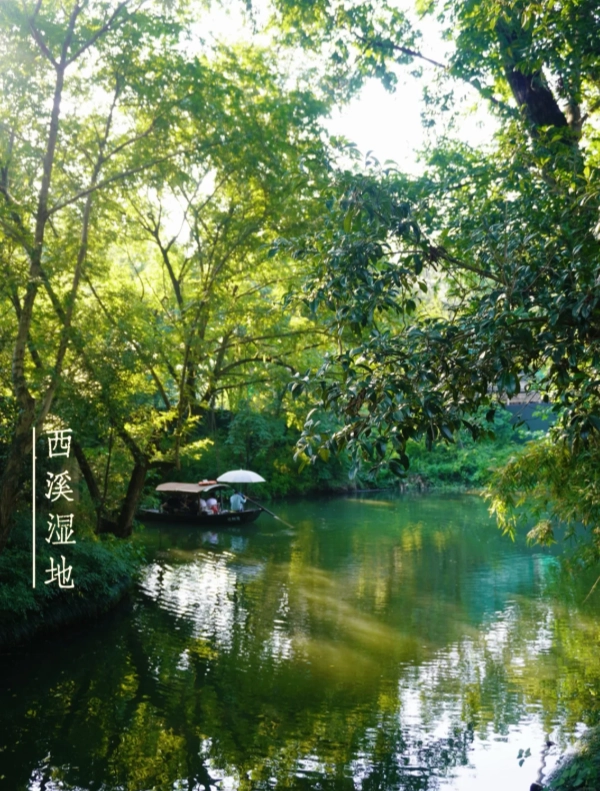
Day 5: City Vibes & Perfect Souvenirs
Your last day. Let's tie it all together with some urban exploration and smart shopping.
Morning at Six Harmonies Pagoda & Qiantang River
Liuhe Pagoda (Six Harmonies Pagoda) is often overlooked. It's on the south side of the city, overlooking the Qiantang River. The pagoda itself is a beautiful, solid 13-story structure from the 12th century (interior is 7 stories). Climb the wooden stairs inside—no elevator here—for a powerful view of the river and the massive bridge. It's 30 RMB. It's quiet, historical, and offers a different perspective. If you're visiting around the 1st or 15th of the lunar month, you might catch the famous Qiantang River tidal bore.
Afternoon Shopping on Qinghefang Old Street & Silk Street
For souvenirs, avoid the generic trinkets. Head to the Qinghefang Old Street area (connected to Hefang Street) for quality traditional goods. Look for:
- Wangxingji Fan Shop: Handmade sandalwood and silk fans. They can engrave your name.
- Zhang Xiaoquan Scissors: Famous for over 400 years. Their small embroidery scissors are a unique, functional gift.
- For silk, walk 10 minutes to the official Hangzhou Silk City market (No. 253, Xinhua Road). It's a multi-story building where you can buy everything from raw silk by the meter to finished scarves, ties, and quilts. Bargaining is expected. Start at 50% of the asking price.
Farewell Dinner: End your trip at Lou Wai Lou restaurant on Gushan Island in West Lake. Yes, it's the most famous one. It's expensive and you need a reservation (ask your hotel concierge). But having their legendary West Lake Vinegar Fish and Beggar's Chicken while watching the sun set over the lake from their dining room is a perfect, classic finale. Budget 200+ RMB per person.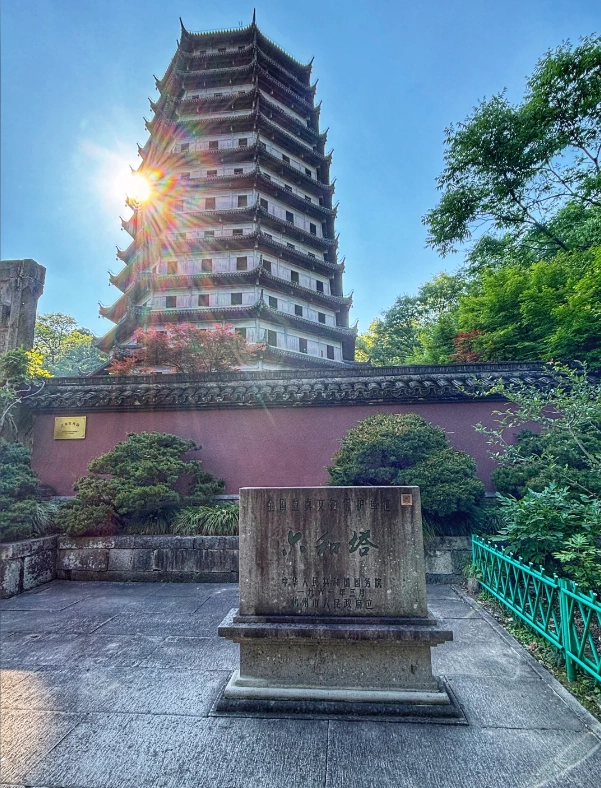
Where to Stay in Hangzhou: A Quick Breakdown
Location is everything. Here’s my honest take on the main areas:
| Area | Best For | Vibe & Convenience | Sample Hotel (I've sent clients here) | Price Range (per night) |
|---|---|---|---|---|
| West Lake (Lakeside) | First-timers, romance, splurging. | Wake up to lake views. Walking distance to main sights. Can be noisy with tourists. Dining is expensive. | Shangri-La Hotel, Hangzhou | High ($$$) |
| Hefang Street / Downtown | Foodies, shoppers, budget to mid-range. | In the heart of the old city. Tons of food options, lively at night. Can feel crowded and hectic. | Wyndham Grand Plaza Royale Hangzhou | Mid ($$) |
| Qianjiang New City | Business travelers, modern luxury lovers. | Skyscrapers, modern malls, great metro links. Feels like a different, futuristic city. Far from historic sites (20-min taxi). | Conrad Hangzhou | Mid to High ($$-$$$) |
| Xixi Wetland Area | Nature lovers, repeat visitors seeking peace. | Tranquil, resort-like. Surrounded by greenery. Isolated—you'll need taxis for everything else. | Park Hyatt Hangzhou | High ($$$) |
My personal recommendation for a balanced 5 days in Hangzhou? Find a well-reviewed hotel or serviced apartment just north or west of West Lake, near the Yellow Dragon Sports Center metro station. You get easy metro access, are a short taxi ride from the lake and Hefang Street, and the area has local life without the tourist premium.
The Hangzhou Food Survival Guide
Hangzhou cuisine is part of the Zhejiang school—fresh, slightly sweet, not overly spicy. Here’s what to order and where:
- Dongpo Pork: A block of fatty pork belly, braised for hours in soy sauce and wine. It melts. Try it at Grandma's Home, a reliable chain with many locations and picture menus.
- West Lake Vinegar Fish: Fresh grass carp in a sweet, sour, and savory vinegar-based sauce. The texture is silky. Best at the classic Lou Wai Lou.
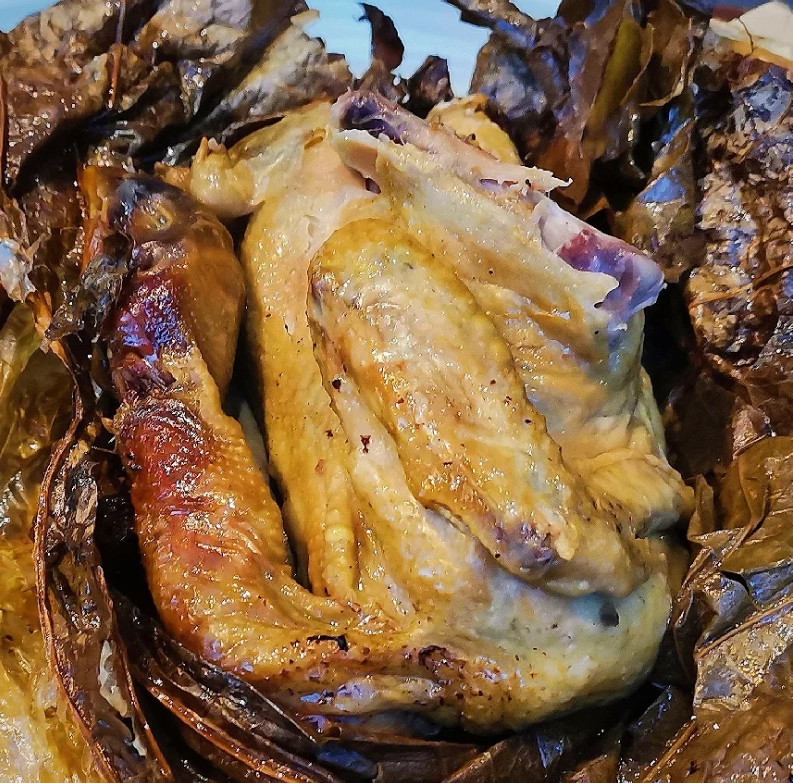
- Beggar's Chicken: A whole chicken stuffed, wrapped in lotus leaves and clay, and baked. The clay is cracked open at your table. A spectacle and delicious. Also at Lou Wai Lou.
- Longjing Shrimp: Fresh river shrimp stir-fried with Longjing tea leaves. Delicate and aromatic. Zhiweiguan does a good version.
- Street Food Must: On Hefang Street, queue for Wushan Fried Dumplings. They're crispy, bean-filled rolls. Divine.
Payment: Most sit-down restaurants accept international credit cards (Visa/Mastercard). Smaller shops and street vendors are cash or Chinese mobile pay (Alipay/WeChat Pay) only. Always carry some cash.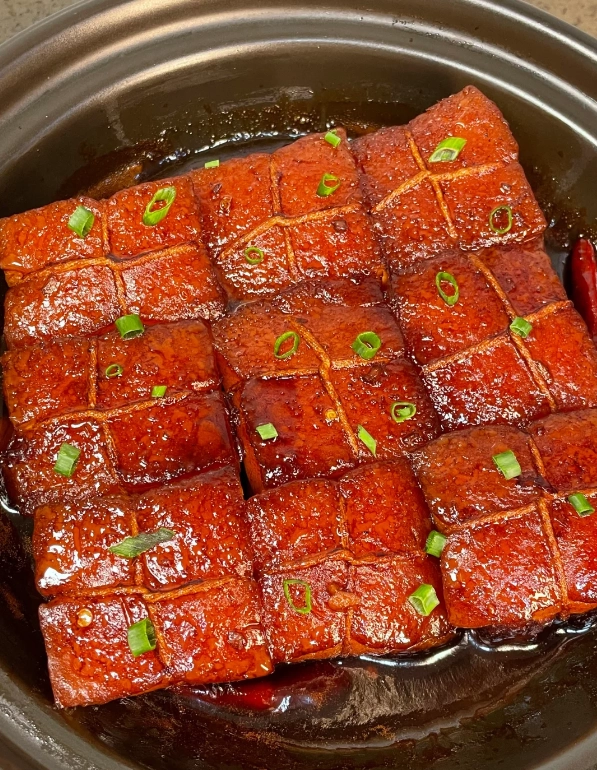
Getting Around Hangzhou Like a Pro
- Metro: It's excellent for east-west travel (Line 1) and getting to the train station. Download the "Alipay" app, search for "Hangzhou Metro" in the mini-programs to get a QR code ticket. Most tourist sites near the lake are a 10-15 minute walk from a station.
- Taxi/Didi: This will be your main mode. Didi (China's Uber) is cheaper and you can input your destination in English. Taxis are plentiful. Short rides within the city center cost 15-30 RMB.
- Public Bikes: Hangzhou has a famous bike-share system, but it requires a local phone number and deposit. For tourists, the dockless bikes (Meituan, Hello Bike) you see everywhere are easier. Scan with Alipay.
- Walking: The best way to explore the lake shores and historic streets. Wear comfortable shoes—you'll easily walk 8-10 miles a day.
Hangzhou FAQs Answered by a Guide
This article is based on my personal experience guiding tours in Hangzhou since 2014. Ticket prices and opening hours are subject to change; always check the official site or a reliable booking platform before your visit. Now go enjoy your 5 days in Hangzhou—you're more than ready.





No comments yet.