 Fang Wang
So you're coming to Hangzhou. You've heard about West Lake, seen the pictures of pagodas, and maybe you're dreaming of sipping tea by the water. Let me stop you right there. If you follow the standard tourist route, you'll spend half your trip stuck behind selfie sticks and waiting in lines for overpriced boat tickets. I've been guiding international groups through this city for over a decade. I've seen every mistake a visitor can make. This isn't another listicle. This is your playbook for experiencing Hangzhou's real magic, the way my repeat clients and local friends do.
The secret? It's not about seeing more; it's about seeing smarter. Timing, access, and a few insider shortcuts make all the difference.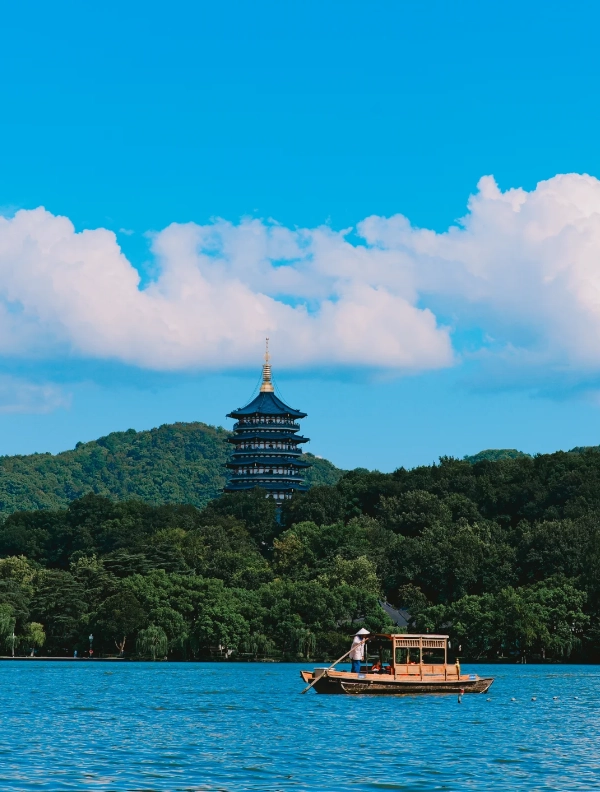
Your Quick Navigation Guide
West Lake Unpacked: Beyond the Postcard
West Lake (Xī Hú) is huge. Trying to "see it all" is the fastest way to get blisters and see nothing properly. The lake is divided into ten named scenic areas, but you only need to focus on two or three.
The North-South Causeway (Báidī & Sūdī): These are the iconic tree-lined walkways. Most guides tell you to walk them. I tell you to rent a bike. There are dockless shared bikes everywhere (look for Meituan or Hello bikes—you'll need a local SIM card and app to scan them). Cycling lets you cover ground, stop for photos when you want, and feel the breeze. The causeways are long; walking the whole thing can take 2-3 hours. On a bike, you can do a leisurely loop in one.
Best time? Sunrise. Seriously. Be at the Broken Bridge (Duànqiáo) on the Báidī Causeway by 5:30 AM. You'll share the view with dedicated tai chi practitioners and photographers, not tour groups. The light is soft, the air is cool, and the lake is misty. It's a completely different experience. The second-best time is late afternoon, around 4 PM, for the golden hour light. Midday is for sunburn and crowds.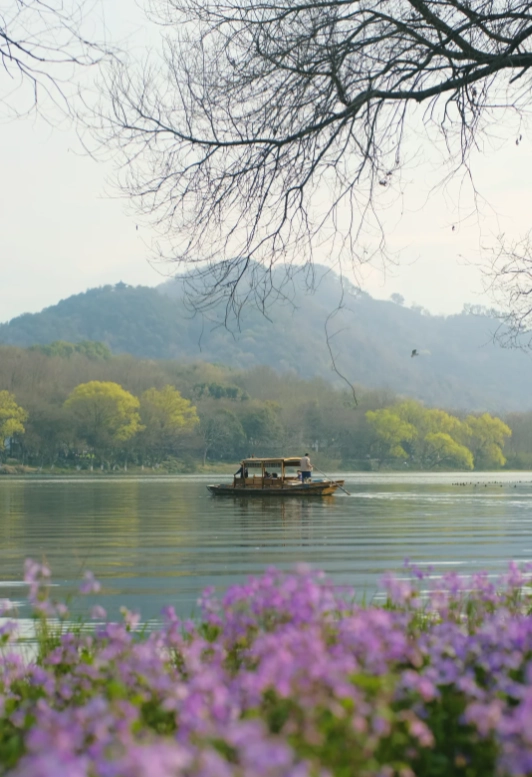
Practical Intel: West Lake itself has no entrance fee. It's a public park. You pay for activities like boats and specific gardens. Public toilets are marked on maps and are generally clean, but the ones near the main ferry terminals often have lines. Use the ones tucked away near smaller pavilions.
The Boat Decision: Which Dock, Which Route?
This is where most people waste money and time. There are multiple boat types from different docks. Here’s the breakdown that saves you the headache.
| Boat Type / Dock | What It Is | Price (Adult) | Best For | My Advice |
|---|---|---|---|---|
| Public Ferry (from Lakeside Park Dock) | Large ferry to Yingzhou Island (Mid-Lake Pavilion) & Xiaoyingzhou Island. Includes entry to the islands. | ¥70 (includes island entry) | The most value-for-money. Buy tickets on-site. Avoid the 10 AM-2 PM window. Go early or after 3 PM. | First-timers who want the classic "island hop" |
| Hand-rowed Boat (from various small docks) | Small wooden boat for 4-6 people, rowed by a boatman. Goes into smaller canals. | ¥150 per boat/hour (split between passengers) | Couples, small groups wanting a quiet, romantic experience. | This is the local favorite. Find the docks near the west side of the Su Causeway. You can negotiate a route (e.g., "under the bridges"). Pay after the ride. Cash is preferred. |
| Self-drive Electric Boat (from Beishan Road dock) | Small, slow electric boat you drive yourself in a restricted area of the inner lake. | ¥30 per 30 minutes | Families with kids who want to play captain. | Fun for 30 minutes, not for serious sightseeing. Limited range. Can feel a bit like a pond. |
| Dragon Boat / Fancy Yacht | Large, decorated tourist boats. | ¥90+ | Big tour groups. | Skip it. Impersonal, crowded, and you're just following the herd. |
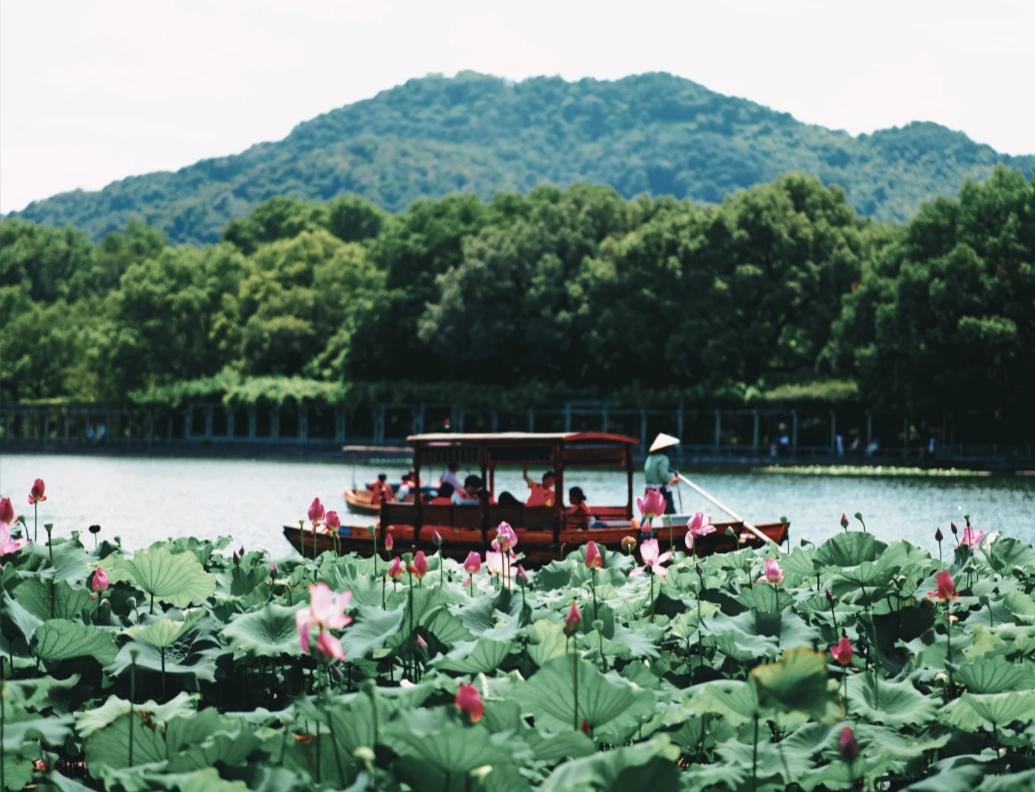
My go-to? I take my clients on the hand-rowed boat from the Maojiabu dock area. It's less chaotic, and the boatmen often know snippets of history. You get closer to the water, hear the splash of the oar, and can glide under ancient stone bridges the big ferries can't touch.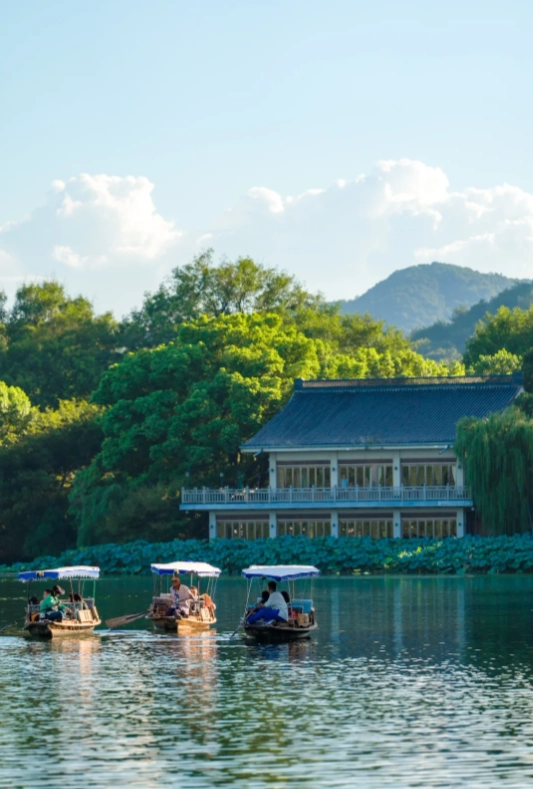
Lingyin Temple Strategy: Skip the Crowds, Find the Peace
Lingyin Temple (Temple of the Soul's Retreat) is one of China's most important Buddhist temples. It's also a magnet for domestic tourists. The standard experience is a slow shuffle through incense smoke. Let's change that.
The Ticket Trap: To enter the temple grounds, you need two tickets. First, the Feilai Peak Scenic Area ticket (¥45). This gets you into the park with the incredible ancient cliff carvings. Then, inside the park, you buy the Lingyin Temple entry ticket (¥30) to enter the main temple halls. Buy both online in advance via the official WeChat account "Lingyin Temple" or platforms like Trip.com to skip the ticket booth lines. You'll scan a QR code at the gate.
How to Do It Backwards (And Win): Everyone heads straight for the main temple. Don't. Enter the park, walk past the temple entrance on your left, and go directly to the Feilai Peak grottoes. Explore the hundreds of stone Buddhas carved into the limestone. It's quieter here in the morning. Then, work your way back to the temple around 11:30 AM. Why? The large morning tour groups are heading out for lunch. You'll find the temple courtyards suddenly more spacious.
Transport Specifics: Take metro Line 1 to Longxiangqiao Station, Exit C. From there, catch bus Route 7 (the terminus is right outside). It's a 20-minute ride through the tea fields—sit on the left for views. The bus drops you right at the entrance. A taxi from downtown costs about ¥40-50.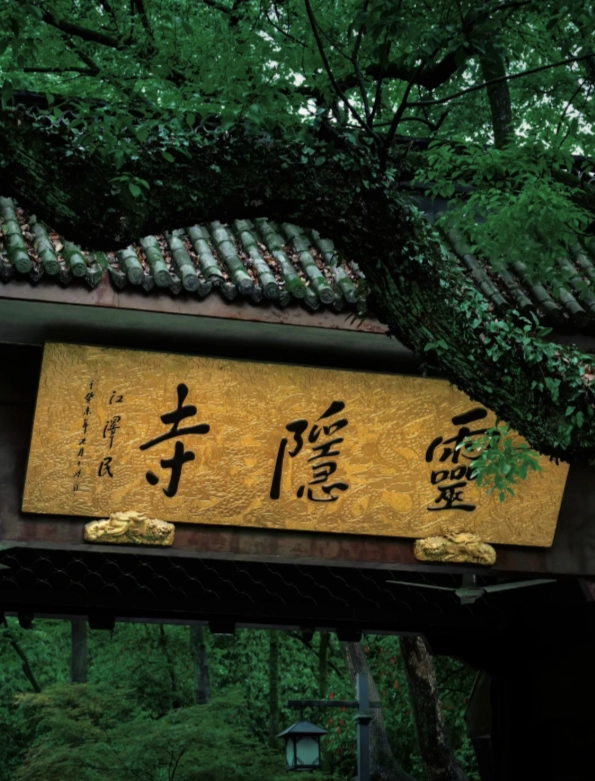
Guide Note: Dress respectfully—cover shoulders and knees. They may provide cloth wraps at the entrance, but it's hit or miss. The temple provides free incense at the main burner; you don't need to buy any from hawkers outside. The vegetarian noodle restaurant inside the temple complex is actually quite good and affordable (around ¥25 a bowl).
The Hefang Street Dilemma: Tourist Trap or Hidden Treasure?
Hefang Street (Héfāng Jiē) is a restored "ancient" street. Yes, it's touristy. But writing it off is a mistake. It's about knowing where to look.
The main drag is packed with generic souvenir shops. But venture into the smaller alleys branching off it, like Doushan Road. Here you'll find quieter teahouses, independent silk boutiques with better quality than the street stalls, and small museums. The Huqingyu Tang Traditional Chinese Medicine Museum (free entry) is fascinating, showing ancient prescriptions and herbal remedies.
For food: Avoid the stick-on-a-stall snacks on the main street. Walk 5 minutes to Gaoyou Street. Look for "Zhiweiguan". It's a local chain, but the one here does excellent Hangzhou classics like Dongpo Pork (braised pork belly) and Song Sao Fish Broth (a cloudy, savory soup). An English picture menu is available. A meal is about ¥80-120 per person. It gets packed at 7 PM; go at 5:30 or after 8.
My personal ritual? I buy a bag of sweet osmanthus cakes from the Wufangzhai shop on Hefang for the road. They keep for days.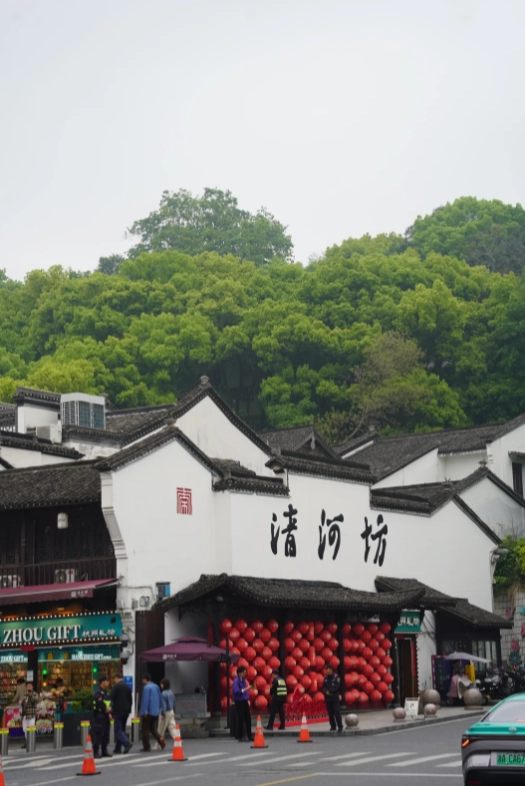
If You Only Have 24 Hours in Hangzhou
Last week, I had a British couple with a long layover. Here's the exact plan I gave them. It's intense but hits the high notes.
- 7:00 AM: Taxi to the Báidī Causeway. Walk or bike. Soak in the morning serenity.
- 8:30 AM: Quick breakfast of xiaolongbao (soup dumplings) at any simple local joint near the lake.
- 9:15 AM: Take a hand-rowed boat from the Maojiabu area (1-hour ride).
- 10:30 AM: Taxi to Lingyin Temple. Follow the "backwards" strategy above.
- 1:00 PM: Simple vegetarian lunch at the temple or a quick bite.
- 2:00 PM: Taxi to Longjing Tea Village. Don't go to a big "tea experience" center. Walk into the village, find a small family-run house, and ask for a tasting (usually ¥50-80 per person). They'll show you how to brew Longjing properly.
- 4:30 PM: Stroll through the Bamboo-lined Path at Yunqi near the tea village. It's a stunning, peaceful bamboo forest (entry ¥8).
- 6:30 PM: Taxi to Hefang Street/Gaoyou Street area for dinner at Zhiweiguan.
- 8:00 PM: Walk off dinner on Hefang Street, see the lights, pick up any last souvenirs.
Plan B (Rainy Day): Swap the tea village and bamboo forest for the Zhejiang Provincial Museum (on West Lake's Solitary Hill, free, needs booking on WeChat) and the China National Silk Museum (free, massive and world-class). Both have excellent English signage.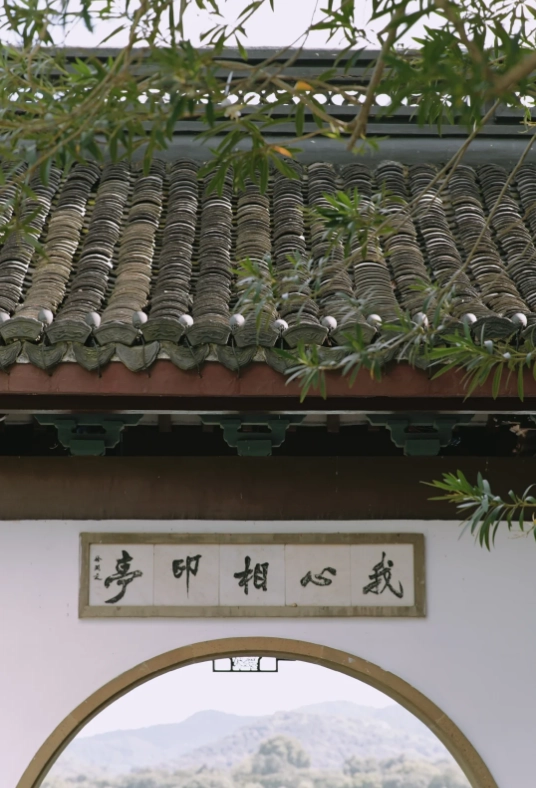
Beyond the Big Three: Local Favorites
When friends visit, I take them here to escape the circuit.
Xixi National Wetland Park: A massive, serene wetland of canals, ponds, and ancient villages. It feels a world away. Take a electric boat tour (¥60) to navigate the vast area. Get off at Shenzhuang Street stop for a preserved water-town street. Open 7:30 AM-5:30 PM (last entry 4:30 PM). Take a taxi; public transport is slow. Allocate 4 hours.
Chenghuang Pavilion (City God Pavilion): This is my secret spot for a panoramic view of the city and West Lake. It's on a hill in the old city, near Hefang Street but often missed. The climb is about 15 minutes of stairs. The view at sunset is unbeatable, and it's free. Entrance is on Wushan Road.
Mao'erbu (Cat's Ear Alley): Not for a cat, but for a noodle shape. This is a genuine, ungentrified old alley where locals live. It's gritty, real, and has fantastic, dirt-cheap noodle shops. Try the dish it's named after, "cat's ears" (mao'erduo), which are small pasta shells in a broth. It's an adventure in local life.
Your Hangzhou Questions, Answered
 This article is based on my personal, on-the-ground experience guiding hundreds of visitors through Hangzhou. Details regarding pricing and opening hours were accurate at the time of writing and are subject to change—always double-check official sources like the Hangzhou Tourism Official Website or the Lingyin Temple official site before your visit.






No comments yet.