 Ting Chen
So you've got five days in Chengdu? Perfect. That's just enough time to scratch beneath the tourist surface and feel the city's rhythm. I've been guiding folks here for years, and this itinerary is what I'd plan for a friend. We'll hit the iconic spots, sure, but I'll weave in the local shortcuts, the food stalls I actually eat at, and the timing tricks that save you hours in line. Forget the generic lists; this is how you do Chengdu like someone who lives here.
Quick Navigation
- Day 1: Pandas and People's Park
- Day 2: History, Temples, and Jinli Street
- Day 3: Day Trip to Leshan Giant Buddha
- Day 4: Ancient Town and Sichuan Opera
- Day 5: Local Markets and Relaxation
- How to Get Around Chengdu
- Where to Stay in Chengdu
- Chengdu Food Guide: What and Where to Eat
- FAQ: Your Chengdu Trip Questions Answered
Day 1: Pandas and People's Park
Get an early start. I mean it. The pandas are most active in the cool morning, especially between 8:30 and 10:30 AM. By noon, they're often napping, looking like fluffy rugs. The Chengdu Research Base of Giant Panda Breeding opens at 7:30 AM. Aim to be at the gate by 8:00 AM.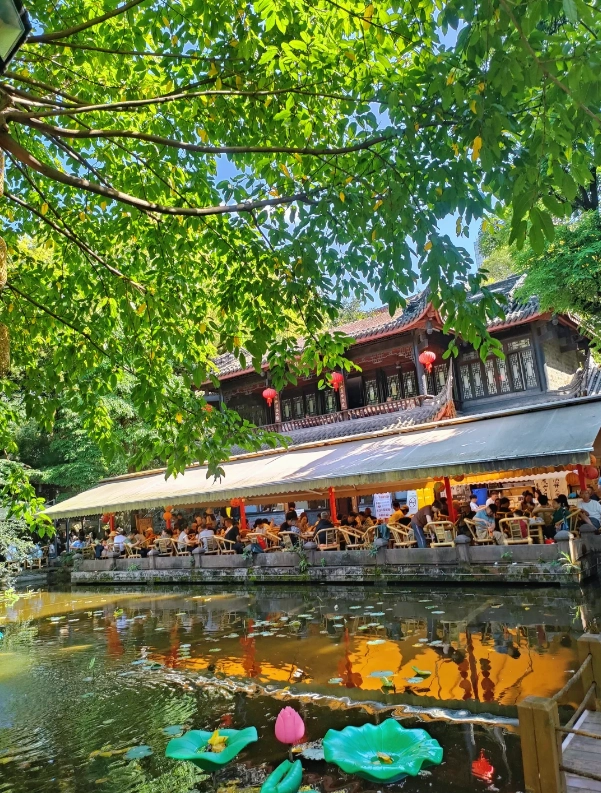
Address: 1375 Xiongmao Avenue, Chenghua District. Ticket: RMB 55 (Adult), RMB 27 (Child 6-18). How to get there: Take Metro Line 3 to Panda Avenue Station, Exit A. Right outside the exit, you'll see signs for the official panda base shuttle bus (RMB 2). It's direct and easier than figuring out which public bus to take.
After the pandas (plan for 3-4 hours), head back to the city center. Have a late lunch nearby—there are decent local restaurants on the streets around the base serving simple stir-fries.
Your afternoon is for slowing down. Go to People's Park (Renmin Gongyuan). This isn't just a park; it's a living theater of Chengdu life. Find the Heminglee Tea House. Order a cup of jasmine tea (around RMB 15-30), and sit. You'll see locals getting ear cleanings, dancing, playing cards, and blind date sessions happening around the artificial lake on weekends. It's chaotic, charming, and utterly authentic.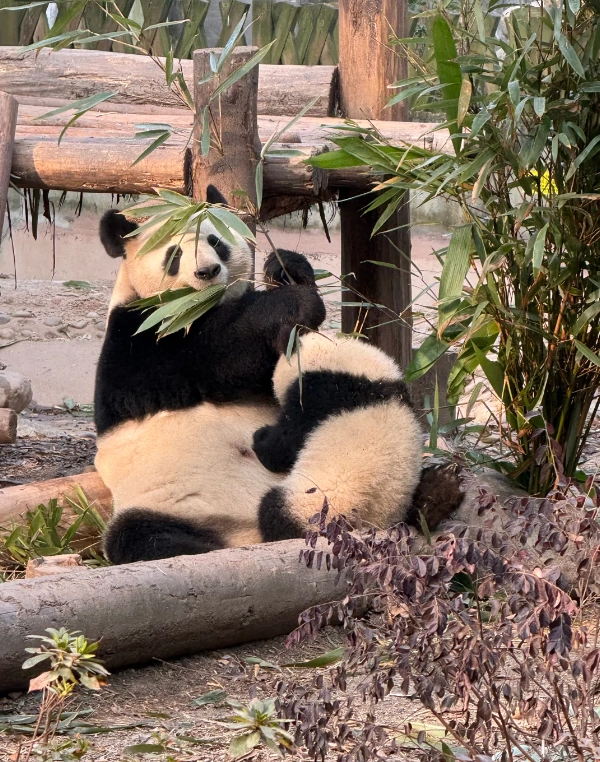
Day 2: History, Temples, and Jinli Street
Today is about Chengdu's layered past. Start at Wuhou Shrine (Wuhouci), a temple complex commemorating Zhuge Liang, the legendary strategist of the Three Kingdoms period. It's serene, with ancient cypress trees and red walls perfect for photos. The museum sections are dense with history, so I often suggest focusing on the atmosphere rather than every plaque. Address: 231 Wuhouci Street. Ticket: RMB 50. Metro: Line 3, Gaoshengqiao Station, Exit D.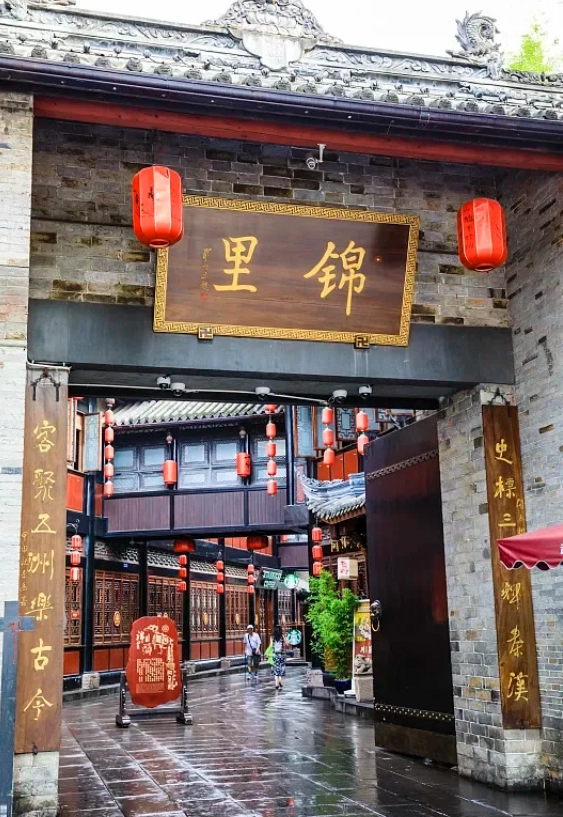
Right next door is Jinli Ancient Street. Honestly, it's touristy. But it's fun touristy if you go with the right expectations. Go for the street snacks, not the souvenirs. Things to try here: Zhangfei Beef (sold by men with painted black faces), sweet rice balls (tangyuan), and spicy skewers. Come hungry for lunch.
In the afternoon, take a short taxi or Didi (about 15 mins) to Wenshu Monastery (Wenshuyuan). This is a working Buddhist monastery, quieter and less commercial than Wuhou. The architecture is beautiful, and the attached vegetarian restaurant is famous. You can have dinner here—their mock-meat dishes are an experience. Address: 66 Wenshuyuan Street. Free entry to the monastery grounds; the vegetarian restaurant is pay-per-dish.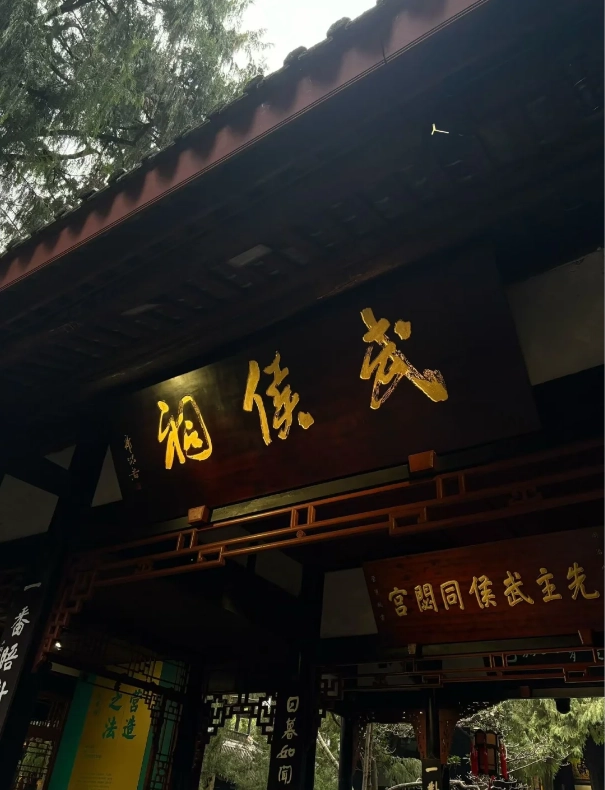
Day 3: Day Trip to Leshan Giant Buddha
This is a must-do, but it requires planning. The Leshan Giant Buddha is a 71-meter tall statue carved into a cliff face. To see it properly, you need to be on the ground looking up and on the cliff top looking down.
How to get there: The easiest way is the high-speed train from Chengdu East Railway Station to Leshan Station. Trains run frequently, take about 50 minutes, and cost around RMB 50-60 one way. From Leshan Station, take taxi or bus K1 to the scenic area entrance.
The Strategy: Buy the "through ticket" (RMB 80) which includes entry to the mountain park and a boat ticket. Here's my non-consensus advice: Take the boat first. Go straight to the dock (it's a separate entrance). The 30-minute boat ride gets you the iconic frontal view of the Buddha without any climbing. The queues here are usually shorter than the mountain path. After the boat, enter the mountain park to walk around the head and descend the narrow staircase beside the Buddha (be prepared for a wait here—it can be over an hour on busy days). This two-angle approach gives you the complete picture.
Grab lunch in Leshan city before heading back—it's known for its own style of Sichuan food, like Leshan Bobo Chicken.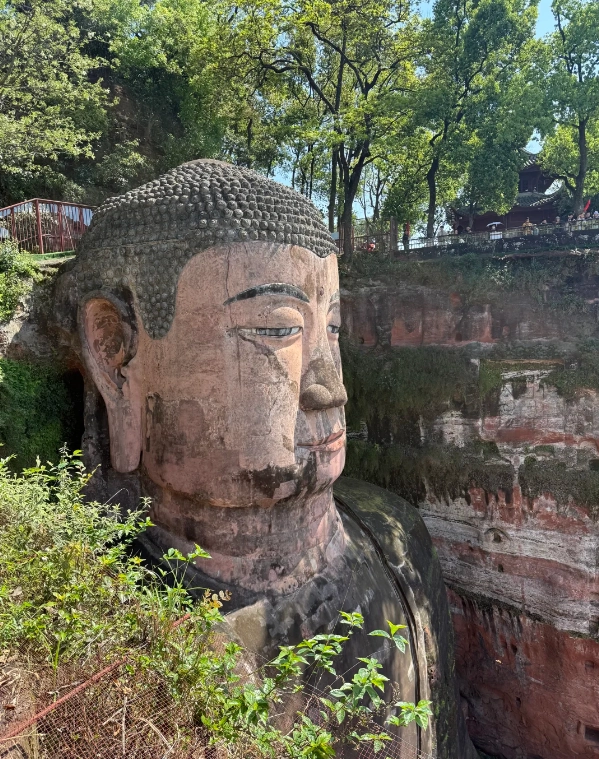
Day 4: Ancient Town and Sichuan Opera
Forget the overly restored tourist towns. Let's go to Huanglongxi Ancient Town. It's about an hour by road from downtown, but it retains some genuine old architecture alongside the commercialism. The key is the stream running through the middle, crossed by stone bridges. It's photogenic. How to get there: Take Metro Line 5 or 6 to Huagui Road Station, Exit B. Walk to the "Chengdu Tourist Dispersion Center" bus station right outside. Buses to Huanglongxi depart regularly (RMB 10-15, 1 hour). Spend the morning wandering the alleys and trying local snacks like stone-ground bean curd.
Return to Chengdu by mid-afternoon. Tonight, experience Sichuan Opera. The best venue, in my opinion, is the Shufengyayun Opera House inside the Culture Park. It's the original and most respected. The show includes face-changing (bian lian), fire-spitting, puppetry, and acrobatics. Address: Inside Culture Park, 23 Qintai Road. Shows usually at 8:00 PM. Book tickets online in advance or through your hotel. Expect to pay RMB 200-300 for a good seat.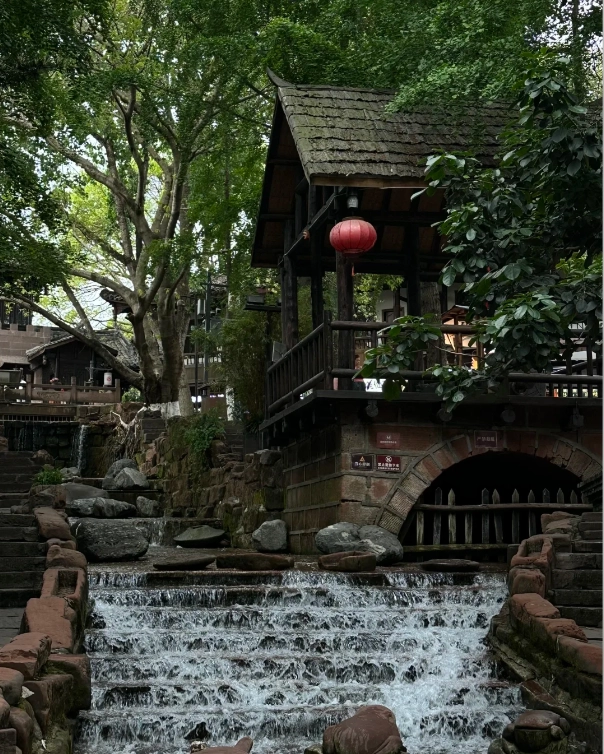
Day 5: Local Markets and Relaxation
Your last day. Let's go local. Visit a wet market. I like the one around Yushuang Road or the area near Qingyang Gong (Green Goat Palace). It's a sensory overload of fresh produce, spices, live poultry, and locals bargaining. It's not a tourist attraction; it's real life. Go in the morning when it's liveliest.
Afternoon is for last-minute shopping or relaxing. If you want souvenirs, Kuanzhai Alley (Kuanzhai Xiangzi) is the polished option—three restored alleys with cafes, boutiques, and craft shops. It's clean and pleasant. Metro: Line 4, Kuanzhai Alley Station.
Alternatively, just find a nice cafe in the Tongzilin area (south of the city center) and reflect on your trip. Your final meal should, of course, be another hot pot.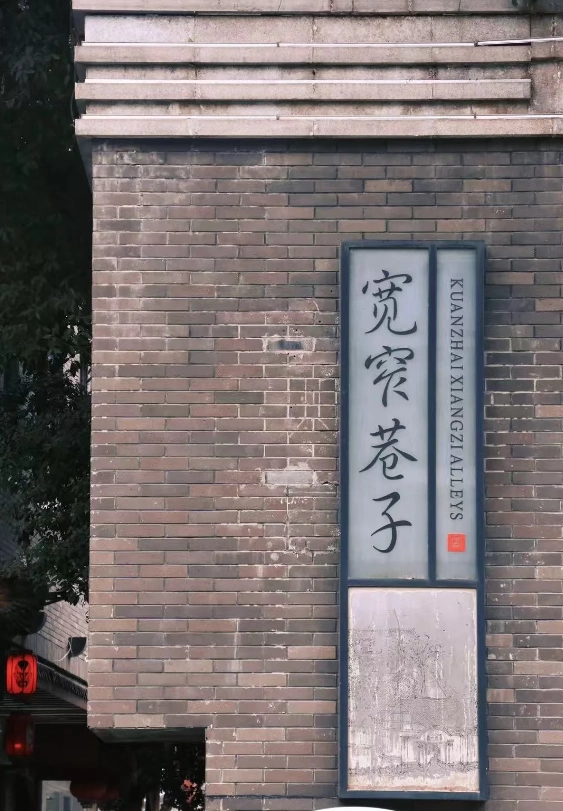
How to Get Around Chengdu
Chengdu's metro system is excellent and expanding. It's the fastest way to avoid traffic. Download the Tianfu Tong app, link a credit card, and scan the QR code at the gate. No need to buy tokens. Taxis and Didi (China's Uber) are plentiful and cheap for shorter distances. For trips to train stations or the airport, Didi is often more reliable than hailing a cab.
For this itinerary, you'll need a mix: Metro for city days, high-speed train for Leshan, and bus/taxi for Huanglongxi.
Where to Stay in Chengdu
Location is everything. I recommend staying near a major metro line intersection in the city center.
| Area | Best For | Hotel Example & Address | Price Range (per night) |
|---|---|---|---|
| Chunxi Road / Tianfu Square | First-timers, shoppers, foodies. Central hub with multiple metro lines. | Niccolo Chengdu (1 Zongfu Road). Ultra-modern, great service. | RMB 800 - 1500+ |
| Jinjiang / Near People's Park | A more local, historic feel. Close to tea houses and older neighborhoods. | Holiday Inn Chengdu Jinjiang (18-1 Renmin South Road). Reliable and well-located. | RMB 500 - 900 |
| Tongzilin / South City | Trendy cafes, quieter streets, boutique hotels. A bit further from some sights. | The Temple House (Bitieshi Street, near Taikoo Li). Stylish, part of a chic complex. | RMB 1000 - 2000+ |
| Near Wuhou Shrine | Budget travelers, hostel atmosphere, direct access to Jinli. | Mix Hostel (256 Wuhouci Street). Social, clean, great for solo travelers. | RMB 80 - 200 (dorm/private) |
Chengdu Food Guide: What and Where to Eat
You can't come to Chengdu and not eat. Here's my shortlist of must-tries and where I'd go.
Hot Pot (Huoguo)
The king of Sichuan meals. Xiaolongkan Hotpot is a famous chain for a reason—consistent, flavorful, and used to foreigners. Their Yulin Road branch is always busy. Address: 23 Yulin Road. My order: Spicy butter broth, sliced beef, goose intestines, tripe, and huanghou (a type of noodle). Expect RMB 100-150 per person. If you want a more upscale, less chaotic experience, Shu Jiuxiang Hotpot (various locations) is excellent.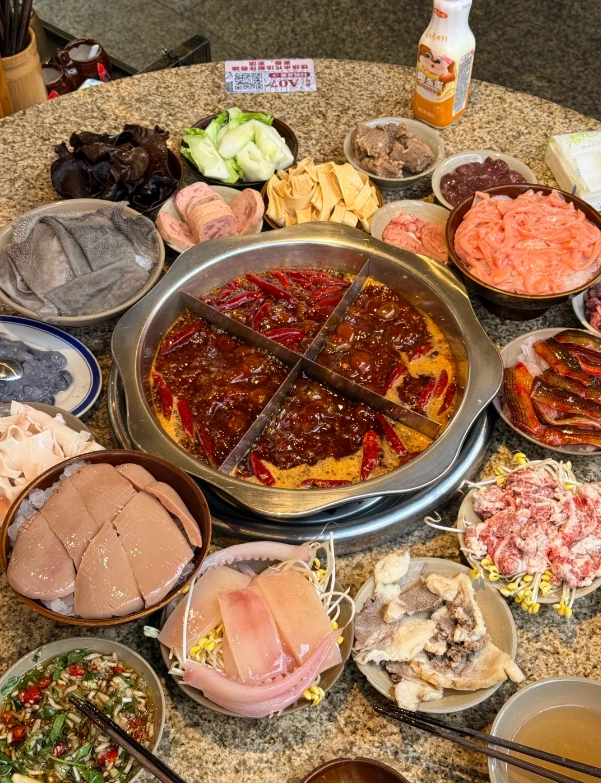
Dan Dan Noodles
Wheat noodles with a spicy, nutty, pork-topped sauce. Long Chaoshou in the snack hall on Chunxi Road does a classic version. It's a food court setting—order a small bowl as part of a snack tour. RMB 15-20.
Mapo Tofu
The name of the dish comes from a restaurant. Chen Mapo Tofu (Chen Ma Po Dou Fu) is the original spot, founded by the "pockmarked grandma" herself. It's a no-frills, locals-only kind of place. The tofu is numbing, spicy, and unforgettable. Address: 197 Yulin Road. RMB 30-50 for a plate.
Street Food & Snacks
Find a "Sichuan Snacks" restaurant. Order a bunch of small plates: Zhong Dumplings, Lai Tangyuan (sweet rice balls), and Fuqi Feipian (cold beef and offal in chili oil). Baguo Buyi is a reliable chain with many locations.
FAQ: Your Chengdu Trip Questions Answered
This itinerary packs in the essence of Chengdu without rushing you to death. It balances icons with local life, spice with serenity. Follow it, tweak it, make it yours. And remember, the best moments often come from getting a little lost down a side alley where the hot pot smells the strongest.
This article has been fact-checked.





No comments yet.