 Wei Zhang
Let’s cut to the chase. After ten years of guiding families, backpackers, and foodies through this city, I can tell you there’s no single "perfect" time to visit Chengdu. Anyone who says otherwise is selling you a postcard. The "best" time depends entirely on what you want. Do you dream of seeing baby pandas tumbling in the sunshine? Or is your ideal trip built around steamy hotpot on a chilly evening, with no tourist crowds in sight?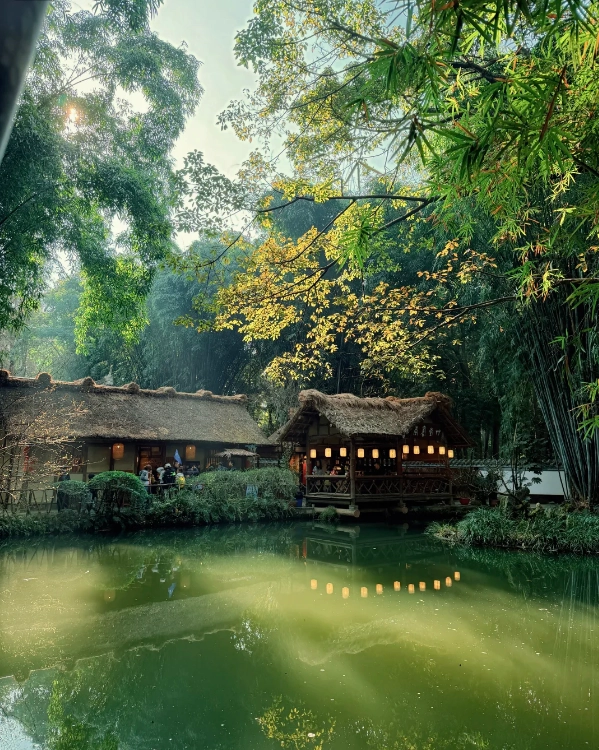
My job is to give you the real picture, season by season, with the gritty details most blogs skip. I’ll tell you when the humidity will glue your shirt to your back, which months the famous teahouses are actually pleasant, and how to avoid the mistake 70% of my first-time visitors make: coming during a major holiday without knowing it.
Your Quick Trip Planner
Spring (March to May): The Sweet Spot
This is the season most generic guides push, and for good reason. The weather is genuinely pleasant. But "pleasant" means different things in early March versus late May.
Early Spring (March) can still carry a bite. You’ll need a light jacket, especially in the shade or after sunset. The real magic starts in April. The city’s countless parks explode with color. I always take my groups to People’s Park (Renmin Park) in mid-April. The wisteria and azaleas are stunning, and the famous Heming Teahouse is perfect—warm enough to sit outside, but not yet sweltering. Get there around 2 PM, grab a seat by the water, order a zhuyeqing tea (my personal pick), and just watch local life unfold. The address is Qingyang District, 12 Shaocheng Road. Take Metro Line 2 to People’s Park Station, Exit B, and walk straight in.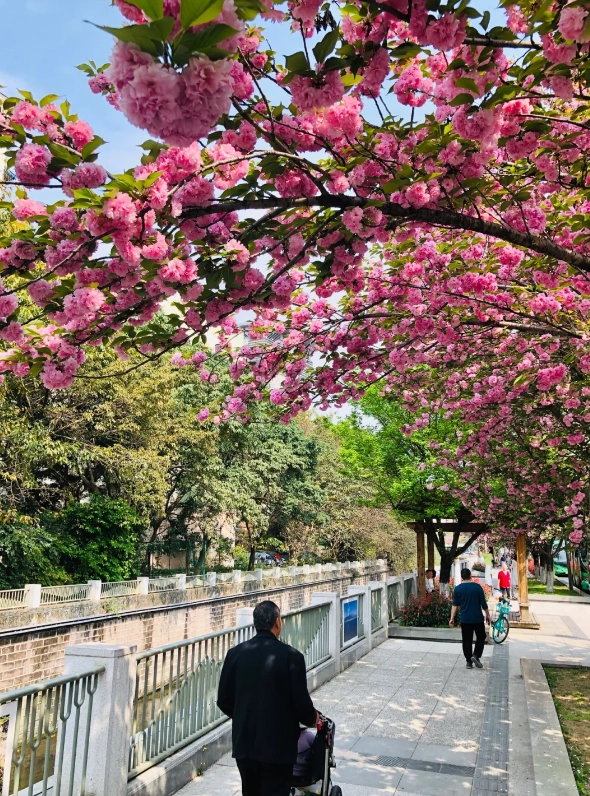
Panda Pro-Tip:
Most tours arrive at the Chengdu Research Base of Giant Pandas (Xiongmao Jidi) at 9 AM. It’s a zoo (literally). Instead, aim for a weekday afternoon around 1:30 PM. The morning crowds are gone, and the pandas are often more active during their afternoon feeding time. The light is also better for photos. Take Metro Line 3 to Panda Avenue Station, then hop on the direct shuttle bus. Adult tickets are 55 RMB.
The downside? Everyone knows about spring. Book your hotels at least three weeks in advance. Flights get pricier. And if you come during the first week of May (International Labor Day holiday), you’ll be sharing every square inch of the Wide and Narrow Alleys with what feels like half of China.
Summer (June to August): Hot, Humid & Lively
Let’s be real: Chengdu summers are intense. From late June through August, the city sits in a bowl of warm soup. Temperatures hover around 30-35°C (86-95°F), and the humidity is consistently high. Walking from a metro station to a sight can leave you drenched.
So why would anyone come? Two reasons: vibrancy and food.
Summer evenings are when Chengdu truly comes alive. The heat breaks slightly, and every street corner seems to have a pop-up barbecue or cold noodle stall. The best hotpot experience? It’s in summer. Sitting in an open-air courtyard, sweating profusely, dunking tripe into a fiery broth—it’s a cathartic, communal ritual. My go-to spot for this is Long Sen Yuan at 256 Shuhan Road. It’s not fancy (Google Maps rating: 4.2), but the atmosphere is electric. Expect to spend 80-120 RMB per person. They’re open until 2 AM.
Plan your days strategically. Sightsee in the early morning (8 AM - 11 AM) or late afternoon (4 PM onward). Use the scorching midday for long, lazy lunches or indoor activities like the Sichuan Museum or a shopping mall. And always, always carry a small towel and a portable fan.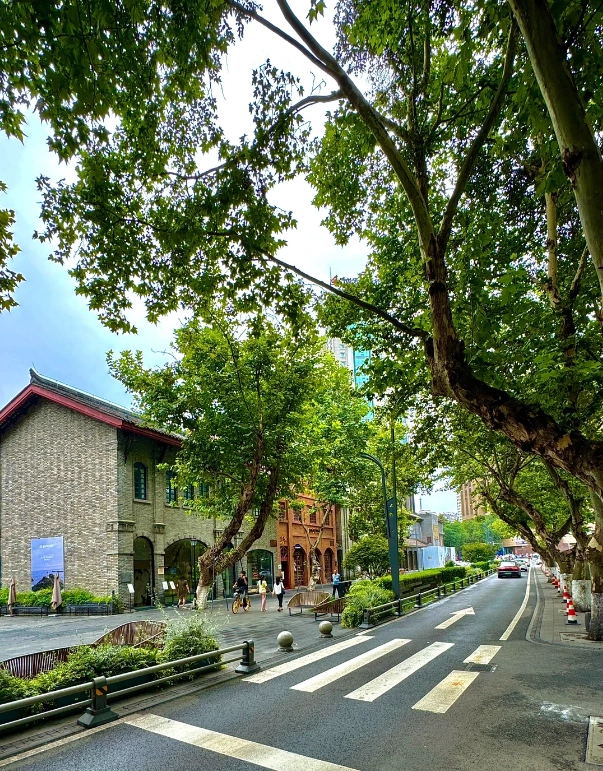
Autumn (September to November): The Local Favorite
Ask any Chengdu local when they’d show their friend around, and nine out of ten will say autumn. This is my personal favorite season to guide.
The oppressive heat fades by mid-September, leaving behind clear, sunny days and cool, crisp nights. It’s the ideal climate for walking. I love guiding walks through the historic Kuanzhai Alley (Wide and Narrow Alleys) complex in autumn. The tourist numbers from summer have dropped, and you can actually appreciate the Qing-era architecture without being jostled. The best time to go is on a weekday morning. Take Metro Line 4 to Kuanzhai Alley Station, Exit D.
This is also prime time for day trips. The journey to the Leshan Giant Buddha is glorious. You can stand on the deck of the ferry (about 70 RMB) in perfect comfort, getting the full view of the 71-meter tall statue carved into the cliff. In summer, this deck is an oven; in autumn, it’s a pleasure. Book the high-speed train from Chengdu East to Leshan Station (about 1 hour), then a taxi to the ferry pier.
A warning: National Day Golden Week (around October 1-7) falls in this season. Avoid it like the plague unless you enjoy monumental crowds. The week before or after is perfect.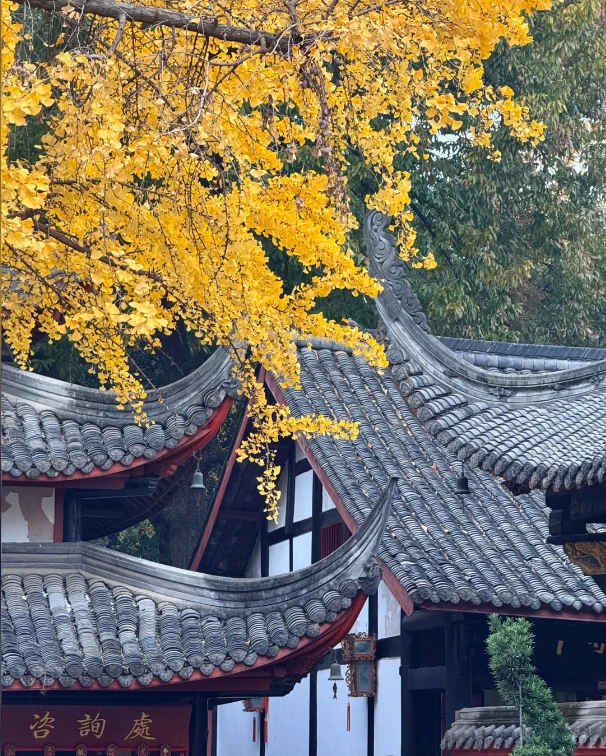
Winter (December to February): Cozy & Crowd-Free
Winter is Chengdu’s secret bargain. Yes, it’s chilly (averaging 5-10°C/41-50°F), overcast, and can be damp. You won’t get pretty blue-sky photos. But what you get in return is authenticity and space.
The tourist crowds vanish. You’ll have the pandas almost to yourself. You can get a prime seat at any teahouse without waiting. This is the season to dive deep into Chengdu’s indoor culture. Spend hours in a bookshop like Fangsuo in Taikoo Li, or explore the incredible Jinsha Site Museum (Jinsha Yizhi Bowuguan, 2 Jinsha Site Road, 70 RMB entry) without the noise.
And then there’s the food. Winter is built for hotpot, stews, and grilled skewers. The city’s famous Chuan Chuan Xiang (skewer hotpot) hits differently when there’s a nip in the air. My recommended spot is Yulin Chuan Chuan Xiang at 13 Yulin Middle Road. It’s a local institution. Grab a basket, pick your skewers (everything from lotus root to beef stomach), and pay by the stick (about 0.8 RMB each).
Just pack smart. A waterproof jacket, layers, and warm socks are non-negotiable. The lack of central heating in many older buildings and restaurants means you’ll often be colder indoors than out.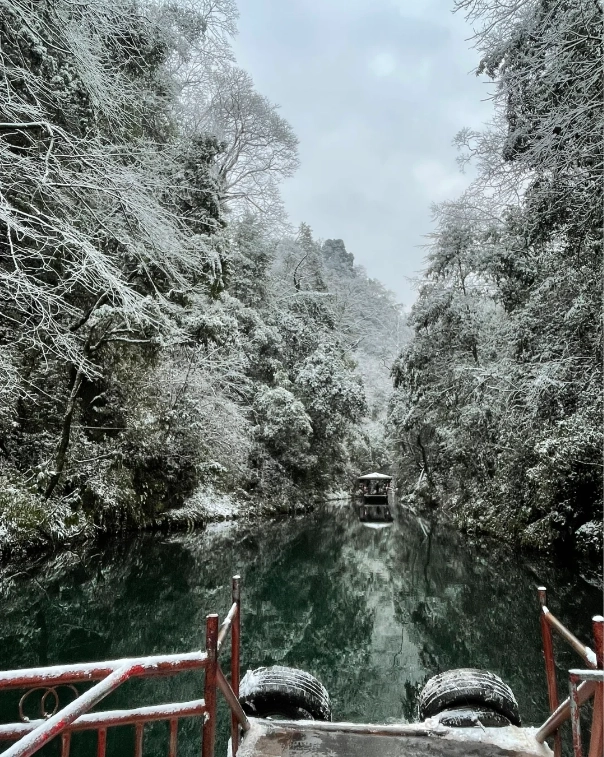
Your Month-by-Month Decision Guide
| Month | Weather Vibe | Crowd Level | Best For | Pack This |
|---|---|---|---|---|
| March | Unpredictable, cool to mild. Jacket weather. | Moderate, rising. | Early blossoms, lower prices before peak. | Layers, light jacket, umbrella. |
| April | Most pleasant. Warm days, cool nights. | High. Peak tourist season. | Park visits, panda viewing, outdoor teahouses. | Light sweater, comfortable walking shoes. |
| May | Starting to warm up, can be humid. | Very High (avoid first week). | Day trips to nearby mountains. | Short sleeves, sun hat, sunscreen. |
| June | Hot and humid. Rainy season begins. | High (school holidays start). | Vibrant night markets, indoor museums. | Quick-dry clothes, rain poncho, powerful deodorant. |
| July & August | Peak heat & humidity. Scorching. | High (domestic tourists). | The full, sweaty hotpot experience, escaping to Qingcheng Mountain. | Portable fan, towel, lots of light t-shirts. |
| September | Heat breaks. Perfect, sunny clarity. | Moderate (post-summer drop). | Long walks, photography, day trips. | Light layers, perfect walking shoes. |
| October | Excellent, crisp. Best weather. | Very High (first week only). Low otherwise. | Everything. The ideal all-around month (avoid Nat'l Day). | Jacket for evenings, sunglasses. |
| November | Cooling down, becoming grey. | Low. | Cultural sites, food tours without queues. | Warmer jacket, scarf. |
| December-Feb | Chilly, damp, overcast. Little snow. | Lowest of the year. | Budget travel, cozy food focus, having sights to yourself. | Thermals, waterproof coat, warm hat. |
Your Burning Questions, Answered
Is summer too hot and rainy for Chengdu?
It's challenging, but manageable with a local's schedule. The heat is a wet, sticky heat that gets under your clothes. The key is to embrace the rhythm of the city: be active early and late, surrender to a long lunch or museum visit in the peak afternoon heat, and understand that you will sweat. The rain usually comes in short, heavy bursts, not all-day drizzles. Carry a foldable umbrella and plan indoor backups.
I hate crowds. When is the absolute quietest time?
Hands down, the three weeks between January 10th and Chinese New Year (which varies between late Jan and mid-Feb). This is the deep winter lull. Tourist numbers are at rock bottom, and even locals are hunkering down. You'll find amazing hotel deals and no lines anywhere. The trade-off is the grey, chilly weather and some smaller, family-run food stalls might be closed as owners travel for the upcoming holiday.
I'm coming for the pandas. Does the time of year affect seeing them?
Yes, significantly. Pandas are most active in cooler weather. In the sweltering summer, they often laze about in the shade or indoors in air-conditioned enclosures, which is less exciting. For the best chance of seeing them play, climb, and eat, target the cooler months: late autumn, winter, and early spring. If you visit in summer, go right at opening time (7:30 AM) when it's coolest.
What's the one mistake most first-time visitors make with timing?
Not checking the Chinese public holiday calendar. They'll book a dream trip for early October, only to find themselves in a human traffic jam. The major ones to avoid are Chinese New Year (7-day period, dates change), Labor Day (first week of May), and National Day (first week of October). If your trip must overlap, book every single thing—flights, hotels, even high-speed train tickets—months in advance, and prepare for inflated prices.
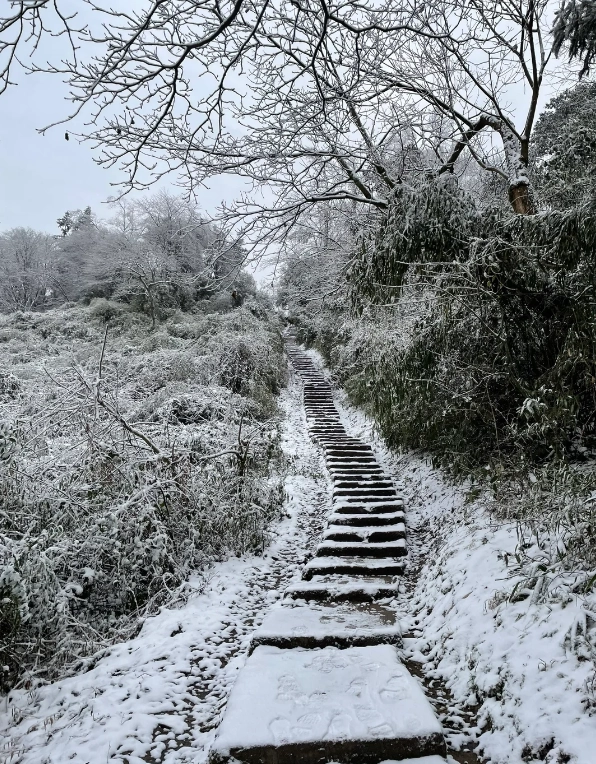 So, what’s the verdict? If you want the classic postcard trip with great weather, shoot for April or October (just mind the holiday). If you’re a foodie who doesn’t mind heat, embrace the vibrant summer nights. For the best mix of good weather and local feel, aim for late September or early November. And if you’re on a budget and crave an authentic, crowd-free experience, give winter a serious chance.
No matter when you land, Chengdu has a flavor to offer. My last piece of advice? Book a hotel near a metro line (Line 2 or 3 are most useful), pack an open mind and a stretchy stomach, and you’ll have a fantastic time.
This article is based on my firsthand experience guiding in Chengdu over the last decade. Details like prices and opening hours are checked regularly, but always confirm with official sources before your final plans.






No comments yet.