 Chen Liu
I've lost count of how many times I've been asked, "So, when is the best time to visit Zhangjiajie?" My answer is always the same: it depends entirely on what you want. Do you dream of those iconic misty peaks floating above the clouds? Are you trying to dodge the massive tour groups? Or maybe you're on a tight budget? Having guided countless families, photographers, and solo travelers through these mountains for years, I can tell you there's no single perfect date. But there is a perfect date for you. Let's cut through the generic advice and get into the real, practical details that will shape your trip.
If you forced me to pick, I'd say late April to early June, and September to October are the sweet spots. But that's only half the story. Visiting in the humid summer or the crisp, quiet winter can be fantastic—if you know what you're getting into and how to plan around it.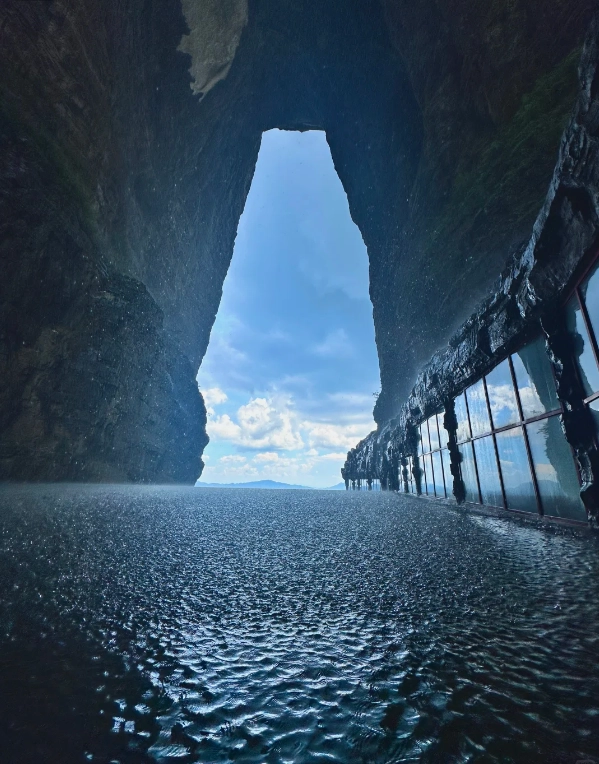
Quick Navigation
Why Timing is Everything in Zhangjiajie
This isn't a city park. Zhangjiajie's magic is 100% weather-dependent. The landscape is the star, and the weather is the director. Get it wrong, and you'll see a forest of stone pillars. Get it right, and you'll witness a scene from Avatar. The two biggest factors are mist and rain. Light, drizzly rain is often your friend—it creates the famous sea of clouds. A heavy downpour means you'll see nothing but grey. Summer heat brings haze that flattens the views. Winter cold can bring surreal frost and empty trails, but some higher paths might be closed for safety.
The other monster is crowds. The main viewing platforms at Yuanjiajie (the "Avatar Hallelujah Mountain" area) are about the size of a tennis court. Now imagine 500 people trying to take a photo there at 11 AM. It happens. Your choice of season and, more importantly, your daily schedule within that season, will determine whether you have a spiritual experience or spend your day in a slow-moving queue.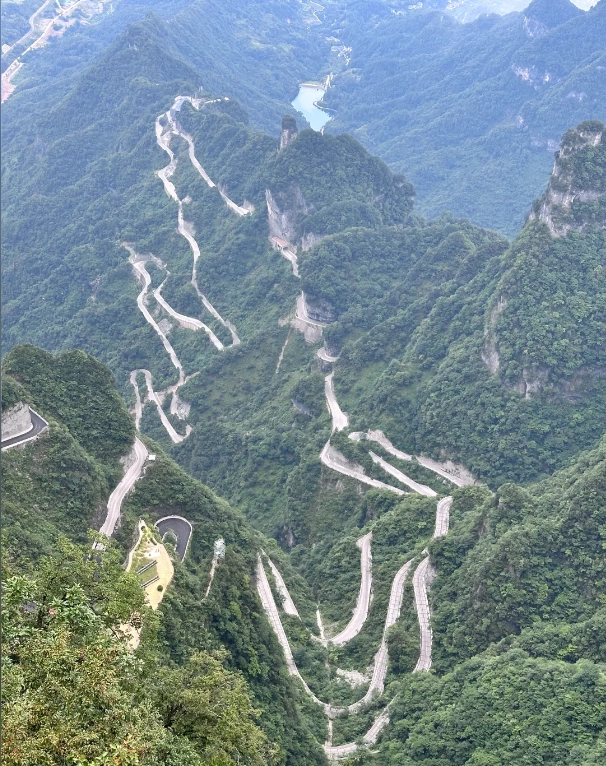
Zhangjiajie Through the Seasons: A Detailed Breakdown
Forget vague descriptions. Here’s exactly what to expect, month by month, from someone who's been there in pouring rain, blistering sun, and perfect, crystal-clear cold.
Spring (March - May)
This is prime time for that classic, dreamy Zhangjiajie look. The forests are a vibrant green, and frequent, gentle showers create those legendary clouds that wrap around the peaks. It's cool and comfortable for hiking.
I once took a German photography group in mid-April. We got up at 5 AM for the first shuttle bus. By 6:30 AM, we were alone on the platform at Emperor's Throne, watching the clouds boil up from the valleys below. By 9 AM, the same spot was a packed tourist scrum. The season doesn't change the need for an early start.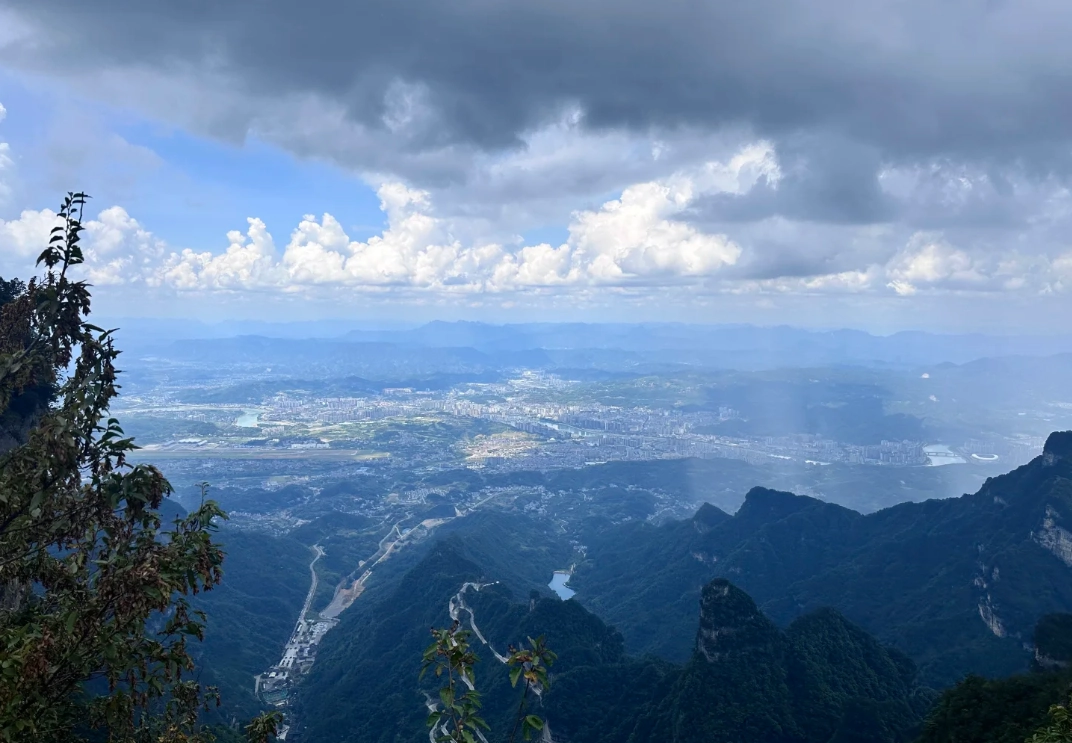
Summer (June - August)
Most guides will tell you to avoid summer. I get it. It's hot (30-35°C/86-95°F), humid, and crowded with domestic school holidays. But hear me out. Summer has the most reliable, dramatic thunderstorms in the late afternoon. If you're lucky, you'll get a spectacular clearing right after a storm, with unreal light and clean air. The catch? You have to be strategic.
- Go Very, Very Early: Enter the park at 7:00 AM when it opens. Do your major sightseeing before 11:00 AM.
- Embrace the Rain: A forecast of "scattered thunderstorms" is ideal. Hike in the morning, wait out a brief afternoon shower, then enjoy the refreshed park later.
- Hydrate Like Crazy: The shuttle buses have AC, but the walks between stops do not. I've handed out more electrolyte packets in July than I can count.
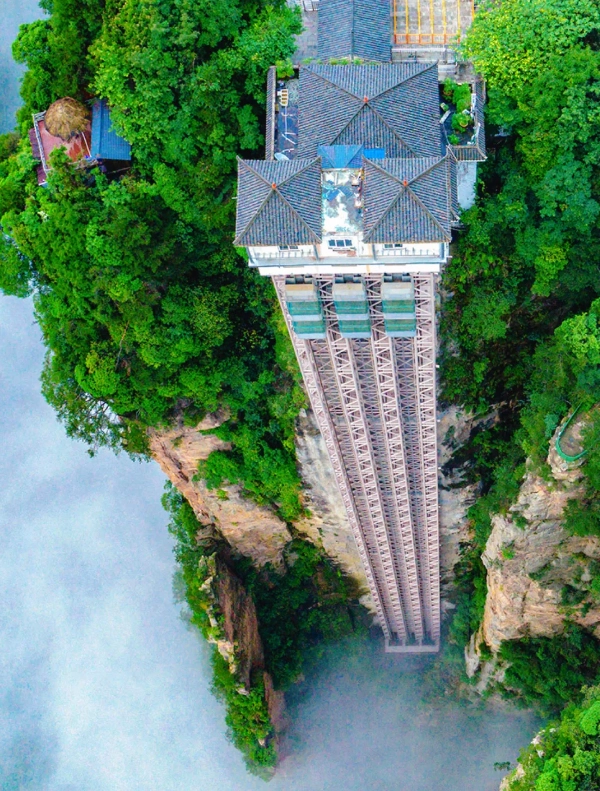
The queues for the Bailong Elevator and the cable cars can be over two hours long at peak times. Book your park tickets online in advance (official WeChat account: "Zhangjiajie National Forest Park") and consider the less-crowded Tianzi Mountain cable car as an alternative.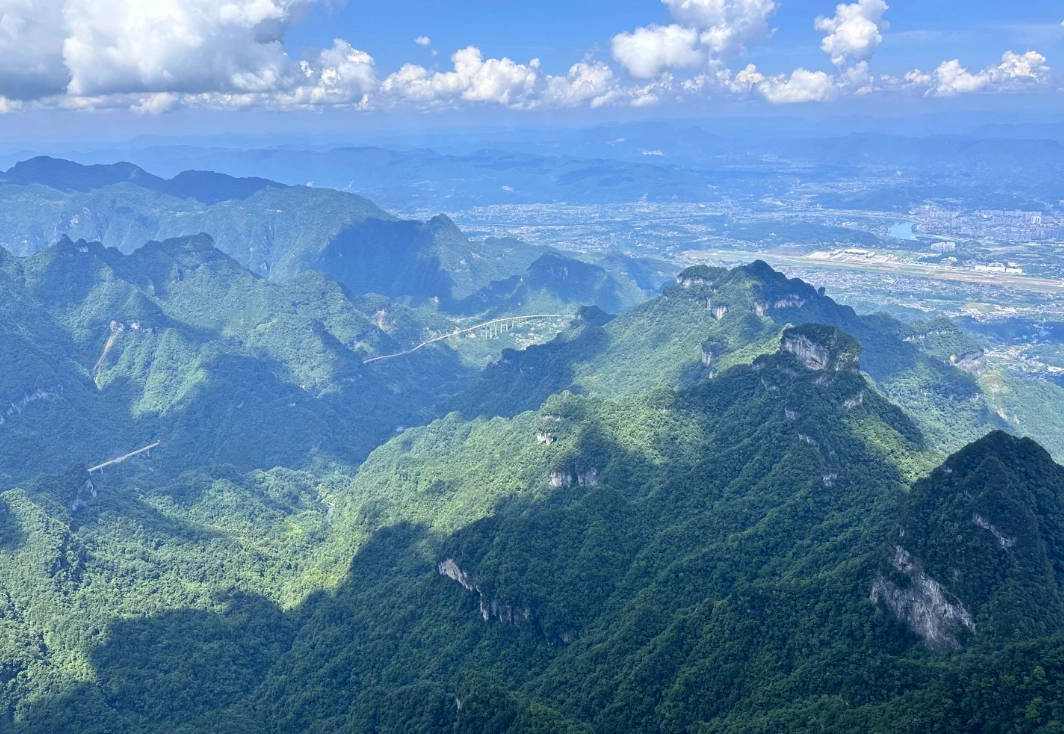
Autumn (September - November)
My personal favorite. The weather is stable—sunny, dry, with crisp blue skies and comfortable temperatures (10-22°C/50-72°F). The visibility is the best of the year, perfect for those long, panoramic shots. The crowds thin out significantly after the National Day holiday in early October.
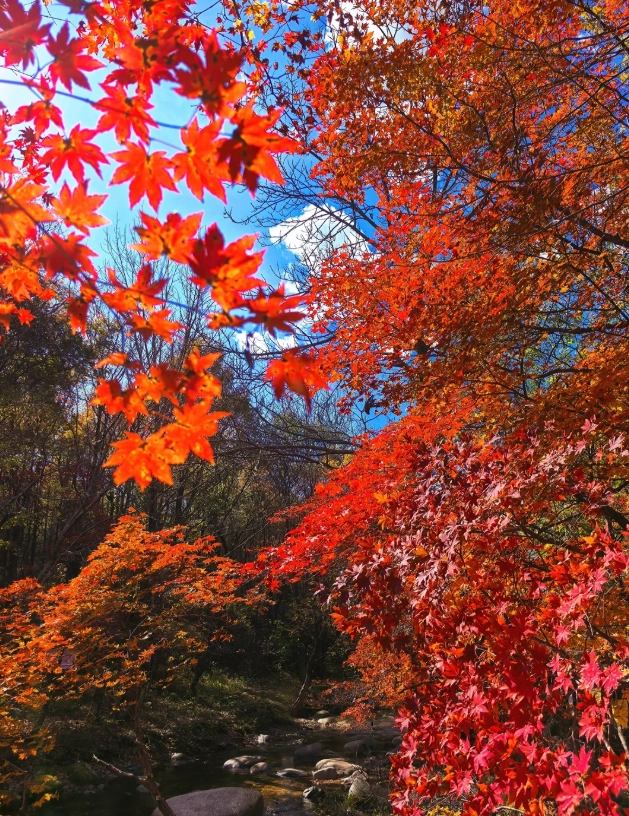
October is a tale of two halves. The first week (National Day) is the single busiest period in the entire year. The second and third weeks are pure gold. I've walked the Golden Whip Stream trail in late October and passed maybe ten other people. The maple leaves start turning in November, adding splashes of red and gold to the evergreen landscape. Nights get chilly, so pack a good jacket.
Winter (December - February)
The most underrated season. Yes, it's cold (can drop below freezing at higher elevations), and yes, some trails and the Zhangjiajie Glass Bridge might close temporarily due to ice. But. The crowds are virtually nonexistent. Seeing the quartz-sandstone pillars dusted with snow is a sight few tourists ever experience. The air is piercingly clear.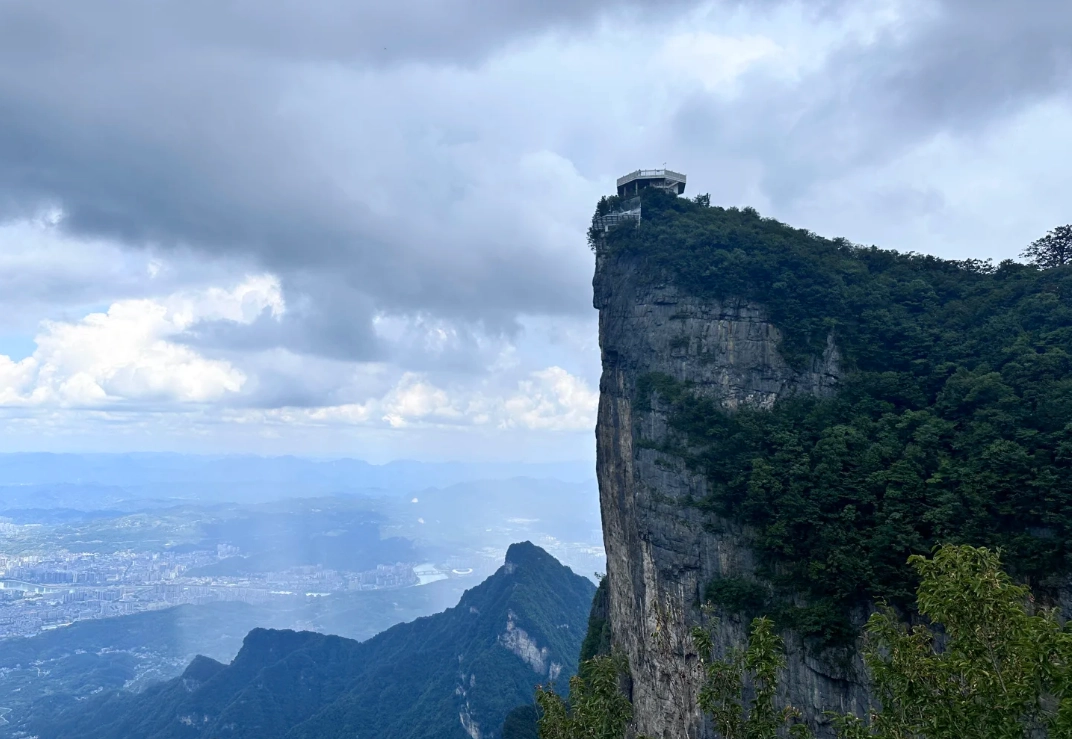
The Chinese New Year period (late Jan/early Feb) sees a surge of local visitors, but it's still quieter than other holidays. The downside? The famous mist is rare. You get stark, graphic landscapes instead of soft, mystical ones.
The Real Crowd Calendar (Not the Official One)
Here’s a blunt look at when the masses arrive. Plan your park entries and key sights around these peaks.
| Peak Crowd Period | What's Happening | My Recommended Workaround |
|---|---|---|
| Labour Day Holiday (Late Apr/Early May, 5 days) |
The worst of the worst. All of China is on the move. Hotels triple in price. | If you must be here, stay in Wulingyuan Town, enter the park at the Yangjiajie Ticket Station (less known), and focus on the less-hyped Yellow Stone Village (Huangshizhai) loop. |
| Summer School Break (Mid-July to Late August) |
Families everywhere. Long, hot queues for transport. | Stay near the Forest Park Ticket Station. Enter here, hike the Golden Whip Stream first thing (it's cooler and shaded), then take the cable car up from Shuiraosimen. Reverse the standard route. |
| National Day "Golden Week" (Oct 1-7) |
Extremely busy, but better organized than Labour Day. Weather is usually great. | Book everything months in advance. Use the official park app to reserve shuttle bus time slots for busy routes (like to Yuanjiajie). Be at the gate before 6:45 AM. |
| Chinese New Year (Late Jan/Feb, 7 days) |
Busy, but mostly domestic family travel. Winter conditions limit some movement. | A good time to visit if you don't mind the cold. Crowds are concentrated on sunny days and around the main cable cars. Hike the trails—they'll be quiet. |
How to Plan Your Visit: Itineraries That Actually Work
Your daily plan matters more than your flight date. Here’s how I structure days for different lengths of stay.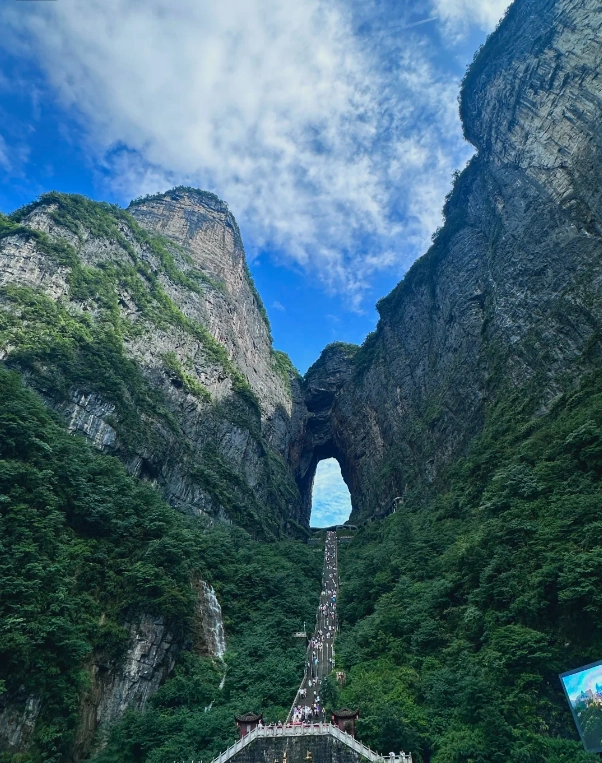
If You Only Have 2 Days (The Classic Highlights)
Day 1: The Avatar Mountains & Tianzi Peak. Enter at the Wulingyuan Ticket Station (the main one). Take the shuttle bus directly to the Bailong Elevator (get there before 8:30 AM to beat the worst line). Ascend, explore Yuanjiajie (Avatar Hallelujah Mountain, First Bridge Under Heaven). Walk to the shuttle bus stop for Tianzi Mountain. After lunch, explore Tianzi's platforms (Emperor's Throne, Fairy Presenting Flowers). Take the Tianzi Mountain Cable Car down (shorter queues than Bailong). Shuttle bus back to the exit.
Day 2: Golden Whip Stream & Yellow Stone Village. Enter at the Zhangjiajie National Forest Park Ticket Station (different from Wulingyuan!). Walk the flat, stunning Golden Whip Stream path (about 2.5 hours one way). You'll see monkeys here—keep food hidden. At the end, you have a choice: take the cable car up to Yellow Stone Village (Huangshizhai) for a 2-hour circular walk with 360-degree views, or take the free shuttle bus to the Ten-Mile Natural Gallery and ride the cute tourist train. Exit from the Wulingyuan side.
If You Have 3+ Days (Deeper Exploration)
Add Yangjiajie on Day 3. It's accessed from the Wulingyuan entrance but feels wilder. The "Overcoming Dragon Cliff" walkway is thrilling. Fewer tour groups come here. Alternatively, visit the Zhangjiajie Grand Canyon & Glass Bridge (tickets: ¥259 adult). It's a separate park about 40 minutes drive away. Book Glass Bridge tickets online days in advance as they have visitor caps. It's impressive, but it's a full-day side trip.
Getting There and Getting Around: The Nitty-Gritty
Flying: Zhangjiajie Hehua International Airport (DYG) has connections to major Chinese cities. A taxi to Wulingyuan Town takes 40 mins and costs ¥80-100. There's also an airport shuttle bus.
Train: Zhangjiajie West Railway Station is on the high-speed network. From Changsha, it's about 2.5 hours. From the station, take bus line 6 or 7 to the city bus station, then transfer to a bus to Wulingyuan (¥20, 40 mins). A direct taxi is ¥60-80.
Inside the Park: Your 4-day park ticket (¥228 adult, ¥114 child 6-18, under 6 free) includes the free shuttle buses that connect all major areas. They are essential. The routes are color-coded. The green buses go to Tianzi Mountain/Yuanjiajie. The blue buses go to the Golden Whip Stream/Ten-Mile Gallery area. Maps at stops are in Chinese and English.
Extra Fees: The Bailong Elevator (¥72 one-way), cable cars (¥65-76 one-way), and the Ten-Mile Gallery train (¥38 one-way) are not included in the entrance ticket. They save time and legs. In peak season, they are often worth the cost to bypass hours of hiking.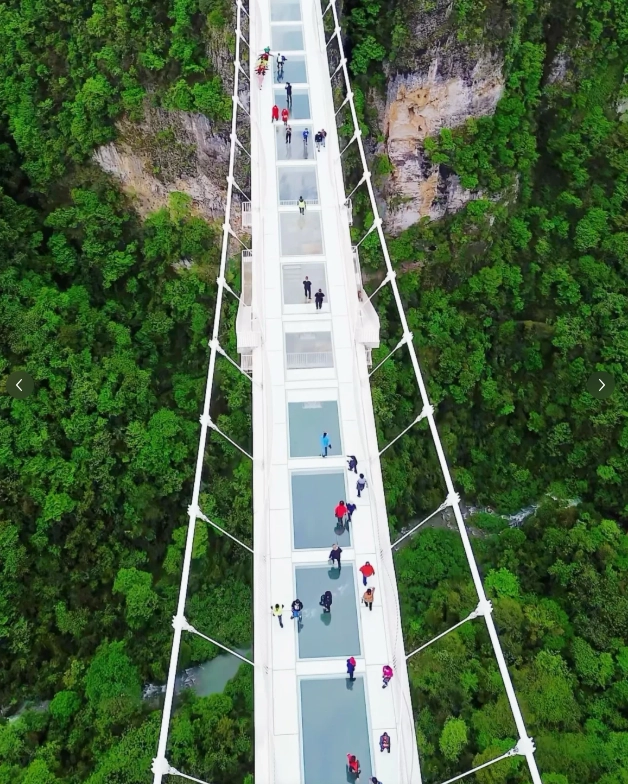
Your Questions, My Honest Answers
 Choosing when to visit Zhangjiajie is about balancing your priorities: weather, crowds, budget, and the specific experience you crave. There is no bad season, only bad planning. Use this guide as your blueprint, pack your sense of adventure (and good shoes), and you're guaranteed to have an unforgettable journey into these incredible stone forests.
This article is based on my extensive first-hand experience guiding in Zhangjiajie. Details regarding pricing and transport have been fact-checked against current local sources.





No comments yet.