 Ling Wu
Alright folks, gather round. I’ve lost count of how many times I’ve led groups here, and every single time, someone says, "Why didn't we come here first?" While everyone and their grandmother is elbowing for a photo on the Avatar Hallelujah Mountain viewing platform, you could be floating on an underground river, surrounded by formations that look like they're from another planet. That's Yellow Dragon Cave (Huanglong Dong). It’s not just a cave; it's a full-blown, four-story, water-and-stone symphony hidden inside a mountain. Most English guides treat it as a footnote to the national park. I'm here to tell you it deserves its own headline. Let's get into it.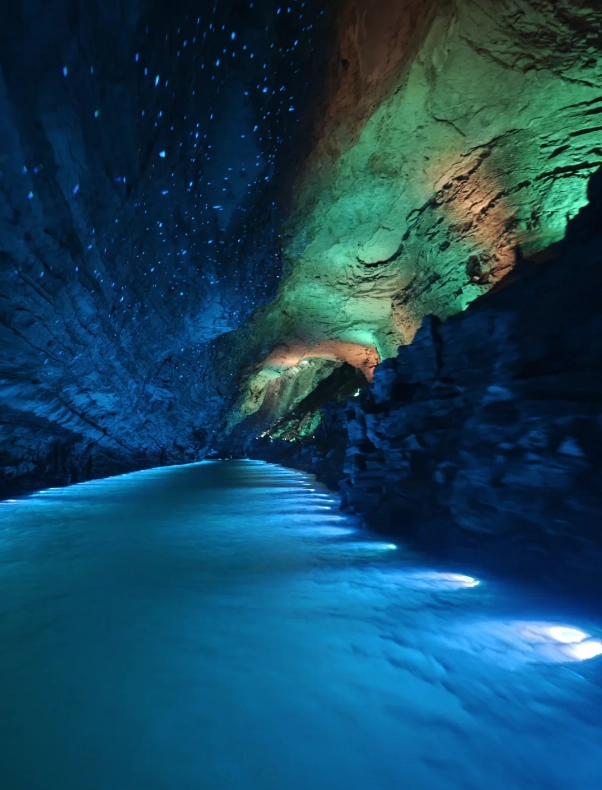
Your Quick Navigation to Yellow Dragon Cave
What is Yellow Dragon Cave?
Think of Yellow Dragon Cave as the grand, ornate palace underneath Zhangjiajie's famous jagged peaks. While the park above is all about towering quartz-sandstone pillars, down here it's a world of delicate karst formations—stalactites, stalagmites, stone curtains, and waterfalls—all sculpted by water over millions of years. The name comes from a legend about a yellow dragon residing here, but honestly, after you see the scale of the main hall, you'll believe any legend. It's one of the largest explored karst caves in Asia, with a total length of over 7.5 kilometers of mapped passages, though the tourist route covers about 3.2 km. The magic is in the variety: you'll walk, climb stairs, and most uniquely, take a serene boat ride on an underground river. It's cool in summer (a perfect escape from the heat) and surprisingly mild in winter.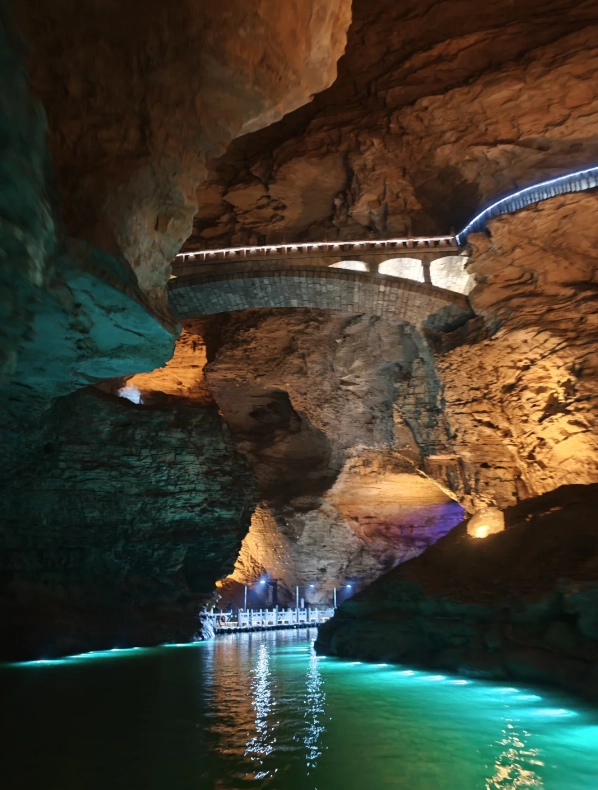
How to Get to Yellow Dragon Cave
This is where most independent travelers get tripped up. The cave isn't inside the main Zhangjiajie National Forest Park (that's in Wulingyuan). It's in its own scenic area, about 10 km from downtown Zhangjiajie City and roughly 36 km from the Wulingyuan park entrance. Don't mix them up.
Complete Address for Your Taxi/Map App:
Yellow Dragon Cave Scenic Area, Suoxi Valley, Wulingyuan District, Zhangjiajie City, Hunan Province, China. Show this to any driver.
From Zhangjiajie City Center (e.g., near the train station or airport)
By Taxi/Didi (Ride-hailing): This is the easiest. A direct taxi will cost between 40-60 RMB and take 25-35 minutes depending on traffic. Tell the driver "Huanglong Dong". Pro tip: Use the Didi app (English version available) for a fixed price and to avoid haggling.
By Public Bus: It's possible but involves a transfer. From the downtown bus station, take bus #1 or #2 to the "Bus Station for Wulingyuan". From there, you need to find the local green tourist bus #1 heading to Yellow Dragon Cave. It's cheap (under 20 RMB total) but can take over an hour. I only recommend this for the most budget-conscious and patient travelers.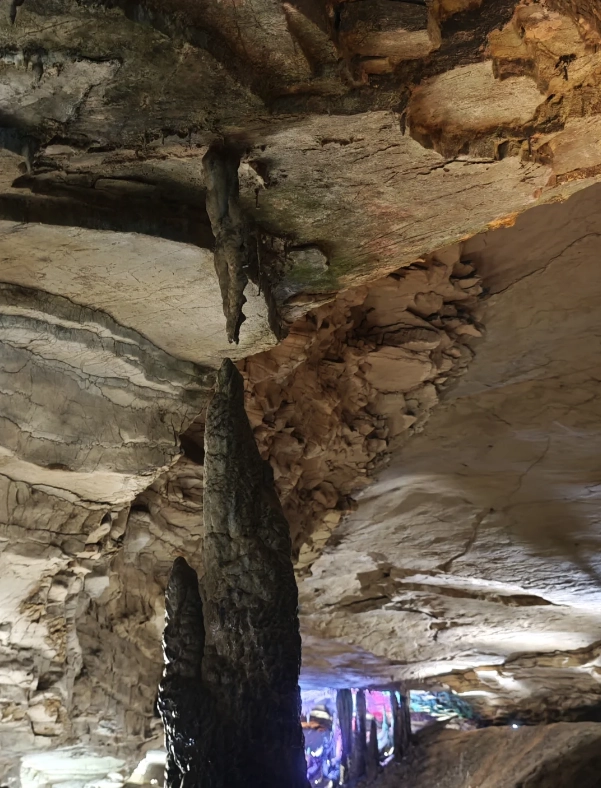
From Wulingyuan (Zhangjiajie National Forest Park)
By Tourist Bus: This is your best bet. From the Wulingyuan Biaozhi Gate entrance square, look for the green eco-tourist buses. There is a dedicated line that goes to Yellow Dragon Cave. The ride takes about 40-50 minutes and is included if you have the Wulingyuan park pass (which covers the shuttle system). Just double-check with the driver by saying "Huanglong Dong".
By Taxi: A taxi from Wulingyuan town will cost around 80-100 RMB and take 40 minutes.
Tickets, Costs, and Practical Info
Let's talk numbers. Everything is in Chinese Yuan (RMB).
| Item | Price (RMB) | Notes |
|---|---|---|
| Adult Ticket (Peak Season) | 113 | Includes entrance, the underground boat ride, and mandatory guide service. |
| Child Ticket (1.2m - 1.5m height) | 67 | Kids under 1.2m are free. |
| Senior Ticket (Age 70+) | Free | Must show passport. |
| Audio Guide Rental | 20 | Available in English. Worth it if you're not with a human guide. |
| Locker Rental | Free (Deposit 20) | Get your deposit back when you return the key. |
Operating Hours:
Peak Season (April 1 - October 31): 8:00 AM - 5:30 PM (last entry at 5:00 PM).
Off-Season (November 1 - March 31): 8:30 AM - 5:00 PM (last entry at 4:30 PM).
What to Wear & Bring: The cave is a constant 16-18°C (61-64°F) with very high humidity. You will feel a chill, especially after sweating outside.
- A light jacket or long sleeves is non-negotiable.
- Sturdy, non-slip shoes. The paths are wet and can be slippery. I've seen more than one person in flip-flops regret their life choices.
- A small bag. Large backpacks must go in the lockers.
- Your camera. Tripods are allowed but can be cumbersome on the crowded walkways.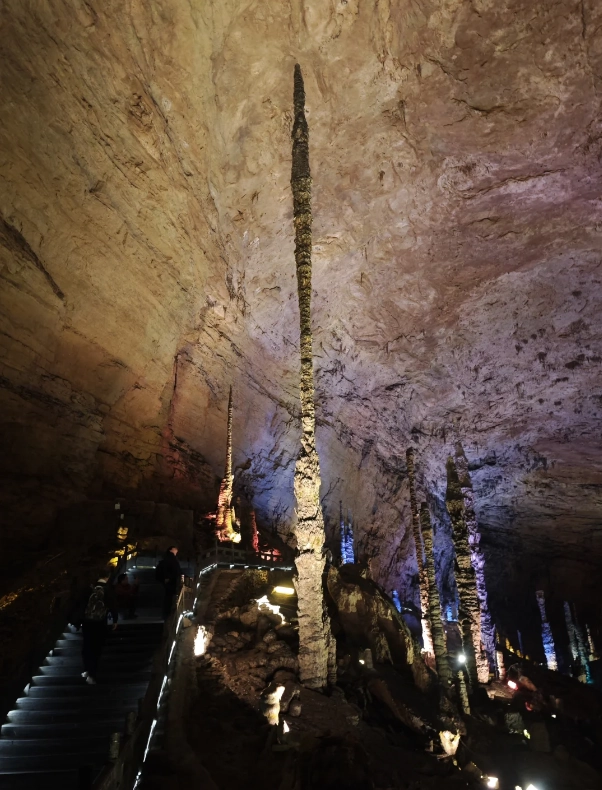
Navigating the Cave: A Step-by-Step Route
The standard route is a one-way loop that takes about 2 to 2.5 hours at a leisurely pace. Here’s what to expect, minute by minute.
0-20 mins: The Entrance & Dragon Dance Hall. You descend a long, winding path into the mountain's belly. Let's be honest, the initial corridor is a bit of a slog. The first "wow" moment is the Dragon Dance Hall, a colossal chamber where you'll see the iconic "Stalagmite King"—a 19.2-meter tall formation. The guide will point it out. It's impressive, but the lighting here is very theatrical (think colored spotlights).
20-50 mins: The Ascent to the "Sky-reaching Pagoda". You'll start climbing a series of stairs (yes, there are stairs—get ready for some light exercise). This section weaves through narrower passages filled with intricate formations with names like "Mushroom Hill" and "Golden Rooster." The air feels cooler and damper here.
50-80 mins: The Underground Boat Ride. This is the highlight for most people. You'll board a small, flat-bottomed electric boat for a 10-minute glide on the Yinhe (Milky Way) River. The ceiling gets low, the water is black and still, and the only sound is the gentle motor. Look up—the stalactites are so close you could almost touch them. My tip: Try to get a seat at the front or back of the boat for the best photos without people's heads in the way.
80 mins - End: The Grand Finale & Exit. After the boat, you walk through more halls, including the vast "Dragon Palace" which feels like an underground concert hall. The final stretch is a well-lit, wide path that spirals you back up to the surface, exiting at a different point near the souvenir shops.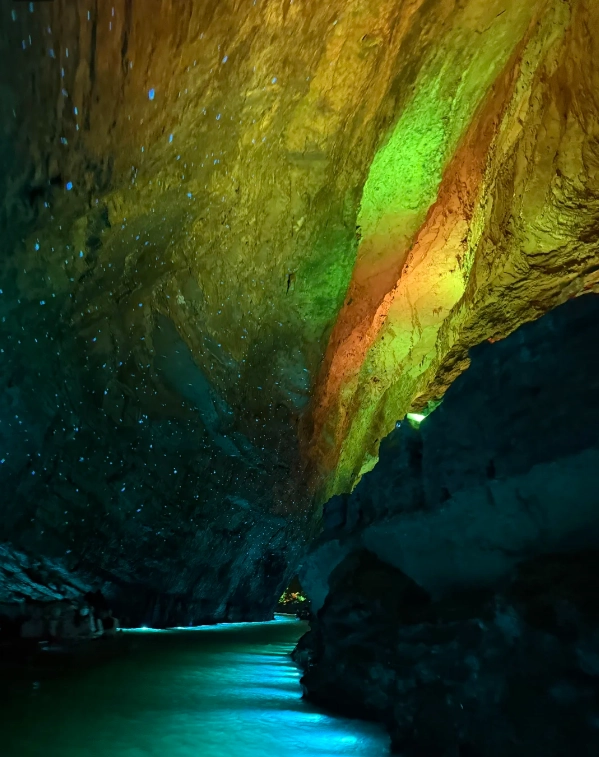
The Highlights You Simply Can't Miss
Beyond the general route, keep your eyes peeled for these specific spots. Most tourists just shuffle past.
1. The Sounding Stone Columns: In one of the middle chambers, there are a few slender stalactites and stalagmites that ring like a bell when tapped gently. The guides sometimes demonstrate. It's a neat acoustic trick.
2. The "Stone Piano": A large, flat flowstone formation that resembles a grand piano. The lighting here is usually white, making it one of the better spots for natural-looking photos.
3. The Hidden Overlook (Dragon Whisker Platform): This is my personal favorite, a spot most groups rush by. After the boat ride, as you start climbing again, there's a small platform off to the left (look for a less crowded side path). It offers a stunning downward view of the river you just sailed on and a forest of stalagmites. It feels secret.
4. The Boat Dock Reflection: Right after you disembark, turn around and look back at the dock from a few steps away. The still water creates a perfect mirror image of the boats and cave ceiling. It's a photographer's dream moment that lasts about 30 seconds before the next group arrives.
Photography in the Cave: A Pro Guide
Cave photography is tricky. The lighting is artificial, uneven, and often colored. Here’s how to not end up with blurry, orange blobs.
Gear: A smartphone with Night Mode can do wonders. For cameras, a fast lens (f/2.8 or wider) is key. A small travel tripod or gorillapod is useful, but be mindful of the flow of people.
Settings: Crank up your ISO (1600-3200 is fine for modern cameras). Use a wide aperture. For shutter speed, try to keep it at 1/60s or faster if handholding. For the boat ride, you'll need to push ISO even higher as it's darker and you're moving.
The Golden Rule: Turn off your flash. It ruins the ambiance for everyone and only lights up the first meter in front of you, creating harsh shadows. Respect the cave.
Best Photo Ops: The white-lit formations (like the Stone Piano), the reflection at the boat dock, and any wide chamber where you can capture the scale. The colored lights can look garish in photos, so sometimes converting a tricky shot to black and white saves it.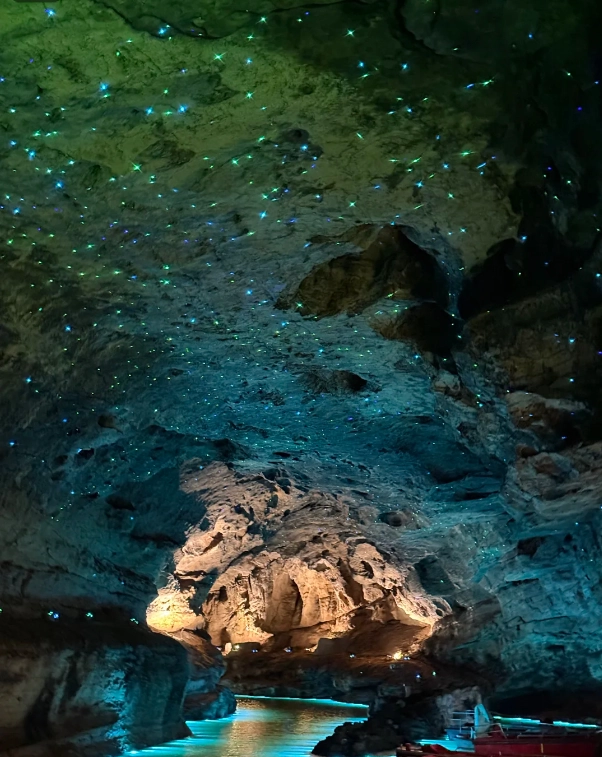
Planning Your Visit: Sample Itineraries
How to fit this into your Zhangjiajie trip? Here are two battle-tested plans.
The 24-Hour Blitz (If you only have one full day): This is tight but possible if you're efficient. Start at Zhangjiajie National Forest Park at 7:30 AM, take the cable car up to Yuanjiajie (Avatar Mountain), snap your photos by 10:30 AM. Take the free shuttle bus to the Bailong Elevator, descend, and exit the park by the Wulingyuan gate around 12:30 PM. Grab a quick lunch. Take the tourist bus to Yellow Dragon Cave for a 2:00 PM entry. Explore the cave (2.5 hours). You'll be out by 4:30-5:00 PM, with time for dinner back in Wulingyuan. It's a marathon, not a sprint.
The Relaxed Two-Day Combo (The smarter choice):
Day 1: Dedicate the morning and early afternoon to Yellow Dragon Cave. Arrive at 9:00 AM when it's less crowded. Take your time. After the cave, have a late lunch in the nearby Suoxi Valley town. Spend the rest of the day exploring the easier, lower trails of the national park like the Golden Whip Stream. A relaxed pace.
Day 2: Go all-in on the summit views at Yuanjiajie and Tianzi Mountain.
Yellow Dragon Cave FAQ: Your Questions Answered
Is Yellow Dragon Cave worth it if I only have one day in Zhangjiajie?
How physically demanding is the visit? Can my 70-year-old parents manage it?
What's the single biggest mistake tourists make at Yellow Dragon Cave?
Are there real bats or other animals inside?
Can I visit Yellow Dragon Cave and the Baofeng Lake boat ride on the same day?
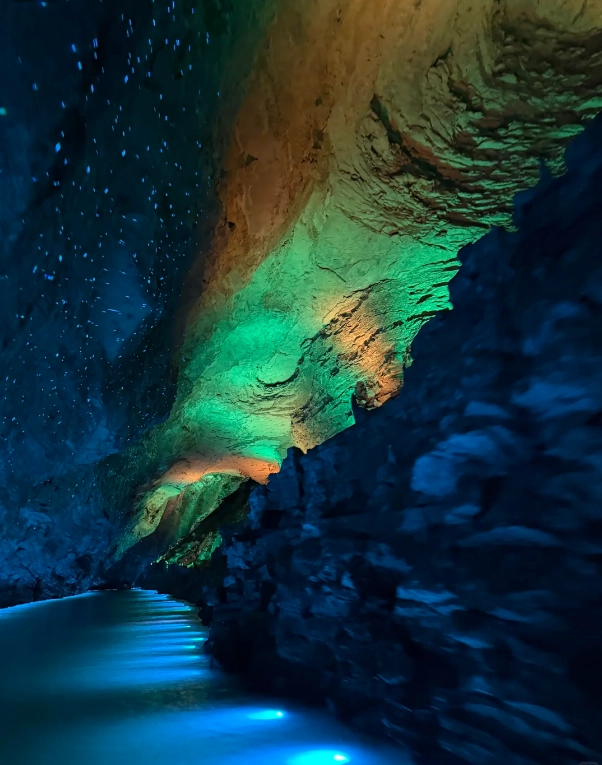 So there you have it. Yellow Dragon Cave isn't just a hole in the ground to kill time. It's a legitimate world-class geological site that offers a completely different perspective on Zhangjiajie's beauty. It's cool, it's mysterious, and that boat ride is something you'll talk about long after you've forgotten the name of that particular mountain peak. Do yourself a favor—look past the Avatar hype for one afternoon and dive deep. You won't regret it.
This article is based on my personal experience guiding tours in Zhangjiajie over the last eight years. Details like ticket prices and transport options are checked regularly against official sources and local operator information.





No comments yet.