 Lei Li
What You'll Learn Here
- Why Booking Trains in China Is Different
- The Only English-Friendly Platforms That Work
- Step-by-Step: How to Book Your First Ticket in English
- Payment Pitfalls: Why Your Credit Card Might Fail
- Picking Up Your Ticket vs. e-Ticket: What to Do at the Station
- 5 Insider Tips for Smooth Train Travel in China
- Frequently Asked Questions About China Train Booking
I've been guiding foreign tourists through China for over a decade. And every single trip, the number one stress point? Train tickets. Not the Great Wall, not the spicy food—just getting from city A to B without a meltdown. Let me fix that for you right now.
Why Booking Trains in China Is Different (and How to Beat the System)
First, forget everything you know about buying train tickets back home. China's railway system is a beast. The official booking portal, 12306.cn, is a maze even for locals. It's mostly in Chinese, and the English version (12306.en) is clunky at best. But don't panic—I'll show you the shortcuts.
Here is the catch: You cannot just show up at the station and buy a ticket for a high-speed train 10 minutes before departure. Most popular routes sell out days in advance. And if you're traveling during Chinese New Year or National Day (October 1-7), tickets vanish within minutes of release.
Now, let me save you some money. Many travelers fall for third-party resellers that mark up prices by 20-50%. Stick with the official channels I'm about to share, and you'll pay face value.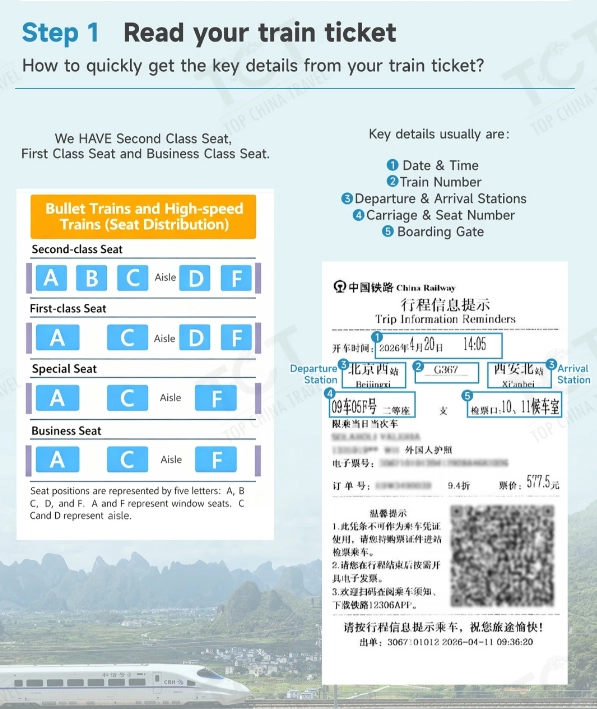
The Only English-Friendly Platforms That Work (and One to Avoid)
Here's a quick comparison of your options:
| Platform | Language | Fee | Best For |
|---|---|---|---|
| Trip.com | Full English | Small service fee (¥5-20) | First-time bookers; 24/7 customer service |
| Klook | English | Similar to Trip.com | Bundle deals with attraction tickets |
| 12306.en | Partial English | No fee | Tech-savvy travelers who want to save money |
| China Highlights | English | Higher service fee | Complex itineraries needing assistance |
Avoid Viator or random small resellers. I've seen clients overpay triple. Stick with Trip.com or 12306.en.
Step-by-Step: How to Book Your First Ticket in English
Let's walk through booking on Trip.com—the easiest for English speakers.
- Go to Trip.com's train section. You can use the app or website. Select "Trains" from the top menu.
- Enter your stations. For example, Beijing West (北京西) to Shanghai Hongqiao (上海虹桥). Use the English names—the system recognizes them.
- Choose your date and train. You'll see a list of trains with duration and class. High-speed trains (G, D) are faster; regular (K, T) are cheaper.
- Select seat class. Second class (二等座) is fine for most trips—legroom is generous. First class is wider, business class reclines flat.
- Enter passenger details. You'll need passport number, full name, and nationality. Double-check the name exactly as on your passport.
- Pay. Trip.com accepts international credit cards (Visa, Mastercard) and PayPal. No Chinese bank card needed.
- Receive e-ticket. A QR code will appear in your Trip.com account. That's it—no paper required!
Payment Pitfalls: Why Your Credit Card Might Fail
Here's the part that drives everyone crazy. Even on English platforms, international payments can get blocked. Why? Chinese banks sometimes reject foreign cards due to security checks. Here's how to fix it:
- Use a Visa or Mastercard from a major bank. Some smaller banks get flagged. I've had success with Chase, HSBC, and Barclays.
- Pay via Alipay or WeChat Pay if you have them set up. But wait—these apps require a Chinese bank account or a foreign card linked. If you're already in China, link your international card in the app first. Tip: Alipay's Tour Pass allows short-term visitors to top up with a credit card.
- If payment fails, try PayPal on Trip.com. It works more reliably than direct card.
- As a last resort, book through Klook. Their payment gateway is more forgiving.
Do not assume your card works. I always tell my clients: test a small transaction (like a ¥10 ticket) a week before your trip to avoid last-minute panic.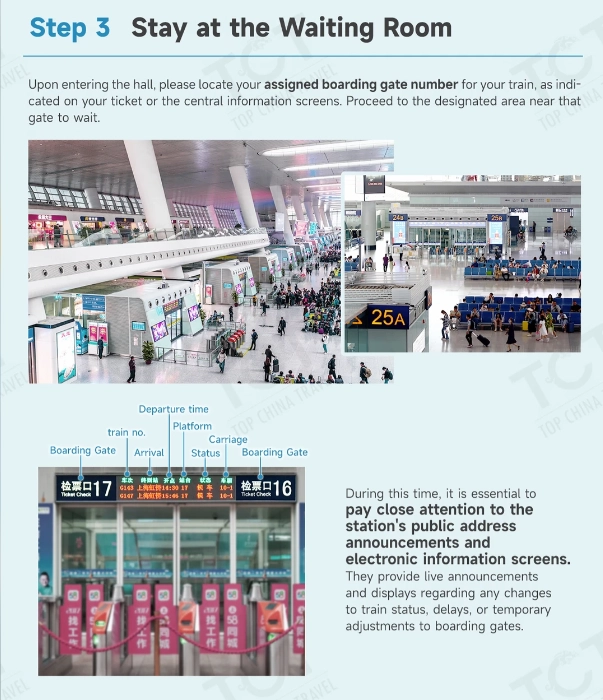
Picking Up Your Ticket vs. e-Ticket: What to Do at the Station
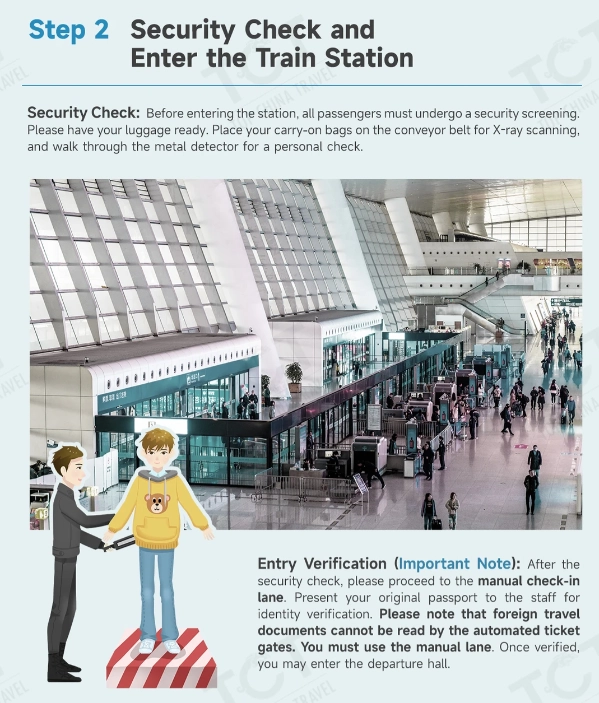
Good news: Most modern Chinese stations accept e-tickets. You just scan your passport at the gate. But there are exceptions:
| Scenario | Action Required |
|---|---|
| High-speed train (G/D/C) | E-ticket: scan passport at automatic gate |
| Regular train (K/T/Z) | May need paper ticket: go to counter or machine with passport |
| Booking via 12306.en | Print ticket at station (look for English interface on kiosks) |
| Using Trip.com e-ticket | Show QR code and passport at gate – most stations accept it |
Pro tip for paper tickets: At the station, find a ticket machine with a "Passport" option. Select it, scan your passport, and the machine prints your ticket. If it fails, go to the manual counter. Have your booking confirmation number ready.
5 Insider Tips for Smooth Train Travel in China
- Arrive 30-45 minutes early. Security lines can be slow. If you're late, you'll miss your train and lose the ticket—no refunds.
- Google Maps is useless here. Use Apple Maps (surprisingly good) or download AMap (高德地图) with English mode. I always tell my guests: save your hotel address in Chinese characters to show taxi drivers.
- Bring a VPN. Booking 12306 requires internet. Many Chinese websites block foreign IPs. Get a reliable VPN before you arrive (ExpressVPN or NordVPN work).
- Pack snacks. While high-speed trains have dining cars and carts, the food is mediocre and expensive. I always buy a steam bun or some nuts at the station 7-Eleven.
- Watch your luggage. Overhead racks are small for big suitcases. Use the designated luggage area at each carriage end. Lock your bags.
One more thing nobody tells you: The toilets on Chinese trains are squat toilets mostly. If you need Western style, look for the accessible toilet (usually at one end of the carriage). Carry your own toilet paper—very few restrooms provide it.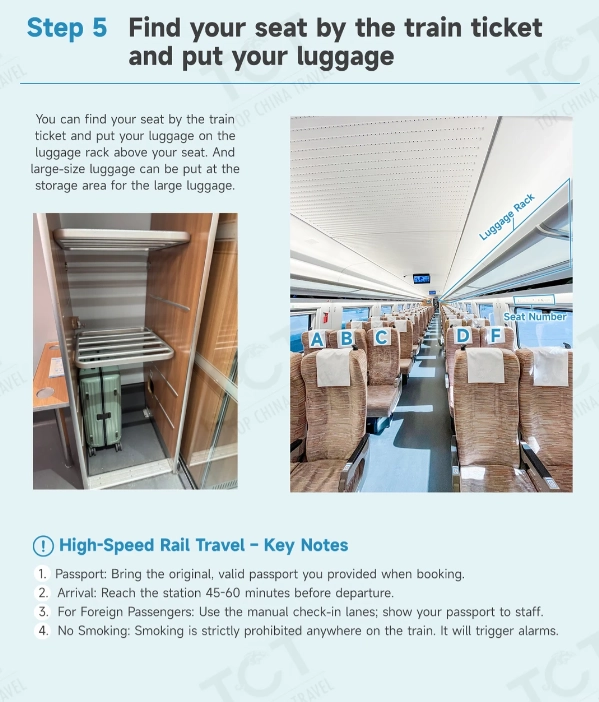








I've read so many confusing posts about 12306 and almost gave up. This article is spot on. It breaks down real-name verification, passport usage, and even explains what to do if your foreign card gets declined. The bonus tips about arriving early and using the green passport gate were unexpected and super helpful. Honestly, I'd give it 10 stars if I could. A must-read for any foreigner planning to travel by train in China.
Excellent guide! I used it yesterday to book tickets for our family of four. The screenshots were a lifesaver, especially for adding passengers and getting through payment. I panicked about the QR code at the station, but the guide covered that too. Everything worked exactly as described. It's rare to find a China train booking guide that doesn't assume you speak Chinese. Five stars from me.
This article saved my trip! I had zero clue how to book trains in China and was convinced I'd mess it up. The step-by-step layout is super easy to follow. I booked a sleeper from Shanghai to Zhangjiajie in under 15 minutes. The tip about using the official app rather than third-party sites made all the difference. Highly recommend this guide to any foreigner.
Really clear guide, especially the section about entering your passport number exactly as it appears. I was so stressed about the real-name verification part, but following these steps I got my ticket from Beijing to Shanghai without any trouble. Only giving 4 stars because it doesn't mention what to do if the train is sold out or how to pick a preferred seat. Otherwise, solid.
This guide is okay but not perfect. The general steps are there, but the screenshots didn't match what I saw in the app after the latest update. Also, it says the booking takes a few taps, but I got stuck on phone verification and then my foreign card was rejected. The article doesn't really cover that. It helped me understand the basics, but be prepared to troubleshoot on your own.