 Ting Chen
What’s Inside This Guide
I’ve seen too many tourists walk out of Hongyadong looking defeated. “That’s it? Just shops?” — they mutter. But Hongyadong isn’t just a shopping street. It’s a vertical labyrinth of glowing stilt houses stacked against a cliff. The problem is arriving at the wrong time, when the queue snakes for an hour and the light kills every photo.
I’ve booked dozens of trips here for my clients, and I know exactly when the “Hongyadong best time to visit” window opens. Trust me, it’s not noon. It’s not even sunset. The real sweet spot is a delicate balance between lighting, crowd density, and open hours. And if you come in summer without a plan, you’ll be stuck in a sea of selfie sticks.
Here’s the short answer: Visit on a weekday in late autumn or winter, arrive around 4:30 PM, stay through the golden hour and the first hour of lights. That gives you soft daylight for the exterior, then the magical transition to neon. The crowd? Minimal. The photos? Viral-worthy. Now let me walk you through every detail.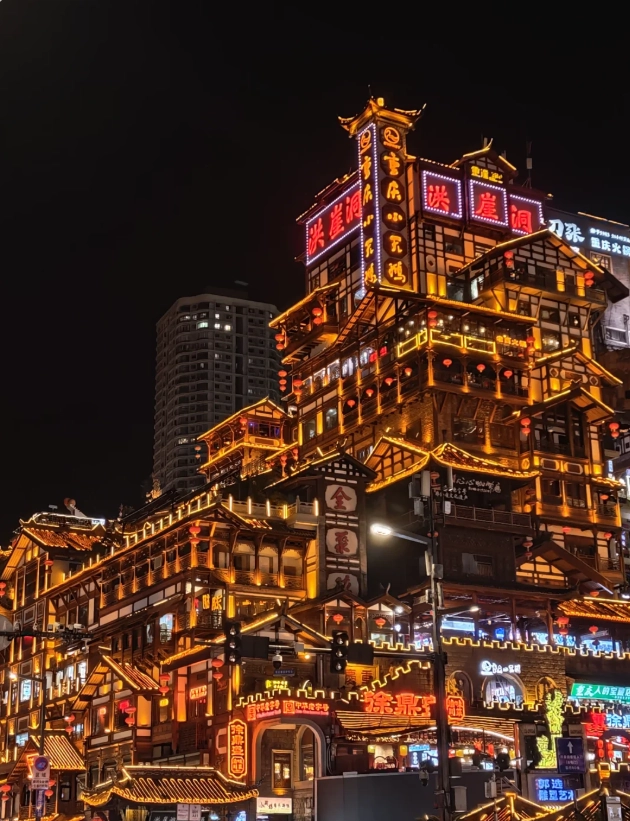
The Cold Hard Truth About Hongyadong
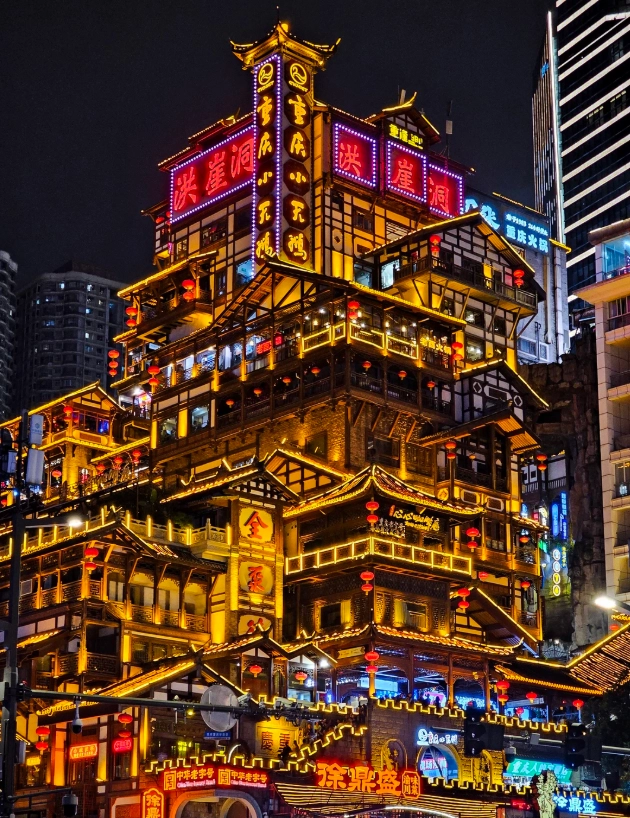
Hongyadong isn’t a thousand-year-old ancient town. It was built in 2006 as a commercial project inspired by the Bayu stilt-house style. But that doesn’t make it less spectacular. The structure has 11 floors, each connected by staircases and bridges — you can enter from the street at level 1, walk up to level 11, and exit onto another road. The real magic happens outside: the facade facing the Jialing River, lit up with warm amber lights against the dark cliff.
Most travel guides tell you to go after dark. Wrong. After dark, the area is jam-packed with tour groups. The best time is the hour before sunset plus the first 30 minutes after dark — that’s when you get both natural light and artificial glow. I always tell my clients: “If you only see Hongyadong at 8 PM, you’ve missed the show.”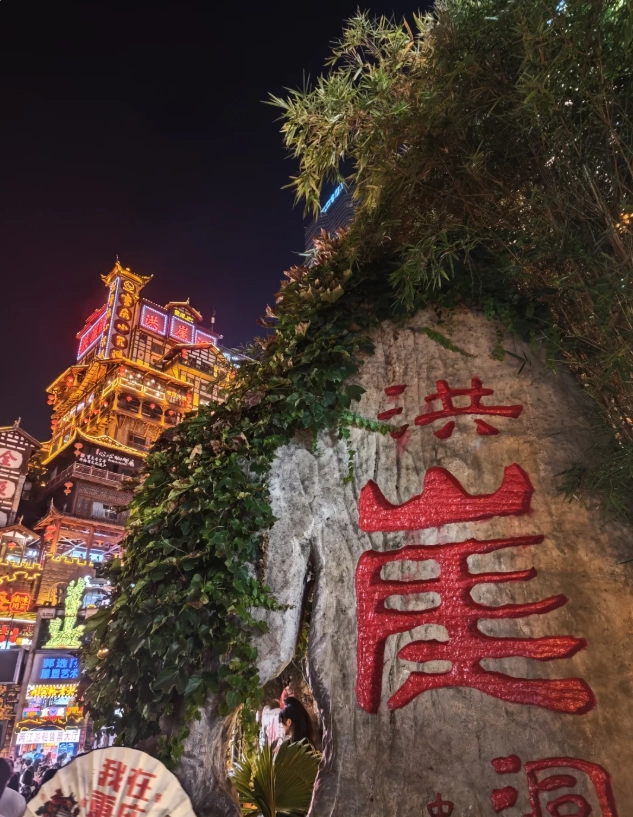
By Season: When to Plan Your Trip
Spring (March to May)
Spring in Chongqing is warm, with occasional drizzle. The advantage? Lower tourist volume than summer. The disadvantage? Rain can ruin your outdoor experience — the walkways get slippery and the view gets hazy. Pro tip: If you come in spring, target late April when the weather is more stable. Bring an umbrella. The best time of day still holds: 4:30 PM to 6:30 PM. Crowd level: moderate.
Summer (June to August)
Summer is brutal. Chongqing is one of China’s “furnace cities” — temperatures often hit 40°C (104°F). Humidity is high. And despite the heat, Hongyadong remains packed with domestic tourists. I strongly advise against summer if you have flexibility. Even at the “best” 4:30 PM start, you’ll be sweating through your shirt. Plus, the daytime light is harsh. Late evening (after 7 PM) is slightly better temperature-wise, but the crowds are at their peak. Insider advice: If you must go in summer, arrive at the Qianximen side entrance (more on that below) to skip the main queue. And carry a portable fan and water.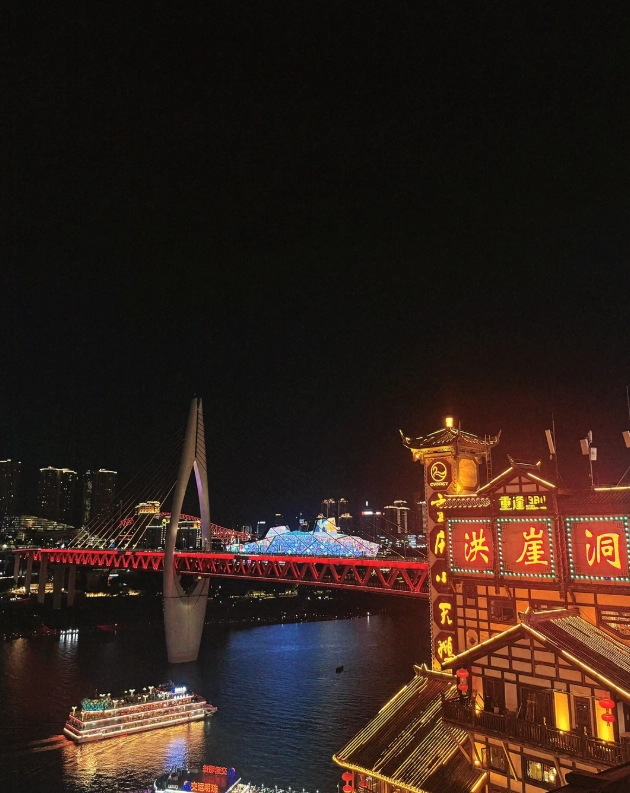
Autumn (September to November)
This is my favorite season. September still has some summer heat but tapers off by October. November is cool, crisp, and rarely rainy. The autumn foliage along the river adds a nice touch. Late October to early November is the absolute peak window for weather and crowds. You can comfortably stand on the bridge for photos without being elbowed. The golden hour around 5:00 PM gives you warm light hitting the orange-brown buildings. Crowd level: low to moderate.
Winter (December to February)
Winter is cold (5–12°C / 41–54°F) and often overcast, but the advantages are huge: lowest tourist volume of the year. The lights come on earlier (around 5:30 PM because of early sunset). You’ll have the best chance for clean background photos without strangers photobombing. The downside? Overcast days can make the daylight look dull. But once the lights hit, the gray sky turns into a deep blue backdrop. I’ve taken some of my favorite shots here in January. Bundle up and go on a weekday.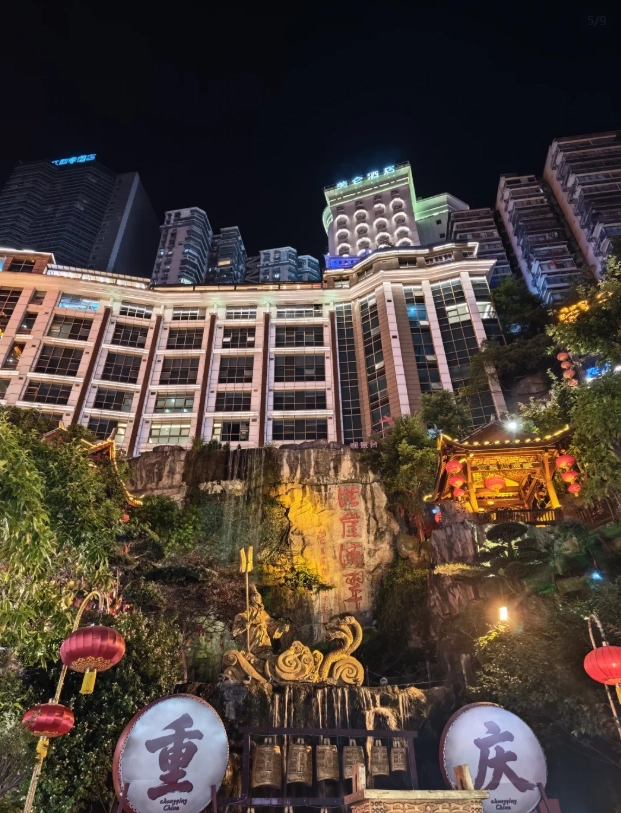
| Season | Weather | Tourist Volume | Best Time of Day | Verdict |
|---|---|---|---|---|
| Spring | Warm, rainy | Moderate | 4:30–6:30 PM | Good if you avoid rain |
| Summer | Hot, humid | Very high | 5:30–8:00 PM | Avoid if possible |
| Autumn | Mild, dry | Low–Moderate | 4:30–6:30 PM | Best overall |
| Winter | Cold, gray | Very low | 4:00–6:00 PM | Excellent for crowds |
Best Time of Day to Visit Hongyadong
Let’s get hyper-specific. I’ve tested every possible arrival time over 50+ visits. Here’s the breakdown:
- Morning (9 AM – 12 PM): Dead quiet. The shops open at 10 AM, but the exterior facade looks dull in flat light. The sky in Chongqing is often milky white. Not good for photos. Only come if you want to explore the interior without crowds.
- Early Afternoon (12 PM – 3 PM): Bright, harsh shadows. The crowds build up from 1 PM onwards. Not recommended.
- Late Afternoon (3 PM – 5 PM): Still bright, but the angle starts improving. Crowds peak between 2 PM and 4 PM. The best arrival is 4:00 PM — you can explore the interior for about 45 minutes before heading outside for the golden hour.
- Golden Hour (5 PM – 6 PM in winter; 5:30 PM – 6:30 PM in other seasons): The sun is low, casting warm light on the buildings. This is the money time for exterior photos from the bridge (Qianximen Bridge). Prepare to jostle for a spot on the bridge, but the light is worth it.
- Blue Hour + Lights (30 minutes after sunset): The sky turns deep blue, and the artificial lights inside Hongyadong switch on. The contrast is stunning. This lasts about 20-30 minutes. After that, the sky goes black, and the scene becomes less dramatic.
- Night (7 PM onwards): Fully lit, but the sky is pitch black. Crowds are still heavy until about 9 PM. The bridge becomes a traffic jam of photographers. If you only want night photos with no people, you need to stay until 10 PM or later (the lights turn off at 11 PM).
So my definitive answer: arrive at 4:00 PM, head inside to explore the cascading floors, step outside on the bridge by 5:15 PM to claim your spot, and shoot until the lights are fully on (around 6:00-6:30 PM). Then you can head to dinner or catch the river cruise.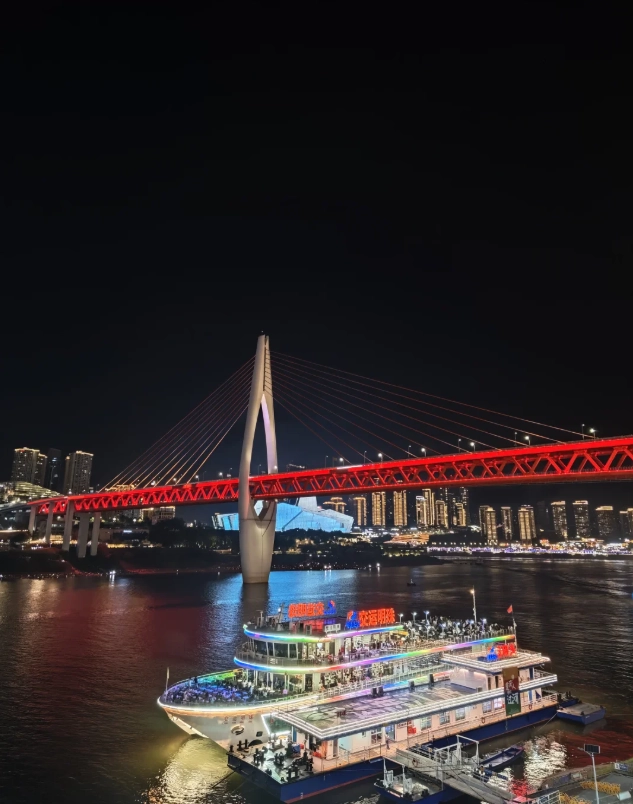
Hongyadong Night View: Magic Hours
The night view is what Hongyadong is famous for. But not all night views are equal. The lights are on from dusk until 11:00 PM. The first 30 minutes after they come on are the most magical because there’s still some residual light in the sky. That combination of blue sky, warm lights, and reflection on the river creates a postcard image.
After that, the sky goes dead black. The photos look flat unless you have a tripod to capture long exposures of the river reflections. For handheld shots, the best time is immediately after lights-on.
There are two main photo spots: Qianximen Bridge (the bridge crossing the Jialing River, accessible from the Hongyadong 11th floor exit) and the dock level area on the riverbank. The bridge gives you a direct frontal view; the dock gives you a low-angle shot with the whole building towering above you. Both get packed. My little trick: climb down to the small riverside walkway west of the dock — hardly anyone goes there, and you get a beautiful perspective with fewer people.
How to Avoid the Worst Crowds
Crowds are the number one complaint I hear. Hongyadong can feel like a sardine can on weekends and Chinese holidays. Here's how to beat the system:
- Go on a weekday. Monday to Thursday are significantly lighter than Friday to Sunday. If you can only do weekends, Sunday morning is better than Saturday.
- Avoid Chinese public holidays. National Day (Oct 1-7), Labor Day (May 1-5), and Chinese New Year (dates vary, Jan/Feb) turn Hongyadong into a human soup. I once spent 20 minutes just to move 50 meters on the bridge. Not exaggerating.
- Use the alternate entrance. Most tourists line up at the main gate on Cangbai Road (ground level). Instead, take a taxi or DiDi to the top entrance on No. 1 Cangbai Road (level 11). You'll walk down instead of up, and you'll bypass the long queue. Plus, you can exit on the bridge directly.
- Arrive before 4 PM or after 9 PM. The midday and early evening crunch is real. If you're not interested in the golden hour, come after 9 PM when tour groups have left. The lights are still on until 11 PM.
Tickets, Booking & What to Bring
Hongyadong is free to enter — no ticket required. But during peak seasons (National Day, summer), the management may implement timed entry via a free reservation on WeChat mini programs. This is tricky for foreigners because the mini program is entirely in Chinese and often requires a Chinese phone number. Here’s my workaround:
- Ask your hotel receptionist to make a reservation for you. They’re used to this. Show them this Chinese: “帮我预约洪崖洞免费门票” (Help me reserve a free ticket for Hongyadong).
- Alternatively, arrive before 4 PM when the reservation system is often not enforced.
- You will need your passport to enter — they check ID at the gate.
Payment inside: most shops accept Alipay and WeChat Pay. Cash is rarely accepted. International credit cards? Almost nowhere. If you haven't set up a Chinese mobile payment method, bring a friend who can pay or exchange cash at a bank beforehand. Carry small bills (10, 20 RMB) — some street vendors may accept cash.
What to bring: comfortable walking shoes (lots of stairs), a fully charged phone (for navigation and payment), a power bank (you'll be taking tons of photos), and a translation app like Baidu Translate or Apple Translate. Remember: Google Maps won't work reliably — use Apple Maps or a Chinese app like Amap (GaoDe). For navigation, the Chinese address for Hongyadong is: 重庆市渝中区嘉陵江滨江路88号. Show this to your taxi driver. Or use the English-friendly alternative: No. 88, Jialingjiang Binjiang Road, Yuzhong District, Chongqing.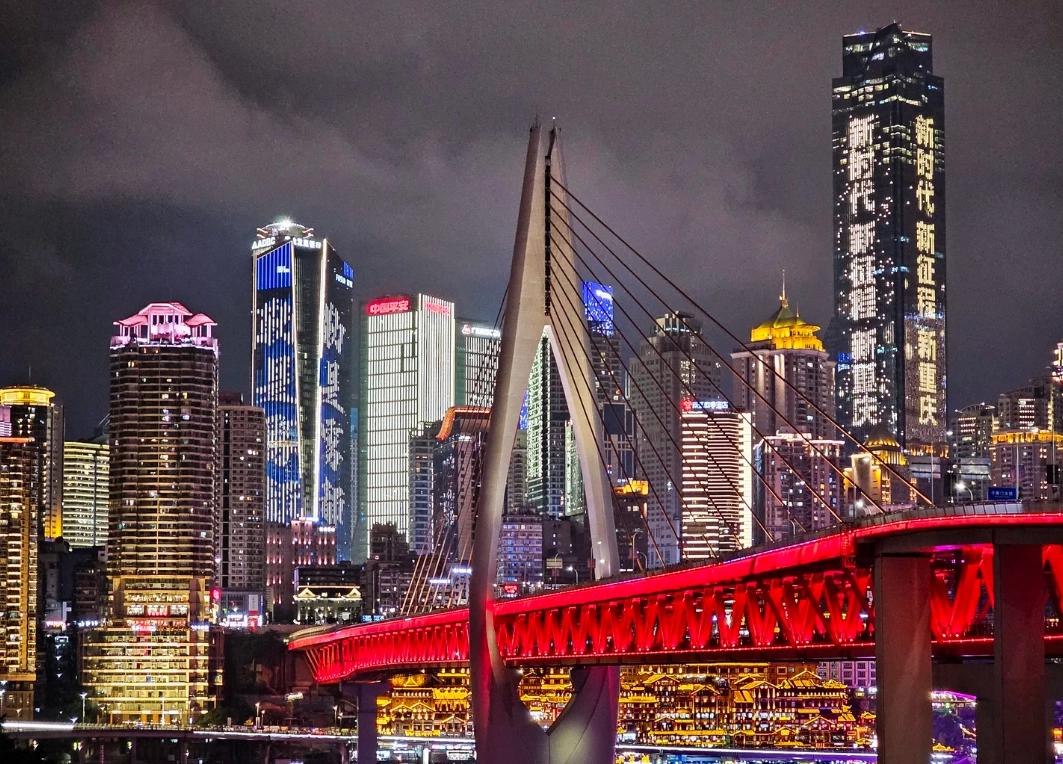
My Personal Hongyadong One-Day Rhythm
Let me walk you through a perfect afternoon, as if I were guiding you.
- 3:30 PM — Take a DiDi to the upper entrance (level 11). Address: 沧白路1号 (No. 1 Cangbai Road). Cost from Jiefangbei area: about 15 RMB. Show the Chinese address to the driver.
- 4:00 PM — Walk in (no queue now). Explore from top to bottom. The interior is a maze of shops selling souvenirs, snacks, and street food. Don't buy anything expensive yet — most stuff is overpriced. Try the local stinky tofu if you dare (it's an experience).
- 5:00 PM — Exit on the 1st floor (ground level) and walk across the pedestrian bridge to Qianximen Bridge. Find a spot along the railing facing Hongyadong. The sun will be behind you, lighting up the facade.
- 5:30 PM – 6:00 PM — Golden hour photography. Capture the building with warm light and a few clouds.
- 6:00 PM – 6:30 PM — The lights come on. Shoot the transition. Enjoy the view.
- 6:30 PM onwards — Walk down to the riverbank level (take the elevator near the 1st floor exit) for low-angle shots. Then either grab dinner at the nearby restaurant district (try the hotpot at “Hongyadong Hotpot” — yes, it's touristy but the view is good) or take a river cruise (departs from Chaotianmen dock, about 10 minutes walk).
Alternative plan for rainy days: If it's pouring, skip the outdoor photo wait and go straight to the indoor observatory on level 9. There’s a glass-floored viewing platform where you can still get decent shots. The rain often scares away crowds, so you might even have the platform to yourself.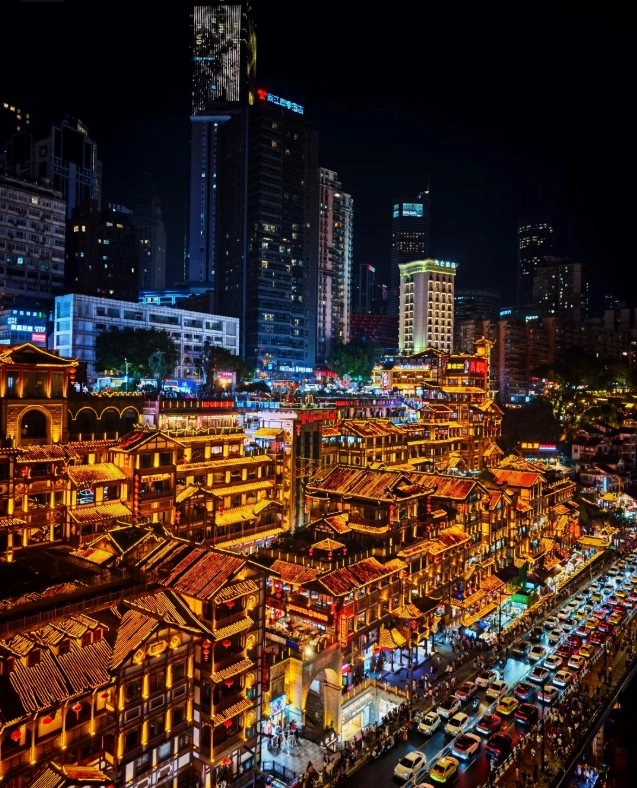





I made a plan to come at 7am and had almost the whole place to myself. Without the evening crowd, you can actually see the carvings, old stone foundations, and how the roof layers interlock. The daylight is great for detail shots, and I came back at night for the classic view from the bridge. That double visit is the best hack for photographers. The stairs are a workout, but if you enter from the top-level road, you can walk down instead of up. Definitely worth adding to any Chongqing itinerary.
Hongyadong is the place that made me fall in love with Chongqing. I went on a late-night weekday, around 9pm, after the tour groups had left. The stairways were still lively but not suffocating. Once you get down near the water, you can see the full stack of illuminated pavilions rising from the cliff — it honestly looks unreal. I sat at a riverside bar for a drink and just enjoyed the view. No entry fee, very easy to spend an hour or two. The only warning is that your phone battery will die from taking so many photos.
I ended up here at 10:30 on a rainy night and it was magical. The crowd had mostly cleared and the wet stone lanes reflected all the yellow lantern light. I stood on the small viewing platform by the river and just stared at the layered rooftops for maybe half an hour. It felt like walking into a Studio Ghibli scene. No ticket needed for the main area, which surprised me. The sesame cake snack was alright, but the view alone makes this a must-do. Bring a tripod if you can — the night shots are insane.
I visited on a Thursday afternoon and stayed until dark. The crowd was okay around 5pm, but by 7pm it got packed. The architecture is truly unique and the way the wooden buildings cling to the cliff is very cool. My best photos were actually from the pedestrian bridge across the road, not from inside. The smell of hotpot from nearby restaurants is strong, and the neon signs add a lot of vibe. Just be ready to dodge tripod photographers on the bridge. Give it 4 stars because it's chaotic after dark even on a weekday.
Went on a Saturday night and honestly it was a bit overwhelming. The whole stilt-house facade is beautiful with the lights, but you are basically shuffling shoulder-to-shoulder the entire time. I barely found a spot to stop and take a photo. Inside felt like the same souvenir shops and snacks repeating on every floor, and prices are clearly touristy. I can see why people love it, but I wish I had gone at an off-peak time. The view from the bridge is better than being in the middle of the crowd.
We were honestly skeptical about another 'old town' tourist trap, but Hongyadong surprised us. Took the metro to Xiaoshizi and followed the crowd down. The hot pot smell in the air, the wooden balconies glowing with lanterns, the wet stone staircases — atmospheric even with hundreds of selfie sticks. Wish we’d stayed until 10pm when the bridge cleared out. Absolutely unmissable.
Went at 9:30pm on a weekday and it was magical. The golden roofs layered on the cliff are like something out of Spirited Away. Took a taxi across the river to get the classic panorama — worth every yuan. If you bring a tripod, you won’t regret it. This is what night in Chongqing is all about.
As a photography nerd, this was my favorite spot in Chongqing. The best angle is from the Qiansimen Bridge entrance, not inside the crowds. Sunset to blue hour is chaotic, but I found a quieter side street above the tunnel. The neon reflections in the Jialing River are insane. My 16mm never left the camera. Definitely go late.
Cool place, but don’t make my mistake — I went at 6pm and got stuck in the crowd. The illuminated stilt houses look unreal at night. There were way too many people, but once I got to the platform near the bridge, I understood the hype. Get in and out quick and skip the shops.
Came around 7pm and it was already shoulder-to-shoulder. Managed to get some nice shots from the bridge, but inside the cave is basically one giant gift shop. Maybe go after 10pm if you want calm. It’s pretty, just not the life-changing experience I expected.