 Ling Wu
I’ve lost count how many times I’ve brought wide-eyed tourists to the harbour, only to watch them struggle with a dull, flat sky or get elbowed by selfie sticks. After 7 years of photographing this skyline, I can tell you this — the secret isn’t a fancy camera. It’s knowing where to stand, when to click, and how to dodge the chaos. Here’s what actually works.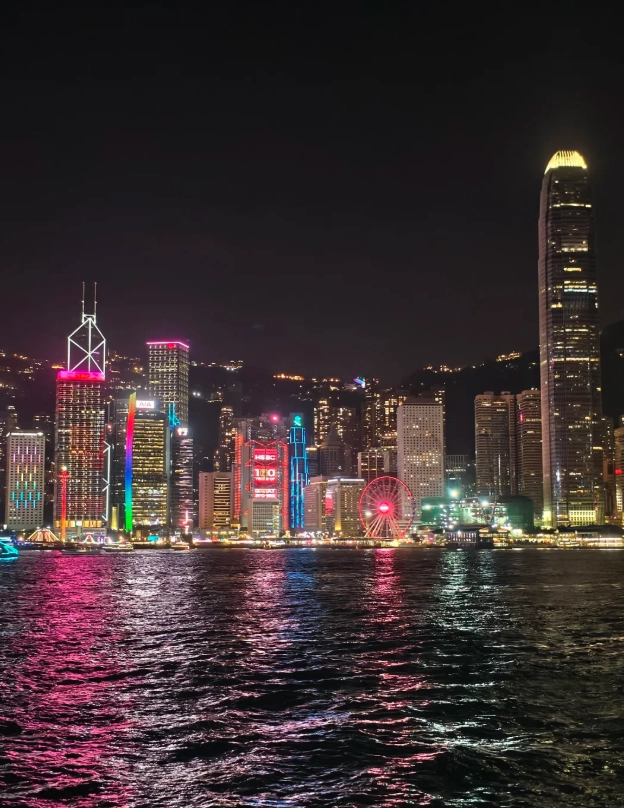
Why Timing Matters More Than Gear
Most visitors show up at noon, get a washed-out shot, and blame the weather. Truth is, Victoria Harbour glows during two windows: blue hour (30 minutes after sunset) and the first light of sunrise. Midday sun creates harsh shadows and haze. I always tell my groups: skip the afternoon sleep, and you’ll get the shot.
Another pet peeve? GPS apps. Google Maps is unreliable in Hong Kong — it often places you at the wrong pier entrance. Use Apple Maps or Citymapper, and always have the Chinese address or a screenshot ready for taxi drivers. Alipay and WeChat Pay are everywhere, but carry 200–300 HKD cash for the occasional street vendor or taxi that doesn’t accept cards.
Top 5 Victoria Harbour Photography Spots
1. Tsim Sha Tsui Promenade (Avenue of Stars)
Address: Salisbury Road, Tsim Sha Tsui, Kowloon
Nearest MTR: Tsim Sha Tsui Station, Exit E (follow signs to Avenue of Stars, 5-min walk)
Best Time: 30 min before sunset until 30 min after sunset
Admission: Free, no booking required
Payment: No entry fee, but nearby stalls accept Alipay/WeChat; some only cash
This is the classic postcard view. The promenade runs along the harbour, giving you a straight-on shot of the Hong Kong Island skyline. I prefer the section near the HK Cultural Centre — fewer crowds and a cleaner foreground. Bring a wide-angle lens (16–24mm) to capture the entire stretch. Tripods are allowed, but during peak hours (7–9 PM) you’ll have to squeeze into a small gap. My hack: come at 6:30 AM on a weekday. You’ll have the whole promenade to yourself.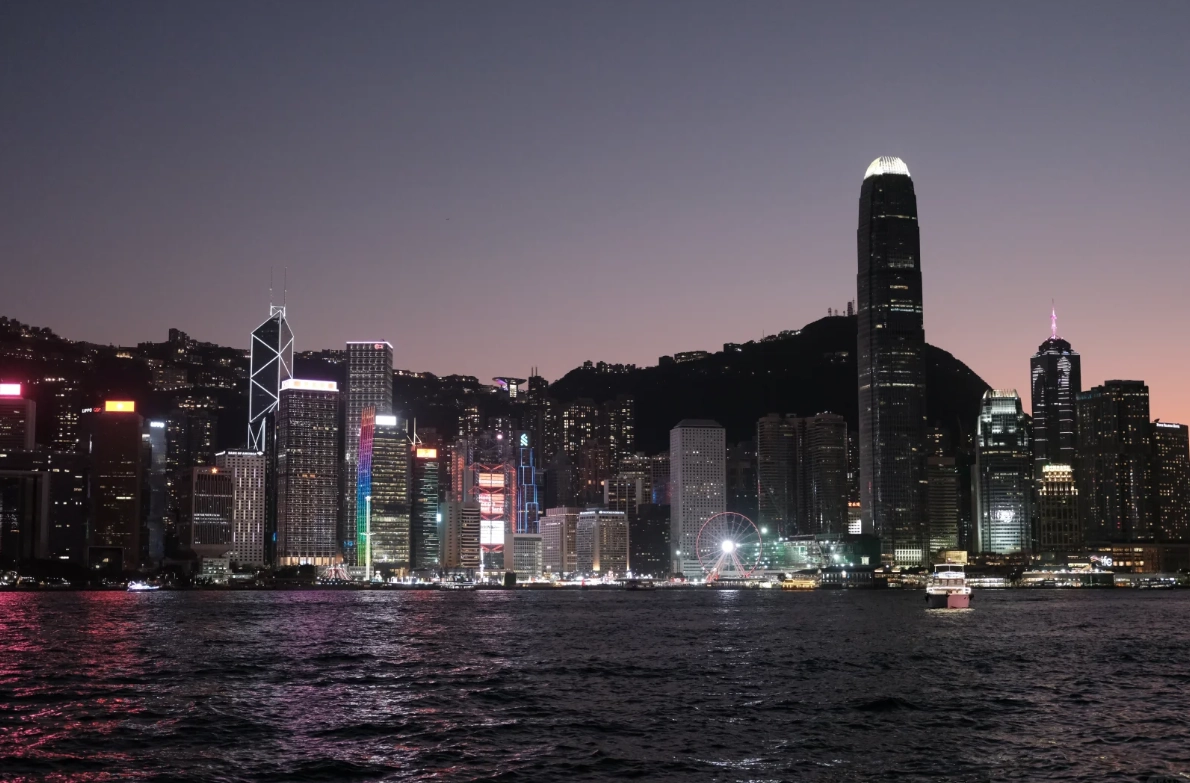
2. Victoria Peak (Sky Terrace 428)
Address: 1 Lugard Road, The Peak, Hong Kong Island
Getting there: Peak Tram from Garden Road (Central MTR Exit J2, 10-min walk). Alternatively, take bus 15 from Exchange Square.
Peak Tram hours: 7:00 AM – 10:00 PM (last ascent at 9:45 PM)
Ticket (Sky Terrace): HKD 75 for adults, HKD 38 for children (book on Trip.com or Klook to skip queues; passport required for online booking)
Best Time: Late afternoon (4 PM) to stay for sunset and night lights
From above, you see the harbour as a sparkling ribbon between skyscrapers. The paid Sky Terrace 428 gives you unobstructed views, but I honestly prefer the free Lugard Road lookout — just a 5-min walk from the tram station. It’s less crowded and offers a more natural angle. The tram itself is an experience, but queues after 3 PM can stretch 40 minutes. If you’re on a tight schedule, take a taxi up (around HKD 100 from Central).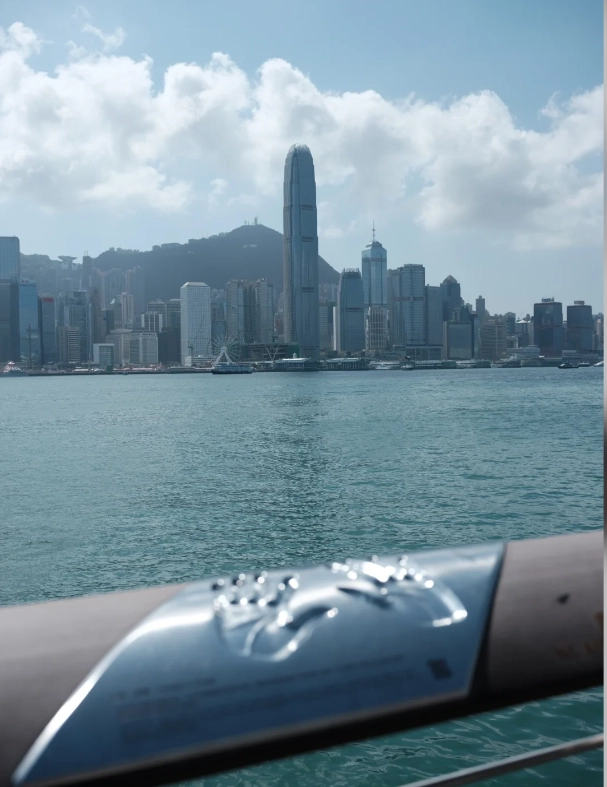
3. Golden Bauhinia Square (Wan Chai)
Address: Expo Drive, Wan Chai North, Hong Kong Island
Nearest MTR: Wan Chai Station Exit A5, then 15-min walk through the Convention Centre
Best Time: Sunrise (around 6 AM in summer, 6:30 AM in winter) or late night after 10 PM
Admission: Free, no booking
This spot offers a unique perspective — the harbour with the Golden Bauhinia statue as a foreground element. Early morning here is magical: the sun rises behind the harbour, casting warm light on the statue. I once brought a client here at 5:45 AM and we had the whole square to ourselves. The downside? The area is huge and can feel empty, but that’s exactly what you want for a clean composition.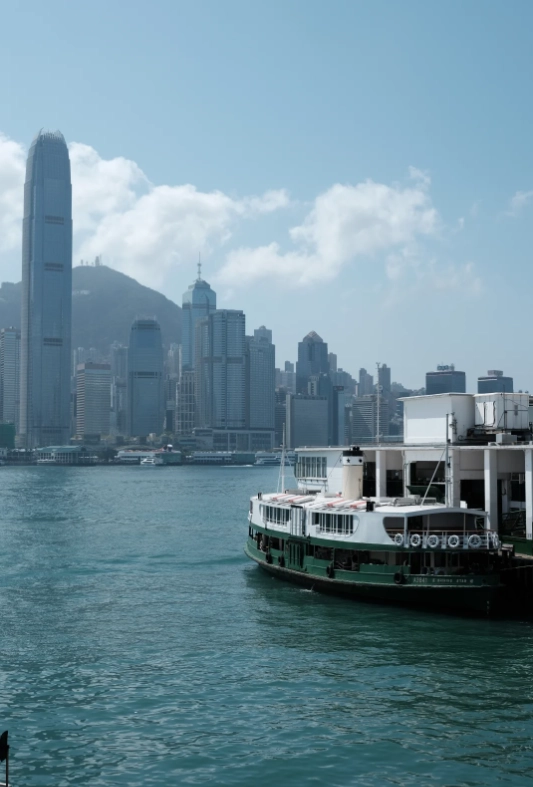
4. Star Ferry Pier (Tsim Sha Tsui)
Address: Star Ferry Pier, Tsim Sha Tsui, Kowloon
Getting there: MTR Tsim Sha Tsui Station Exit E, 5-min walk
Ferry fare: HKD 4.5 (upper deck, cash or Octopus card only – no Alipay! Have small change ready)
Best Time: 15 minutes before sunset, ride the ferry to Central for stunning views from the water
Pro tip: Stand at the back of the ferry on the upper deck. Don’t sit inside – you’ll miss the harbour breeze and the reflection on the water.
The Star Ferry itself is a moving photography spot. The short 10-minute crossing gives you dynamic shots of both skylines. I always carry a lightweight gorillapod to stabilise my phone against the railing – the ferry vibrates, and handheld shots can be shaky.
5. ICC Observation Deck (Sky100)
Address: 1 Austin Road West, West Kowloon, Kowloon
Nearest MTR: Kowloon Station Exit C1 (connected via Elements Mall)
Hours: 10:00 AM – 8:30 PM (last entry 8:00 PM)
Tickets: HKD 188 for adults, HKD 118 for children (book on Klook for HKD 138 discount)
Best Time: 4 PM to 6 PM for daylight to twilight transitions
Payment: Credit card, Alipay, WeChat – all accepted at ticket counter
Sky100 on the 100th floor offers a 360-degree view. It’s indoor with floor-to-ceiling windows, so it’s a perfect backup for rainy days. The glass is clean (they wipe it regularly), but reflections can be tricky. Use a rubber lens hood pressed against the glass to eliminate glare. I recommend the west-facing corner for the harbour panorama.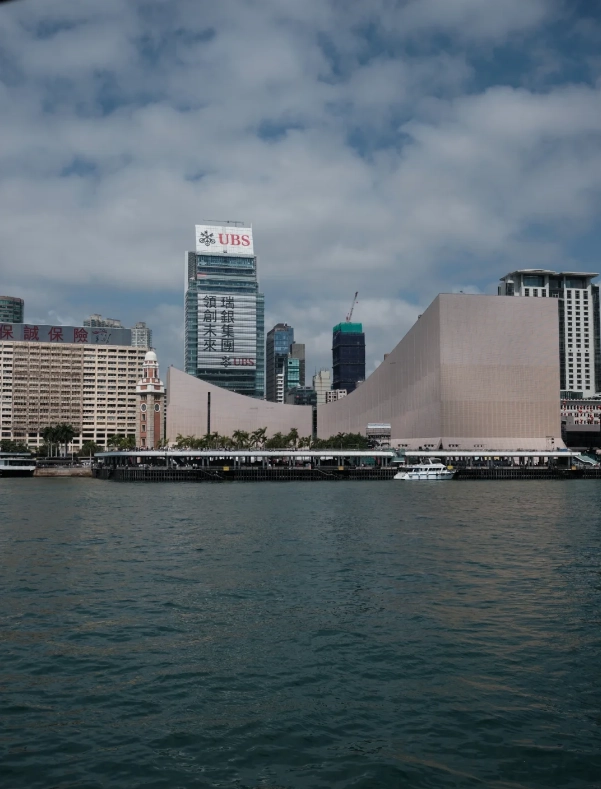
Sunset & Symphony of Lights Timing
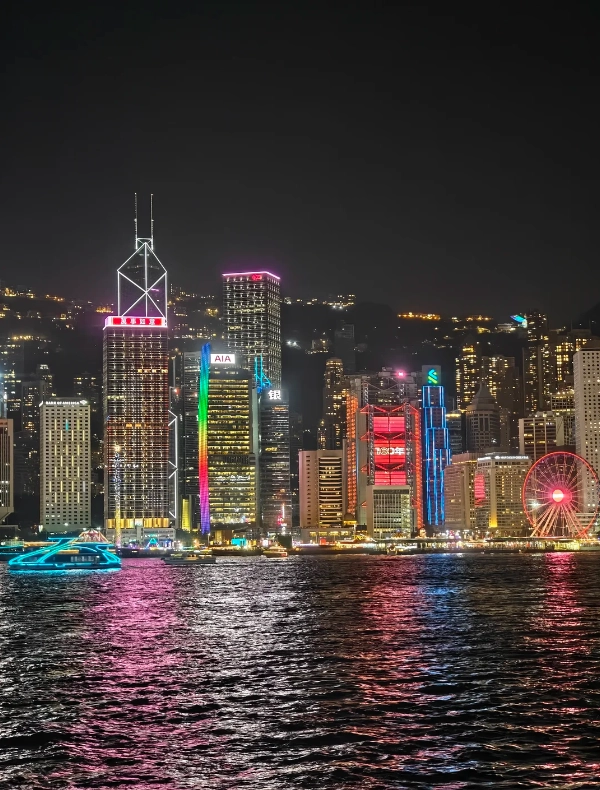
The Symphony of Lights runs daily at 8:00 PM, lasting about 10 minutes. The show synchronises lasers and spotlights across buildings. Best viewing spots are Tsim Sha Tsui Promenade (near the clock tower) and Golden Bauhinia Square. But honestly, the show is better for video than stills. For photos, the 20 minutes before the show (7:40–8:00 PM) give you the perfect blue hour with building lights just turning on.
Crowd-Beating Strategies
Weekends and public holidays are a nightmare at the Avenue of Stars. I’ve seen queues for a photo spot stretch 20 minutes. Here’s how to avoid that:
- Go on weekdays, early morning (6–8 AM). The harbour light is soft and people are scarce.
- On weekends, head to Golden Bauhinia Square instead. It’s less known among tourists but equally impressive.
- If you must shoot at sunset, reserve a table at a harbour-side restaurant in TST (like Aqua or Felix) – you get the view without the crowd, but you’ll pay for it (HKD 400+ per person).
Gear & Settings Tips
You don’t need a DSLR. Modern smartphones with night mode (iPhone 13 and above, or any flagship Android) can deliver stunning results. But if you’re using a camera:
- Lens: 24–70mm for versatility, or 70–200mm for compressed skyline shots from the Peak.
- Settings: Aperture f/8–f/11 for sharpness; ISO 100–400; shutter speed 1–4 seconds on a tripod.
- Neutral Density (ND) filter: Not essential, but it helps smooth the water if you want a long exposure (10–30 seconds) during blue hour.
- Remote shutter or timer: Use it to avoid camera shake.





I'm not a pro photographer, just a tourist with a phone. This article was still crazy useful! The section on sunset icons from Golden Bauhinia Square was super clear, and the suggestion to use the harbour cruise as a moving foreground? Genius. I got a video that looks like a travel ad. The map links helped me plan walking routes. Already shared it with two friends going to HK next month.
As a first-time visitor, I loved how this article broke down each location with what lens to use and when to go. I went to the Hong Kong Cultural Centre ramp and got that low angle shot of the harbour framed by the archway. The pro tip about ND filters saved me from overexposing the sunset. Honestly it felt like having a local photographer friend guiding me. The only reason I didn't take more photos is because I kept stopping to eat noodles.
I read this before my trip to Hong Kong and it was spot on. The tip about shooting from the Tsim Sha Tsui promenade at blue hour instead of the peak gave me exactly the colours I wanted. My skyline shot had a ferry passing through and the reflections were insane. The advice about bringing a small step stool made me laugh, but it absolutely helped me get above the crowd. Highly recommend if you're serious about getting a clean composition.
Solid guide with beautiful examples. I really appreciated the detailed info on shutter speeds for the Symphony of Lights, and the list of spot names in English and Chinese made it easy to show taxi drivers. Gave it 4 stars instead of 5 because I wish there were more hidden or less crowded locations, especially on weekends. The spots listed were great but very busy, even early in the morning. Still worth a read before you go.
Decent article but a little overhyped. I followed the tip to go to the observation deck for sunset, but by the time I got through the ticket line the light was already gone. Also the article calls it a hidden spot, but there were at least a hundred people with tripods around me. The tips are valid, just not revolutionary. Fine if you're totally new to shooting the harbour, but I expected more.
As a local, I thought I already knew all the best Victoria Harbour angles, but this article proved me wrong. The rooftop car park near Ocean Terminal is a sneaky viewpoint I'd never even considered, and it gave me a completely different perspective of the harbour. Also, the tip about checking the MyObservatory app for haze is a lifesaver. This has become my go-to guide whenever friends visit and want the classic skyline shot. A+
I'm not a professional photographer, just someone who loves taking photos of cities, and this article made it so easy to follow. It explains exactly where to stand, what lens to use, and even how to handle the sky in editing. I tried the landing spot at West Kowloon Promenade and got the exact look I was hoping for. Already bookmarked the page and cannot wait to go back and try another spot in the fall.
This is the only guide I needed for my Hong Kong skyline shots. The section on the Causeway Bay Typhoon Shelter was a hidden gem — I ended up with a quiet view of the city reflecting on the water and no one else around. The advice to keep shooting about 30 minutes after sunset is gold; that's when all the buildings lit up and the sky turned deep blue. Highly recommend this to anyone serious about harbor photos.
Nice roundup of the classic and not-so-obvious photo spots. I visited Victoria Harbour last month and wish I had this before because the tip about using a 10-stop ND filter at Tsim Sha Tsui Promenade made a real difference in my shots. Only gave it 4 stars because it doesn't mention how insanely crowded it gets during Symphony of Lights — I was shoulder-to-shoulder with other photographers. Still a very solid guide.
I was hoping for more detailed GPS pins and exact timing for the best light. The article lists the usual spots like the Avenue of Stars and Bellagio, and the pro tips are decent, but a lot of it felt pretty generic. The photo examples also didn't load on my phone, which didn't help. It's fine if you're completely new to Hong Kong, but not the insider guide I expected.
Used this for a weekend photography trip and it was a game changer. The breakdown by location, best shooting time, and suggested focal lengths is exactly the kind of practical info I look for. I followed the ICC spire from Kowloon side tip and couldn't believe how many layers I stacked in one frame — harbour water, ferries, skyline, and mountains behind. Also loved that they mention taking the Star Ferry itself as a shooting platform. This guide is pure gold for getting real variety in your Hong Kong photos.
I've lived in Hong Kong for years and thought I knew every harbour viewpoint, but this article still surprised me. The rooftop at Harbour City — I've walked past that entrance plenty of times and never realised you could go up. Sunset from there with the ferries crossing below was stunning. The blue hour explanation was spot on, and the reminder to bring a circular polarizer made a real difference in my shots. If you're serious about harbour photography, bookmark this one.
This guide was exactly what I needed! As a solo traveler who usually gets lost reading map screenshots, I loved how clear and practical the locations were. Golden Bauhinia Square gave me a different view from the usual postcard shots, and the tip about shooting reflections on wet pavement after rain made my night photos look unreal. I came home with so many frame-worthy images. Thank you for getting me to the right places before sunset!
Solid read for anyone visiting Hong Kong with a camera. I followed the Tsim Sha Tsui section and got the classic skyline with a Star Ferry in the foreground — exactly what I wanted. The advice to try the stairs near the art museum for a quieter angle worked out well. Only reason I'm not giving five stars is that the recommended settings for the laser light show weren't detailed enough; I completely overexposed the lights on my first attempt. Still, definitely saved me time figuring out where to stand.
Decent guide, but I was hoping for more hidden angles. The main locations like Tsim Sha Tsui Promenade and Victoria Peak are the same ones you'd find in any search. The tip about arriving before 6:30pm to claim a tripod spot was helpful, and using f/11 gave me sharp skyline shots. But the directions to the West Kowloon viewpoint were pretty vague, and I ended up walking near a construction site for twenty minutes. Not bad overall, just not as comprehensive as I expected.