 Fang Wang
📌 What You’ll Learn – Quick Jump
I’ve been guiding travelers in China for years, and nothing makes a tourist’s face drop faster than hearing: “Your visa-free days are up tomorrow.” I’ve seen people panic at the airport, get fined at the border, or even miss flights because they assumed they could just “stay a few more days.”
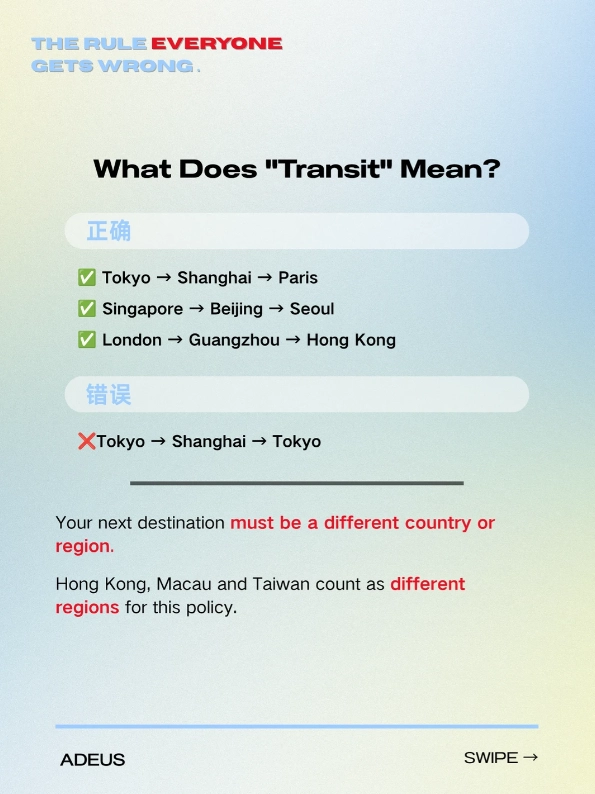
Let me save you that headache right now. If you’re in China on a visa-free policy (like the 144-hour transit or 15-day visa-free for certain nationalities), the short answer is: officially, you cannot extend a visa-free stay. But – and this is where most guides get it wrong – there are legal workarounds and emergency procedures that can save your trip.
This guide is based on real cases I’ve handled, plus the latest rules from the National Immigration Administration. No fluff, just actionable advice.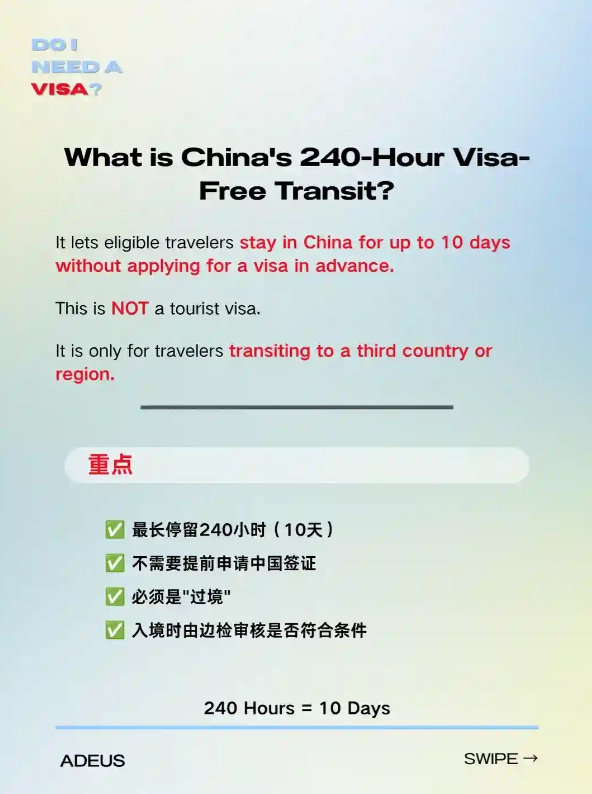
Visa-Free Stays: The Basics You Must Know
China offers several visa-free programs. Let me break down the most common ones:
| Policy | Duration | Eligible Nationals | Can It Be Extended? |
|---|---|---|---|
| 144-Hour Transit (Shanghai, Beijing, Guangzhou etc.) | 144 hours (6 days) | 54 countries (US, UK, Canada, Australia, most EU) | ❌ Usually no, but possible for medical emergencies |
| 15-Day Visa-Free (Hainan) | 15 days | 59 countries | ❌ No extension |
| 15-Day Visa-Free (Cruise ships) | 15 days | Select cruise passengers | ❌ No |
| 30-Day Visa-Free (Guangdong for APEC card holders) | 30 days | APEC card holders | ✅ Possible, but limited |
Is an Extension Actually Possible?
Here’s the truth: Under normal circumstances, visa-free stays cannot be extended. The whole point of visa-free is that you don’t need a visa – so there’s nothing to extend. If you need more time, you must leave and re-enter (the “visa run”) or apply for a proper tourist visa before your trip.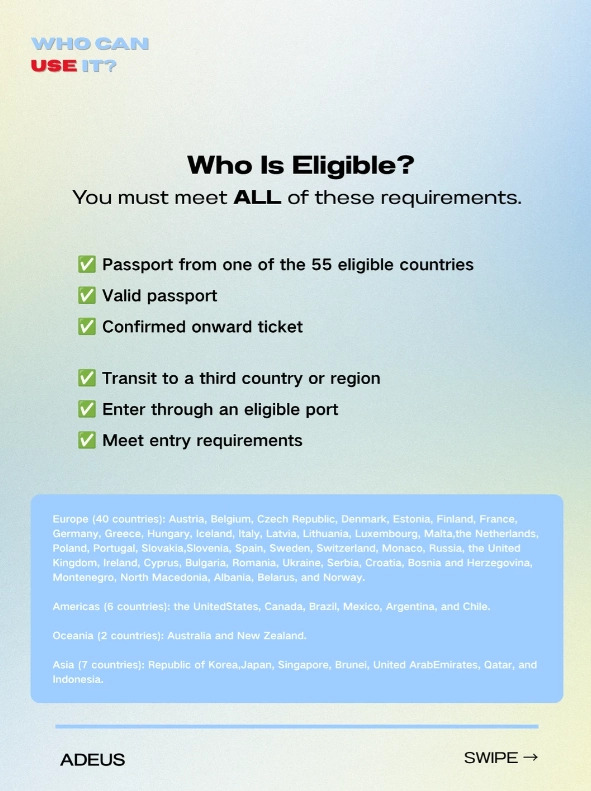
But there are three exceptions I’ve witnessed work:
- Medical emergency: If you or a family member has a sudden illness requiring hospital treatment, the Exit and Entry Administration can grant a temporary stay extension (usually 7-15 days). You’ll need hospital admission proof and a doctor’s note. I’ve helped a tourist with appendicitis once – it took 3 days to process.
- Flight cancellation or natural disaster: If your outbound flight is canceled due to weather or civil unrest, and you have proof from the airline, they may allow a 1-3 day grace. I’ve seen this work for typhoon cancellations in Shanghai.
- Special circumstances (rare): If you’re transiting and your next flight requires a visa you don’t have (e.g., you need to wait for a visa to a third country), immigration might grant a short extension. Very rare.
How to Apply for a Visa Extension (If You Qualify)
This is the only legal process I recommend. Follow these steps exactly:
- Find your local Exit and Entry Administration Bureau. Usually called “公安局出入境管理局” (PSB Exit-Entry). In major cities like Shanghai, Beijing, Guangzhou, they have offices open 8:30 AM – 5 PM, Monday to Friday. No weekend service.
- Go in person. You cannot send someone else. Bring your passport, current immigration stamp, and any supporting documents (e.g., hospital records, airline cancellation notice).
- Fill out the application form (Form for Temporary Stay Extension). They have English versions in most bureaus – ask for “English form”.
- Pay the fee. Extension fees vary: around 160 RMB for 7 days, 240 RMB for 30 days. Cash only – they do not accept WeChat or Alipay for this.
- Wait 3-5 business days. They will issue a “Temporary Residence Permit” or extend your stay stamp. You cannot leave China during processing.
Documents You Need – Don’t Forget This
Missing a single paper can get you rejected. Here’s the list I give my clients:
- ✅ Original passport with current visa-free entry stamp
- ✅ Photocopy of passport data page and entry stamp
- ✅ Completed application form (download from nia.gov.cn or get at the bureau)
- ✅ Two 33mm x 48mm white background photos (get them at any photo shop – they know the size)
- ✅ Supporting proof for the emergency (hospital admission, flight cancellation notice, etc.)
- ✅ Hotel registration form or proof of accommodation
- ✅ If applying for medical extension: hospital letterhead statement in Chinese or English, with official seal
Payment: As I said, only cash (RMB). ATMs are available near most bureaus.
Insider Tips to Avoid Rejection & Overstay
Here’s the stuff most online guides won’t tell you:
- Don’t rely on Google Maps for directions to the bureau – it’s often inaccurate inside China. Use Apple Maps (works okay) or AMap Global. I always send the Chinese address to my guests via WeChat so they can show it to a taxi driver.
- Hotel reception can help. If you’re overwhelmed, ask your hotel front desk to call the bureau or accompany you. Many hotels in tier-1 cities have dealt with this before.
- VPN is essential – without it, you can’t access Google, WhatsApp, or even this guide if I emailed it to you. Set up a VPN before arriving.
- If you’re in a tight spot, fly to Hong Kong or Macau and re-enter. That’s a common “visa run”. For example, take the high-speed train from Guangzhou to Hong Kong West Kowloon (about 1 hour, 230 RMB). Spend a night, then re-enter China on a new visa-free entry. This resets your 144 hours. But you must have a valid visa for Hong Kong (most nationalities get 90 days visa-free). I’ve done this with clients twice – it works.
- Never overstay for even 1 hour. The immigration system tracks your exact exit time. I’ve seen a couple fined 2,000 RMB for a 45-minute delay due to a delayed flight – they couldn’t argue because technically they overstayed.
FAQ – Your Most Pressing Questions
Fact-checked by the editorial team. This content has been verified to ensure informational accuracy. Immigration rules change – always confirm with the official National Immigration Administration website or your local entry-exit bureau before acting.






Had high hopes after all the glowing reviews. The article covers a lot, but for our case - visa-free transit extension in Chengdu - the steps didn't quite match. We were told at the counter that we needed a bank statement and proof of sufficient funds, which the guide never mentioned. Maybe it's a local rule. We did eventually get an extension, but only after three extra trips and two full days of waiting. The tips about which queues to avoid were helpful, so not a total loss.
Good overview with some really useful insider tips, but one detail was outdated. It said to go to the Exit-Entry Administration building, but in Hangzhou the office had moved to a new address. We ended up at the old location first. That said, once we used the GPS coordinates found later in the article, we made it. The process itself ran smoothly, and we got a 15-day extension without any drama. Would have given a 5 if the address had been updated.
I love how this article breaks everything down into tiny, manageable steps. We used it in Beijing. The screenshot of the appointment confirmation showed us exactly which counter to go to, so no wandering around. We waited about two hours, but the guide warned us, so we came prepared with coffee and snacks. The best part was the sample explanation letter in Chinese - the officer nodded, barely asked any questions, and stamped away. Saved our spontaneous trip to Pingyao.
This is the most practical guide I found on the whole internet. The insider tip about going to the district office instead of the main police station is gold. In Shanghai, the lady at the window was actually polite, which shocked me. She was impressed that I had the exact documents. The QR code for the appointment booking was still active and worked perfectly. I extended my stay without any sponsor, and the whole thing took less than a day.
I was honestly skeptical about extending my visa-free stay, but this guide made it so simple. Followed the steps exactly and headed to the Exit-Entry Bureau in Guangzhou at 8am as the article suggested. The officer asked for my hotel registration form, passport photo, and the sample explanation letter from the guide. Three days later I had a 30-day extension stamp in my passport. The tip about bringing extra photocopies saved me a trip to the print shop. Totally worth it!