 Ming Yang
What You'll Find in This Guide
- Understanding Chengdu's Climate
- Spring in Chengdu (March to May)
- Summer in Chengdu (June to August)
- Autumn in Chengdu (September to November)
- Winter in Chengdu (December to February)
- Best Time for Specific Activities
- How to Plan Your Trip Based on Time
- Common Mistakes and How to Avoid Them
- Frequently Asked Questions
After guiding tours in Chengdu for over ten years, I've lost count of how many times I've been asked, "When is the *best* time to come?" My quick answer? Aim for spring (March to May) or autumn (September to November). But let's be real—the "best" time depends entirely on what you want to do, how you handle weather, and whether you mind sharing sights with crowds. In this guide, I'll walk you through each season with the nitty-gritty details I've picked up from shepherding everyone from solo backpackers to fussy families around this city. Forget the generic advice; here's what actually works.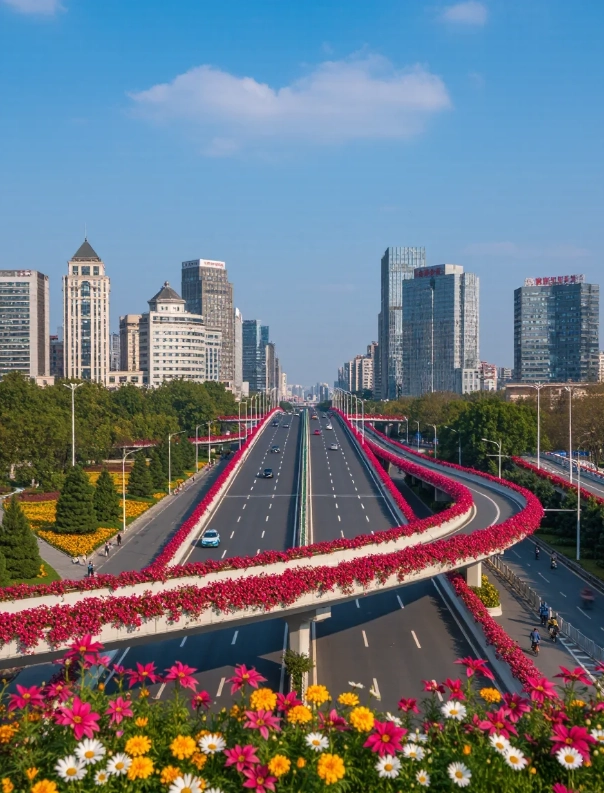
Understanding Chengdu's Climate
Chengdu sits in the Sichuan Basin, which means a humid subtropical climate. Think mild winters, hot humid summers, and springs and autumns that can be downright pleasant—but don't expect postcard-perfect blue skies every day. The city is famous for its "gray skies" due to basin fog and pollution. I always tell my groups to pack a light rain jacket and layers, no matter the season. Temperatures rarely drop below freezing in winter or soar above 35°C in summer, but the humidity makes it feel more extreme.
Here's a quick snapshot of what to expect across the year:
| Season | Average Temperature | Crowd Level | Best For | Watch Out For |
|---|---|---|---|---|
| Spring (Mar-May) | 10°C to 25°C (50°F to 77°F) | Moderate | Panda viewing, flower blooms, food festivals | Occasional rain, especially in April |
| Summer (Jun-Aug) | 25°C to 35°C (77°F to 95°F) | High (peak tourist season) | Night markets, Dragon Boat Festival, vibrant street life | Heat, humidity, heavy crowds, afternoon thunderstorms |
| Autumn (Sep-Nov) | 15°C to 25°C (59°F to 77°F) | Moderate to High | Hiking, clear mountain views, hot pot dining | Cooler evenings, possible early fog |
| Winter (Dec-Feb) | 3°C to 12°C (37°F to 54°F) | Low | Indoor cultural sites, lantern festivals, budget travel | Gloomy skies, poor air quality, some closures during Chinese New Year |
One thing most guides won't tell you: Chengdu's weather can be unpredictable. I've seen sunny days in winter and chilly rain in summer. Always check a reliable forecast like the China Meteorological Administration website a week before your trip.
Spring in Chengdu (March to May)
This is my personal favorite season to bring visitors. The city shakes off the winter gloom, everything turns green, and there's a sense of renewal. But it's not all sunshine and roses—let me give you the full picture.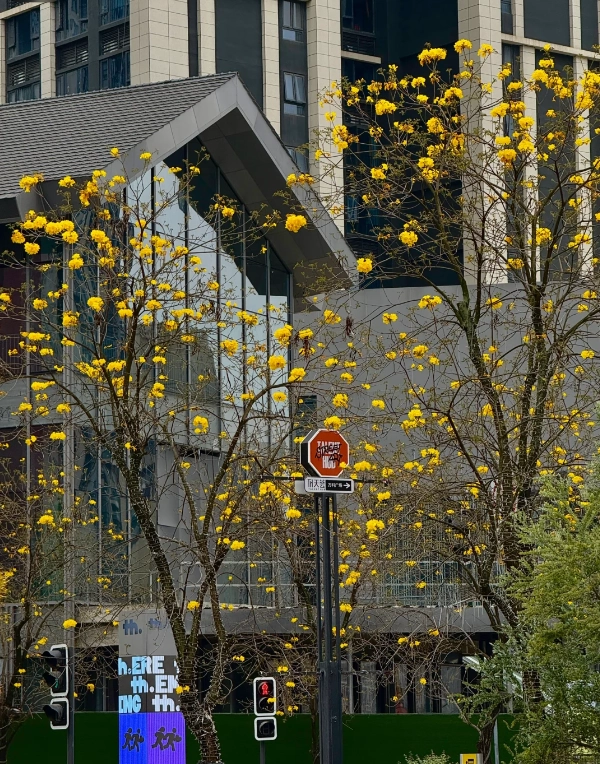
Weather and What to Pack
Temperatures are mild, ranging from 10°C to 25°C. April tends to be the rainiest month, but the showers are usually brief—perfect for ducking into a tea house. Pack a lightweight waterproof jacket, comfortable walking shoes, and layers. The haze is less severe, so you might actually spot some blue sky, especially after a rain.
Top Activities with Local Twists
Chengdu Research Base of Giant Panda Breeding: This is prime panda time. The animals are more active in the cool mornings. I always schedule visits for 8:30 AM sharp. Address: 1375 Xiongmao Avenue, Chenghua District, Chengdu. Admission: 55 RMB for adults, 27 RMB for children (6-18) and seniors. Open 7:30 AM to 6:00 PM, but the pandas nap after 10 AM. Take Metro Line 3 to Panda Avenue Station, Exit A—you'll smell the bamboo as you exit. From there, it's a 10-minute walk or a 5 RMB shuttle bus. Pro tip: Most tourists flock to the giant panda cubs, but the red panda enclosure in the wooded area is often quieter and more entertaining. I spend extra time there with my groups.
Food Exploration: Spring is festival season. The Chengdu International Food Festival usually runs in April or May—check the official Chengdu Culture and Tourism Bureau site for dates. For everyday eats, visit Jinli Ancient Street for snacks like *dan dan* noodles. My go-to spot is Long Chao Shou near Wenshu Monastery (35 Wenshuyuan Street). It's a no-frills joint, but the noodles are authentic at 15 RMB per bowl. They open at 7 AM.
Outdoor Strolls: Visit People's Park to see the flowers and join locals in tea drinking. The teahouse by the artificial lake charges 25 RMB for unlimited tea—sit there in the afternoon and watch the world go by.
Summer in Chengdu (June to August)
Hot, humid, and crowded. Summer is peak tourist season, especially for domestic travelers. If you can handle the heat, there are perks, but I often advise clients to think twice.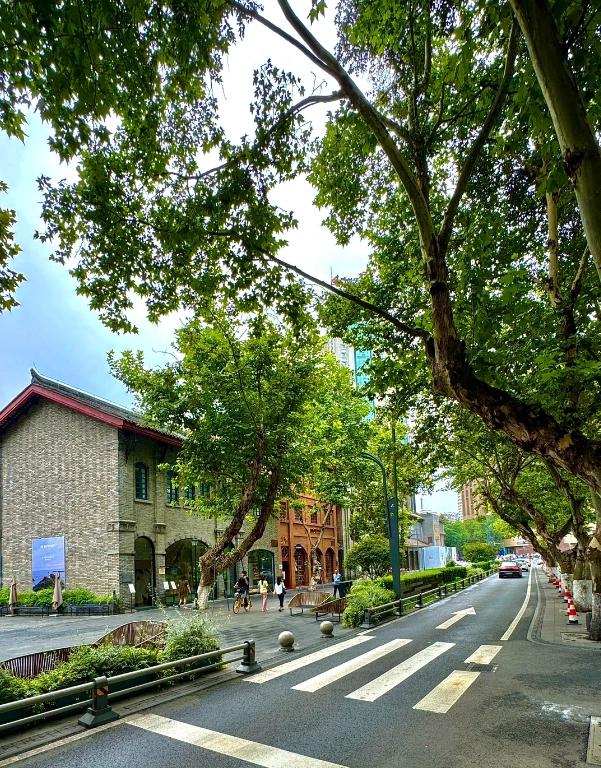
The Reality of Summer Weather
Temperatures frequently hit 30°C+ with high humidity. It feels like walking through soup. Afternoon thunderstorms are common, but they bring little relief. The air quality can dip due to lack of wind. Pack breathable clothing, a hat, sunscreen, and a portable fan. I've seen too many tourists get heatstroke—stay hydrated.
Making the Most of It
Panda Base Strategy: Pandas are lethargic in the heat. Go at 7:30 AM opening and head straight to the air-conditioned indoor nurseries. By 10 AM, they're usually asleep. I once had a group from Australia in August, and we cut our visit short because the animals were just hiding in the shade. Lesson learned: summer mornings only.
Indoor Escapes: Plan museums for afternoons. The Jinsha Site Museum (227 Jinsha Site Road, admission 80 RMB) is excellent—cool, informative, and rarely packed. Open 8 AM to 6 PM. Take Metro Line 2 to Yipintianxia Station, Exit B.
Night Markets: Summer nights are lively. Visit Kuanzhai Alley after 7 PM for street food and performances. Try *chuan chuan* (skewers) at a stall—about 1 RMB per stick. It's crowded, so keep an eye on your belongings.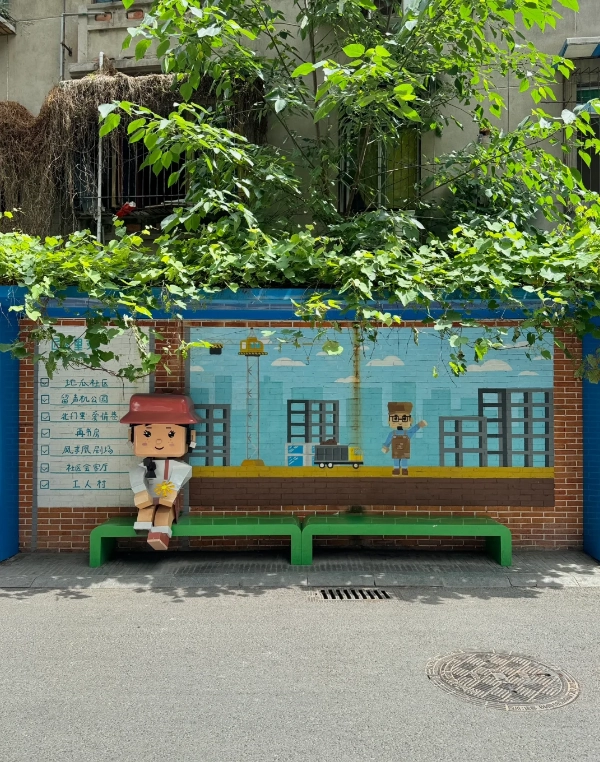
Autumn in Chengdu (September to November)
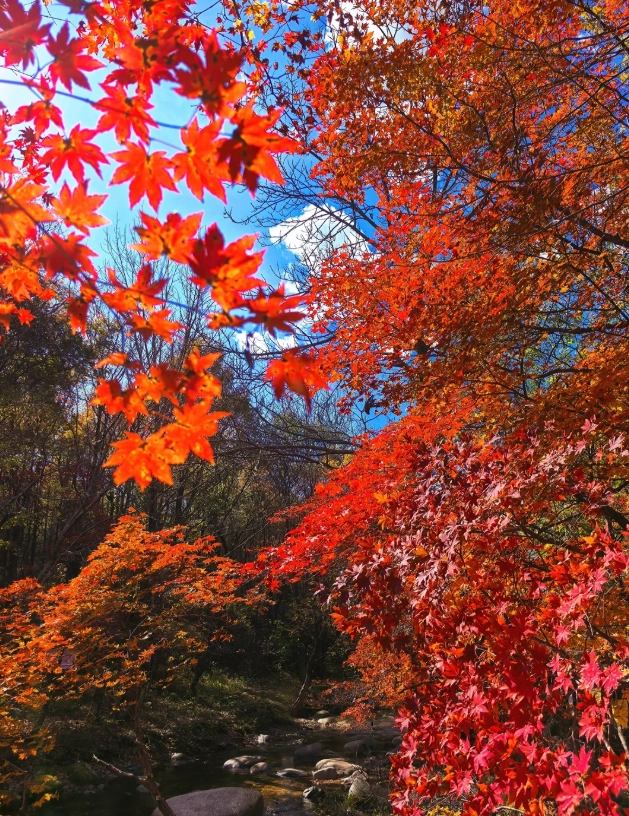
Another stellar season. The weather is crisp, the skies are clearer, and the autumn foliage in nearby mountains is stunning. This is when I recommend outdoor adventures.
Perfect Conditions for Exploration
Temperatures range from 15°C to 25°C, with cool evenings. Rainfall decreases, and you get more sunny days. Pack a light jacket for evenings and sturdy shoes for hiking.
Must-Do Activities
Hiking and Day Trips: Autumn is ideal for visiting Dujiangyan Irrigation System or Mount Qingcheng. For Dujiangyan, take a high-speed train from Chengdu North Station (30 minutes, 15 RMB), then a taxi to the site (10 RMB). Admission is 90 RMB. The views are spectacular in clear autumn light. I always go on a weekday to avoid crowds.
Food Heaven: This is harvest season for ingredients like chili and Sichuan pepper. Hot pot is a must. My favorite is Shu Jiu Xiang Hotpot near Chunxi Road (88 Yanshikou Street). It's busy, so go at 5 PM or after 8 PM. Expect 80-120 RMB per person. I always order the (split spicy and mild broth).
Cultural Sites: Visit Wuhou Shrine (231 Wuhouci Street, admission 50 RMB) in the morning when it's less crowded. The autumn colors in the garden are lovely.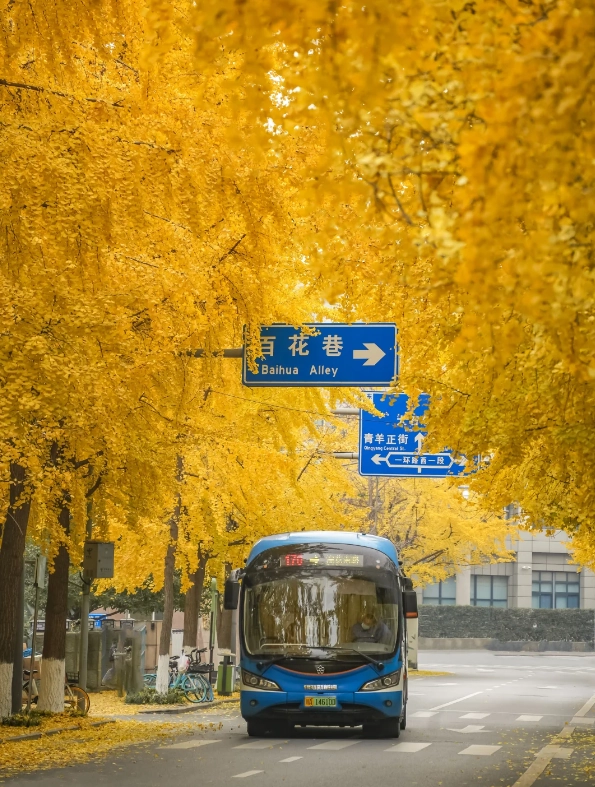
Winter in Chengdu (December to February)
Mild but gloomy. Winter is the low season, so fewer tourists and lower prices. But the gray skies and damp cold can be a downer.
What to Expect
Temperatures hover between 3°C and 12°C. It rarely snows in the city, but it's damp and foggy. Air quality can be poor due to inversions—if you have asthma, bring a mask. Pack warm layers, a waterproof coat, and comfortable indoor shoes.
Winter Highlights
Indoor Focus: Spend time at museums and tea houses. The Sichuan Opera shows at Shufeng Yayun Teahouse (137 Qintai Road, tickets 150-300 RMB) are cozy evening options. Book ahead.
Lantern Festivals: Around Chinese New Year (late January or February), Chengdu lights up with lantern displays. Jinli Street is magical, but packed. Go on a weekday evening. Note: Many locals travel then, so some shops may close.
Panda Viewing: Pandas are still visible, often in heated indoor enclosures. The upside? No crowds. I once had the Panda Base almost to myself on a chilly Tuesday in January.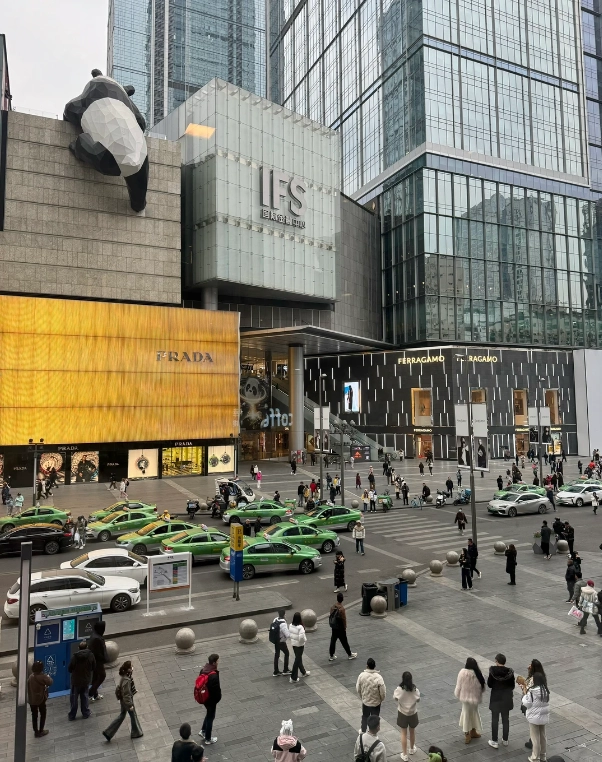
Best Time for Specific Activities
Let's get hyper-focused. What if you're here for one thing?
When to See Pandas
Early morning in spring or autumn. Avoid summer afternoons. For panda cubs, they're often born in late summer, so autumn offers a chance to see newborns. The base opens at 7:30 AM—be there then.
When for Food Exploration
Anytime, but spring and autumn have pleasant weather for street food crawls. Summer night markets are vibrant but hot. Winter is great for hot pot indoors.
When for Hiking and Nature
Autumn is prime. Spring is good but can be muddy after rain. Avoid summer due to heat and humidity. For Mount Qingcheng, visit on a weekday in October for the best experience.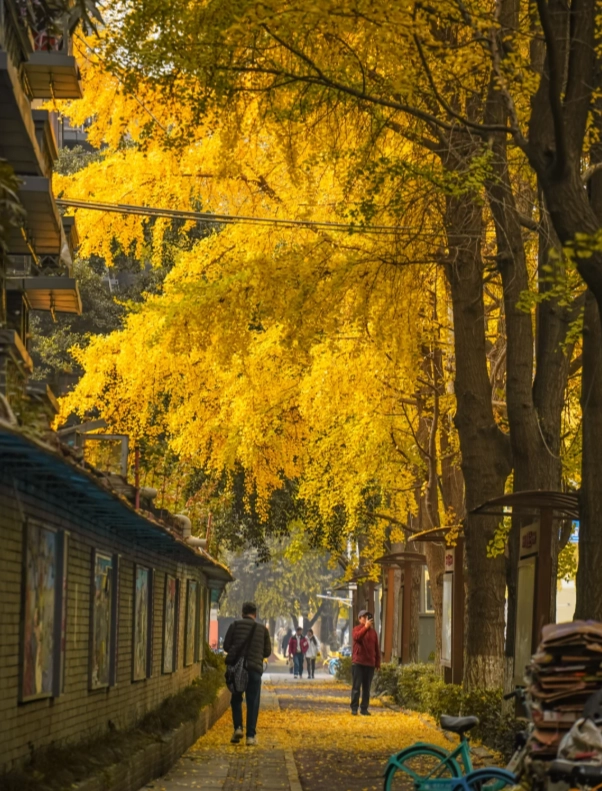
How to Plan Your Trip Based on Time
Here's how I'd tailor trips for different timeframes, based on real groups I've guided.
If You Have 24 Hours
Focus on essentials. Morning: Chengdu Research Base of Giant Panda Breeding (arrive at 8 AM). Afternoon: Jinli Ancient Street and Wuhou Shrine (take Metro Line 3 to Gaoshengqiao Station, Exit D). Evening: Hot pot dinner at Shu Jiu Xiang. In summer, swap afternoon for Jinsha Site Museum to escape heat. Total cost: around 300 RMB per person excluding accommodation.
If You Have a Weekend
Day 1: City highlights—Panda Base in morning, Tianfu Square and Chunxi Road shopping in afternoon. Day 2: Day trip to Dujiangyan (leave by 8 AM train) or a tea house experience in People's Park. Adjust based on season—in winter, add Wuhou Shrine instead of Dujiangyan.
If You Have a Week
Explore beyond Chengdu. Add Leshan Giant Buddha (best in autumn, take a bus from Xinnanmen Station, 2 hours) or Jiuzhaigou Valley (fly from Chengdu, 1 hour, best in October). But Jiuzhaigou is a commitment—book flights and hotels early.
Common Mistakes and How to Avoid Them
Mistake 1: Visiting the Panda Base at noon. Pandas are most active from 8 AM to 10 AM. Go early, or you'll see sleeping blobs. I've had clients complain, but it's their own fault for sleeping in.
Mistake 2: Not booking accommodations during festivals. Chengdu hosts events like the Sugar and Wine Fair in March—hotels sell out. Book at least a month ahead for peak times.
Mistake 3: Overpacking for summer. Light, moisture-wicking clothes are key. But bring a sweater for over-air-conditioned restaurants. I've seen tourists shivering in hot pot places.
Mistake 4: Assuming all spicy food is the same. Chengdu's *mala* (numbing and spicy) can overwhelm beginners. Start with *yu xiang* dishes (fish-fragrant style, which isn't fishy) at a place like Chen Mapo Tofu (197 Xiyulong Street). It's flavorful but less intense.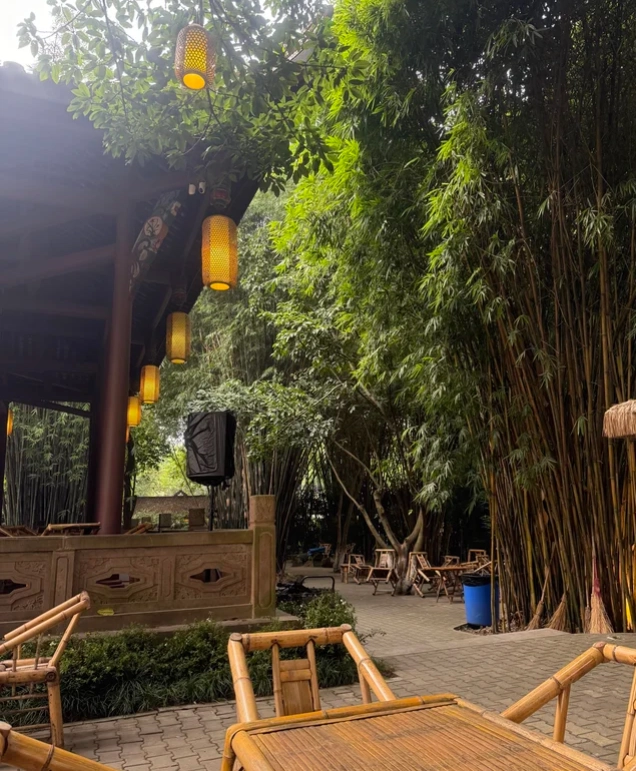
Frequently Asked Questions
This article is based on my personal experience guiding tours in Chengdu for over a decade. I've personally visited every site mentioned and eaten at those restaurants countless times. All information was fact-checked against official sources, but always verify details like opening hours on websites like the Chengdu Municipal Culture and Tourism Bureau before your trip.





No comments yet.