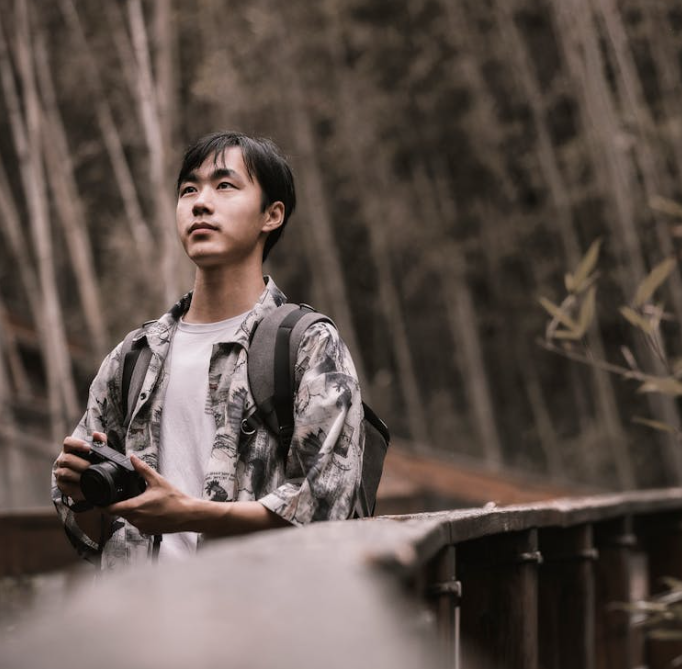
 Chen Liu
Let's cut to the chase. After a decade of guiding groups through those otherworldly sandstone pillars, I get asked this one question more than any other: "When is the best time to go?" Most blogs give you a textbook answer—autumn—and call it a day. But the real answer depends entirely on what you want. Perfect weather? Guaranteed. No crowds? That's a different story. Stunning photos without a thousand selfie sticks in your shot? Now we're talking.
My honest, one-sentence verdict? Mid-October to late November is the sweet spot. The summer heat and crowds have vanished, the skies are clear, the air is crisp, and the foliage adds a fiery contrast to the evergreen pines. But if you hate the idea of sharing the view with anyone, or you're on a tight budget, there are other windows that might suit you better. I've seen Zhangjiajie in every possible condition—from shrouded in mystical fog to baking under a July sun—and here’s everything I tell my clients, including the stuff most guides leave out.
What's Inside This Guide
Season-by-Season Breakdown: The Good, The Bad, The Crowded
Here’s a quick cheat sheet. The details, of course, are where the magic (and the misery) hides.
| Season | Months | Weather & Scenery | Crowd Level | Best For |
|---|---|---|---|---|
| Spring | March - May | Mild, lush greenery, frequent rain & fog. | Medium-High (peaks in May) | Photographers seeking moody, misty landscapes. |
| Summer | June - August | Hot, humid, sunny, occasional heavy thunderstorms. | Very High (peak domestic tourism) | Families with school holidays, guaranteed clear views. |
| Autumn | September - November | Cool, dry, clear skies, stunning fall colors. | Medium (high in early Oct holiday) | Everyone. The overall best balance. |
| Winter | December - February | Cold, occasional snow/ice, frequent low cloud. | Low (except Chinese New Year) | Budget travelers, solitude seekers, snow lovers. |
Spring: Lush and Unpredictable
March to May brings the mountains back to life. The valleys are a vibrant green, and wildflowers pop up along the trails. The downside? This is the rainiest period. That famous "sea of clouds" effect? It happens when moisture evaporates after rain. It's breathtaking when you catch it, but it also means trails can be slippery, and the iconic pillars might be completely hidden for hours.
I once spent a whole morning at Yuanjiajie (the "Avatar Hallelujah Mountain" area) with a group seeing nothing but white. We waited. Around 1 PM, the fog began to tear apart, revealing the peaks like islands. It was worth it, but you need patience. Pack a serious rain jacket and waterproof shoes. The crowd builds steadily, with May feeling almost like summer.
Summer: Heat and Human Tides
Honestly, summer (June-August) is my least favorite time to guide. The scenery is at its most vivid under the strong sun, but the crowds are oppressive. We're talking queues of over two hours for the Bailong Elevator and packed shuttle buses. The trails, especially the Golden Whip Stream path, become slow-moving human rivers.
The heat in the valleys is sticky and intense. You must start your days early—I mean at the park gate by 7:00 AM early—to beat both the crowds and the worst of the heat. The upside? Long daylight hours and a very lively atmosphere in the city at night. If you must go in summer, book everything in advance and embrace the chaos.
Autumn: The Unbeatable Balance
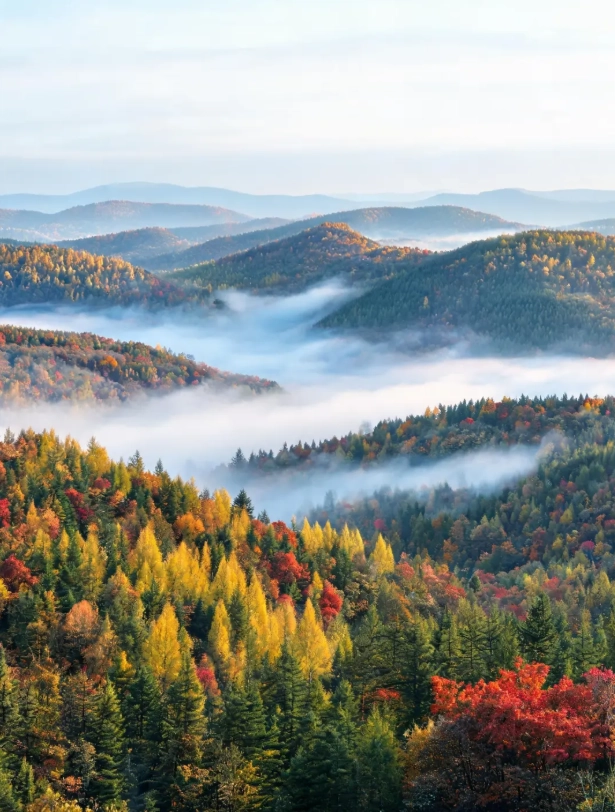
This is it. From late September, the humidity drops, the skies turn a deep blue, and visibility is perfect. October brings crisp air and the brilliant reds and yellows of maple trees, which look incredible against the sandstone. The crowds from summer have dissipated, though there's a sharp spike during the first week of October for China's National Day holiday—avoid that week like the plague.
Mid-October to November is pure hiking bliss. The temperatures are ideal for tackling the longer trails like the one from Yangjiajie. You'll actually hear the birds, not just tour group megaphones. This is the season where you get the classic postcard shots without a hundred people in them.
Winter: Solitude and Surprises
Winter is the secret season. From December to February (excluding the Chinese New Year period), you'll have the viewing platforms largely to yourself. Hotels are 40-50% cheaper. Yes, it's cold (temperatures can drop below freezing), and some higher trails might be closed due to ice. But when it snows, Zhangjiajie transforms into a silent, black-and-white ink painting. The sight of snow-dusted pillars is something few tourists ever see.
The big gamble is fog. Dense, persistent cloud can obscure views for days. I advise winter visitors to plan an extra buffer day. If Day 1 is cloudy, chances are better on Day 2. The cable cars run unless there's heavy ice, so you can still access the summits.
The Local Perspective: Weather, Crowds, and Photo Ops
Here’s what most generic guides miss. The weather isn't uniform across the park. The summit of Tianzi Mountain is often 5-7°C (9-13°F) cooler and windier than the valley floor at Golden Whip Stream. Dress in layers, always.
For photographers: The light is everything. The east-facing cliffs of Yuanjiajie are best photographed in the morning. By 2 PM, they're in shadow. For west-facing views like at "Immortal Greeting the Guests" in Tianzi Mountain, late afternoon is golden hour. That midday period when most tour groups are eating lunch? That's your time to hike to less-visited spots like the quiet trails around Yangjiajie.
A specific, actionable tip: The main ticket checkpoint at the Wulingyuan entrance gets a huge rush from 8:30 AM to 10:00 AM. Use the less crowded Forest Park (Zhangjiajie) entrance if you can. You can find its location on Google Maps as "Zhangjiajie National Forest Park Main Entrance."
If You Only Have 24 Hours: The Ultimate Whistle-Stop Itinerary
Let's say you're passing through. Here's how I'd structure one perfect day, assuming you're staying in Wulingyuan Town (the most convenient base).
6:30 AM: Be at the Wulingyuan Scenic Area entrance. Buy your 4-day pass (CNY 227 for adults, valid for 4 days, you'll only use one). Head straight for the shuttle bus to the Bailong Elevator.
7:15 AM: Ride the Bailong Elevator (extra fee, ~CNY 65) up to Yuanjiajie. You'll beat 95% of the crowds to the "First Bridge Under Heaven" and the Avatar filming location. Have this area to yourself for a precious hour.
9:30 AM: Take the free shuttle from Yuanjiajie to the Tianzi Mountain area. Explore the Helong Park and Yunqing Scenic spots. The views here are more expansive.
12:00 PM: Take the Tianzi Mountain Cableway down (extra fee, ~CNY 72). Grab a quick, simple lunch from a vendor outside the cableway's lower station—skip the overpriced tourist restaurants inside the park.
1:30 PM: Enter the park again via the same ticket. Take a shuttle bus to the "Golden Whip Stream" hike starting point. This 7.5km flat walk along a stream is the perfect, relaxing contrast to the summit views. It takes about 2-2.5 hours at a stroll.
4:30 PM: Exit the park at the Forest Park (Zhangjiajie) gate. From here, you can catch a public bus or taxi back to Wulingyuan Town. You've seen the iconic highlights efficiently.
Practical Tips for Any Season: Booking, Packing, Getting Around
Booking Tickets: You can now book the main park entrance ticket online via the official WeChat account "Zhangjiajie National Forest Park." It has an English interface. Do this, especially for peak season. The ticket includes the internal shuttle buses.
Packing Non-Negotiables: Sturdy, broken-in hiking shoes with good grip. A portable power bank (you'll be using your phone for photos and maps all day). A refillable water bottle—there are free hot and cold water refill stations at most major rest areas. Cash (small bills) for small vendors and cable car tickets if you haven't pre-booked.
Getting There: Most fly into Zhangjiajie Hehua Airport (DYG). A taxi to Wulingyuan Town takes about 45 minutes. A cheaper option is the airport shuttle bus. The high-speed train now connects Zhangjiajie West Station to major cities like Changsha (3 hours). From the train station, take a taxi or bus to Wulingyuan.
Your Questions Answered (The Real Ones)
 Look, Zhangjiajie isn't a simple checklist destination. It's a place to be experienced. Picking the right season is the first step to ensuring that experience is magical, not miserable. Forget the generic advice. Think about what you really want—perfect photos, quiet trails, budget savings, or guaranteed sun—and use this guide to match that with the right time on the calendar.
This article has been fact-checked.





No comments yet.