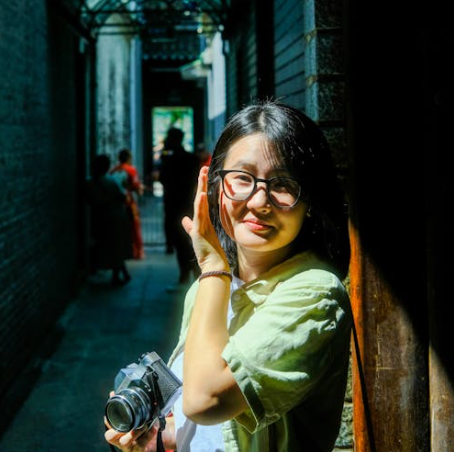
 Ting Chen
Let's be honest. You've seen the pictures. Pandas, spicy hotpot, a giant smiling Buddha. But after a decade of guiding families, solo travelers, and everyone in between through the backstreets and main attractions of Chengdu, I've learned that most online guides miss the point entirely. They tell you what to see, but not how to experience it. They send you to the same crowded spots at the same crowded times. My job is to fix that.
Chengdu isn't a checklist. It's a feeling. It's the smell of Sichuan pepper hitting hot oil, the sound of mahjong tiles clacking in a sun-drenched teahouse, and the surprising quiet of an ancient Taoist mountain just an hour from the bustling city. This guide is your backstage pass. I'll give you the concrete details—addresses, metro exits, ticket prices—but more importantly, I'll share the timing, the shortcuts, and the local habits that transform a standard visit into a genuine memory.
Your Quick Navigation
- The Panda Base: An Insider's Timing Strategy
- The Ancient Streets: Finding the Soul Between the Shops
- People's Park: The Manual to Chengdu's Slow Life
- The Essential Day Trip Escape: Mountains & Giants
- The Food: It's Not Just Hotpot (But Here's How to Do That Right)
- The 24-Hour Chengdu Sprint: A Practical Itinerary
- Your Questions, My (Blunt) Answers
The Panda Base: An Insider's Timing Strategy
The Chengdu Research Base of Giant Panda Breeding is non-negotiable. But 90% of visitors get it wrong by showing up after 10 AM. Pandas are like jet-lagged teenagers—incredibly active at breakfast, then they crash for a long nap. I've seen too many disappointed faces staring at fuzzy lumps sleeping high in a tree.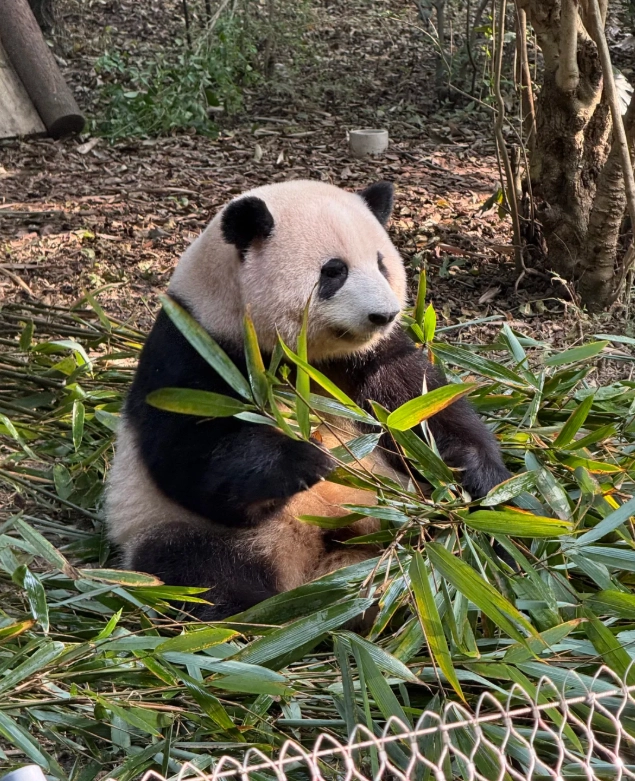
Address: 1375 Panda Rd, Chenghua District. Nearest Metro: Line 3, Panda Avenue Station. Take Exit A. You'll see signs and shuttle buses (5 RMB), but a taxi from the exit is about 12 RMB and drops you closer to the gate.
Ticket: 55 RMB adult, 27 RMB for kids 6-18. Buy online via their official WeChat channel or platforms like Trip.com to skip the ticket line. The gates open at 7:30 AM. Be there at 7:45.
Here's my field-tested routine: Enter from the South Gate. Don't wander—head straight for the Sunshine Nursery House and Moonlight Nursery House. This is where the panda cubs are, and between 8:00 and 9:30 AM, they're tumbling, wrestling, and doing things that will melt your heart. The keepers often feed them around 9:00 AM, which is prime photo time.
After the babies, work your way back towards the entrance, visiting the adult enclosures. They'll still be munching on bamboo. By 11:30 AM, the magic is over. The crowds from big tour buses have arrived, and the pandas are done for the day. This is your cue to leave. Grab lunch elsewhere.
Guide's Whisper: The Red Panda area is often overlooked. These little guys roam more freely on a wooded walkway. They're active later in the morning and are utterly charming. Don't miss them.
The Ancient Streets: Finding the Soul Between the Shops
You'll be told to visit Jinli Ancient Street and Kuanzhai Alley (Wide and Narrow Alley). They're famous for a reason, but they're also commercial. The trick is knowing when and how to visit to find the history beneath the souvenirs.
Jinli Ancient Street
Address: 231 Wuhouci St, Wuhou District. Right next to the Wuhou Shrine. Metro: Line 3, Gaoshengqiao Station, Exit D. Walk 10 minutes south.
Jinli is packed, especially on weekends. Go in the evening, after 7 PM. The daytime souvenir stalls are still there, but the traditional architecture is beautifully lit by lanterns, and the atmosphere shifts. It feels more like a night market from an older time. The street food here is a decent sampler—try the zhangcha duck (tea-smoked duck) on a stick. But it's for the vibe, not a serious meal.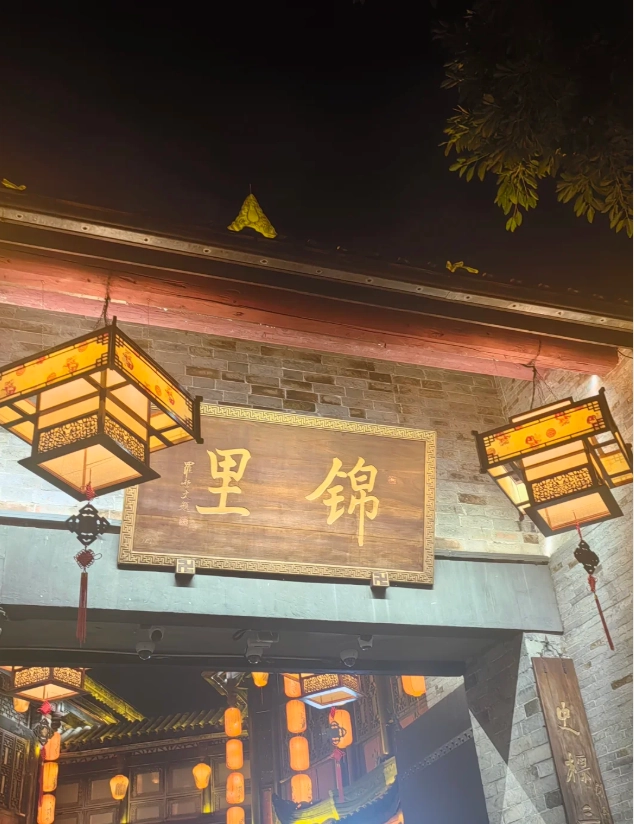
Kuanzhai Alley (Kuan Zhai Xiang Zi)
Address: Qingyang District. Metro: Line 4, Kuanzhai Alley Station, Exit B or D. You're basically there.
This is three alleys in one: the Wide Alley, the Narrow Alley, and the Well Alley. Most tourists shuffle down the Wide and Narrow alleys, buy a panda hat, and leave. Big mistake.
My advice? Go in the late morning on a weekday. Start with a coffee in one of the stylish cafes tucked into the Wide Alley's courtyards. Then, seek out the Well Alley (Jing Xiangzi). It's quieter, with more local art studios and small exhibitions about Chengdu's traditional courtyard life. Pop into a small shop selling shu brocade—the silk weaving is a real craft. The key is to slow down and peek into the open courtyard doors.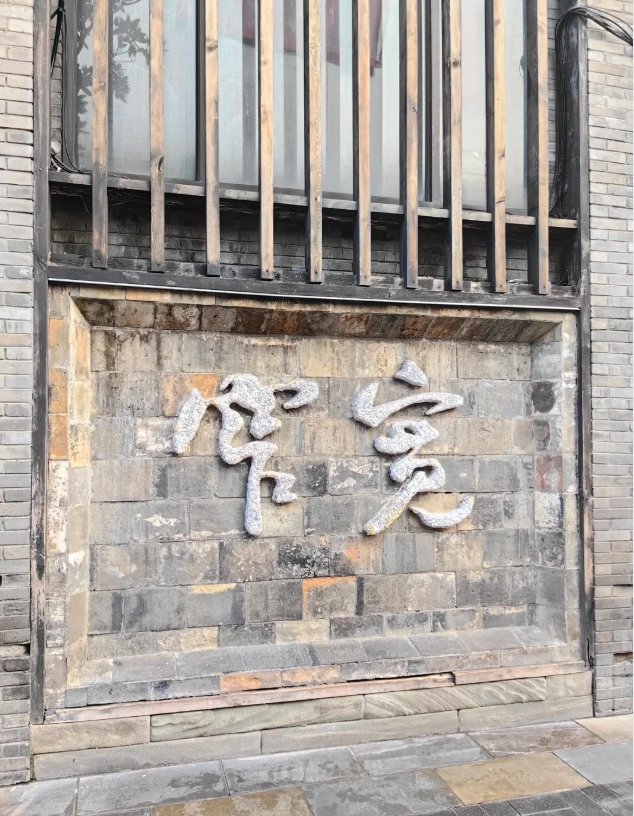
People's Park: The Manual to Chengdu's Slow Life
If you only take one piece of advice from this guide, let it be this: spend an afternoon at People's Park (Renmin Gongyuan). This is where Chengdu's famous slow life philosophy is practiced, not preached.
Address: 12 Shaocheng Rd, Qingyang District. Metro: Line 2, People's Park Station, Exit B. Walk 2 minutes.
Head straight for the Hemintang Tea House. It's the big one by the artificial lake. Grab a bamboo chair. A waiter will find you. Point at the green tea leaves in the glass jar—that's zhuyeqing (Bamboo Leaf Green), a local favorite, about 30 RMB for a cup with unlimited hot water refills.
Now, just sit. For an hour. Watch the groups of friends playing cards. Listen to the chatter. You'll see people getting their ears cleaned by the ear pickers (a unique service, mildly terrifying and relaxing at once). I bring all my first-time visitors here. One client from Canada said it was the most culturally immersive hour of his two-week trip. He wasn't watching a show; he was in it.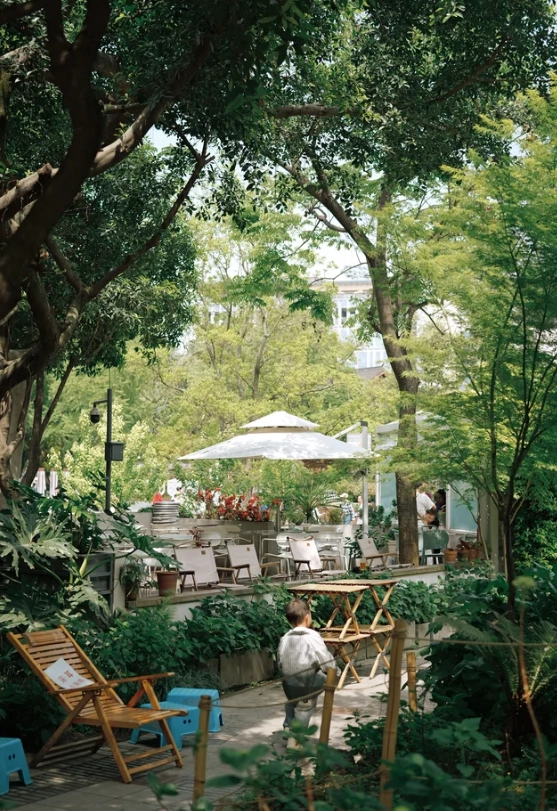
The Essential Day Trip Escape: Mountains & Giants
Chengdu's surroundings are stunning. The two heavy hitters are the Leshan Giant Buddha and Mount Qingcheng. Trying to do both in one day is a marathon I don't recommend. Choose based on your energy level.
| Destination | What It Is | How to Get There | My Take & Key Tip |
|---|---|---|---|
| Leshan Giant Buddha | A 71-meter tall stone Buddha carved into a riverside cliff. It's massive. | High-speed train from Chengdu East Station to Leshan Station (≈1 hr). Then taxi (≈20 min) to the East Gate of the scenic area. | Go on a weekday. The queue to walk down the cliffside staircase beside the Buddha can be 2+ hours on weekends. Buy the boat ticket (70 RMB) instead. It takes you right out on the river for the full-face view, no stairs required. Saves time and knees. |
| Mount Qingcheng | The birthplace of Taoism, a serene mountain covered in ancient temples and lush forest. | High-speed train from Chengdu to Qingchengshan Station (≈30 min). Then a short local bus or taxi to the Front Mountain entrance. | This is for a peaceful hike. Cable cars (35 RMB one way) cover the steepest part. Pack water and snacks. The temples are active, so observe quietly. The air is noticeably cooler and fresher—a perfect escape from the city heat. |
For a seamless combo, many prefer Dujiangyan Irrigation System (an ancient engineering marvel) with Mount Qingcheng, as they're closer together. Book train tickets a day in advance via Trip.com or the China Railway app.
The Food: It's Not Just Hotpot (But Here's How to Do That Right)
Chengdu food is a universe. Yes, hotpot is the king, but the court is full of fascinating characters.
For Hotpot: Avoid the super-chained, tourist-focused places near the major sights. Venture into a residential neighborhood. Look for a place packed with locals, with red lanterns and a hazy, spicy aroma. Shu Jiuxiang Hotpot (multiple branches) is a reliable, high-quality choice. Their Qianxi Branch at 289 Shuhan Rd is good. Expect to spend 80-120 RMB per person. My must-order items: thin-sliced beef, goose intestine (crispy if cooked right), and taro. Pro tip: If you can't handle the fiery red "mandarin duck" pot, just get the non-spicy bone broth side. No shame.
For Classic Sichuan Dishes: You need a meal at a chuancai guan (Sichuan restaurant). Chen Mapo Tofu (the original one at 197 Yulin East Rd) is an institution. It's noisy, busy, and serves the namesake dish—spicy, numbing, silky tofu over minced pork—exactly as it should be. Also order gongbao jiding (Kung Pao chicken) and yuxiang qiezi (fish-fragrance eggplant). Budget 60-90 RMB per person.
For Snacks: Head to Wenshu Monastery area. The monastery itself is peaceful. The street outside and the alley to its left are snack heavens. Look for zhong shui jiao (boiled dumplings in sweet-spicy sauce) and dan hong gao (steamed egg cake).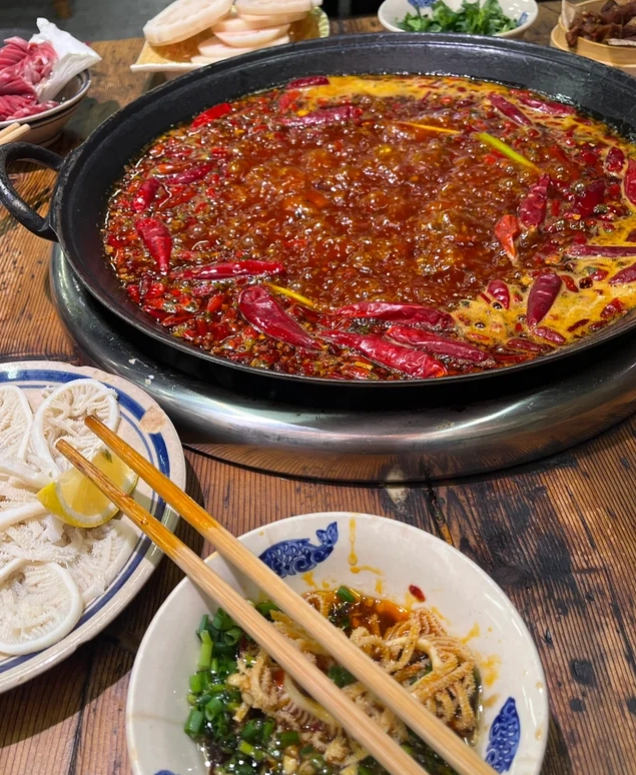
The 24-Hour Chengdu Sprint: A Practical Itinerary
Lost on a layover? Here's how I'd structure one perfect, packed day.
7:45 AM: Arrive at Panda Base South Gate. Execute the baby panda strategy.
11:30 AM: Taxi to Wenshu Monastery. Explore the quiet temple, then have a lunch of classic Sichuan dishes and snacks in the surrounding area.
1:30 PM: Metro to People's Park Station. Spend a slow 90 minutes at Heming Tea House. Try ear cleaning if you're brave.
3:30 PM: Short walk to Kuanzhai Alley. Stroll, explore Well Alley, have a late coffee.
5:30 PM: Metro or taxi to a local hotpot restaurant (like Shu Jiuxiang) for an early dinner. Beating the evening rush is key.
8:00 PM: If you have energy, taxi to Jinli Ancient Street to see the lanterns and bustling night market vibe.
It's a sprint, but it hits the major experiential notes: wildlife, cuisine, slow culture, history, and nightlife.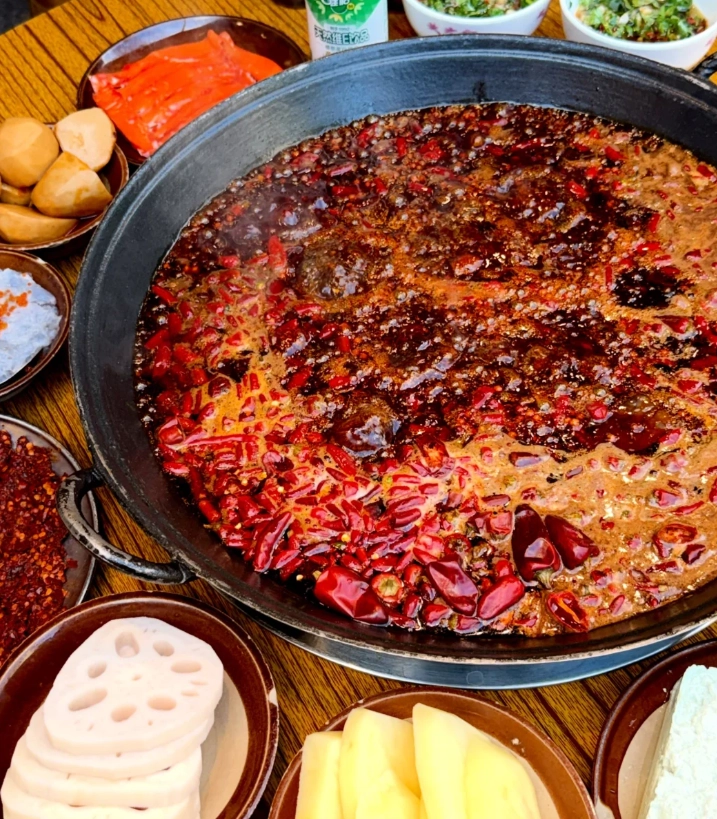
Your Questions, My (Blunt) Answers
Is one day enough for the Chengdu panda base?
More than enough. The panda activity window is short. A focused 3-4 hour visit in the early morning is vastly superior to a full, tired day. Use the afternoon for something else, like People's Park.
I can't handle spicy food. Will I starve in Chengdu?
Not at all. This is a common fear. First, many dishes can be requested wei la meaning "slightly spicy" or bu la for "not spicy." Second, there are plenty of non-spicy classics: sweet water noodles (tian shui mian), wontons in clear broth (qing tang hun tun), and steamed pork buns (baozi). At hotpot, you can use the non-spicy broth side exclusively.
What's the best time of year to visit Chengdu?
Spring (April-May) and Autumn (September-October). The weather is mild, not too rainy, and not too hot. Summer is humid and hot, though the mountains are cooler. Winter is damp and chilly, but you'll have fewer crowds. Avoid major Chinese public holidays like Golden Week (early October) at all costs.
Is it easy to get around with just English?
The metro system has clear English signs and announcements. For taxis, have your destination's name and address written in Chinese characters (your hotel can help). Apps like Didi (the Chinese Uber) have an English interface and are a lifesaver—you can input your destination in English and the driver gets the Chinese location.
What's one mistake most first-time visitors make that I can avoid?
Trying to do too much in one day. Chengdu's rhythm is slow. Rushing from the pandas to Leshan to hotpot to a Sichuan opera will leave you exhausted and you'll miss the point. Pick one or two major things per day, and leave space to sit in a teahouse, wander a local market, or just get lost in a non-touristy neighborhood. Let the city come to you.
This article is based on personal, on-the-ground experience guiding tours in Chengdu over the past ten years. All practical information (prices, metro exits, operating hours) has been verified against official sources and recent visitor reports as of my last visit. Travel details can change, so always double-check opening times with your hotel before heading out for the day.





No comments yet.