 Ting Chen
Let's get straight to it. You're coming to Chengdu, and you want to see the pandas, eat the food, and soak in the culture without getting stuck in tourist traps or wasting half your day in lines. I've been guiding groups here for over a decade, and I'm going to give you the exact routes and tips I use for my own clients. This isn't a generic list of places; it's a battle-tested plan that factors in crowd flow, transportation logic, and where to find the real flavor of the city.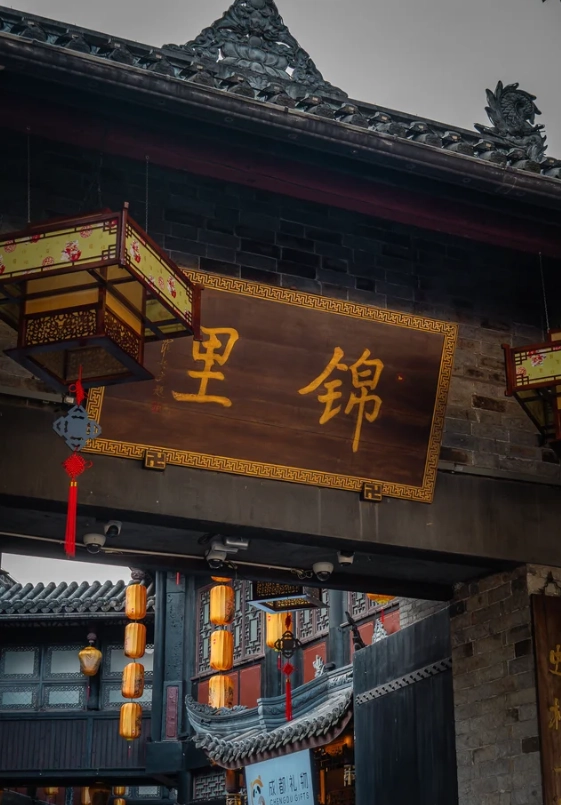
Your Quick Route Finder
The 3-Day Classic Route (The Gold Standard)
This is the itinerary I recommend to most first-timers. It balances iconic sights with local life, and it's paced to prevent exhaustion.
Day 1: Pandas, Ancient Streets & Sichuan Opera
Morning (7:30 AM - 12:00 PM): Chengdu Research Base of Giant Panda Breeding
Address: 1375 Panda Ave, Chenghua District. Get there by taking Metro Line 3 to Panda Avenue Station, Exit A. From there, it's a 10-minute walk or a quick 2-minute hop on the direct shuttle bus (costs about $0.30).
This is the single most important tip I give: be at the gates by 7:50 AM. The base opens at 8:00 AM. Pandas are most active in the cool morning hours, especially between 8:30 and 10:00 AM, when they're fed. By 11 AM, most are napping, looking like fluffy black-and-white rugs. I've seen too many disappointed faces from groups that arrive at 10 AM.
Tickets are about $8 for adults. Head straight for the Adult Panda Enclosures near the entrance first, then work your way back to the Panda Nursery (if there are cubs) and the Red Panda Area. The red pandas are wildly underrated—they roam freely on walkways above you!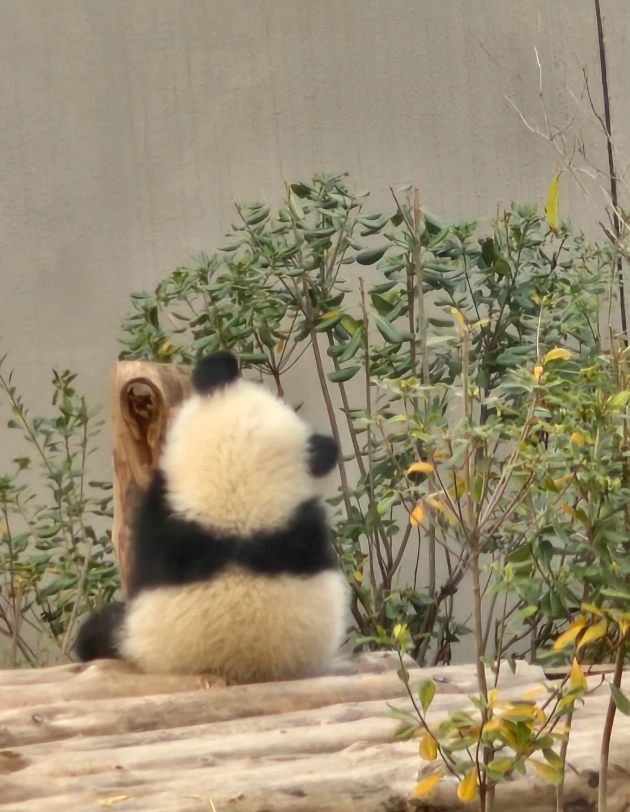
Lunch (12:30 PM): Don't eat at the Panda Base. Take the metro back two stops to Zoo Station. Exit B puts you right near a cluster of fantastic local eateries. My go-to is a place called "Chen Mapo Tofu" (27 Wai Cao Shi Jie). It's not fancy, but it's the real deal for the classic spicy tofu dish. A filling meal costs $4-6 per person.
Afternoon (2:00 PM - 5:30 PM): Wenshu Monastery & Jinli Ancient Street
From Zoo Station, take Metro Line 3 to Gao Sheng Qiao Station, Exit F. Walk 10 minutes to Wenshu Monastery. It's free, peaceful, and a genuine working monastery. The tea house in its courtyard is where locals relax. It's the perfect antidote to the morning's excitement.
Then, take a taxi (about $3) or bus (Line 57) to Jinli Ancient Street. Yes, it's touristy, but it's fun. Go for the street food snacks. Skip the big restaurants here. Try a bowl of "Dan Dan Mian" (noodles) or "San Da Pao" (sweet glutinous rice balls) from a stall.
Evening (8:00 PM): Shu Feng Ya Yun Sichuan Opera
Book the 8:00 PM show at the theater inside the Cultural Park (Qingyang District). Tickets range from $25 to $40. It's tourist-oriented but professionally done. The face-changing (Bian Lian) and fire-spitting acts are incredible. Book online in advance. The park itself is lovely for a short stroll before the show.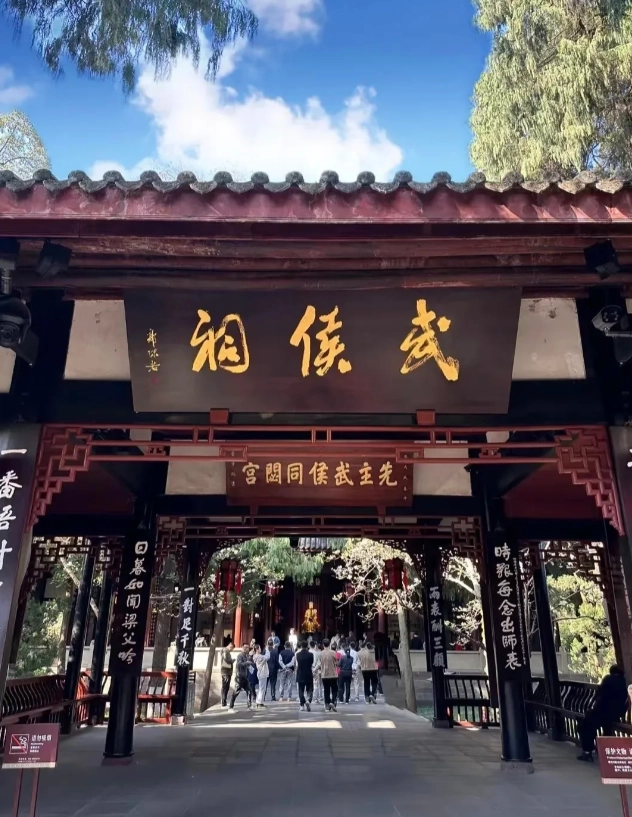
Day 2: History, Parks & The Ultimate Hotpot
Morning (9:00 AM - 12:30 PM): Wuhou Shrine & Thatched Cottage of Du Fu
Start at Wuhou Shrine Memorial Temple (231 Wuhouci Street, Wuhou District). Metro Line 3, Gaoshengqiao Station, Exit D. Tickets about $8. It's a serene complex dedicated to Zhuge Liang, a legendary strategist. The adjacent Jinli Street (the other end from yesterday) is quieter in the morning.
Then, take a 10-minute taxi ($2-3) to the Thatched Cottage of Du Fu. This is a beautiful park and museum for China's revered poet. It feels like a world away from the city. Tickets around $7.
Afternoon (1:30 PM - 5:00 PM): People's Park & Tea Culture
Have a simple lunch near Du Fu's Cottage. Then, head to People's Park (Qingyang District). Enter from the main gate. This is where you see real Chengdu life: dance groups,matchmaking corner, and most importantly, the Heming Teahouse. Grab a bamboo chair by the water, order a cup of Jasmine tea ($3-4), and spend an hour people-watching. You can even get an ear cleaning from a master if you're feeling brave.
Evening (7:00 PM): Hotpot Experience
For a reliable, high-quality hotpot that won't destroy your stomach, I always recommend "Shu Jiu Xiang" Hotpot. They have many branches; a convenient one is at 8 Dongda Street, Jinjiang District (near Chunxi Road). It has a 4.5-star rating on Google Maps. Go for a Yuan Yang (split pot) with mild bone broth on one side and medium-spicy on the other. My must-order items: sliced beef, duck intestine, and crispy pork belly. Budget $15-25 per person. Make a reservation.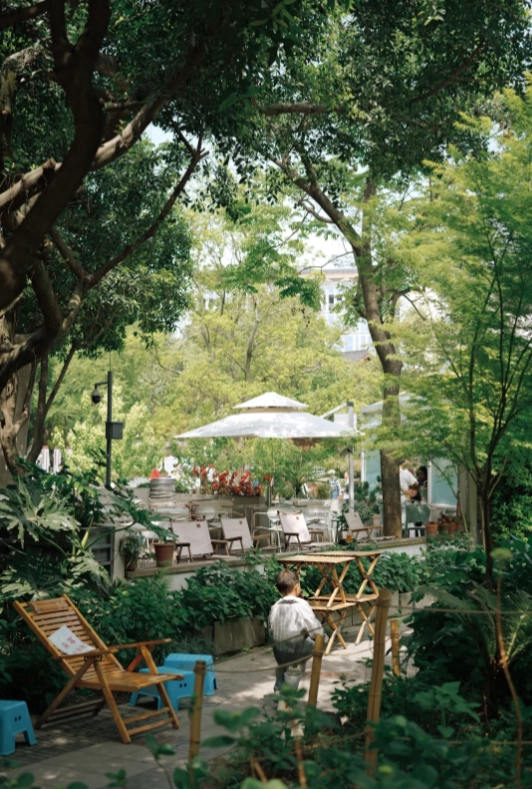
Day 3: Day Trip to the Leshan Giant Buddha
This is a must-do. Forget organized tours that cost $80. Do it yourself.
Getting There: Take a high-speed train from Chengdu East Railway Station to Leshan Station. The ride is about 50 minutes and costs $10-15 one way. Trains run frequently from 6 AM. Book your return ticket when you arrive at Leshan.
From Leshan Station, take taxi or bus K1 to the Leshan Giant Buddha Scenic Area. The whole journey door-to-door from central Chengdu takes about 2 hours.
The Visit: Tickets are about $20. You have two viewing options:
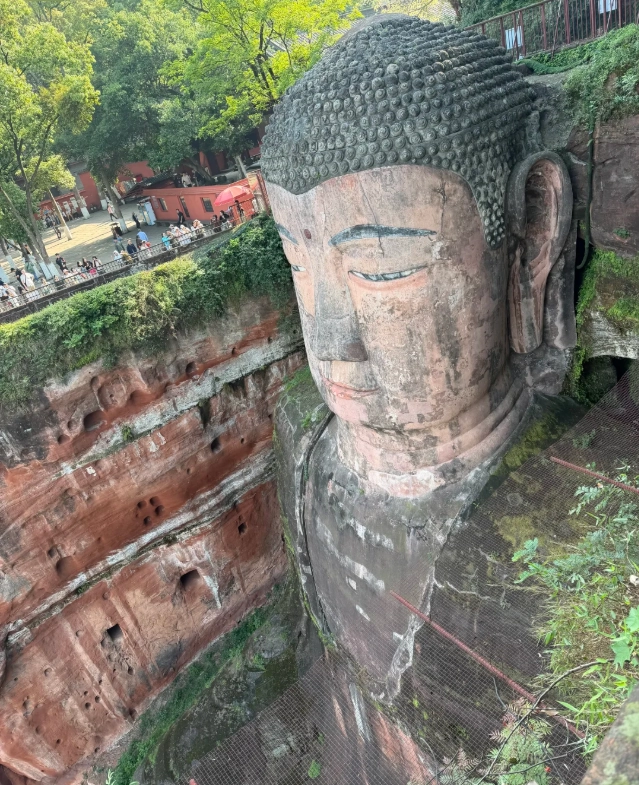
- The Hike Down (Recommended): Enter the main gate, walk through the temple, and join the queue to walk down the cliff-side path next to the Buddha. This queue can be 1-2 hours long on weekends. You get the iconic up-close view from his feet.
- The Boat View (Time-Saver): Take a taxi directly to the Wuyou Pier. A 30-minute boat ride ($15) takes you right out onto the river for the full frontal view. No hiking, no crowds. This is my secret for clients with limited time or mobility. The view is actually more complete.
Where to Stay: My Quick Picks
Your location determines your experience. I suggest staying near a major metro line intersection.
- For Luxury & Convenience: Niccolo Chengdu (IFS Tower, Chunxi Road). Right in the heart of shopping, with stunning views. Prices from $150/night.
- For Boutique Charm: The Temple House (Bitieshi Street, near Taikoo Li). Blends modern design with traditional architecture. From $200/night.
- For Budget & Social Travelers: Lazybones Hostel (off Renmin South Road). Clean, great common area, easy metro access. Dorm beds from $10, private rooms from $35.
Book accommodations near Chunxi Road, Tianfu Square, or Jinjiang Hotel metro stations for maximum flexibility.
Adjusting Your Itinerary: 1-Day, 2-Day & Beyond
Not everyone has three full days. Here’s how to adapt.
The 24-Hour Power Blitz
If you only have one day, you must prioritize. 7:30 AM: Panda Base (non-negotiable). 11:30 AM: Head to People's Park for lunch at the Zhong's Dumplings inside the park (it's famous) and tea at Heming Teahouse. 2:30 PM: Taxi to Jinli for a quick snack stroll. 4:00 PM: Visit Wuhou Shrine (it's right next to Jinli). 7:00 PM: Have an early hotpot dinner. It's rushed, but it hits the highlights.
The 2-Day Deep Dive
Follow Day 1 (Pandas, Jinli, Opera) and Day 3 (Leshan Giant Buddha) from the classic route. This gives you the two biggest "wow" factors outside the city. You miss the park culture, but you see the icons.
Adding a 4th Day: A Local's Choice
Skip the crowded Kuanzhai Alley. Instead, take Metro Line 2 to East Suburb Memory station. This is a cool, repurposed factory district with art galleries, cafes, and indie shops. Later, visit the Sichuan Provincial Museum (near Du Fu's Cottage) to understand the region's history, or take a food tour through a local neighborhood like Yulin with a guide from Chengdu Food Tours.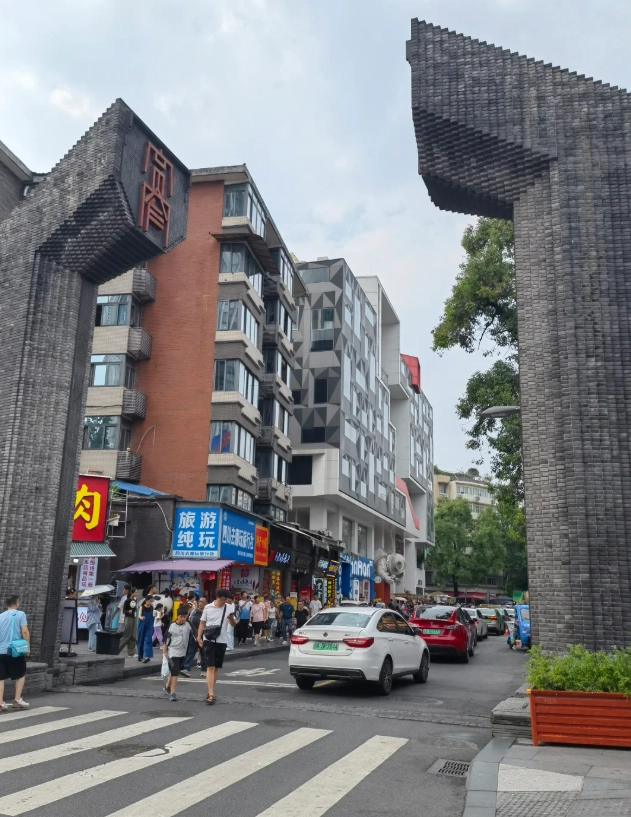
Essential Practical Info: Getting Around & Staying
| Topic | Key Details | Pro Tip |
|---|---|---|
| Transportation | The metro is fast, clean, and cheap. Buy a rechargeable transport card at any station for easy tap-and-go on metro and buses. Didi (China's Uber) is ubiquitous and cheap. Taxis are plentiful but ensure they use the meter. | Download the "MetroMan Chengdu" app for offline metro maps and route planning. It's a lifesaver. |
| Best Time to Visit | Spring (April-May) and Autumn (Sept-Oct) are ideal. Summers are hot and humid. Winters are chilly and foggy but less crowded. | Avoid Chinese national holidays (Golden Week in early Oct, Spring Festival in Jan/Feb). The city is swamped, and prices triple. |
| Money & Payments | Cash is rarely used. WeChat Pay and Alipay are mandatory for daily life. Set them up before you arrive. International cards work at hotels and some large stores, but not at small eateries or for transport. | Carry some RMB cash as a backup, but link your foreign card to WeChat Pay/Alipay for seamless spending. ATMs are widely available for cash withdrawal. |
| Language | English is not widely spoken outside hotels and major tourist spots. Learn a few phrases: "Ni hao" (Hello), "Xie xie" (Thank you), "Zhe ge" (This one) while pointing at a menu. | Use the "Translate" app on your phone (or Google Translate) for live camera translation of menus. It works surprisingly well. |
Chengdu Tour FAQs: Your Questions, Answered
There you have it. A Chengdu tour route built on real experience, not just copied from a brochure. Follow these steps, and you'll see more, taste more, and stress less. The city's magic is in its laid-back pace—don't over-schedule. Leave time to sit, drink tea, and watch the world go by. That's the real Chengdu.
This article is based on my personal guiding experience and regular fact-checking with local operators. Attraction details like opening hours are subject to change, so always double-check on their official sites before your visit.





No comments yet.