 Ming Yang
Let's be honest. When you think of Chengdu, giant pandas and fiery hotpot probably jump to mind first. But if you skip the Wuhou Shrine, you're missing the soul of this city. I've lost count of how many times I've led groups through its cypress-shaded courtyards. Every time, someone turns to me and says, "I had no idea it would feel like this." It's not just a museum; it's a living memorial to loyalty, strategy, and a romanticized era of Chinese history that still captivates people today. Forget the dry history books. Here's how to experience the Shrine like someone who's been walking its paths for years.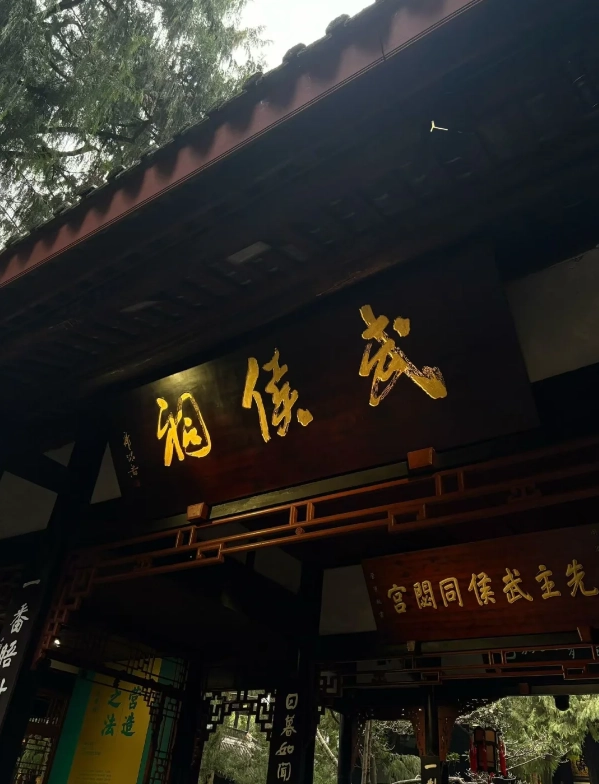
In This Guide: Navigate Like a Pro
- Why This Shrine Matters More Than You Think
- How to Get There Without the Hassle
- Tickets, Hours, and the Golden Visiting Window
- What to See Inside: Beyond the Main Hall
- Beating the Crowds and Finding Quiet Corners
- Food and Tea Nearby: Where the Locals Go
- Putting It All Together: Sample Itineraries
- Your Questions Answered (The Real Ones)
Why This Shrine Matters More Than You Think
Most visitors know it's about Zhuge Liang, the legendary strategist of the Three Kingdoms period. But here's the nuance most miss: this shrine is uniquely dedicated to a minister, not an emperor. The "Wu" in Wuhou was Zhuge Liang's noble title. The fact that a temple built for a loyal advisor outshone and outlasted the one for his lord, Liu Bei (whose tomb is right next door), tells you everything about what Chinese culture admires: brilliant minds and unwavering loyalty. It's a place that philosophizes about leadership. I once had a CEO from San Francisco spend two hours just contemplating the couplets on the pillars, saying they were better than any management seminar.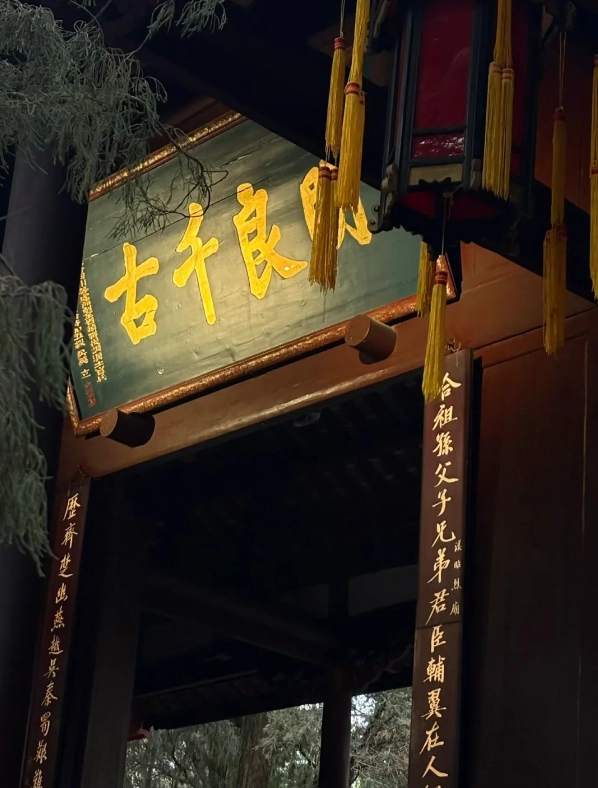
How to Get There Without the Hassle
The address is 231 Wuhouci Street, Wuhou District. Simple. Getting there is easier than you'd think, but the last 100 meters are where people get lost.
By Metro (The Smartest Way): Take Line 3 to Gaoshengqiao Station. Come out of Exit C. This is crucial. Turn left and walk straight for about 7 minutes. You'll pass a few shops selling tourist trinkets—ignore them. The main entrance gate will be on your right. If you smell roasting chestnuts, you're on the right path.
By Taxi/Rideshare: Tell the driver "Wuhou Ci" (Woo-ho Tsz). If you show the Chinese characters, even better. They'll likely drop you at the main entrance plaza. Be prepared for traffic around here, especially after 3 PM.
A Critical Tip: The ticket office is outside the main gate, to the left. I've seen countless tourists queue up at the gate itself, only to be told to go buy a ticket first. The toilets next to the ticket office are always crowded. Do yourself a favor and use the facilities at the metro station before you exit.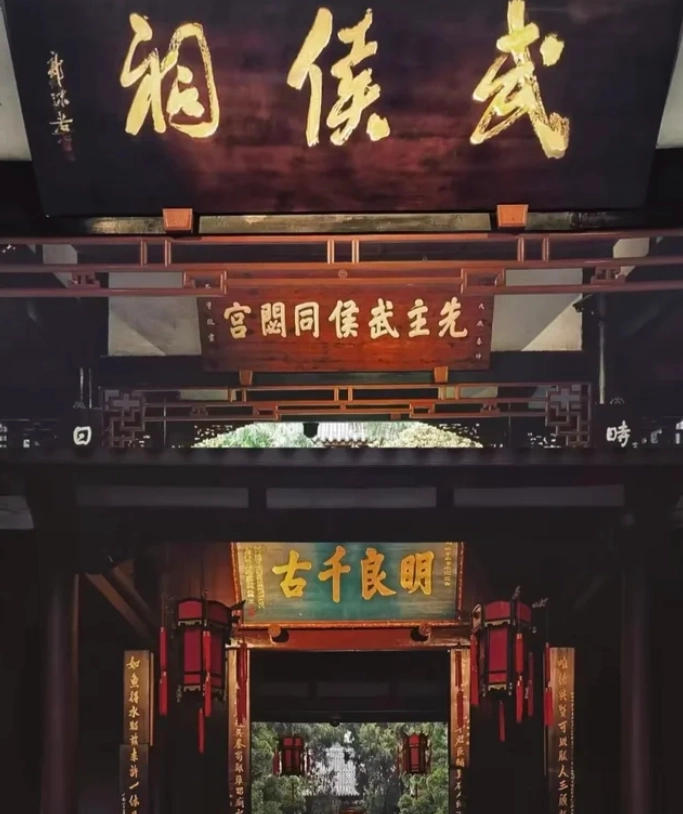
Tickets, Hours, and the Golden Visiting Window
| Item | Details | My Advice |
|---|---|---|
| Ticket Price | Adult: 50 RMB. Child (under 1.4m/4'7"): 25 RMB. | Buy at the window. Online platforms sometimes bundle with Jinli Street, which you may not want. |
| Operating Hours | 8:00 AM – 6:00 PM (Last entry at 5:00 PM). Year-round. | It never closes for a holiday. Rain or shine, it's open. |
| Best Time to Visit | Weekday mornings right at 8:00 AM, or after 4:00 PM. | Most tour groups swamp the place from 10 AM to 3 PM. The light for photos on the famous red wall is softer and perfect after 4 PM. |
| Time Needed | A thorough visit takes 2-2.5 hours. | Don't rush. The value is in sitting quietly, not ticking off halls. |
What to See Inside: Beyond the Main Hall
Don't just walk straight down the central axis. The magic is in the detours.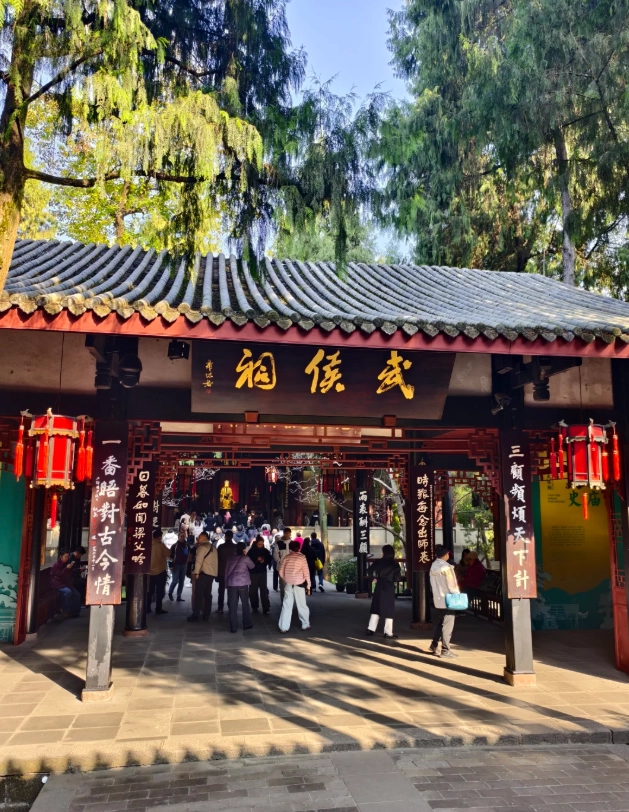
The Three Must-Visit Spots (That Aren't the Main Statue)
- The Cypress Path: Immediately after the first gate, you'll see ancient cypress trees planted during the Tang Dynasty. Touch the bark. These trees have been here for over a thousand years. It sets the tone.
- The Horizontal Tablets Hall: Look up. The carved wooden plaques hanging from the beams are incredible. The most famous one, "The First Temple in the Realm," was a game-changer. It solidified the shrine's top status. I always point out the different calligraphy styles—it's like a history of Chinese writing on display.
- The Tomb of Liu Bei (Huiling): This is the green mound at the back. It's a bit of a walk, and honestly, the archaeology is debated. Is the Shu Han emperor really buried here? Maybe, maybe not. But the walk through the moss-covered walls and quiet archways feels ancient. It's a contemplative space most day-trippers skip. Go.
The Red Wall Alley & The Statue Gallery
The winding red wall with bamboo shadows is the Instagram famous spot. It's beautiful, yes. But come on, everyone has that photo. For a better experience, visit the gallery of 40 painted clay statues of Shu Han officials. The craftsmanship is stunning, and it gives faces to the names you read about. Stand in front of the statue of Zhao Yun. You can feel the determination.
Beating the Crowds and Finding Quiet Corners
If you're there at a peak time and it feels overwhelming, here's your escape plan.
First, avoid the main central corridor. Instead, stick to the covered walkways on the eastern side of the complex. They house various stone tablet inscriptions and are usually much quieter.
Second, the teahouse inside the shrine grounds is overpriced and noisy. Skip it. For real tranquility, find the small "Pavilion of the Heart of the Army" (Junji Xin) tucked away in a corner. There's often no one there, just the sound of the wind in the trees.
Finally, remember the park connection I mentioned? If the crowds win, just make your way to the back and exit into Nanjiao Park. Instant peace.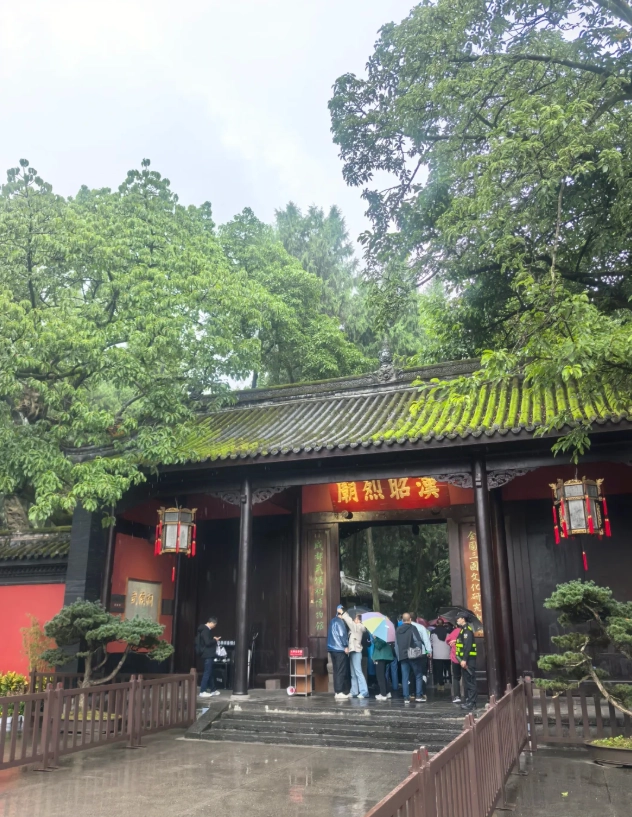
Food and Tea Nearby: Where the Locals Go
You'll be funneled directly into Jinli Ancient Street after exiting. It's a tourist food street—fun for a snack, chaotic for a meal. Here's what I recommend instead.
For an Authentic Tea Experience: Walk about 8 minutes north on Wuhouci Street to He Ming Teahouse. Address: 22 Wuhouci Street. This is a real, bustling local teahouse where old men play mahjong. Order a cup of Zhuye Qing (Bamboo Leaf Green tea, a Sichuan specialty) for about 25-35 RMB. Sit for an hour. Watch life go by. This is the post-shrine reflection you need.
For a Proper Sichuan Meal: Venture 10-15 minutes walk away from the tourist zone to Chen Mapo Tofu (Wuhou Branch). Address: 19 Shenxianshu North Road. Google Maps rating: 4.2. This is a reliable chain for classic dishes. Their mapo tofu is solid (spicy level: ask for "wei la" if you're cautious), and their gongbao jiding (kung pao chicken) is one of my go-to orders. A full meal will run 60-80 RMB per person.
Putting It All Together: Sample Itineraries
The "I Only Have 3 Hours in Chengdu" Blitz
Impossible? Not quite. Take a taxi directly to the shrine for 9 AM. Spend 90 focused minutes inside, hitting the main hall, the red wall for a quick photo, and the statue gallery. Exit, take a 30-minute walk through Jinli Street for the vibe (buy snacks like a fried dough twist, but don't sit down). Then, grab a taxi to your next destination.
The Perfect Half-Day Deep Dive (My Recommended Plan)
10:30 AM – Arrive via metro. (You've missed the very first wave but before the huge lunchtime crowds).
10:30 AM - 1:00 PM – Explore the shrine at a leisurely pace, using the quiet side walkways.
1:00 PM – Exit through the back into Nanjiao Park for a 30-minute stroll.
1:30 PM – Walk to He Ming Teahouse for tea and relaxation.
2:30 PM – Late lunch at Chen Mapo Tofu or a nearby local noodle shop. You've experienced history, nature, and local culture without the crush.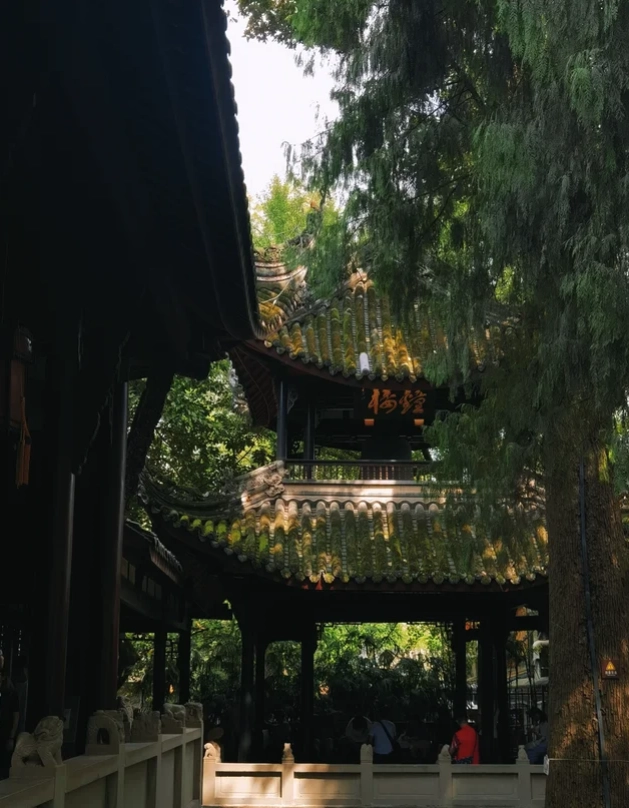
Your Questions Answered (The Real Ones)
They are physically connected, so you will inevitably see both. My strong recommendation is to do the Shrine first, Jinli second. Enter the shrine with a clear, contemplative mind. After absorbing that history, you can handle the sensory overload of Jinli. If you do Jinli first, you'll be tired, distracted, and likely won't appreciate the shrine's atmosphere. Exiting the shrine into Jinli is the natural, and correct, flow.
The touts at the gate offering guide services are hit or miss. The official audio guide (available for rent inside) is… dry. Honestly, if you're curious about the stories, do a little prep. Read the Wikipedia page for Zhuge Liang and the Three Kingdoms on the metro ride over. The plaques inside have decent English descriptions. Your money is better spent on a good cup of tea afterwards to digest it all.
It can be, with managed expectations. There are no interactive exhibits or flashy things. It's a walk-and-look place. Teenagers interested in history, video games, or manga based on the Three Kingdoms (like Dynasty Warriors) often love it. For younger kids, frame it as a "secret garden" or a quest to find the oldest tree or the reddest wall. The open spaces are safe for them to walk, but keep voices down. The adjacent park (Nanjiao) is a great reward for their patience.
They treat it as a 45-minute photo stop before Jinli Street. They rush down the center, snap a picture of Zhuge Liang's statue and the red wall, and leave. They miss the texture—the feel of the stone tablets, the shade of the cypresses, the wisdom in the couplets. They come away thinking it's "just another temple." It's not. Slow down. Sit on a bench. Let the place, not just the sights, sink in. That's when you feel the difference.
This article is based on my extensive, firsthand experience guiding international visitors through the Wuhou Shrine for many years. Details regarding pricing and hours are accurate as of my last visit. For the most official information, you can refer to the Chengdu Culture and Tourism Administration website.





No comments yet.