 Ling Wu
What’s Inside
I’ve lost count of how many times I’ve walked this arcade-lined street with a camera around my neck. The first time? I nearly gave up. Heat, crowds, and no idea where to point my lens. But after leading dozens of photo tours here, I’ve cracked the code. Here’s the raw truth: most tourists leave with average shots because they show up at noon and stick to the main drag. Don’t be that person.
This guide is built from real scouting – wrong turns included. You’ll learn the precise corners where the light falls just right, which hours to avoid (hint: 11am–2pm is a disaster), and exactly how to handle the WeChat-only ticket system without tears.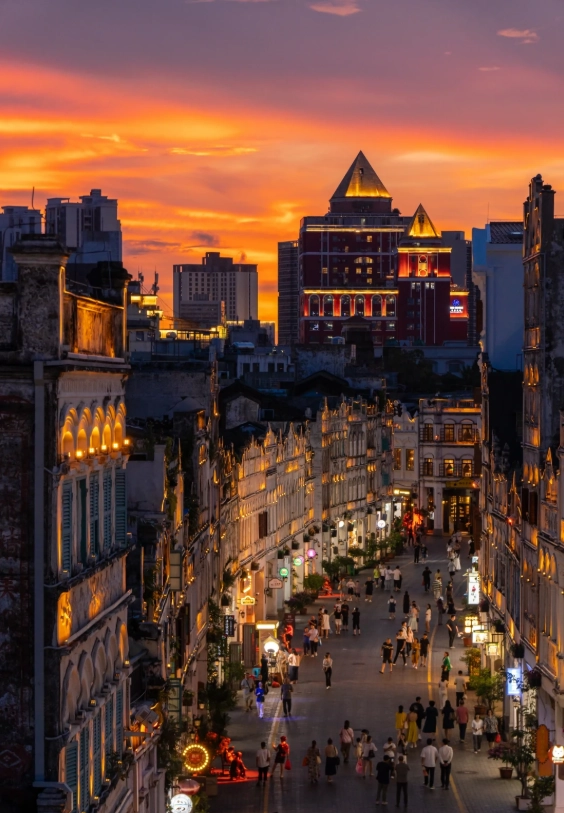
Why Photographers Love Qilou Old Street
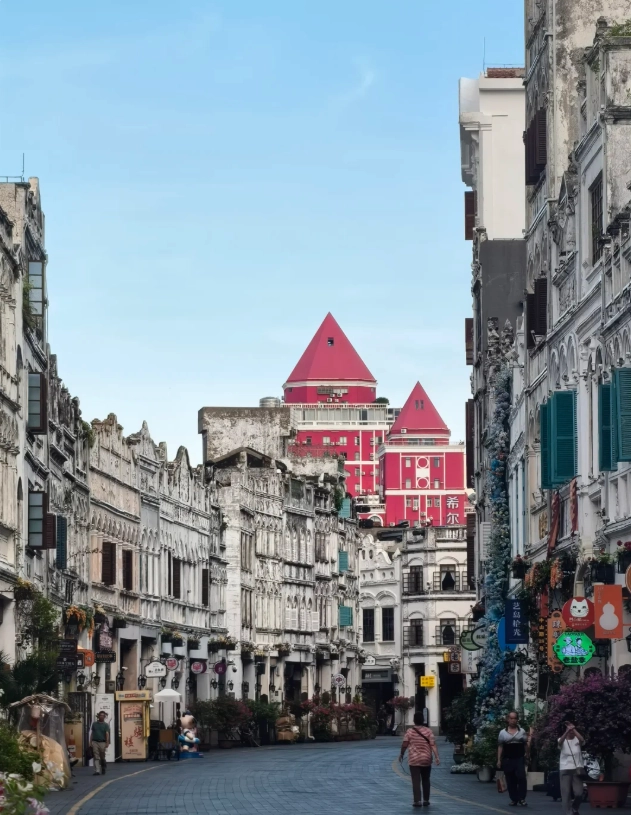
Qilou (骑楼) means “riding building” – those covered walkways supported by columns. Haikou’s version is one of the best-preserved in China, blending南洋 (Nanyang) colonial style with local Hainanese flair. The facades are a mix of pastel yellows, faded greens, and art deco motifs. For a photographer, it’s a texture goldmine.
But here’s the thing I tell every client: the street itself is only half the story. The real magic is in the shadows under the arcades, the reflections in puddles after a rain shower, and the daily life spilling onto the sidewalks. Don’t just shoot the buildings – shoot the old man playing chess, the woman hanging laundry, the kid chasing a stray cat.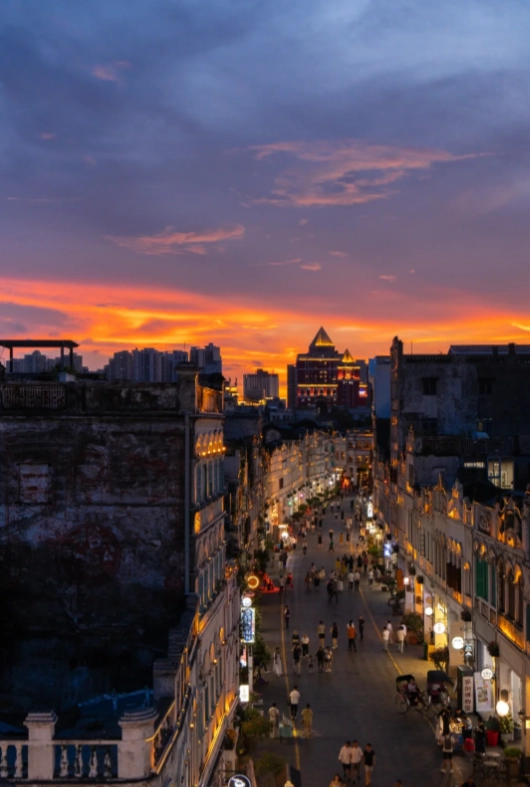
Top 5 Photo Spots on the Street (With Map Coordinates)
Forget Google Maps – it’s useless here. Use Apple Maps or Baidu Maps (download offline Chinese map before you come). I’ll give you landmarks you can show a taxi driver.
1. The Curve at Zhongshan Road Intersection
Location: Where Zhongshan Road meets Bo’ai Road. Look for a large banyan tree.
Why it works: The street curves slightly, giving a vanishing-point perspective of the arcades. Best with a wide-angle lens (16-24mm).
Time: Early morning (8–9am) or late afternoon (4:30–5:30pm) when the sun casts long shadows diagonally across the street.
2. The Blue Mosaic Balcony (No. 28 Bo’ai Road)
Location: About 100 meters south of the intersection. Look up – you’ll see a balcony with blue-and-white ceramic tiles.
Why it works: Unique detail that stands out from the typical beige facades. Use a telephoto (70-200mm) to compress the perspective and isolate the balcony against the sky.
Warning: The ground floor is a busy snack shop. Avoid shooting during lunch rush (12–1pm) unless you want blurry silhouettes.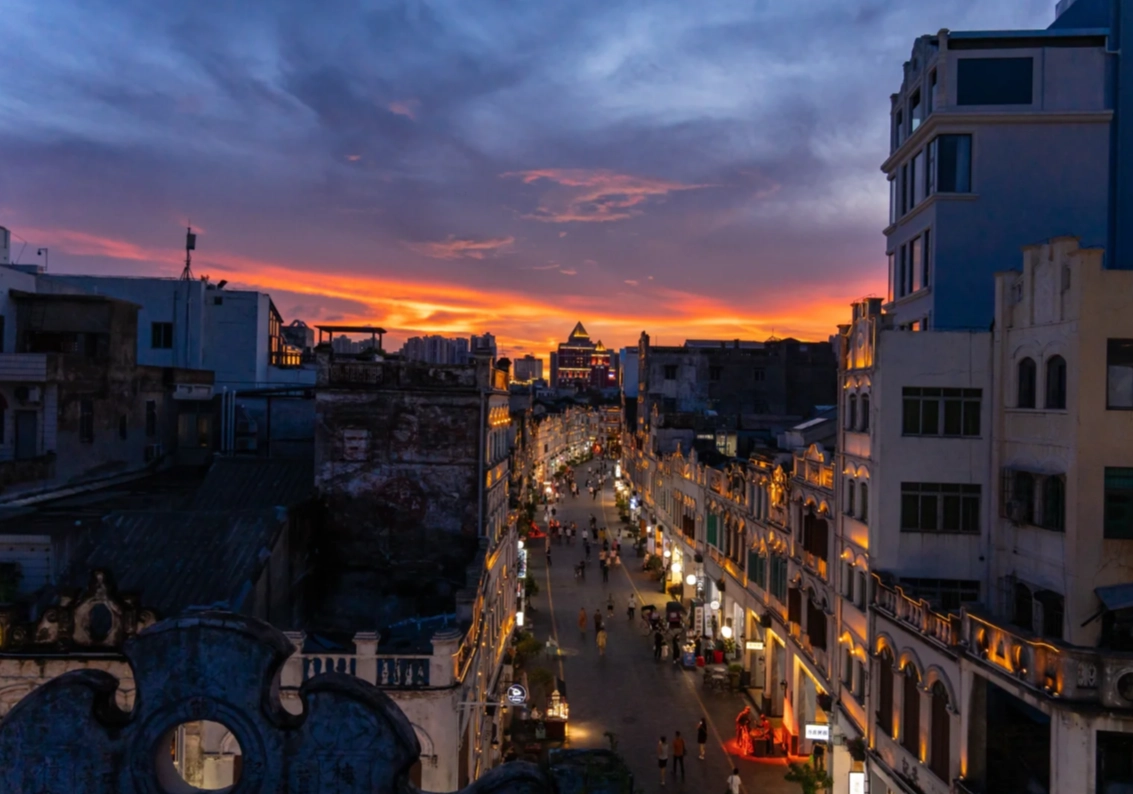
3. The Alley of Hanging Lanterns (Xinhua South Road)
Location: A small alley connecting Xinhua South Road to the main street. Look for a red archway.
Why it works: Lanterns are strung overhead, and the alley narrows to about 2 meters. Perfect for vertical shots with depth. The light filter through the red fabric gives a warm glow.
Secret: Come after a light rain. The wet cobblestones reflect the lanterns – pure gold.
4. Rooftop View from Minzhu Road Parking Garage
Location: The public parking garage on Minzhu Road (ask taxi: 民主路停车场). Take the elevator to the 5th floor.
Why it works: Overlooks the entire Qilou district. You can shoot down into the winding streets. Best for golden hour and blue hour.
Catch: The garage is open air, no fee. Security might ask what you’re doing – just say “photography” and smile. I’ve never been kicked out.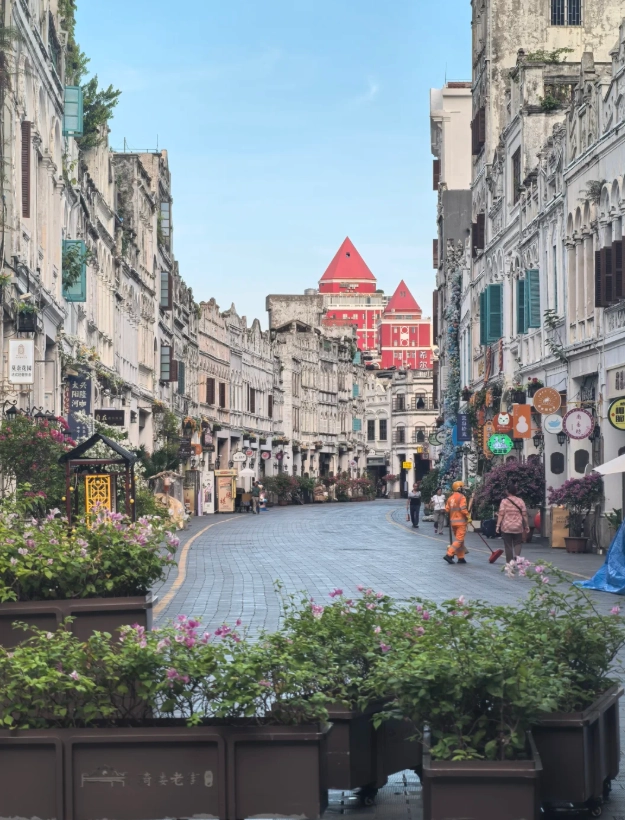
5. The Old Pharmacy Interior (No. 75 Zhongshan Road)
Location: A traditional Chinese pharmacy that’s been there for decades. The owner is used to photographers.
Why it works: The wooden cabinets, ceramic jars, and old scales make for incredible still life. Ask politely before shooting – I usually buy a small bag of herbal tea as a thank you.
Light: Harsh midday light actually works here because it streams through the dusty window and creates beams.
| Spot | Best Lens | Best Time | Crowd Level |
|---|---|---|---|
| Curve at Zhongshan/Bo'ai | 16-24mm | 8-9am or 4:30-5:30pm | Medium (morning low) |
| Blue Mosaic Balcony | 70-200mm | Late afternoon | Low (quiet street) |
| Alley of Lanterns | 24-70mm | Golden hour or after rain | Low |
| Parking Garage Roof | 24-70mm or 70-200mm | Sunset | Very low |
| Old Pharmacy Interior | 35mm or 50mm | Midday (light beams) | None (private) |
Golden Hours & Weather Hacks
Haikou is tropical – expect heat and humidity. Here’s how to work with the weather:
- November to March – the “cool” season (still 20-25°C). Clear skies, pleasant shooting all day. Best overall.
- April to October – hot and rainy. Mornings are your friend. Rain often comes in short bursts – use them! Wet streets = reflections = magic.
- Golden hour in Haikou is about 4:30-5:30pm (depending on season). The sun sets over the old street, lighting up the western facades with warm orange.
Foreigner Survival Guide – Payment, Maps, Language
This is where most travel blogs screw you. They say “bring cash” – cash is useless here. Here’s the real deal:
Payment: 90% of shops, even small stalls, only accept Alipay or WeChat Pay. I’ve seen travelers turned away for trying to use cash. Solution: Link your foreign credit card to Alipay before you arrive. Takes 10 minutes. If that fails, ask a local shopkeeper to swap cash to their digital wallet – they’re usually happy to help (just buy something small).
Maps & Navigation: Google Maps shows wrong locations for many shops. Use Apple Maps (works okay) or download Baidu Maps (set to English). For taxis, show the Chinese address below. Didi (Chinese Uber) has an English interface – use it. Don’t flag down taxis on the street; they may overcharge.
Language: English is not widely spoken. Download Baidu Translate or Apple Translate (offline packs). For booking tickets, most attractions require a Chinese phone number. If you don’t have one, use Trip.com (they accept foreign numbers).
VPN: China blocks Google, Facebook, Instagram, etc. Install a reliable VPN before you arrive. I recommend Astrill or ExpressVPN – test it at the airport. Without VPN, you can’t upload photos to social media.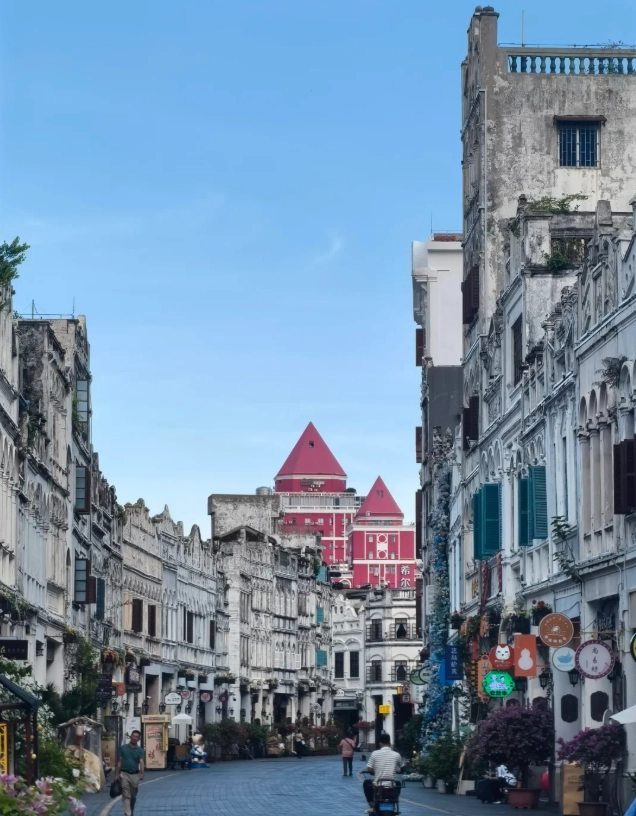
Frequently Asked Questions
Verified and fact-checked by the editorial team after multiple on-site visits. All practical tips reflect current conditions as of the latest update.





This guide is a hidden gem. The suggestion to stand on the small pedestrian bridge near the east end? Never would have found that angle alone. I went at 7 AM on a Sunday — totally empty, just me and the old colonial architecture. The light through the louvers created these beautiful striped shadows. Only reason I'm not giving 6 stars is that a couple of map pins were slightly off, but still easy enough to navigate. Absolutely perfect for portrait backgrounds.
Great resource! I'm not even a serious photographer, but the article made it easy to find the iconic arched walkway and the blue-tiled building corner. Went at 8 AM (right after the morning rush) and had almost the whole street to myself. The tip about shooting towards the sun while using the shadow from the overhang gave me a dramatic shot that made my Instagram blow up. Solid 4 stars because I wish they had more food recommendations nearby.
Helpful list of photo spots, but a bit overhyped. The crowd-free times they suggested (early morning) did work, but the area is mostly shuttered shops at that hour — felt a little dead. Some of the 'secret angles' are just common sense. Still got a couple of nice shots, but I was expecting more variety. If you're a casual phone photographer, it's fine; dedicated DSLR users might find it basic.
Followed the 'best angles' map they provided and honestly, the spot near the intersection of Zhongshan Road is unbeatable for symmetry shots. I went around 3 PM on a weekday — not as empty as promised, but still manageable. The tips on using the reflection from the wet pavement after a rain shower? Genius. Got my best travel pic ever here. Highly recommend for anyone who wants something beyond the usual selfie.
Woke up at 5:30 AM to catch the empty streets exactly as the article suggested — totally worth it. The early morning light hits the arcades perfectly, and I got some killer shots of the Qilou facades without a single tourist in frame. The trick about shooting from the second-floor balcony of the old tea house? Gold. Only giving 5 stars because the guide made my whole trip feel like a pro photo walk.