 Lei Li
Let's be honest. Planning a trip to Beijing can feel overwhelming. The city is massive, the sights are legendary, and everyone has an opinion on what you must do. After countless visits and helping friends navigate their first trips, I've refined a 3-day Beijing itinerary that actually works. It balances the iconic must-sees with local flavor, accounts for realistic travel times, and includes the little tricks that save you hours in line. This isn't a list of every attraction; it's a battle-tested plan for a fantastic first impression of Beijing.
Your Beijing Trip at a Glance
Day 1: Imperial Heart and Local Life
Start strong with the city's historic core. The goal today is to immerse yourself in imperial scale, then dive into the buzzing energy of modern and traditional Beijing.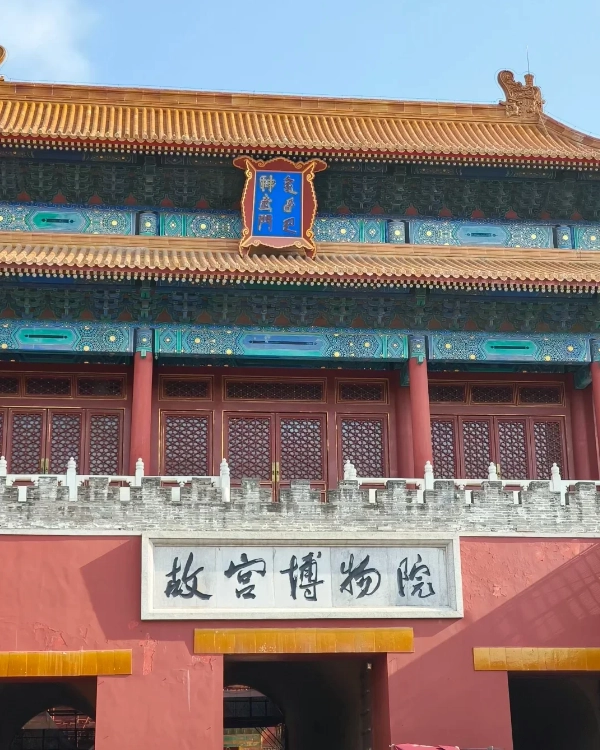
Morning: The Forbidden City
Address: 4 Jingshan Front St, Dongcheng District. Opening Hours: 8:30 AM - 5:00 PM (Apr-Oct), 8:30 AM - 4:30 PM (Nov-Mar). Tickets stop selling an hour before closing. Closed on Mondays.
Get there for 8:15 AM. I can't stress this enough. The crowds build exponentially by 10 AM. Book your ticket online in advance through the official Palace Museum website. You'll need your passport number. The basic ticket is about 60 RMB.
Enter through the Meridian Gate (Wumen), not the Tiananmen Gate. This saves you a security check. Once inside, don't try to see everything. You'll get museum fatigue. Follow the central axis through the major halls—Taihe, Zhonghe, Baohe. Then, peel off to the west or east to explore a couple of the smaller palace complexes. The Clock and Watch Exhibition Hall (extra 10 RMB ticket) is a fascinating hidden gem most people rush past.
Afternoon: Wangfujing & A Peking Duck Feast
From Jingshan, take a taxi or the subway (a short walk to the station) to Wangfujing. This is a major shopping street. It's touristy, but it's efficient for lunch and people-watching. The old snack street is mostly gone, but the main pedestrian area is lively.
For your first night, you need Peking duck. Skip the ultra-famous, impossible-to-book places. Instead, head to Siji Minfu. They have several branches; the one near Wangfujing or the one at Dongsi Shitiao are great. Expect to wait 30-60 minutes during peak dinner times. It's worth it. The duck is excellent, the ambiance is modern yet traditional, and a whole duck with sides will cost around 250-350 RMB for two people. The crispy skin dipped in sugar is a revelation.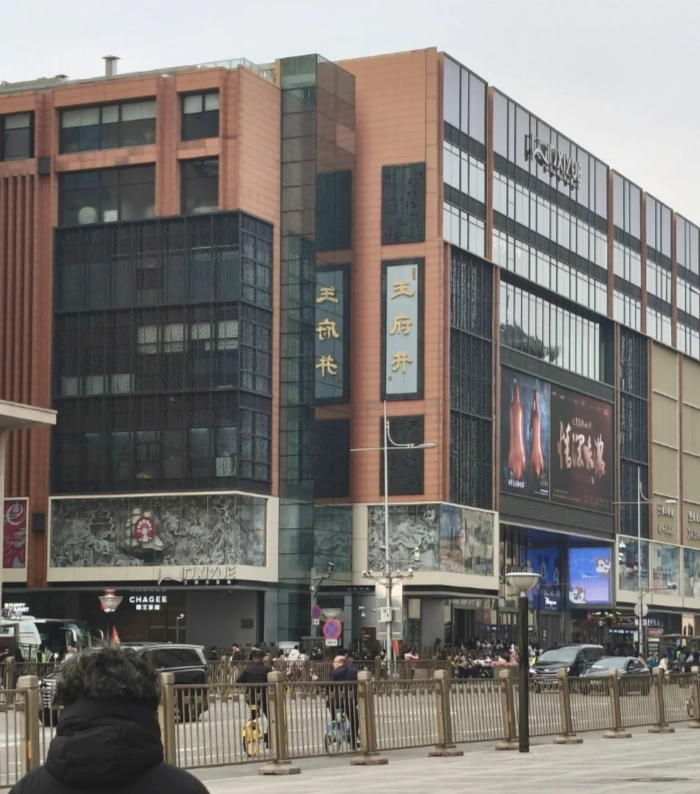
Day 2: The Great Wall and Beyond
This is your big excursion day. You're going to the Wall. The key is choosing the right section.
The Great Wall Section Decision
Most first-timers are told to go to Badaling. It's the closest and most restored. It's also a human traffic jam on any decent day. My strong recommendation for a 3-day itinerary is Mutianyu.
Why Mutianyu? It's still well-restored (you can walk easily), but it's significantly less crowded. It has a fantastic mix of watchtowers and steep sections. Crucially, it has a cable car up and a toboggan ride down. The toboggan is pure, silly fun and saves your knees.
| Section | Travel Time from City | Crowd Level | Key Feature | Best For |
|---|---|---|---|---|
| Badaling | ~1.5 hours | Extremely High | Closest, most famous | Those with very limited mobility |
| Mutianyu | ~1.75 hours | Moderate | Cable car, toboggan, great views | First-timers wanting a balance of experience & scenery |
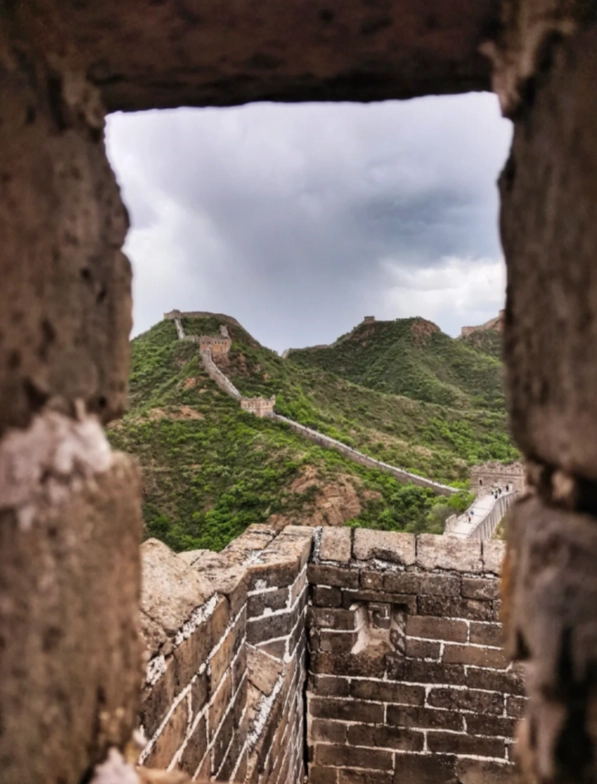
| Jinshanling | ~2.5 hours | Low | Hiking, semi-wild condition | Serious hikers and photographers |
How to Get to Mutianyu
For simplicity on a tight schedule, book a private car or a small group tour. A private car for the day will cost around 600-800 RMB. It gives you flexibility. Tell the driver "Mutianyu". The entrance fee is about 45 RMB, plus 100 RMB for the round-trip cable car/toboggan combo. Leave your hotel by 7:30 AM to beat some of the day-trip buses.
Spend 2-3 hours walking the wall. The stretch between towers 10 and 14 is particularly rewarding. Bring water and snacks, though there are vendors at the base.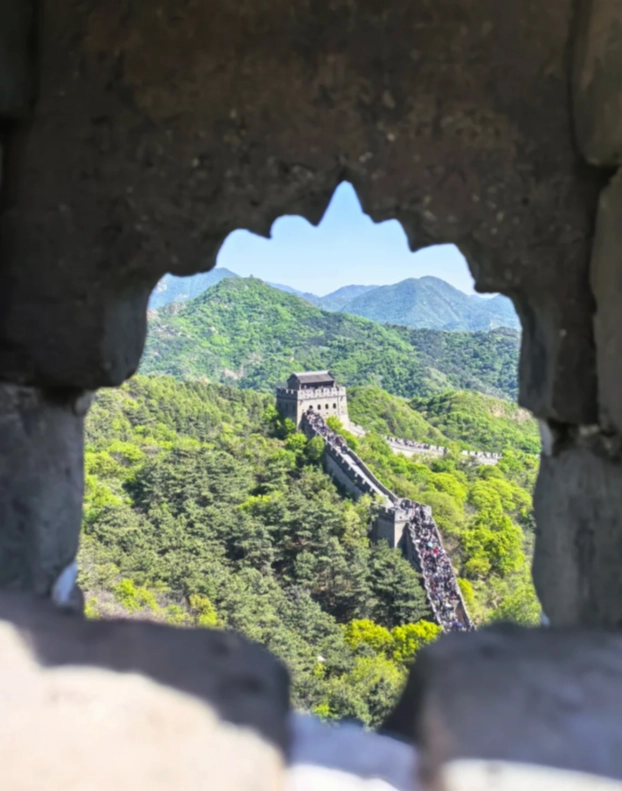
Evening: Sanlitun Unwind
You'll be back in the city by mid-afternoon. Rest. For the evening, head to Sanlitun. This is Beijing's expat-central and trendy dining hub. It's not "authentic" in the traditional sense, but after a day on the Wall, the variety of international cuisine, casual bars, and people-watching is perfect. You can find everything from great burgers and tacos to upscale fusion restaurants. Just wander the Taikoo Li and Sanlitun Soho complexes and pick what looks good.
Day 3: Temple Tranquility and Hutong Charm
Shift gears from imperial might and ancient defense to spirituality and local neighborhoods.
Morning: The Temple of Heaven
Address: 1 Tiantan E Rd, Dongcheng District. Opening Hours: Park 6:00 AM - 10:00 PM; Altar buildings 8:00 AM - 6:00 PM. Ticket: A through ticket for about 35 RMB gets you into all main buildings.
Come here in the morning. The park is huge and filled with locals practicing tai chi, dancing, playing cards, and singing opera. It's a living cultural scene. The main sights are the circular Hall of Prayer for Good Harvests and the Imperial Vault of Heaven with its famous Echo Wall. The architecture is stunning, but the real magic is watching Beijing life unfold in a sacred space. Budget 2 hours.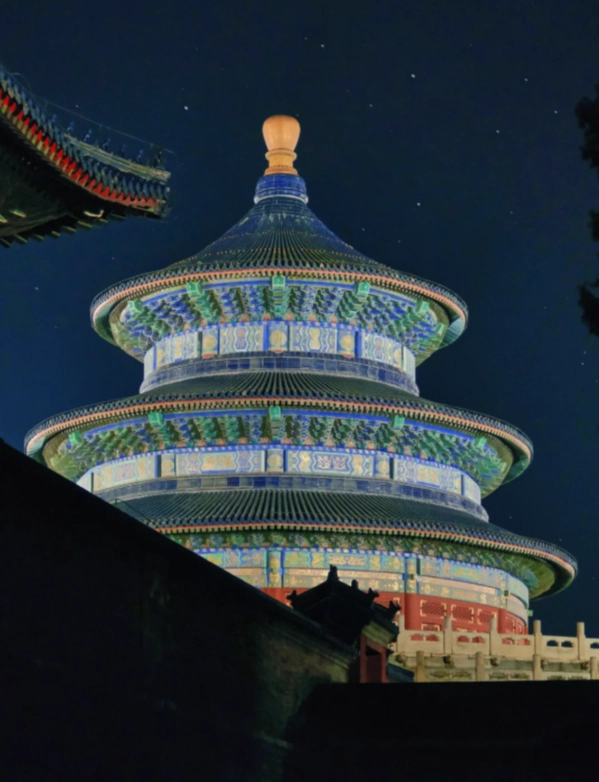
Afternoon: Nanluoguxiang & Houhai Lakes
Take a taxi to the north end of Nanluoguxiang. This is a famous, renovated hutong (alleyway). Yes, it's commercial and crowded. But it's a good, safe introduction to the hutong layout. Walk south down the main alley, sampling street food like jianbing (savory crepes) or candied hawthorn berries.
Here's the trick: Don't just stay on the main street. The moment you turn left or right into the smaller, connecting hutongs, the crowds vanish. You'll see traditional courtyard homes, people cycling, small local shops. Get gently lost for 30 minutes.
At the south end of Nanluoguxiang, you'll spill out near the Houhai and Qianhai lakes. Stroll along the lakeshore. In the evening, the area turns into a bar strip with neon lights reflecting on the water, which can be kitschy but fun. For a quieter dinner, look for a restaurant on Yandai Xiejie (Tobacco Pouch Slant Street), which has a more old-fashioned feel.
Practical Beijing Travel Tips
This itinerary falls apart without a few logistical basics sorted.
Getting Around: Download the Didi app (China's Uber). It's a lifesaver. The subway is also excellent, cheap, and signs are in English. Get a transportation card (Yikatong) at any major station for easier tap-and-go travel on subways and buses.
Money: Mobile payments (WeChat Pay/Alipay) are king. Have some cash as backup, but expect to pay for even street food with your phone. Set this up before you arrive.
Accommodation: Stay within the 2nd Ring Road for convenience. Dongcheng (near the Forbidden City) or Chaoyang (near Sanlitun) are ideal. A well-located 4-star hotel will cost $80-$150 per night. For a more local feel, a boutique hotel in a hutong area can be a memorable experience.
Communication: Have a VPN installed on your devices before you land if you need access to Google, Instagram, etc. Download Pleco for a dictionary and Google Translate (with offline Chinese packs).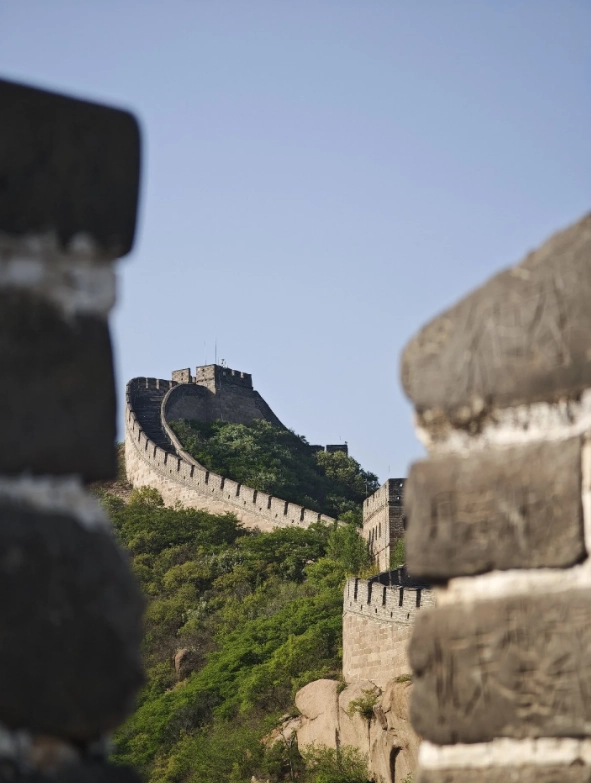
Your Beijing Itinerary Questions Answered
 Is it safe to walk around Beijing's hutongs at night?
This 3-day plan is the condensed version of what I wish I knew on my first trip. It moves at a pace that lets you absorb things, not just tick boxes. You'll see the postcard sights, but you'll also feel the city's rhythm—the morning calm of the Temple of Heaven, the evening buzz of a hutong lane. Trust the timing, book those key tickets early, and wear comfortable shoes. Beijing is waiting.
This article is based on personal, repeated visits and cross-checked with current official information from sites like the Palace Museum and China's cultural administration.





No comments yet.