 Chen Liu
What’s inside — quick links
I remember dragging my tripod up the stone steps for the first time — sweat dripping, lens fogging up from the humidity. “Is this really worth it?” I asked myself. Two hours later, I had the shot I still use in my portfolio. That’s the Haikou Volcanic Cluster Global Geopark experience in a nutshell: it demands a little effort, but rewards you with landscapes you cannot find anywhere else in Hainan.
Here’s the catch: most travel blogs tell you to go at noon. Don’t. The light is harsh, shadows disappear, and the volcanic rock turns into a flat gray blob. I’ve been guiding photographers here for six years, and I can tell you the magic happens either within the first hour after sunrise or from 4pm until sunset. That’s your window.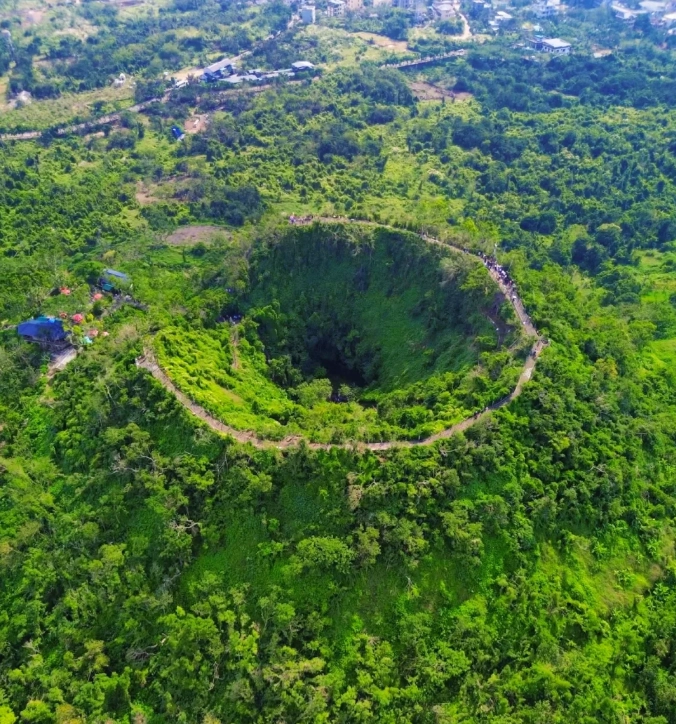
Now, let me save you the legwork. Below you’ll find the exact spots, timing, and gear I use every time. No fluff — just what works.
Top Photography Spots Within the Geopark
1. The Main Crater – Feng Dou Ling (风斗岭)
This is the postcard view. The crater is about 70 meters deep, and the rim gives you a sweeping panorama. But here’s the thing: the best angle is from the northeastern section of the rim, where you can frame the crater with a piece of the distant sea. To get there, walk past the main observation deck about 100 meters — most tourists stop at the deck, so you’ll get a cleaner shot. Tripod is mandatory if you want to stitch a panorama.
2. The Lava Tunnel at Rongtang Village (荣堂村)
About a 15-minute walk from the main ticket gate (follow the signs for “lava tube”), this tunnel is around 2,000 years old. The trick: bring a wide-angle lens (16-24mm) and a small LED light or torch. I place the light on the ground inside the tunnel to create a warm glow against the dark basalt. Shooting from the entrance looking in gives you a natural leading line. The tunnel is cool and damp — watch your lens fog when you step inside from the heat.
3. The Stone Village (火山石古村落)
Right next to the geopark entrance (no extra ticket — it’s included), this village built entirely with volcanic stones is a dream for architecture lovers. The best time is late afternoon when the low sun warms the gray stones to a golden brown. I always tell my guests to look for the old banyan tree roots creeping over the walls — that contrast between green leaves and dark rock makes a strong composition.
Best Time to Shoot: Golden Hours & Seasons
| Time of Day | Pros | Cons |
|---|---|---|
| 7:00 – 8:30 AM (summer) | Soft golden light, few people, cooler temperatures. Mist sometimes rises from the crater — magical. | Park opens at 7:30; you need to buy tickets online a day ahead. Security might rush you if close to closing. |
| 4:00 PM – 6:30 PM (summer) | Warm side lighting, dramatic shadows on the crater rim. Best for the stone village. | Still crowded until 5pm; sunset crowds at the main crater. Some areas fall into shadow early. |
| 12:00 – 3:00 PM | None for serious photography. | Harsh overhead light, flat colors, crowds peak. Save this time for indoor exhibits. |
Seasonal tip: November to February — the sky is often clearer with lower humidity. But it’s also the “cold” season (15-20°C). Pack a light jacket. June to September brings sudden tropical showers; I’ve had to pack my gear in a hurry more than once. Bring a rain cover for your camera bag.
Insider Tips for Better Photos
#2 Don’t forget to shoot behind you. The view toward the Haikou skyline from the crater rim is surprisingly photogenic — especially at sunset when city lights start to twinkle.
#3 The trail from the parking lot to the crater has a small bamboo grove about 50 meters before the entrance. It’s easy to miss. Walk slowly and look for a tiny side path on your left. The light through the bamboo in early morning is pure magic.
#4 Yes, you can fly a drone here — but only if you register with the park office first (they’ll ask for your passport and a 100 RMB fee). I did it once; the aerial view of the crater is incredible. But many days the wind is strong, so keep your drone close.
#5 Carry a small mist spray bottle. Sounds silly, but spraying a little water on a piece of volcanic rock makes the texture pop — especially for macro shots. I learned this from a Chinese landscape photographer who was shooting moss on the stones.
How to Avoid the Crowds
The Geopark gets around 3,000 visitors on a typical weekend. The worst bottleneck is the main crater path between 10am and 2pm. My strategy: arrive by 7:30 AM (right when gates open), head straight to the crater, shoot for an hour, then move to the lava tunnel before the groups arrive. By 10am, I’m already at the stone village — which has fewer people because most tourists spend too long at the crater. Alternatively, come on a weekday. I’ve had entire sections to myself on a Tuesday morning.
Pro tip: Most Chinese tour groups stop for lunch at the on-site restaurant around 11:30-1pm. That’s a 90-minute window where the main spots are quieter. Use that time to revisit the crater for a second session.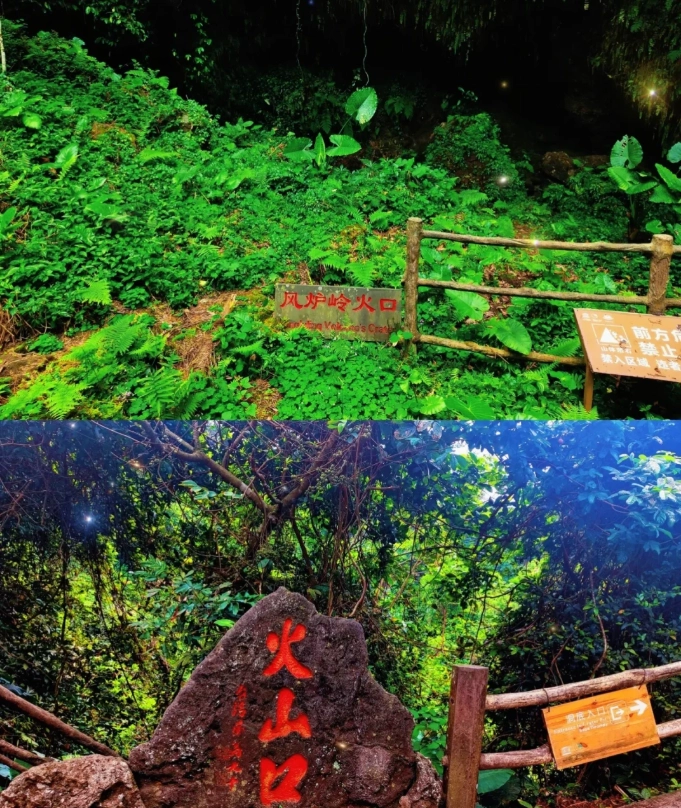
Gear & Settings Recommendations
| Gear | Why I bring it |
|---|---|
| Wide-angle zoom (16-35mm) | Essential for crater panoramas and lava tunnel interior. |
| Telephoto (70-200mm) | Compresses layers — great for shooting the crater rim with the sea in background. |
| Sturdy tripod | Wind on the rim can be strong; carbon fiber is okay, but a heavy one is safer. |
| Polarizer + ND filter | ND for long exposures of moving clouds over the crater (stop down to f/16, 30 sec). |
| Lens cloths + blower | Humidity and dust from volcanic ash are relentless. Clean your lens every hour. |
Camera settings I typically use: Aperture priority at f/8 to f/11 for maximum sharpness. ISO 100-200. Exposure compensation: -0.7 to darken the sky and emphasize the rock texture. Shoot RAW — always. The basalt shadows can be very dark; you’ll need to lift them in post.
Practical Info for Foreign Visitors
Getting there
The geopark is about 15 km southwest of Haikou city center. Address: 海口火山群世界地质公园 (Haikou Huoshan Qun Shijie Dizhi Gongyuan). English works only at the ticket office. I recommend taking a Didi (China’s Uber) — it costs around 40 RMB from the city center (20-25 minutes). Show this to your driver: “请带我去海口火山群世界地质公园”. Google Maps doesn’t work well in China; use Apple Maps or the Didi app itself. The Didi app is English-friendly.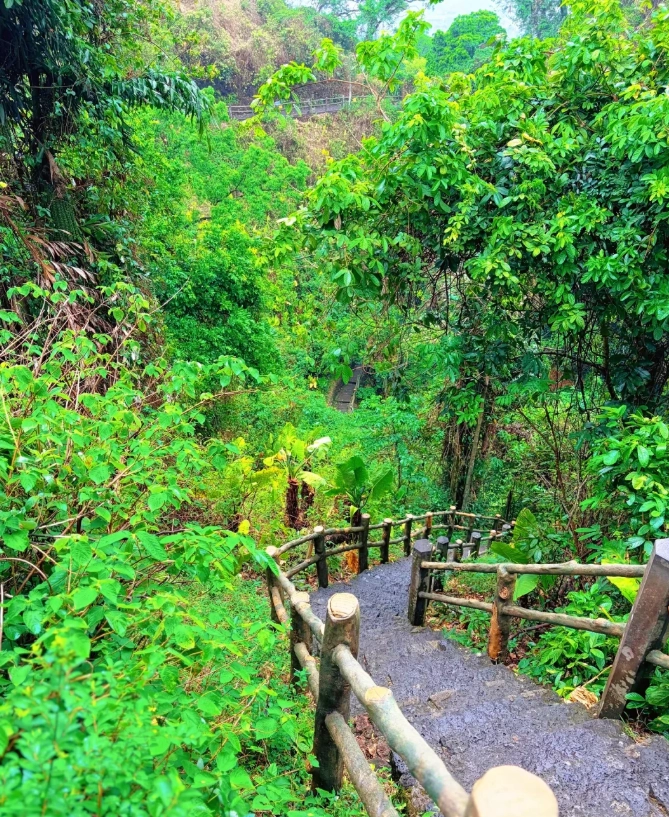
Tickets & reservation
You must book tickets in advance — at least one day ahead. The official way: use the WeChat mini-program (all in Chinese). For foreigners, I strongly advise using Trip.com or ask your hotel concierge to book for you. You’ll need your passport number. Price: 60 RMB per adult (as of last update). No cash accepted inside — only Alipay/WeChat Pay or Chinese bank cards. If you only have international credit cards, you’re out of luck. Pre-load money into Alipay before you go.
| Detail | Info |
|---|---|
| Opening hours | 7:30 AM – 6:00 PM (last entry 5:00 PM). Summer may close later (7:00 PM). |
| Ticket price | 60 RMB adults, 30 RMB students/children (passport required for discount). |
| Payment accepted | Alipay, WeChat Pay, Chinese bank cards. No international credit cards. Bring some cash as backup (though officially they prefer mobile). |
| Best day to visit | Tuesday-Thursday (weekdays) to avoid Chinese tourist groups. |
Navigating and language
The park has English signage at major points, but not all. Download an offline translation app (Baidu Translate or Apple Translate). I always carry a small card with key phrases like “Where is the lava tunnel?” and “Can you take a photo of me?” in Chinese. You’ll also need a VPN to access Google or Instagram on your phone — it’s blocked in China. Set up your VPN before you land.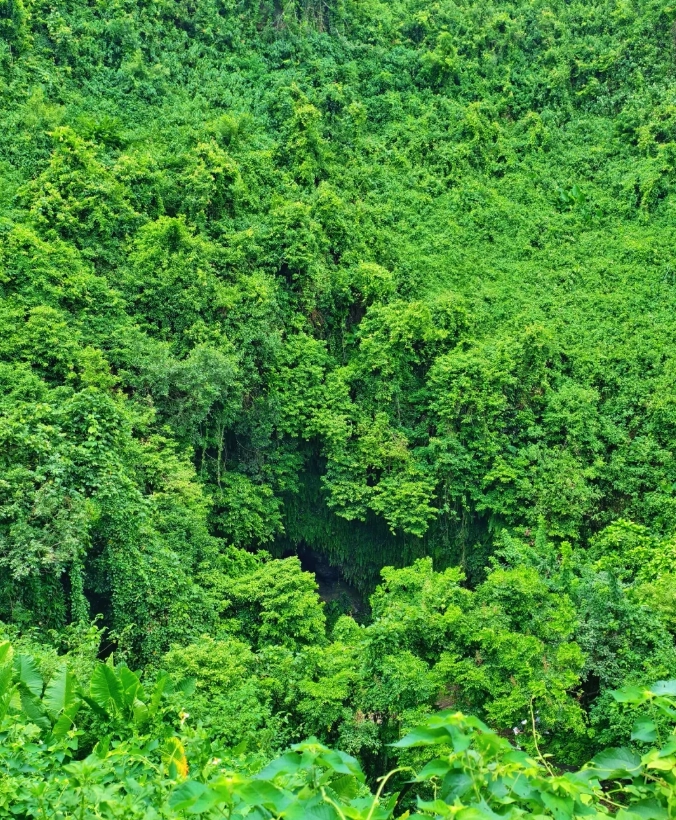





No comments yet.