 Ling Wu
Quick Navigation
I've lost count of how many times I've stood at Yalong Bay with a sunburned tourist who arrived in August, wondering why it's so humid and crowded. So let's cut through the noise: if you want the sweet spot of perfect swimming weather, thin crowds, and reasonable hotel rates, aim for late March to early May or October to November. But there's more to it — here's the full picture.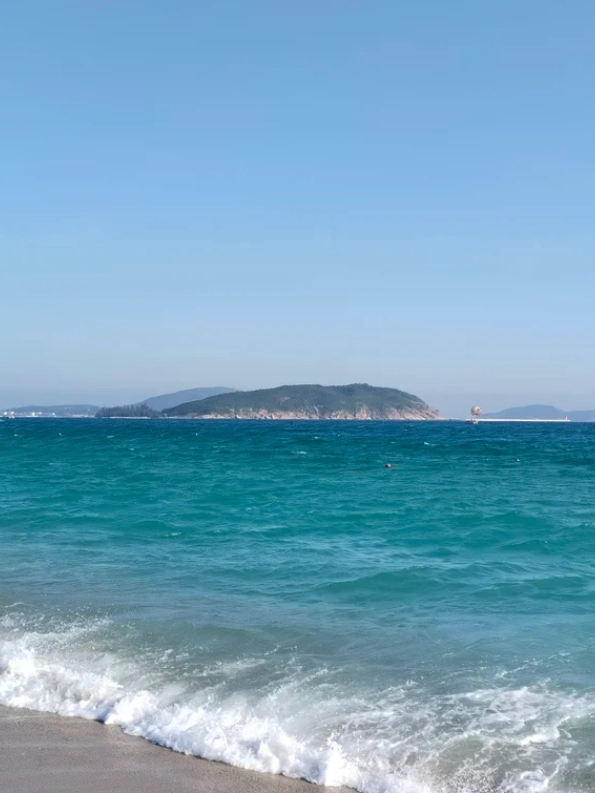
Weather & Seasons Overview
Yalong Bay sits on the southern coast of Hainan Island, giving it a tropical monsoon climate. No real winter, but three distinct periods that affect your trip.
| Season | Months | Temperature °C | Rainfall | Water Activities |
|---|---|---|---|---|
| High/Dry | Nov – Mar | 20–28 | Low | Excellent |
| Shoulder | Apr – Jun | 25–34 | Moderate | Good (hot) |
| Monsoon/Wet | Jul – Oct | 24–32 | High (typhoon risk) | Often restricted |
Here's the thing: the "best" time depends on what you value most — perfect beach lounging, budget savings, or avoiding selfie sticks.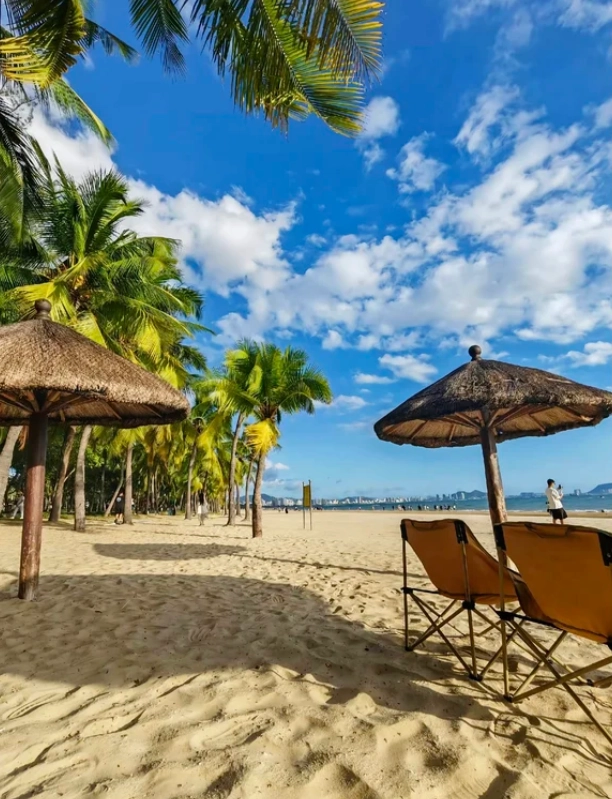
Month-by-Month Breakdown
November to March — Peak Season (Dry & Sunny)
This is when northern China and Europe freeze, and everyone flocks to Sanya. December and January are the busiest. Hotels can double in price, and the beach feels like a busy boardwalk. But the weather is genuinely perfect: blue skies, gentle breeze, water around 24°C. I suggest booking everything at least 2 months ahead. Pro tip: Avoid Chinese New Year (dates shift, usually Jan/Feb) — prices triple and attractions are packed beyond comfort.
April to June — Shoulder Season (Hot but Empty)
April gets warm, May gets hot, June gets scorching. But the crowds? Thin. Hotel rates drop 30–50% compared to peak. If you can handle 33°C with high humidity, this is your budget window. Mornings and late afternoons are still great for swimming. Personal experience: I took a group in mid-May — we had the beach almost to ourselves until 10 AM. Just bring a UV umbrella and tons of sunscreen.
July to October — Wet Season (Typhoon Risk)
July through early October is the rainiest. Typhoons can shut down water sports and even close the beach for a day or two. But here's a lesser-known secret: between typhoon spells, the weather can be stunning — calm, clear, and less humid. If you're flexible and check forecasts (Hong Kong Observatory is reliable), you can snag amazing last-minute deals. September is especially cheap. Downside: many beach umbrella rentals and small stalls close during rainy weeks.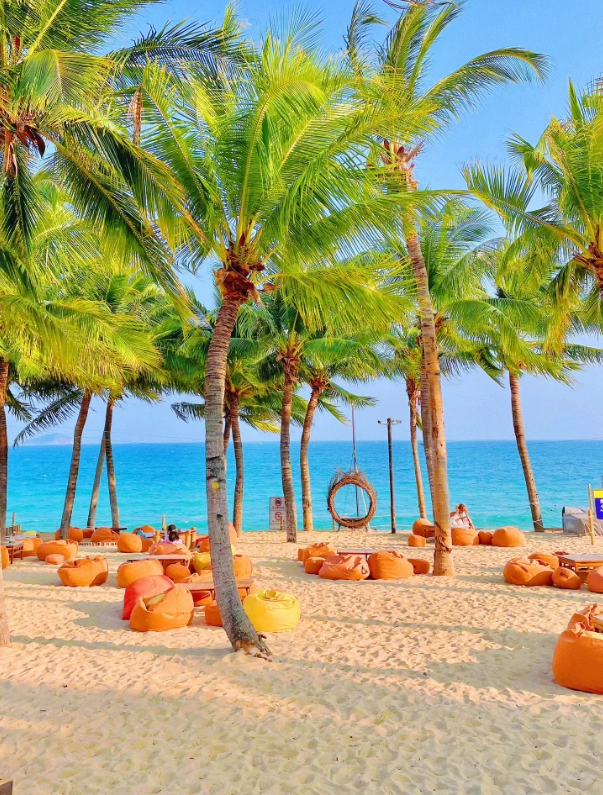
Crowds & Budget Considerations
Let's talk numbers — not exact, but relative. In peak season (Dec–Feb), a standard room at a 4-star resort can cost ¥800–1500 per night. In shoulder season (Apr–May), the same room drops to ¥400–700. In wet season (Jul–Sep), you might find it for ¥250–500. But low price comes with risk. My rule of thumb: never book a non-refundable deal during typhoon months unless you have travel insurance.
Also, note that Chinese public holidays (Labor Day early May, National Day first week of October) cause sudden price spikes and jampacked beaches. Avoid those windows if possible.
Local Guide Tips & Hacks
I've been guiding at Yalong Bay for years, and here are the things most online guides miss:
- Payment: Hotels and big restaurants accept international credit cards (Visa/Mastercard), but most beachside snack stalls and small shops only take WeChat Pay or Alipay. Link your foreign card to Alipay before you come. Cash is tricky — some places refuse large bills.
- Navigation: Google Maps is a mess in China. Use Apple Maps (it works decently here) or the Chinese app Gaode (Amap). Always have the Chinese name and address of your hotel saved: 亚龙湾, 三亚市. Show it to taxi drivers.
- Bookings: For popular activities like parasailing or jet skiing, Trip.com is foreigner-friendly. Avoid WeChat mini-programs if you don't read Chinese — they often require Chinese ID verification.
- When to hit the beach: Most tourists arrive at 10 AM. I tell my clients to go at 7:30 AM — the water is glassy, the sand is clean, and you'll have the prime spots. By noon, it's a zoo.
- Hidden gem: Instead of the main public beach, walk to the western end near the Pullman Resort. There's a small, free access area with fewer people and better snorkeling just offshore.

Frequently Asked Questions
Verified and fact-checked by the editorial team. This content has been fact-checked to ensure informational precision.







No comments yet.