 Qiang Huang
You hear the sizzle before you see it. The sound pulls you down a side street, past modern boutiques, towards a humble storefront with a line snaking out the door. Inside, a team works with practiced chaos, rolling dough, stuffing pork, and arranging pleated parcels onto giant black iron pans. This is the theater of Shanghai shengjian mantou. Forget the delicate steamed dumplings. This is street food with attitude—a thick, crispy-bottomed bun that cradles a dangerously hot, savory soup and a juicy pork filling. It's a culinary tightrope walk that defines Shanghai's food culture. After years of hunting down the best versions, from legendary institutions to neighborhood secrets, I've learned that not all shengjian are created equal. The difference between a good one and a transcendent one lies in details most guides miss.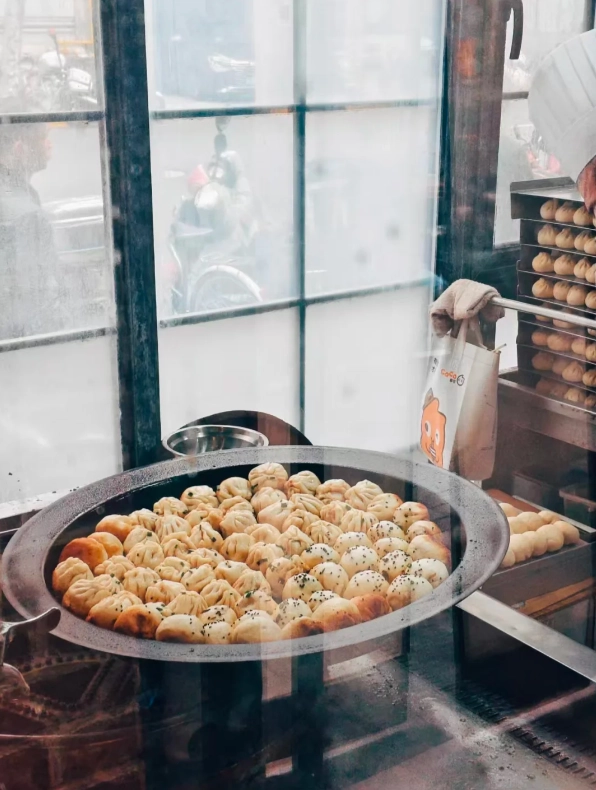
What’s Inside This Guide
What Exactly Is Shengjian Mantou?
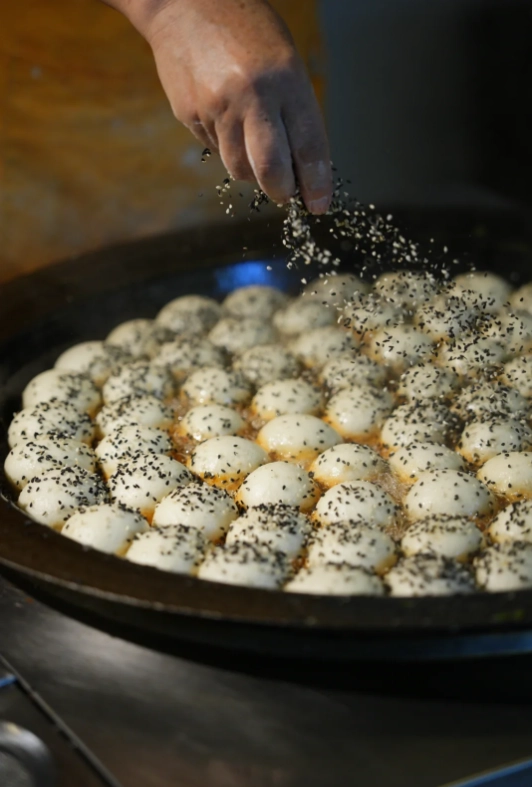
Let's clear something up first. Outside of Shanghai, you might hear "shengjian bao." In Shanghai, it's almost always "shengjian mantou." The word "mantou" here is a relic of local dialect, referring to a filled, bun-like pastry. It's not the steamed bread you might be thinking of. The core components are non-negotiable: a leavened, semi-thick dough, a filling of seasoned minced pork (often with gelatin or pork skin aspic mixed in), and that signature cooking method—fried in a shallow oil bath and then steamed under a lid until the top is soft and the bottom achieves a deep, crunchy, lace-like crust. The aspic melts during cooking, creating the famous "soup" inside. A great shengjian mantou is a study in contrasts: crisp against soft, rich soup against mild dough, scalding heat against immediate satisfaction.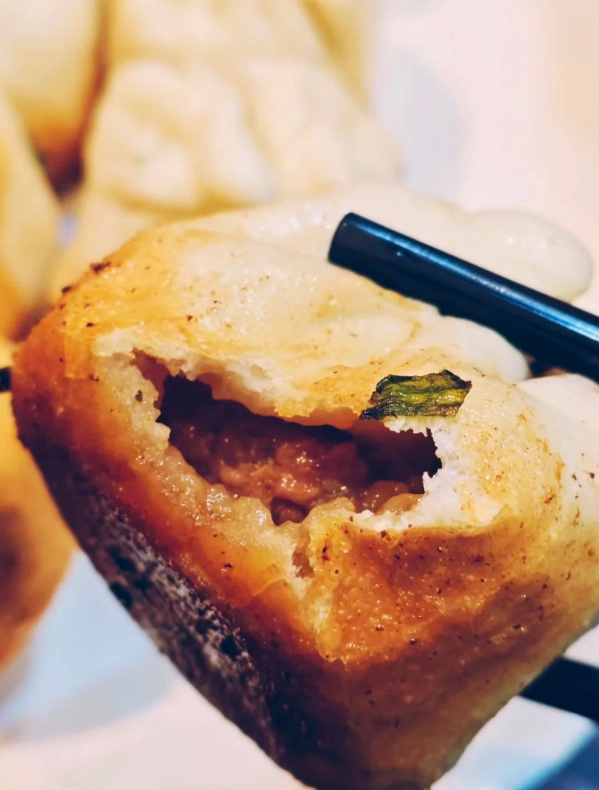
The Top Shanghai Shengjian Spots You Need to Try
Navigating Shanghai's shengjian scene can be overwhelming. Every neighborhood has its champion. Based on countless tastings, here are the places that consistently deliver, each with a distinct personality. A common mistake tourists make is going to the most famous chain's flagship location during peak hours. Sometimes, a less crowded branch a few blocks away serves an identical, fresher batch.
| Name & Key Feature | Address & Nearest Metro | Price (per 4 pieces) | What Makes It Special & My Note |
|---|---|---|---|
| Yang's Fry-Dumpling The Modern Giant |
Multiple branches. Flagship: 97 Huanghe Rd. Metro: People's Square (Exit 19) |
RMB 15-20 | Thin, crispy bottom, generous soup. Their crab roe variant in autumn is a must. It's ubiquitous for a reason—consistent and satisfying. The Huanghe Road branch is always packed; I prefer the one in Jing'an Kerry Centre for shorter lines. |
| Da Hu Chun The Traditionalist |
Multiple branches. Flagship: 136 Yunnan Rd. Metro: Dashijie (Exit 2) |
RMB 16-22 | No soup. Heard that right. Their signature is a thicker, fluffier dough with a juicy but non-brothy filling. The crust is deep golden and perfectly crisp. It's a textural revelation and the style old-school Shanghainese swear by. Go for the "crispy pork" version. |
| Dong Tai Xiang The All-Rounder |
Main: 188 Chongqing Rd. Metro: Dashijie (Exit 1) |
RMB 18-24 | Strikes a perfect balance between dough and soup. Uses a natural yeast fermentation for a more complex, slightly tangy dough. Their chili oil and vinegar blend on the tables is exceptional—it has a subtle star anise note. Open 24 hours on Chongqing Road, making it the ultimate post-midnight crave fix. |
| Xiaolong Mantou The Hidden Gem |
11 Wujiang Rd. (near Nanjing West Rd.) Metro: Nanjing West Road (Exit 2) |
RMB 12-15 | No fancy sign, just a tiny takeaway window. The dough is thinner than Da Hu Chun but sturdier than Yang's. The soup is intensely porky and seasoned just right. This is where nearby office workers and residents queue. Cash only. Get there before 1 PM or they sell out. |
Visiting Da Hu Chun on Yunnan Road is an experience. The ground floor is pure, noisy efficiency. Upstairs, you find families and older locals enjoying a slower meal. I once saw an elderly gentleman meticulously dip each bite into both vinegar and a touch of Worcestershire sauce—a pro move I've adopted.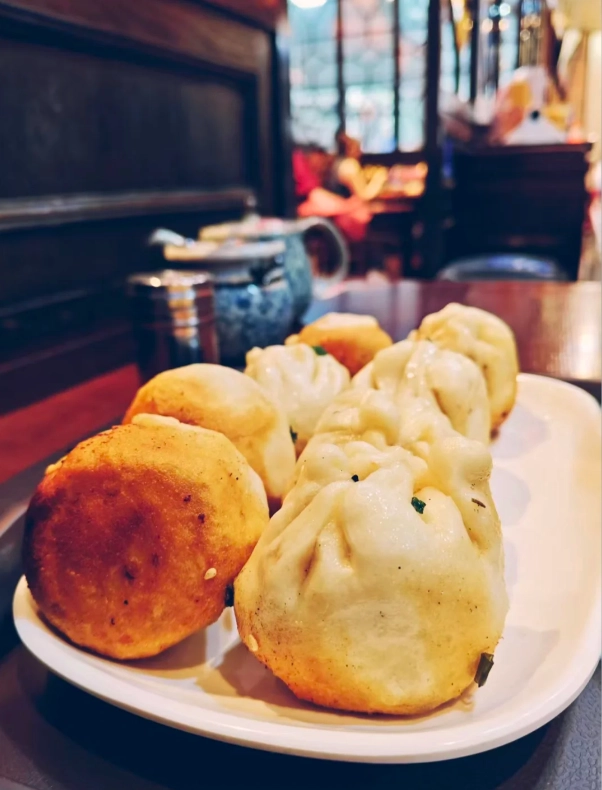
How to Eat Shengjian Without a Disaster
This is where first-timers fail. That soup is treacherously hot. I've seen more than one shirt ruined.
The ritual is simple but critical.
The Safe-Eating Protocol
Step 1: The Lift. Use chopsticks to gently lift the dumpling from its crispy bottom. Place it in your soup spoon. Never bite directly from the plate.
Step 2: The Vent. Nibble a tiny hole in the top skin. Some people suck the soup out first. I prefer to let the steam escape for 15 seconds.
Step 3: The Season. Drizzle a few drops of the provided Zhenjiang vinegar into the hole. The acidity cuts the richness beautifully. A tiny dab of chili oil if you like heat.
Step 4: The Consumption. Eat the entire dumpling in one or two bites from the spoon. This ensures you get the crispy base, soft top, soup, and filling in perfect harmony.
Skip the soy sauce. It overpowers the delicate pork flavor. And never, ever use a knife and fork. You'll destroy the structure and lose the soup.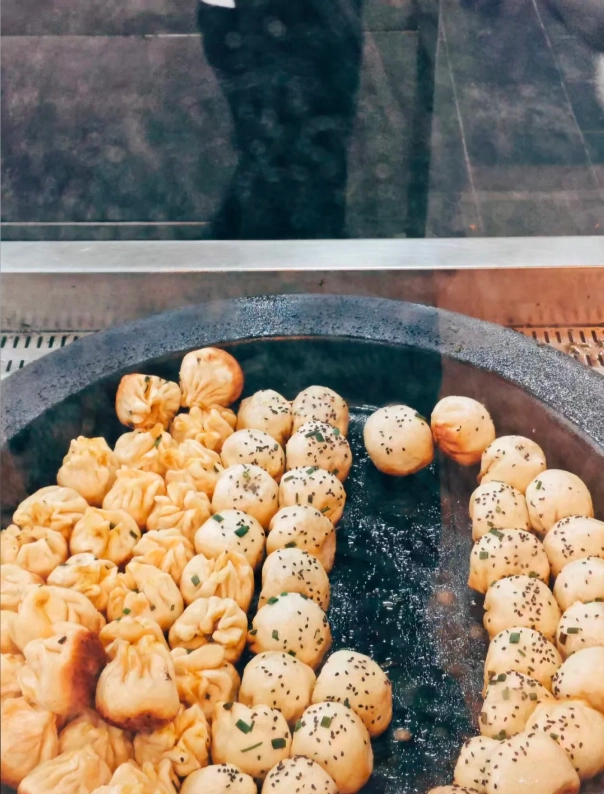
Beyond the Basics: Regional Styles and Variations
Within Shanghai, you'll find subtle schools of thought. The "Huangpu style," exemplified by spots near the Old City, often has a slightly sweeter filling. Places in Jing'an might use a touch more ginger. Then there are the creative spins. Beyond the classic pork, look for:
Shrimp & Pork: The most common and excellent variation. Adds sweetness and texture.
Crab Roe (Xie Fen): A seasonal luxury in autumn. The orange roe is mixed into the pork, adding a briny, umami depth. Yang's does a famous version.
Vegetarian: Rare, but some modern shops offer fillings with mushroom, cabbage, and vermicelli. They lack the soup, but the crispy-soft contrast remains.
A word on frozen shengjian. Supermarkets are full of them. They're a pale imitation. The dough never re-crisps right, and the soup turns gummy. It's worth the trip to a proper shop.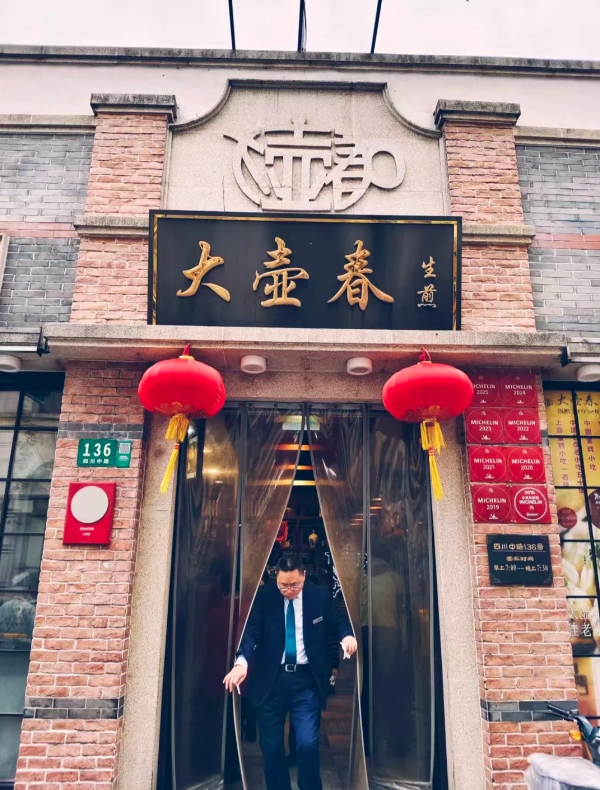
Your Shengjian Questions, Answered
 Finding your perfect shengjian is a personal journey. It might be the robust, soupy punch of Yang's or the hearty, bready satisfaction of Da Hu Chun. The search itself—wandering side streets, following the scent of toasted wheat and pork—is a big part of understanding Shanghai. Start with the spots listed, pay attention to the textures, and don't rush. That first, perfectly executed bite, when the crunch gives way to a flood of savory warmth, is worth every bit of the hunt.
This guide is based on personal, repeated visits and observations. Details like pricing and hours are subject to change, but the core character of these institutions remains.





No comments yet.