 Ling Wu
Quick Navigation
- How to Book Haikou High Speed Train Tickets (For Foreigners)
- Which Station? Haikou East vs. Haikou Station
- Step-by-Step: Boarding with a Passport
- What to Expect Onboard: WiFi, Food & Comfort
- 24-Hour Haikou Itinerary Using the High Speed Train
- Common Mistakes Tourists Make with the Train
- Frequently Asked Questions
“Why is my credit card not working?” — that was the first thing a German tourist asked me when we tried to buy Haikou high speed train tickets online. I’ve been guiding groups on Hainan for years, and that scene still plays out almost every week. The system is digital, fast — but built for locals, not foreigners. Here’s the catch: you absolutely can ride the Haikou high speed train without losing your mind. You just need to know the workarounds. Let me save you the frustration.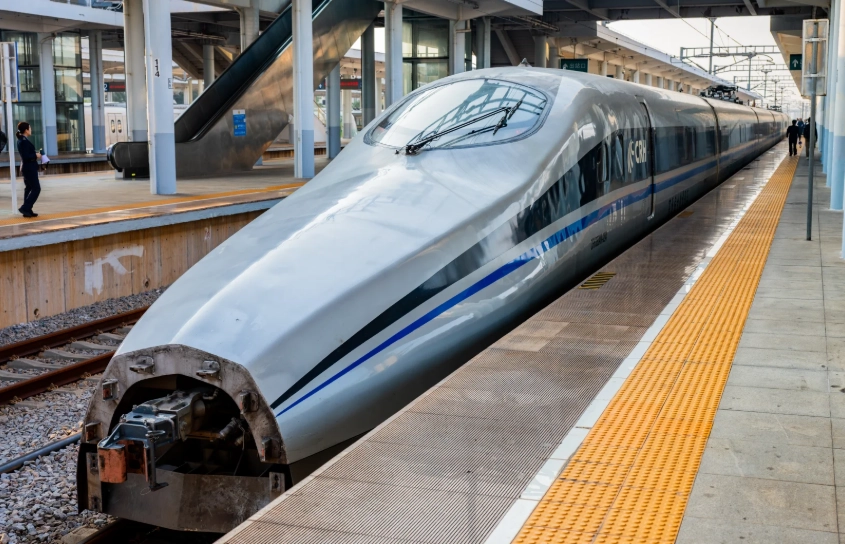
How to Book Haikou High Speed Train Tickets (For Foreigners)
Forget about walking into the station and buying a ticket from a counter — you can, but it’s a gamble. Most counters accept only Chinese ID for direct purchase. If you’re a foreigner with a passport, here’s what actually works:
Backup: Ask your hotel concierge to book via WeChat mini-program. They’ll need your passport photo. Takes 10 minutes.
Cash option: Some ticket counters at Haikou East station (window 15–18) accept cash and passports. But be prepared for a 15–20 minute queue and possible language barrier.
Which Station? Haikou East vs. Haikou Station
Haikou has two main high-speed rail stations, and mixing them up can cost you an hour or more. Here’s the lowdown:
| Station | Location | Primary Routes | Best For |
|---|---|---|---|
| Haikou East (海口东站) | City center, near Qilou Old Street (7 km from downtown) | East line to Sanya, Boao, Wenchang | Most tourists. Frequent trains (every 20–30 min). |
| Haikou Station (海口站) | Western suburb, near Xiuying (20 km from downtown) | West line to Sanya, Danzhou, Dongfang | If you want a scenic coastal ride (west line). Also stops for some east-line trains. |
My advice: 9 out of 10 trips should use Haikou East. It’s closer to the old town, has better English signs, and the self-service ticket machines rarely break. Haikou Station is huge and newer, but taxis from the city center cost around ¥50–60 (vs. ¥25 to East).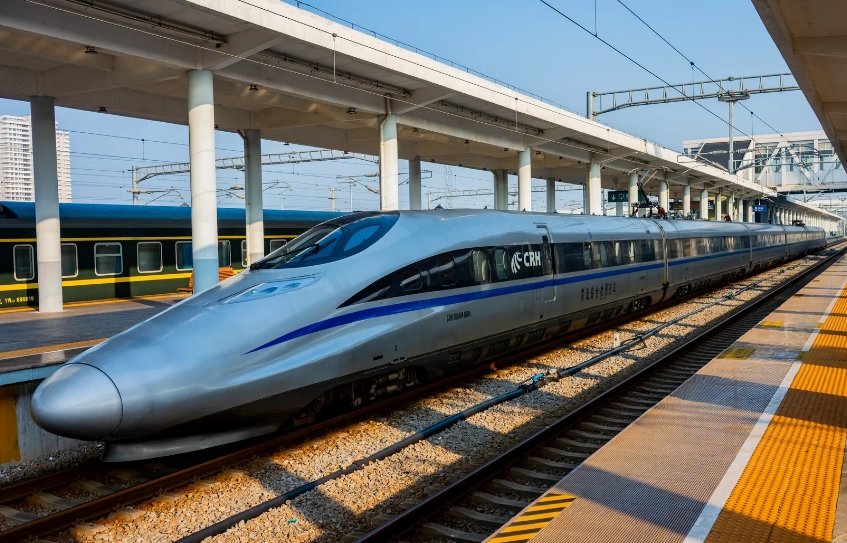
Step-by-Step: Boarding with a Passport
Here’s the exact flow I walk my groups through:
- Collect paper tickets: At the station, locate the self-service machines with a passport icon (usually far left or right of the main bank). Scan passport photo page, enter booking number (from Trip.com), and the machine prints your tickets. If it fails, go to counter 1–3 marked “Passport Service”.
- Security check: Put bags on the belt. Laptops must come out of bags. Water bottles? They’ll ask you to drink or discard. Annoying but enforced.
- Gate waiting: Check the big board for your train number. Gates open 15 minutes before departure and close 3 minutes before. I’ve seen people sprinting — don’t be that person.
- Ticket check: Insert your paper ticket (barcode up) into the slot, then take it back. For passport holders, use the manual gate where a staff member checks your passport vs. ticket. Smile and be patient — it’s fast once they see you’re a tourist.
Also: toilets near gate 5A are way less crowded than the ones near the main entrance.
What to Expect Onboard: WiFi, Food & Comfort
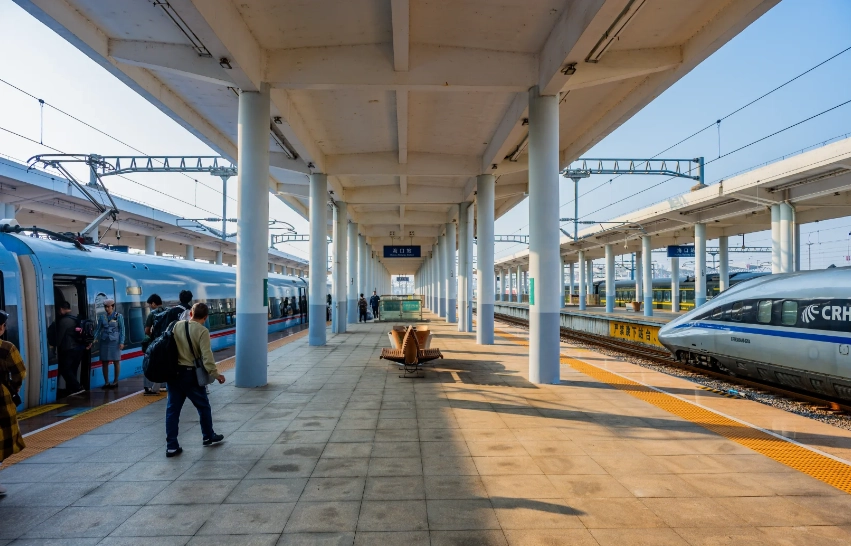
Most Haikou high speed trains (CRH models) are modern and clean. Here’s what’s real vs. what they advertise:
- WiFi: Free but unreliable. “China Railway WiFi” requires a Chinese phone number to log in. My advice: download offline maps and entertainment before boarding. VPN? It works on mobile data but may be spotty on the train’s network.
- Seats: Second class (二等座) is perfectly fine — 2+3 configuration, ample legroom for Asian standards. I’m 180 cm and my knees don’t touch the seat ahead. First class (一等座) adds extra legroom and a wider seat, worth it if the ride is over 2 hours.
- Food cart: They come around with snacks (chips, nuts, dried fruit) and hot drinks. Instant noodles? Yes, ¥8, but you have to go to the hot water dispenser at the end of the carriage. The boxed meals (¥40–60) are mediocre — I’d rather grab a rice roll from the station KFC before boarding.
- Power outlets: Under the seat in front of you — Type A & C sockets. Bring your own cable.
24-Hour Haikou Itinerary Using the High Speed Train
Landing at Haikou Meilan Airport? Here’s a tight but doable one-day plan that uses the train as a backbone — no rental car needed.
08:00 – 09:00: Take the airport shuttle (free) or taxi (¥15) to Haikou East station. Store your luggage at the left-luggage counter (¥30 per bag).
09:00 – 11:00: Hop on a high-speed train to Wenchang (20 min, ¥25). Visit the Wenchang Confucian Temple or just try Hainanese chicken rice at a local spot. I personally skip the temple and go straight to “Ji Ji Chicken Rice” near the station — it’s where locals eat.
11:30 – 14:00: Take the next train back to Haikou East. Then grab a taxi to Qilou Old Street (¥20, 15 min). Explore the arcade buildings, grab a coconut, and have lunch at “Papa’s Pizza” (yes, pizza, but the Hainan coffee there is legit).
14:00 – 17:00: Hit Hainan Museum (free, but need passport to enter). It’s a 10-min walk from the station — or take bus 64. The Li & Miao ethnic exhibits are the highlight.
17:30 – 19:00: Catch the 17:45 train to Sanya from Haikou East (1h30min, ¥110 second class). If you miss it, the next one is at 18:20. Arrive in Sanya, check into your hotel near Dadonghai.
Plan B (Rainy Day): Skip Wenchang and spend the morning at Riyue Plaza Mall (connected to Haikou East via subway line 1). It has a huge indoor food court and a cinema — perfect when the tropical rain hits.
Common Mistakes Tourists Make with the Haikou High Speed Train
I’ve seen these errors over and over:
- Booking the wrong station: “Haikou” vs “Haikou East” — they’re 13 km apart. Double-check your ticket.
- Relying on Google Maps for train times: Google Maps shows outdated schedules. Use the app “China Train” or Trip.com for real-time departure info.
- Forgetting to collect paper tickets: E-tickets are not enough for foreign passports. You must get the physical ticket before boarding — the gates won’t scan your passport directly.
- Arriving at the last minute: The security queue at peak hours (Friday afternoon, Monday morning) can be 25 minutes. Always arrive 45 minutes early.







No comments yet.