 Bo Wu
Bo Wu
At a Glance
I've lost count of how many first-timers I've watched freeze up at the Great Wall because they thought 'a light jacket' would cut it in April. Or the couple who couldn't buy water because their Visa cards got rejected everywhere. China's travel infrastructure runs on a completely different set of rules. Overpacking is a mistake—but so is assuming your Western travel habits will work here. This packing list is based on actual screw-ups I've witnessed or experienced while guiding groups through Beijing, Shanghai, and beyond.
Here is the bottom line: Forget half the stuff you think you need. Focus on these three things—a phone loaded with Alipay/WeChat Pay (linked to your international card), a physical passport, and a VPN that works. Everything else is negotiable.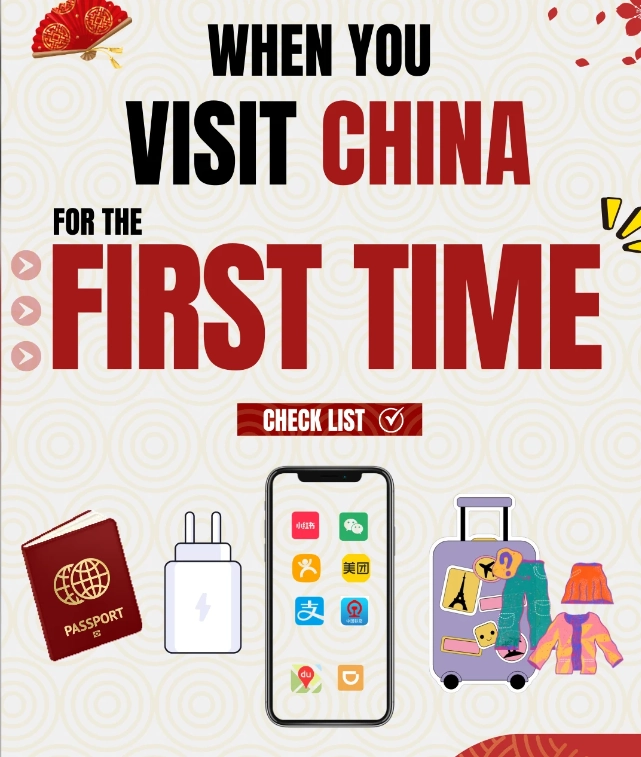
Documents & Copies
Passport and Visa
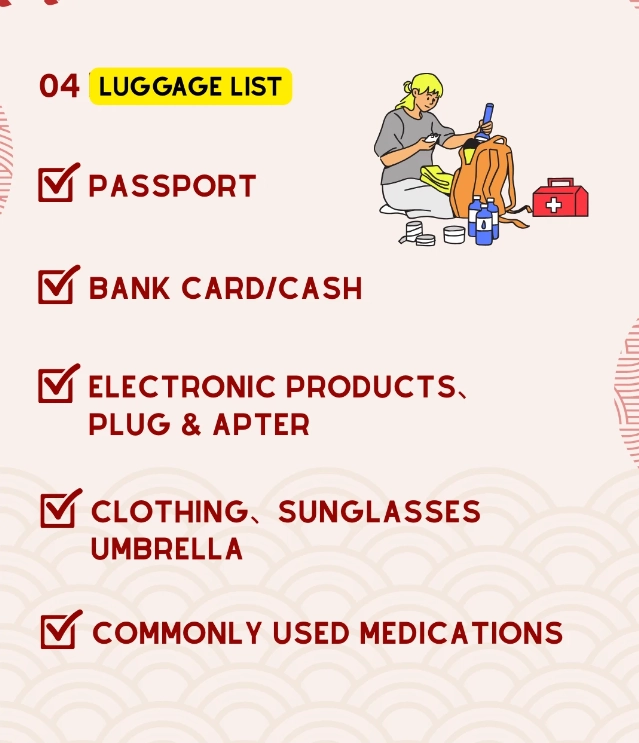
Your passport must have at least 6 months validity and a Chinese visa (unless you're from a visa-waiver country, but double-check the latest policy). I always tell clients to keep a color photocopy of the visa page and the info page separate from the original. If you lose the passport, that copy saves hours at the embassy.
Printed Itinerary and Hotel Confirmations
Even if you have everything on your phone, Chinese immigration might ask for paper proof of onward travel and hotel bookings. Print them. Also, carry a small card with your hotel address in Chinese characters—show it to taxi drivers or Didi drivers. Apple Maps works okay for navigation in major cities, but I rely on Apple Maps or, even better, the Didi app for booking rides. Google Maps is useless here—it shows you in a park when you're mid-river.
Payment & Connectivity
Alipay and WeChat Pay
Cash is increasingly rare. Even street food vendors scan a QR code. Set up Alipay or WeChat Pay before you leave—link your international credit or debit card. Many tourists struggle because they assume they can do it on arrival. You need a foreign phone number and your passport details to register. Do it at home with a stable Wi-Fi. Once set up, it works almost everywhere. Expect about 1-2% international transaction fees from your bank—consider a card with no foreign fees.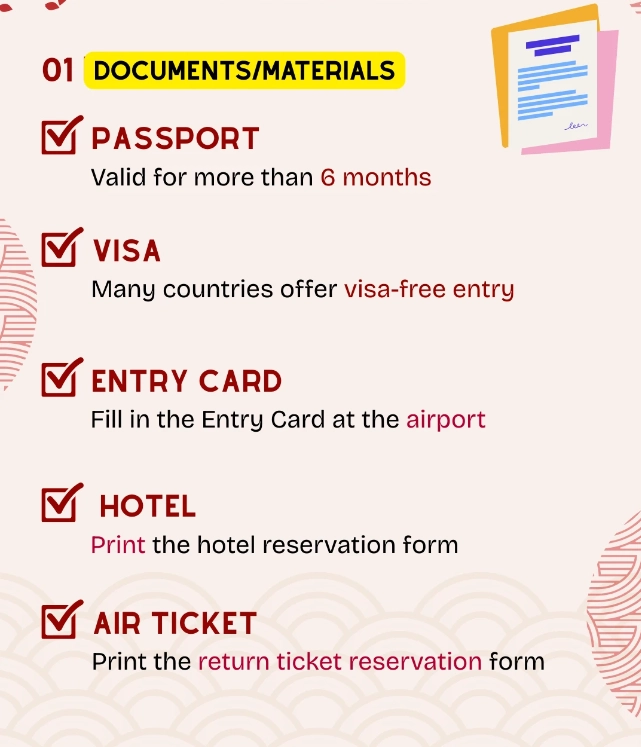
VPN (Very Important!)
Without a VPN, Google, Facebook, Instagram, WhatsApp, and many news sites are blocked. Install a reliable VPN on your phone and laptop before departure. I've seen people panic at the airport because they couldn't access their maps. Test it before you leave China's border—some VPNs get blocked once you're inside. The best ones for China change often, but Astrill, ExpressVPN, and NordVPN tend to work. Also download a translator app—Baidu Translate or Apple's built-in translate both work offline for basic phrases.
Power Bank
You'll use your phone for maps, payment, messaging, and translation. Battery drains fast. A 20,000 mAh power bank is a lifesaver. In a pinch, you can rent a power bank from street-side kiosks, but the interface is usually Chinese-only and requires scanning a QR code.
Clothing by Season
China's climate varies dramatically—north to south, coast to inland. The table below is a general guide, but always check the forecast for your specific cities a week before you pack.
| Season | Must-Have Items | Notes |
|---|---|---|
| Spring (March-May) | Light jacket, scarf, layers, waterproof shoes | Dust storms in the north; rain in the south. A scarf protects against wind and dust. |
| Summer (June-August) | Breathable clothing, hat, sunscreen, sunglasses, portable fan | Southern cities are hot and humid. Avoid synthetic fabrics. I always carry a small mist spray. |
| Autumn (September-November) | Mid-weight jacket, long sleeves, sturdy walking shoes | Pleasant but can be chilly in the evenings. Fall colors are stunning in places like Beijing's Fragrant Hills. |
| Winter (December-February) | Heavy coat, thermal underwear, gloves, hat, wool socks | Beijing can drop to -15°C. Indoor heating is good, but outdoor sightseeing demands proper gear. Don't forget lip balm—dry air cracks lips. |
Pro tip: Bring a pair of comfortable, broken-in walking shoes. You'll easily walk 15,000-20,000 steps a day in cities like Shanghai or Xi'an. New shoes = blisters.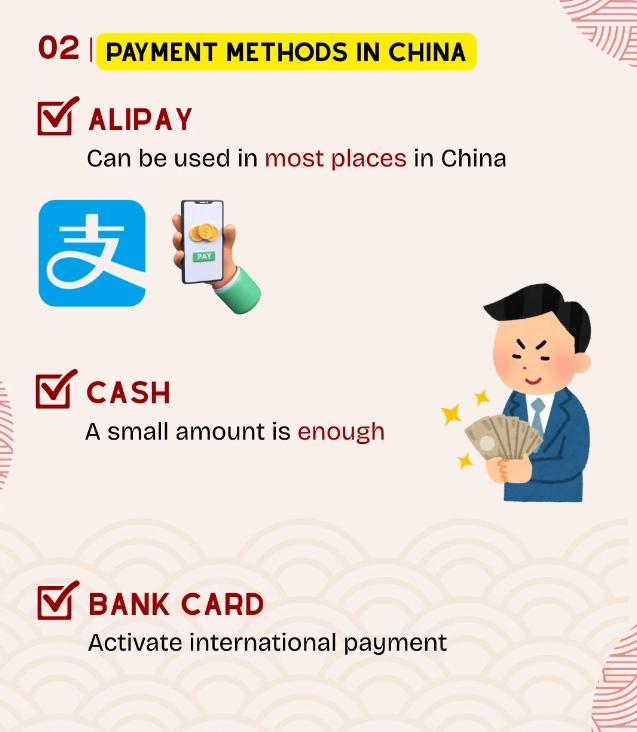
Toiletries & Health
What Hotels Provide
Most 3-star and above hotels in China supply disposable toothbrushes, toothpaste, soap, shampoo, slippers, and combs. Budget hostels might not. If you're staying in guesthouses, pack your own. I always bring my own razor and moisturizer—hotel moisturizer is often poor quality.
Medication
Bring a small first-aid kit: painkillers (ibuprofen), anti-diarrheal (loperamide), motion sickness pills, cold medicine, and any prescription meds in original bottles with a doctor's note. Chinese pharmacies sell many drugs without prescription, but labels are in Chinese. Be careful—some drugs (like codeine-based cough syrup) are banned or require special permission. Check the Chinese embassy website for restricted substances.
Face Masks
Pollution can spike, especially in northern cities during winter. A pack of disposable N95 masks takes no space. Also handy if you catch a cold—it's polite to wear one in crowded places.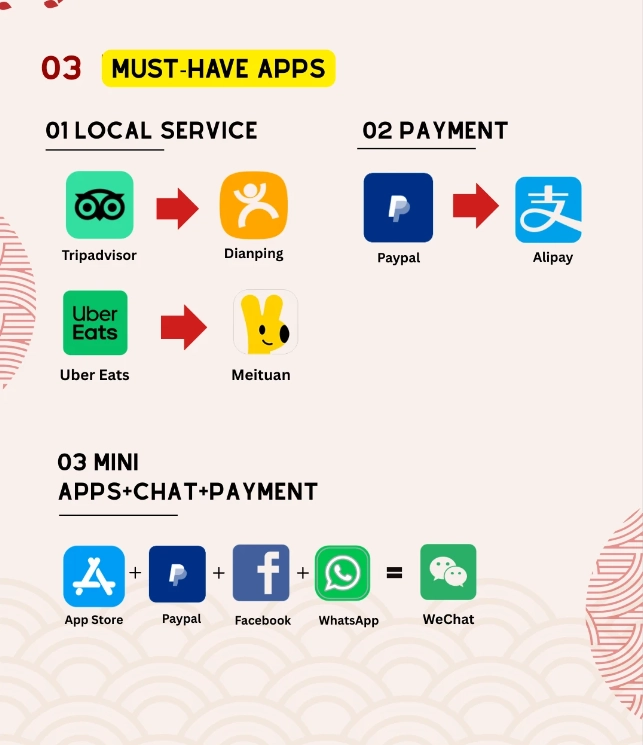
Gadgets & Adapters
Power Plug Adapter
China uses Type A (two flat pins) and Type I (three flat pins, same as Australia). Voltage is 220V, 50Hz. Most modern chargers (phone, laptop) are dual-voltage, but check the label. If it says 100-240V, you're fine. Get a universal adapter with USB ports—you'll be charging multiple devices. I also carry a small extension cord with multiple outlets; hotel rooms often have limited sockets.
Extra Cables
USB-C cables break at the worst moments. Bring two spares. Also a short charging cable for your power bank (some power banks require a specific cable).
Headphones
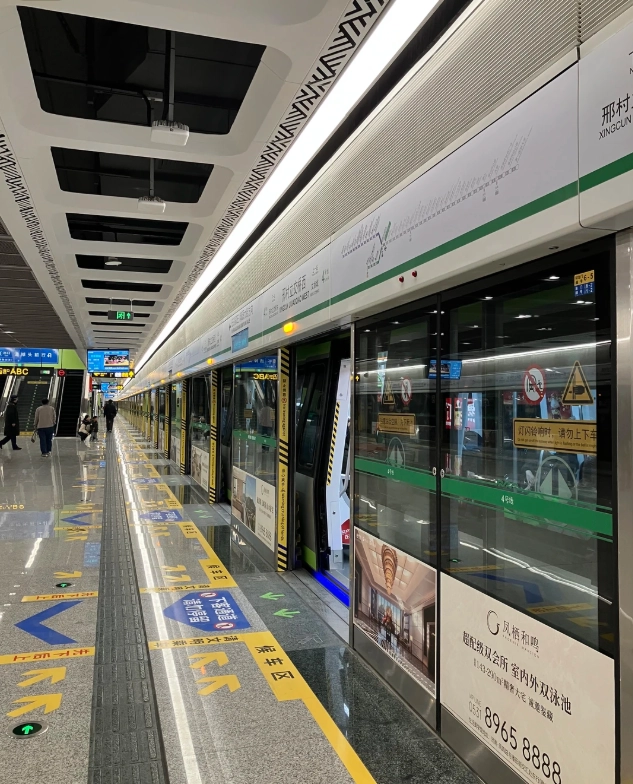
Long flights and train rides—noise-cancelling headphones are a game changer. On the bullet train, the quiet carriage is usually carriage 5 (second class), but bring earplugs anyway.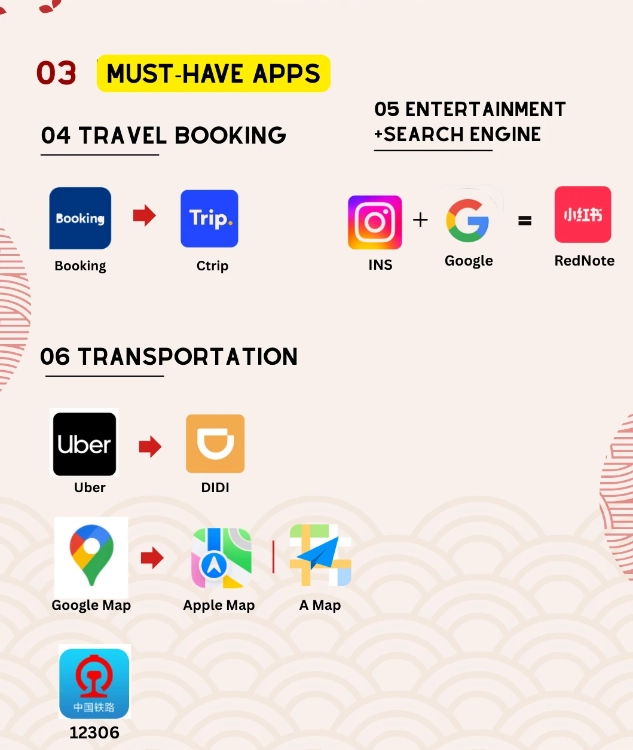
Miscellaneous Must-Haves
- Reusable water bottle: Tap water is not safe to drink, but many hotels and attractions have water dispensers with hot and cold water. Avoid buying plastic bottles every time.
- Small backpack/daypack: For sightseeing—hands free, easy to access your phone for payment.
- Ziplock bags: For wet umbrellas, snacks, or separating dirty clothes. Incredibly handy in humid weather.
- Umbrella or rain poncho: Sudden downpours are common, especially in summer. A compact folding umbrella fits in any bag.
- Tissues and wet wipes: Public toilets often run out of toilet paper. Always carry a small pack of tissues and hand sanitizer.
- Laundry detergent sheets: If you're traveling for more than a week, these thin sheets are lighter than liquid detergent. You can hand-wash clothes in the sink.
What NOT to Bring
Here is where most tourists overpack:
- Heavy winter jacket for summer travel – it wastes suitcase space. Instead bring a lightweight down vest that compresses.
- Too many pairs of shoes – one walking shoe, one sandal/flip-flop for the hotel is enough.
- Large bottles of shampoo conditioner – hotel amenities are decent; you can also buy travel sizes at any convenience store.
- Paper books – e-readers or phone reading is lighter. If you bring a Kindle, pre-load it with Chinese classics or travel guides.
- Drone (unregistered) – China has strict drone regulations. You need to register with the CAAC and get permission for flights. Most tourists end up leaving their drones at customs or having them confiscated. Leave it at home unless you've done the paperwork.






No comments yet.