 Hui Lin
Let's get this out of the way first: you won't find a restaurant inside the Forbidden City serving imperial banquets. The search for "The Forbidden City Food" is really about two things. First, it's about finding a proper meal after hours of walking through palace halls. Your feet are tired, your brain is full of history, and you need sustenance that isn't an overpriced snack from a kiosk. Second, it's about tasting the legacy of imperial cuisine—dishes inspired by or directly descended from the palace kitchens—in the neighborhoods that surround this ancient complex.
I've spent a lot of time in this area, both as a visitor and later living nearby. The biggest mistake people make is heading straight for the obvious, crowded spots on Wangfujing Street without looking sideways into the hutongs. The best food near the Forbidden City often requires walking five to ten minutes away from the main tourist flow.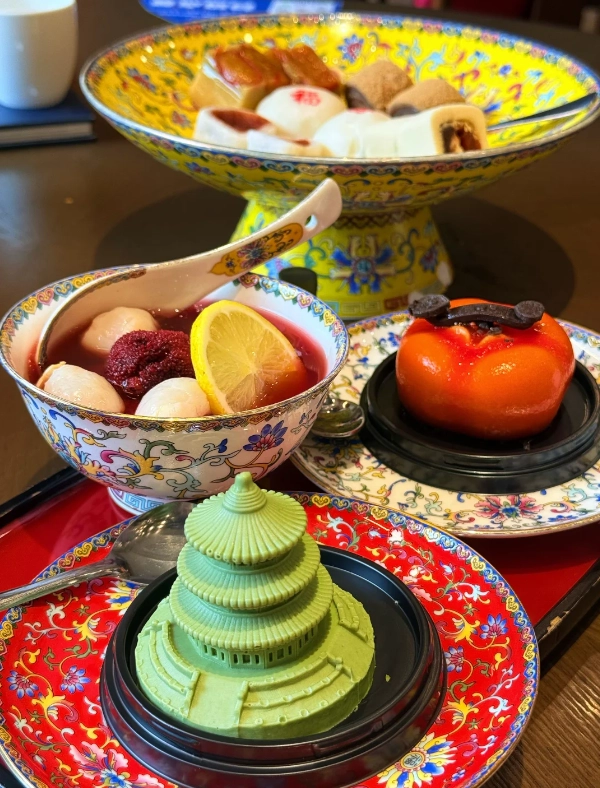
What's Inside?
Where to Eat Near the Forbidden City
This isn't a generic list. These are places I've returned to, based on the kind of experience you might want after your visit. Location is everything here—proximity to the exit gates matters when you're exhausted.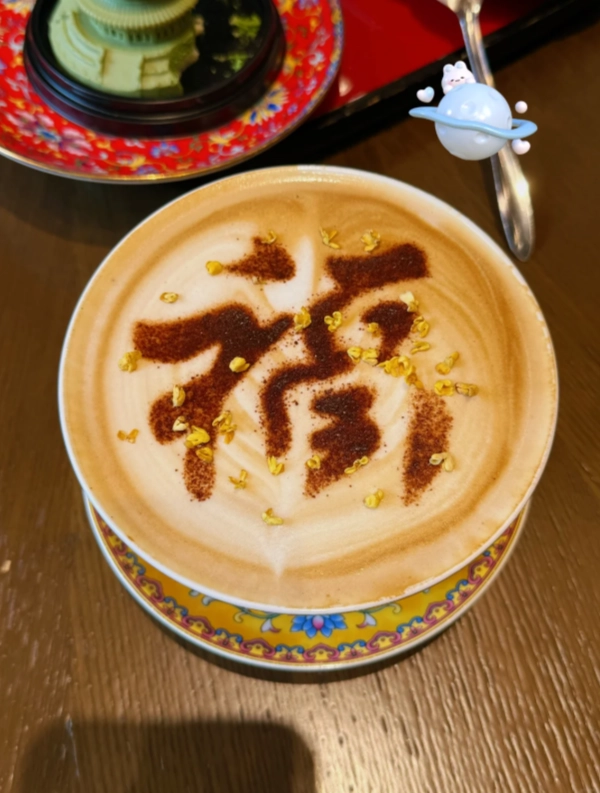
| Restaurant Name & Vibe | What to Order & Why | Address & Logistics |
|---|---|---|
| Si Ji Min Fu Roast Duck (四季民福烤鸭店) The local favorite for Peking Duck. Modern, clean, always busy. Not the most historic, but reliably excellent. |
Peking Duck is the obvious star. Their duck skin is incredibly crisp. Also try the Braised Meatball (狮子头)—it's surprisingly light and flavorful. Skip the touristy set menus; order à la carte. | Multiple locations. The one at Nanchizi Street (11 Nanchizi St, Dongcheng) has views of the palace walls. Expect a wait, especially for window seats. No reservations for small groups. Open 10:30 AM - 9:30 PM. Budget: $25-$40 per person. |
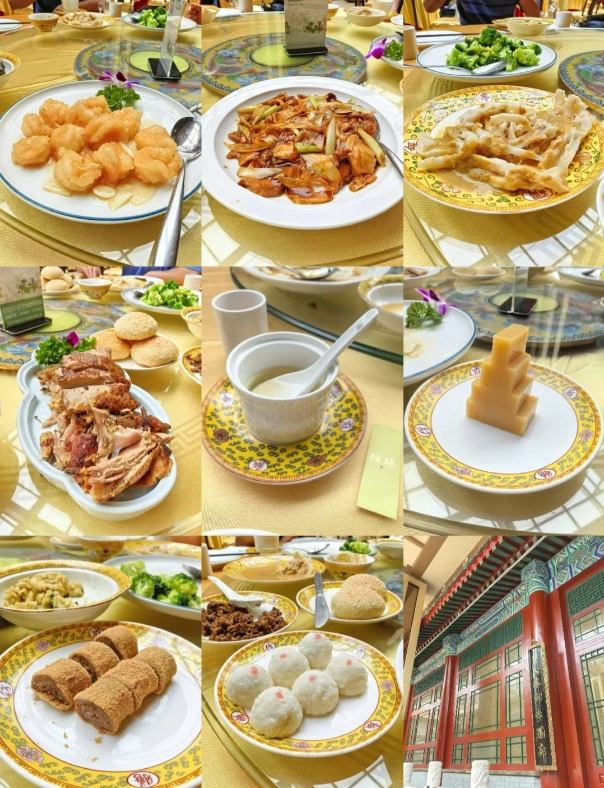
| Fang Shan Restaurant (仿膳饭庄) This is the classic "imperial cuisine" experience. It's inside Beihai Park, a short cab ride from the Forbidden City's north exit. The setting is a former imperial garden pavilion—the ambiance is the main draw. |
Go for the set menus inspired by Empress Dowager Cixi's preferences. Dishes like Man-Han Banquet Appetizer Platter and Steamed Meatball with Lotus Seed are beautifully presented. The taste is subtle, refined, not overly seasoned. It's more about the experience than explosive flavors. | Inside Beihai Park (you need park entry ticket). 1 Wenjin St, Xicheng. You must book ahead by phone. Service can be formal and slow. Open 11:00 AM - 2:00 PM, 5:00 PM - 8:00 PM. Budget: $50-$100+ per person. |
| Li Ji Noodle House (利群烤鸭店) The polar opposite of Fang Shan. A no-frills, cramped hutong joint famous for its duck. It's chaotic, smoky, and utterly authentic. The owner is a character. |
Peking Duck, again, but here it's a more rustic, fire-roasted version. The pancakes are thicker. Also get the Fried Intestines if you're adventurous—they're crunchy and not greasy. This is for flavor, not comfort. | 11 Beixiangfeng Hutong, Dongcheng. It's a maze to find—use a map app. Cash only. Very limited seating, often shared tables. Open 10:30 AM - 10:00 PM. Budget: $15-$25 per person. |
| Da Dong Roast Duck (大董烤鸭店) The haute cuisine interpretation of Peking Duck. Minimalist, artistic plating. Focuses on a "less oily" duck recipe. A good choice if you want a contemporary, upscale meal. |
The SuperLean Duck is their signature. The skin is like a delicate cracker. Their Hawthorn Ice Cream as dessert is a perfect palate cleanser. Portions are smaller, prices higher, but it's an innovation on tradition. | Closest branch is at Jinbao Place (88 Jinbao St, Dongcheng). Reservations recommended. Open 11:00 AM - 10:00 PM. Budget: $40-$60 per person. |
What is Imperial Cuisine?
Imperial cuisine, or Gongting Cai, isn't just fancy food. The core philosophy was about balance, seasonality, and impeccable sourcing. Dishes were designed to be harmonious with the body and the season, not just tasty. A common misconception is that it's all about rare ingredients like bear paw or bird's nest. While those existed, much of it was about elevating common ingredients through extraordinary technique and presentation.
You can still see this today. A dish like "Wensi Tofu"—where tofu is cut into hair-thin strands and served in a clear broth—is a test of a chef's knife skills that was admired in the palace. The flavors are clean, subtle. It won't hit you over the head with garlic or chili. This is why some first-time visitors find imperial-style restaurants "bland." You have to adjust your expectations. You're tasting refinement, not power.
True imperial cuisine is hard to find and expensive. Most restaurants labeled as such, including Fang Shan, are modern recreations based on historical records. They're an interpretation, not a direct传承 (inheritance). For a deeper dive into the history and philosophy, the Beijing Tourism website has some well-researched cultural articles on the subject.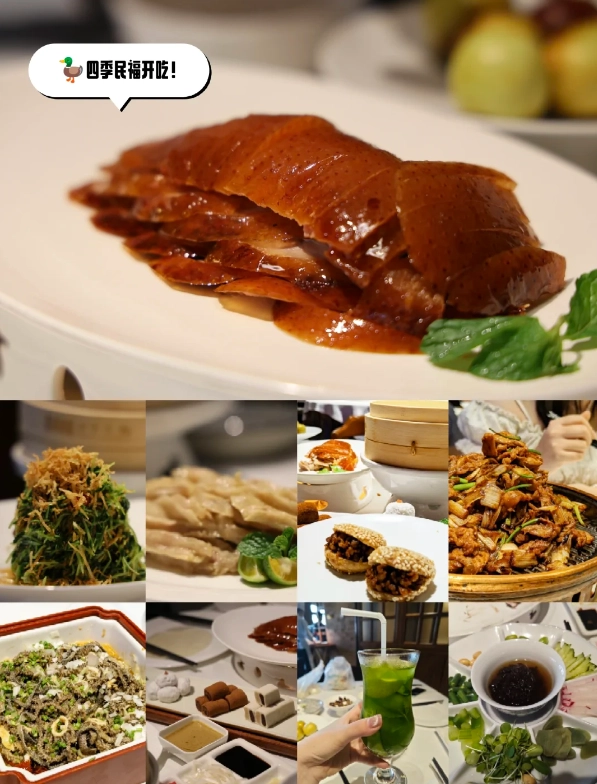
The Imperial Ingredients You'll Encounter
Keep an eye out for these elements on menus: Lily bulbs for sweetness and calming, lotus seeds for texture and symbolism, Jinhua ham for umami depth in soups, and wolfberries (goji berries) for color and health. Presentation often involves intricate carvings from vegetables like radishes or pumpkins.
Navigating the Hutongs for Snacks
Sometimes you don't need a full meal. The hutongs north and east of the palace are where you'll find quick, delicious, and cheap eats. This is where I go to graze.
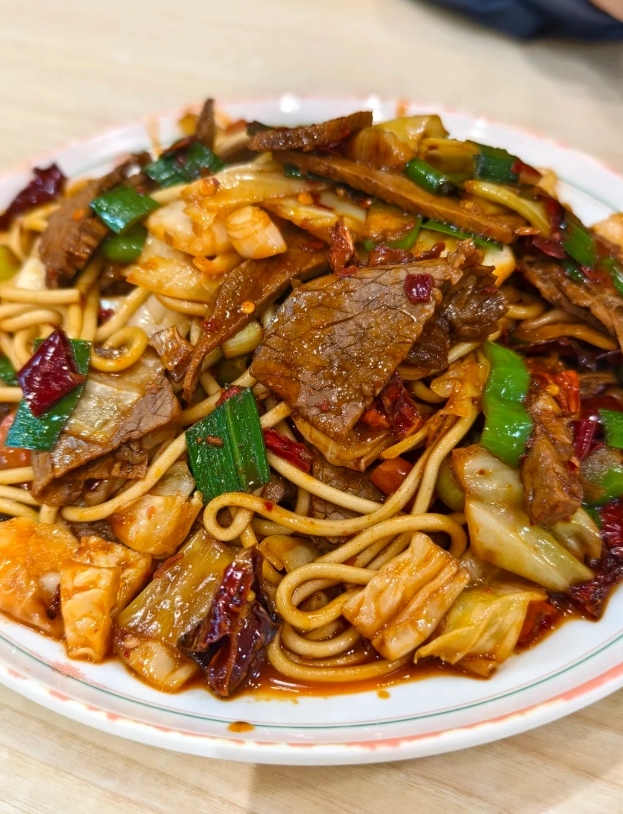
Zha Jiang Mian (Noodles with Fried Sauce): Look for small shops with plastic stools. The sauce is a rich, savory paste of fermented soybean and minced pork. It's hearty and filling. A good spot is tucked into Doujiao Hutong.
Jian Bing (Savory Crepe): The ultimate Beijing street breakfast, available all day. A thin batter is cooked on a griddle, an egg is cracked on top, then it's brushed with sauces, sprinkled with scallions and cilantro, and wrapped around a crispy cracker. The stall at the corner of Dongsi Liutiao and Dongsi Beidajie is a local legend—the queue moves fast.
Rou Jia Mo (Chinese Burger): Stewed meat, usually pork, chopped and stuffed into a flatbread. The bread should be crisp on the outside, soft inside. The meat should be juicy, not dry. Avoid the ones that look pre-made and sitting under a heat lamp.
My rule in the hutongs: follow the line of locals, not tourists. If people are waiting on scooters or with their own containers, you've found a good place. Don't be afraid to point at what someone else is eating.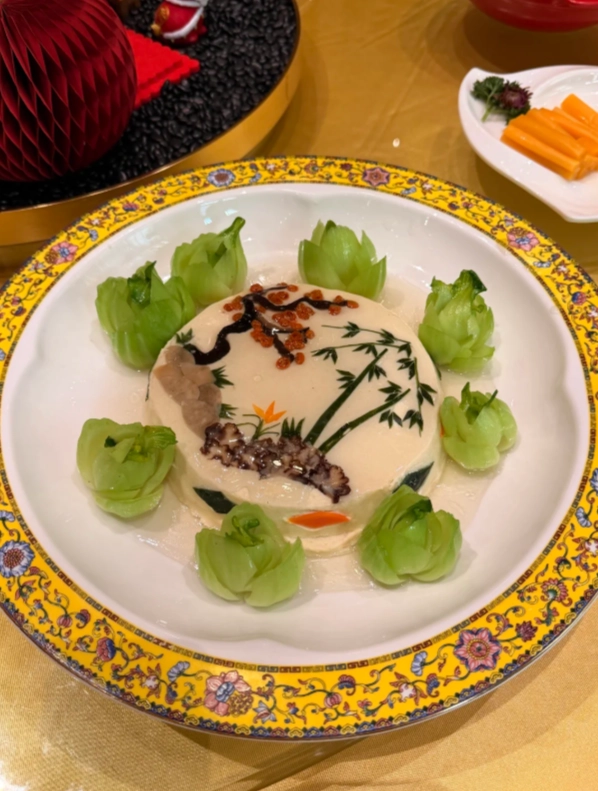
Practical Tips for Dining
Timing is Everything: Most Chinese eat lunch around 11:30 AM-1 PM and dinner 6-8 PM. To avoid crowds, aim for an early lunch (11 AM) or a late dinner (after 8 PM). This is crucial for popular spots like Si Ji Min Fu.
The Reservation Question: For Fang Shan or high-end Da Dong, always call ahead. For the others, assume you cannot reserve. Use waiting apps like Meituan or Dianping to join a virtual queue for some chains (Si Ji Min Fu sometimes allows this).
Payment: While most places accept mobile payment (WeChat Pay, Alipay), some older hutong spots like Li Ji still prefer cash. Always have some RMB with you.
Water and Tea: Sit-down restaurants provide hot tea or boiled water for free. You don't need to order bottled water unless you want it cold. If they bring a sealed wet towel, it's usually chargeable (a few RMB). You can refuse it.
After the Meal: The area around the Forbidden City isn't a major nightlife hub. For a post-dinner drink, you'll need to go to Sanlitun or the Gulou area. Consider a walk through the illuminated Wangfujing Street instead.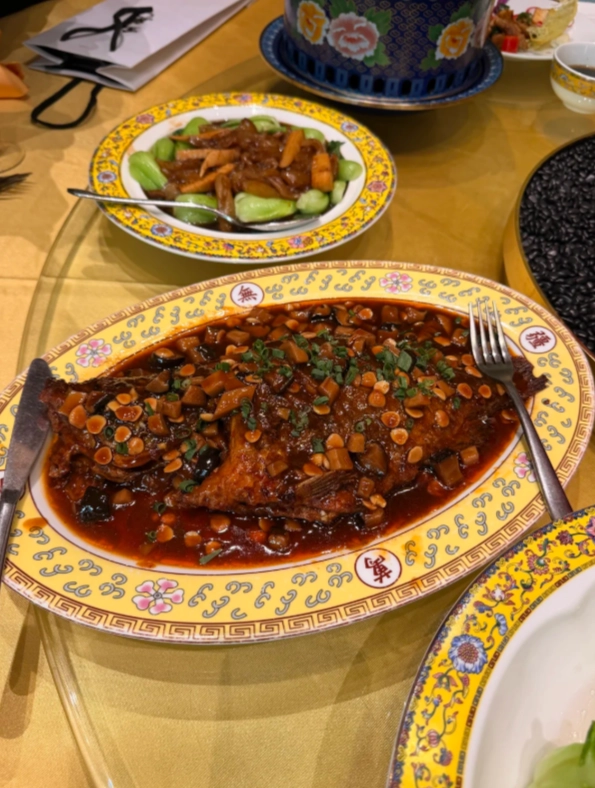
Your Forbidden City Food Questions
 What's the one overrated food experience I should skip near the Forbidden City?
The food around the Forbidden City is a journey from imperial refinement to hearty street-level satisfaction. Plan your meal as carefully as you plan your palace route. Walk a few blocks away from the main gates, be willing to wait for something good, and don't be afraid to point at a dish you can't name. That's where the real feast begins.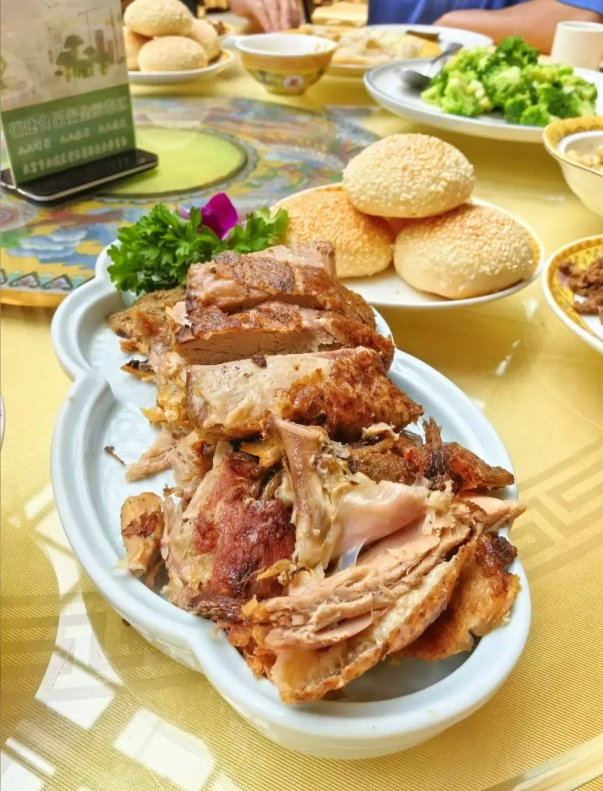
This guide is based on repeated personal visits and local recommendations. Details like opening hours and payment methods were verified at the time of writing.





No comments yet.