 Fang Wang
Most visitors rush to the Shanghai Museum for its bronzes, ceramics, and calligraphy. I did too, on my first visit. But after my third trip, I realized I was missing half the experience. The real secret isn't just in the display cases—it's in the quiet corners where you can sit down with a cup of tea that tastes like history, or a coffee adorned with a latte art rendition of a Ming vase. This isn't your typical museum cafeteria slop. Shanghai Museum food is a deliberate, often elegant, extension of its cultural mission.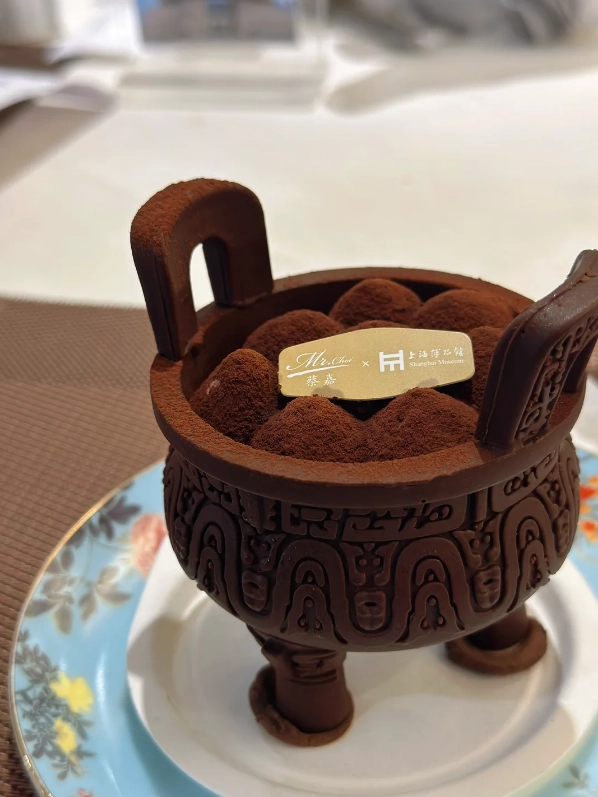
Let me walk you through exactly what you can find, where to find it, what's worth your money, and the subtle mistakes most first-timers make. I've spent hours in these spaces, not just snapping photos but actually lingering, tasting, and observing.
What's Inside This Guide
Where to Eat Inside the Shanghai Museum
The museum's dining options are strategically placed and cater to different moods and budgets. Forget a single food court. Think of it as a small culinary circuit.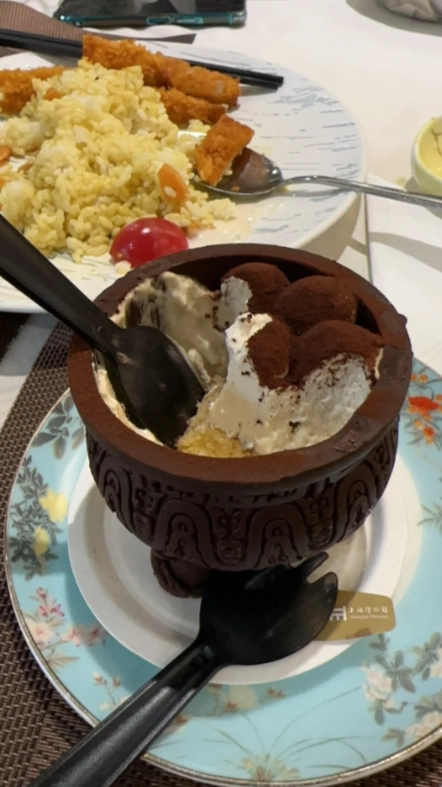
The Traditional Teahouse on the Second Floor
This is the heart of the authentic Shanghai Museum food experience. Tucked away from the main gallery traffic, the teahouse is an oasis. It's not just a place to drink; it's a performance. I've watched servers pour hot water from long-spouted kettles with precision that rivals the calligraphy in the galleries below.
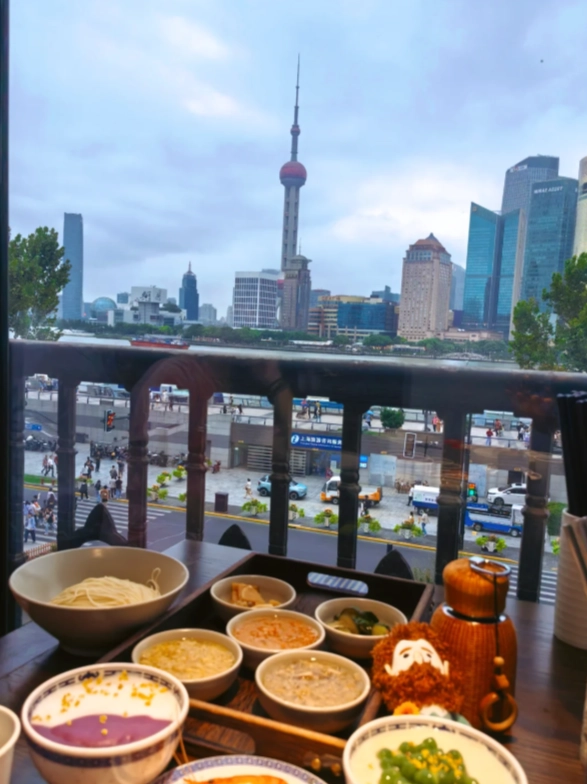
The menu focuses on Chinese teas—Longjing, Tieguanyin, Pu'er—paired with traditional snacks. Don't expect hearty meals. This is about refinement. The “Four Seasons Dim Sum Plate” is a safe and delightful choice. It usually includes a sweet red bean pastry, a savory pork bun, a flower-shaped almond cookie, and a seasonal item. On my last visit in autumn, it was a chestnut cake. The textures are delicate, designed to complement, not overwhelm, the tea.
Location: 2nd Floor, near the Ancient Chinese Sculpture Gallery.
Ambiance: Quiet, wooden furniture, low lighting. Perfect for a post-gallery debrief.
Price Point: A tea set for one ranges from ¥80 to ¥180. The dim sum plate is around ¥58.
My Take: Worth it for the ambiance alone. The tea quality is good, not exceptional, but the overall experience is what you pay for. It's the closest you'll get to feeling like a Ming scholar taking a break.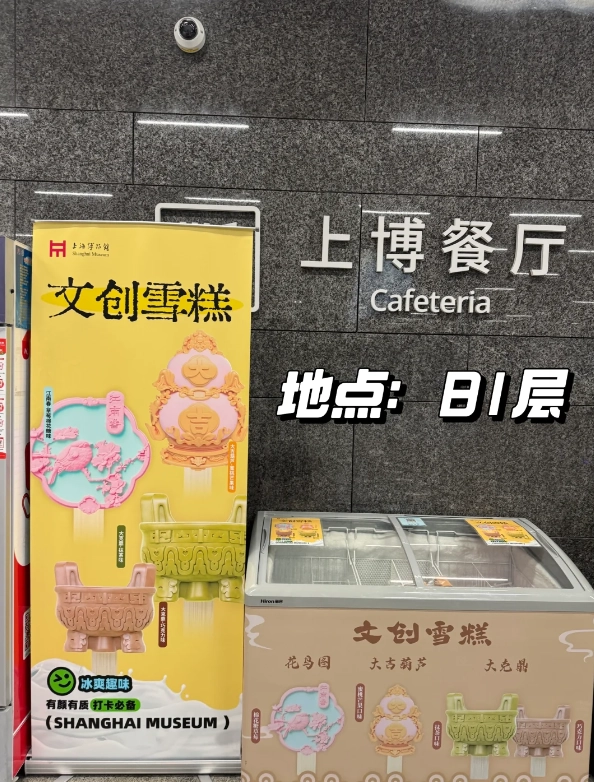
Insider Detail: The almond tofu dessert here has a subtle jasmine scent that isn't listed on the menu. Ask the server if it's available that day. It's a silky, fragrant end to your tea session that most visitors miss.
The Modern Cafe & Light Bites Spot
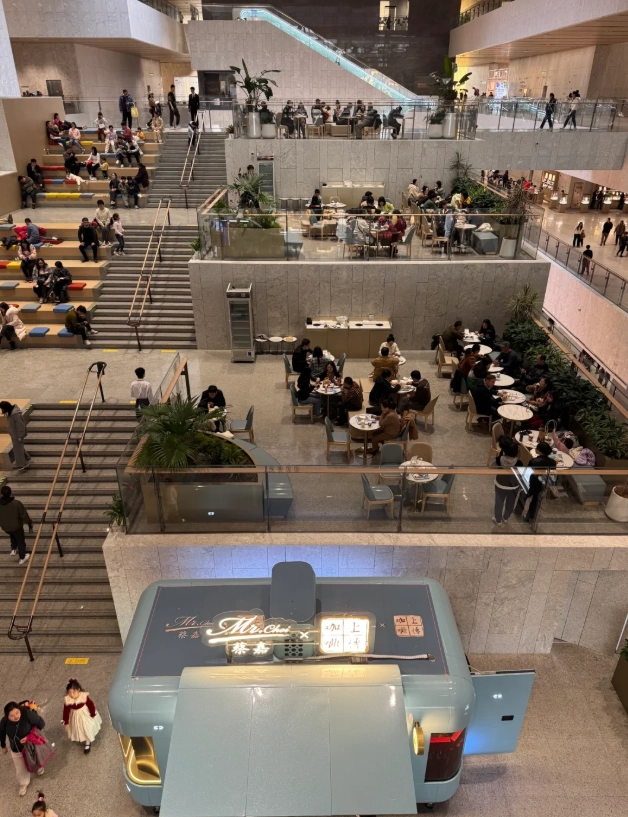
Head to the ground floor atrium or the area near the museum shop for a more contemporary vibe. This is where you'll find espresso machines, iced lattes, and sandwiches. It caters to international tastes and the need for a quick caffeine hit.
The coffee is surprisingly decent. I've had worse in dedicated cafes in Shanghai. They often feature latte art with museum-themed designs. The food is simple: croissants, muffins, sliced cakes, and a few sandwich options like tuna or ham and cheese.
Location: Ground Floor, near the main entrance and gift shop.
Ambiance: Bright, casual, often bustling. Lots of natural light.
Price Point: Coffee from ¥30-45, sandwiches around ¥38-50.
My Take: This is your functional refueling station. The coffee is reliable. The sandwiches are fine but forgettable. The real value is in the seating—it's a great spot to people-watch and plan your next gallery move.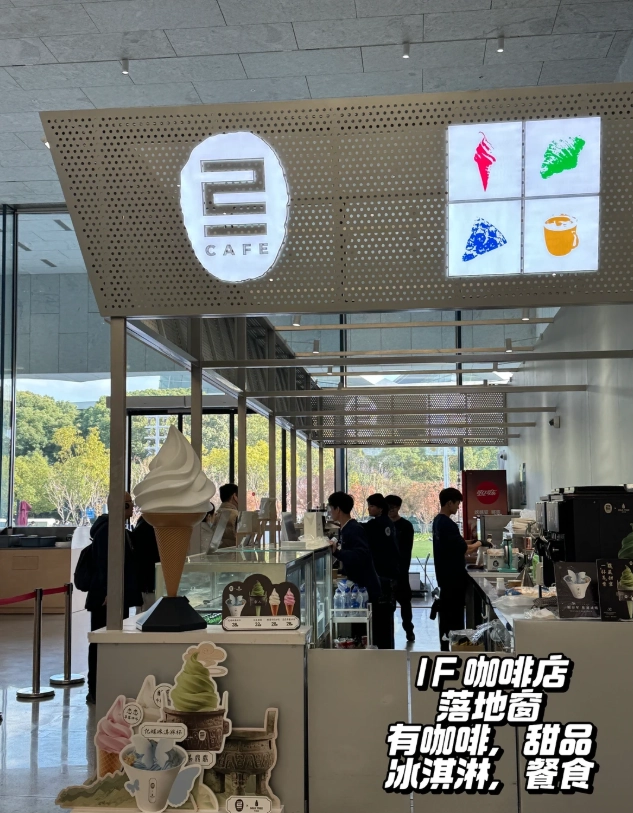
The (Often Overlooked) High-End Restaurant
Yes, there's a proper restaurant. Many visitors walk right past it, assuming it's a staff area or private event space. It's located on one of the upper floors (access can vary, sometimes it's on the 5th floor or a mezzanine level) and offers a set-menu dining experience.
This isn't casual dining. The cuisine is “creative Chinese” or high-end Shanghainese, presenting local flavors with modern plating. Think braised pork belly in a delicate reduction, or steamed fish with supreme broth. The presentation is artful, echoing the aesthetics of the museum itself.
| Venue | Type | Best For | Approx. Cost Per Person | Atmosphere |
|---|---|---|---|---|
| Second Floor Teahouse | Traditional Tea & Snacks | Cultural immersion, quiet rest | ¥100 - ¥200 | Serene, scholarly |
| Ground Floor Cafe | Coffee & Western Light Bites | Quick caffeine, casual snack | ¥40 - ¥80 | Bright, casual, busy |
| High-End Restaurant | Creative Chinese Set Menu | A special meal, celebration | ¥300+ (set menu) | Formal, elegant, quiet |
Planning Your Museum Food Visit
Timing is everything. Showing up at the teahouse at noon on a weekend is a recipe for disappointment—you'll wait. Here’s how to sync your stomach with your art viewing.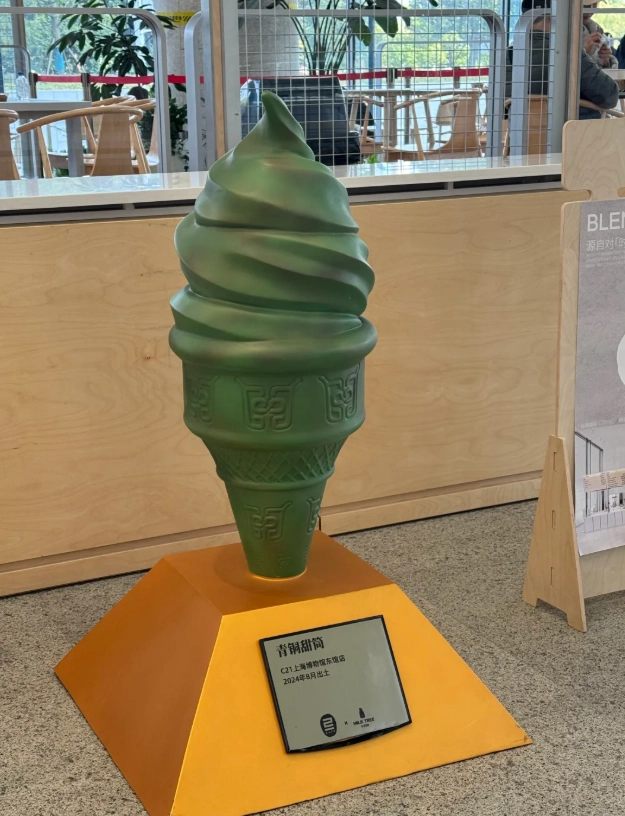
The Strategic Schedule:
Morning (10 AM - 12 PM): Hit the major galleries first. Crowds are thinner. Around 11:30 AM, make your way to the teahouse. You'll beat the lunch rush.
Lunch (12 PM - 2 PM): This is peak time everywhere. The cafe will be packed. If you want the teahouse experience, you should already be seated. Otherwise, consider a late lunch around 1:30 PM.
Afternoon (2 PM onwards): The cafe clears out a bit. Perfect for that post-lunch coffee. The teahouse also becomes more tranquil. This is my preferred time for a quiet pot of tea.
A common mistake is treating the museum cafe as a primary lunch destination. It can handle it, but the experience is rushed. The teahouse is not designed for a full lunch; it's a respite. If you need substantial food, the restaurant is the only real option, but it requires planning (and a reservation, which is highly advised—call the museum's main line to inquire).
I made the error once of relying solely on the cafe for lunch. The sandwich was fine, but I felt I'd missed the point. The museum offers a chance to slow down. The teahouse forces that pace.
What About Bringing Your Own Food?
The museum has policies against eating in the galleries, rightfully so. There are designated rest areas with benches where you can eat packaged snacks. But honestly, sitting on a bench eating a sandwich from your bag feels disconnected from the experience. Part of the Shanghai Museum food concept is the curated environment. You're paying for the chair, the calm, and the continuity of the aesthetic.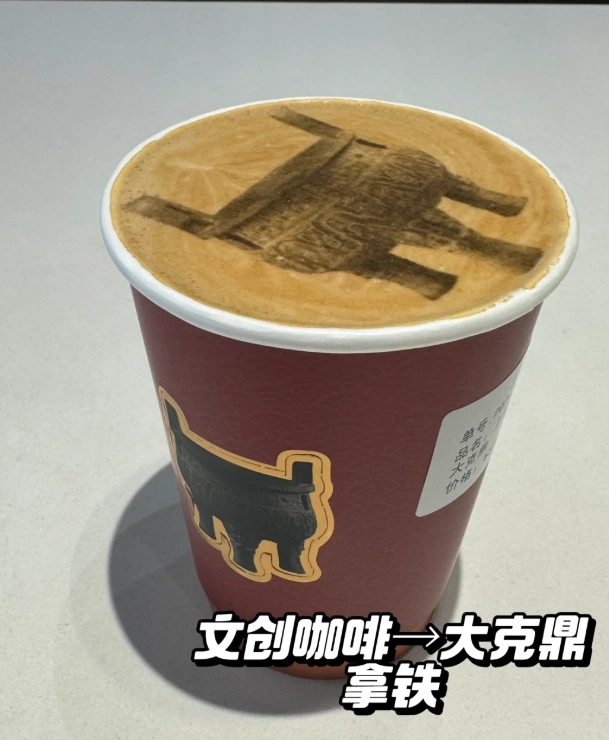
Common Questions Answered
Is the Shanghai Museum teahouse suitable for young children?
It can be, if they are calm. This is not a play area. The space is quiet, with breakable teaware. For fidgety kids, the ground-floor cafe with its quicker service and more casual vibe is a far better choice. The teahouse is ideal for older children or adults who can appreciate the calm.
Do I need to make a reservation for the restaurant or teahouse?
For the high-end restaurant, a reservation is essential. It's not always open to the public and functions like a private club at times. Call ahead. For the teahouse, reservations aren't typically taken. It's first-come, first-served. Go during off-peak hours (weekdays, or mid-morning/late afternoon on weekends) to secure a good spot.
 Can I visit the restaurants without a museum entry ticket?
This is a crucial detail. The teahouse and cafe are inside the museum's public areas. You must have a valid museum entry ticket (which is free but requires a timed reservation) to access them. The high-end restaurant sometimes has a separate entrance or elevator, but access policies are strict. Always assume you need museum entry.
Is the food overpriced for what it is?
You're not just paying for the ingredients. At the teahouse, you're paying for the atmosphere—a quiet, culturally-themed haven in the middle of a crowded city and a busy museum. The price includes that rental of peace. The cafe prices are in line with other premium venues in Shanghai's tourist centers. Is it cheap? No. Is it uniquely situated and part of the overall experience? Absolutely.
What's the one thing I should definitely try?
If you do nothing else, order a pot of Longjing (Dragon Well) tea at the teahouse. It's a classic. The act of slowly sipping the clear, slightly chestnut-flavored tea while looking out over People's Square (if you get a window seat) creates a moment of modern Shanghai serenity that perfectly complements the ancient art inside. Skip the fancy blended drinks at the cafe and go for this pure, traditional experience.
 Shanghai Museum food completes the visit. It turns a sightseeing trip into a sensory journey. You see the art, you touch the history (figuratively, of course), and you taste a piece of the culture, served hot in a porcelain cup. Plan for it. Budget for it. Don't treat it as an afterthought. Your feet will thank you, and your understanding of the place will deepen.
After multiple visits, I now plan my day around the 11 AM teahouse stop. It's the pivot point of the visit. The galleries make more sense after that moment of quiet contemplation. Try it. You might find, as I did, that the memory of that cup of tea lasts as long as the memory of the bronzes.





No comments yet.