 Hui Lin
What’s Inside
I’ve taken dozens of groups to the Great Wall. The biggest headache? Traffic jams that turn a 90-minute drive into a 4-hour nightmare. Then the bullet train came along. I remember the first time I shepherded 15 confused tourists onto it at Qinghe station — we were at the Wall, relaxed, in under 25 minutes. No honking, no stress. But here’s the catch: the process isn’t as smooth as it sounds for foreigners. I’ve seen people miss trains, pay triple for taxis, or get stuck without an English ticket. Let me save you that pain.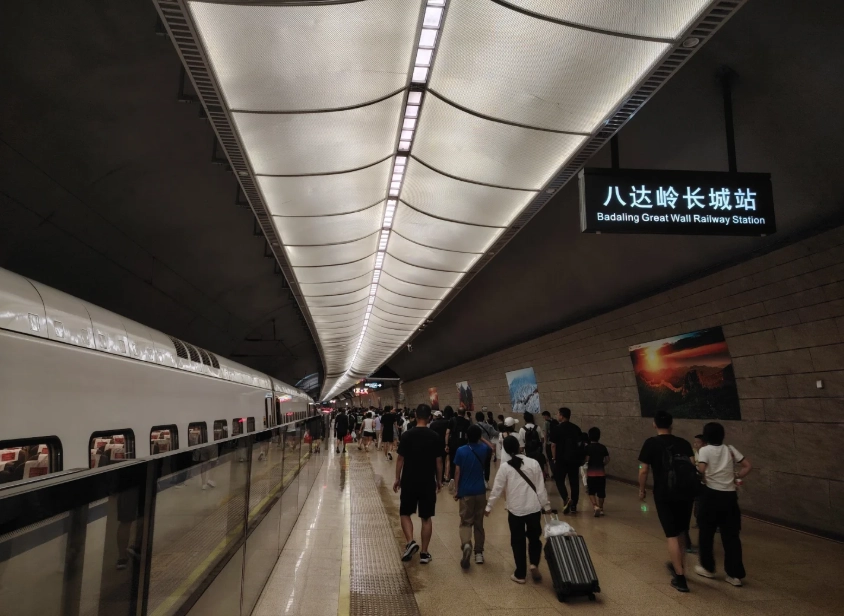
Why the Bullet Train Beats Driving or Buses
Driving yourself? Expect tolls, parking fees (around 10 RMB per hour), and a mental toll when you hit the inevitable jam near the Badaling exit. Tour buses? They leave early, make multiple hotel pickups, and you’re tied to a group schedule. The bullet train from Beijing North or Qinghe station runs frequently — every 20-40 minutes — and drops you right at the base of the Great Wall. No traffic, no second-guessing. Plus, the train station at Badaling is just a short walk (or free shuttle) to the cable car entrance. I always tell my clients: if you value your time, this is the way.
How to Book Your Ticket (No Headaches)
Booking a Chinese high-speed rail ticket as a foreigner used to be a nightmare. You can’t just walk to the counter and buy it on the day — tickets sell out fast, especially on weekends and holidays. Your passport is your ticket, but the system (12306) is only in Chinese. Here’s what works:
- Use Trip.com or Klook. These apps let you search, pay with your international credit card, and show an e-ticket. I recommend Klook for its clean interface. You’ll pay a small service fee (around $2), but it’s worth avoiding the 12306 confusion.
- Book at least 2-3 days ahead. Last-minute tickets vanish fast. If you’re going on a weekend, book a week in advance.
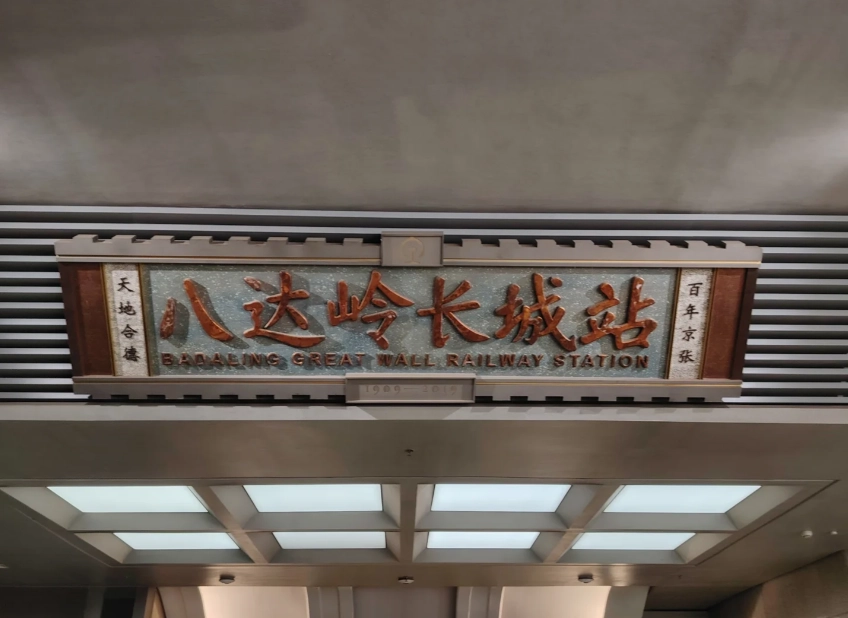
- Choose “Badaling Great Wall” as your destination station. It’s the official name. The train will also stop at “Badaling Changcheng” — same thing.
Which Station to Choose: Beijing North vs. Qinghe
Two stations offer bullet trains to Badaling. Here’s a quick comparison:
| Station | Subway Access | Travel Time to Badaling | Frequency | My Take |
|---|---|---|---|---|
| Beijing North (北京北) | Line 2, 4, 13 (Xizhimen) | ~30 min | 8-10 trains/day | Good if you’re near the center, but fewer departures. |
| Qinghe (清河) | Line 13, Changping Line | ~22 min | 15-20 trains/day | My go-to. More options, less crowded, and a fast subway connection from most hotels. |
Whichever you pick, arrive at the station 30 minutes early. Security is quick, but your passport will be checked at the gate. Keep a printed or digital copy of your e-ticket. The conductors sometimes ask.
What You Must Know Before Boarding
The bullet train experience itself is smooth. But a few things trip up foreigners:
- Luggage: Overhead racks fit standard carry-ons. Big suitcases should go in the designated racks at the ends of each car. No extra fee.
- Food & drink: You can bring your own, but there’s a small snack cart onboard. Cash or WeChat Pay only — no credit cards.
- Restrooms: Western-style squat toilets? Actually, both are onboard. But I’ve noticed the cleanliness varies. Hit the station restroom before boarding.
- Noise: Chinese passengers tend to talk on phones. Bring noise-canceling headphones if you want peace.
Arriving at Badaling — From Platform to Wall
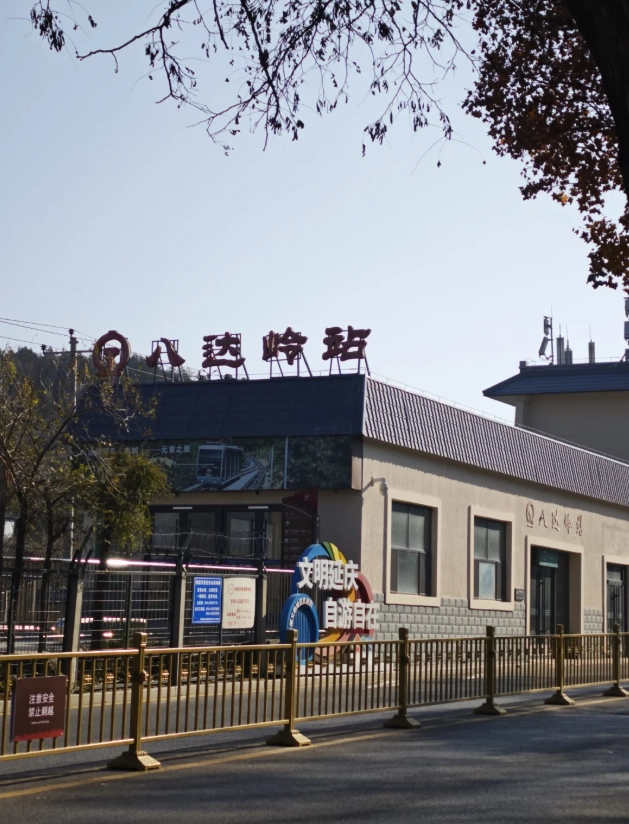
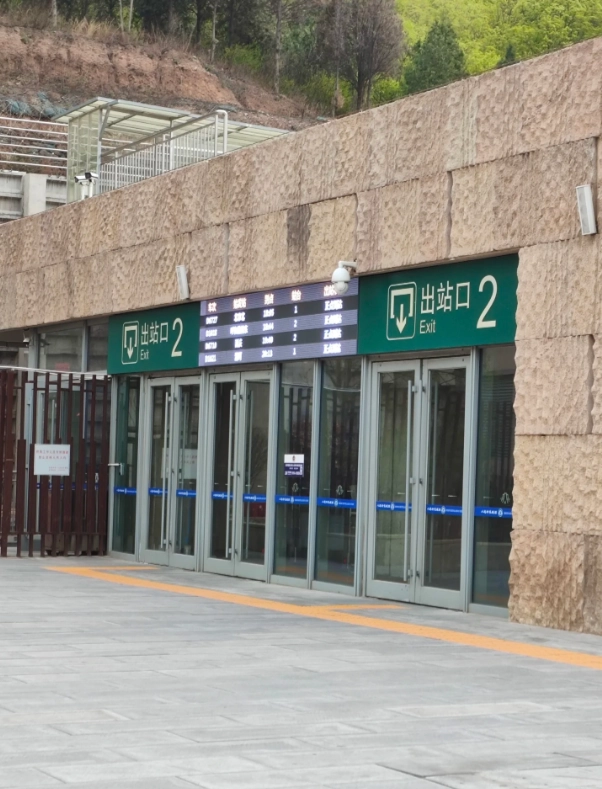
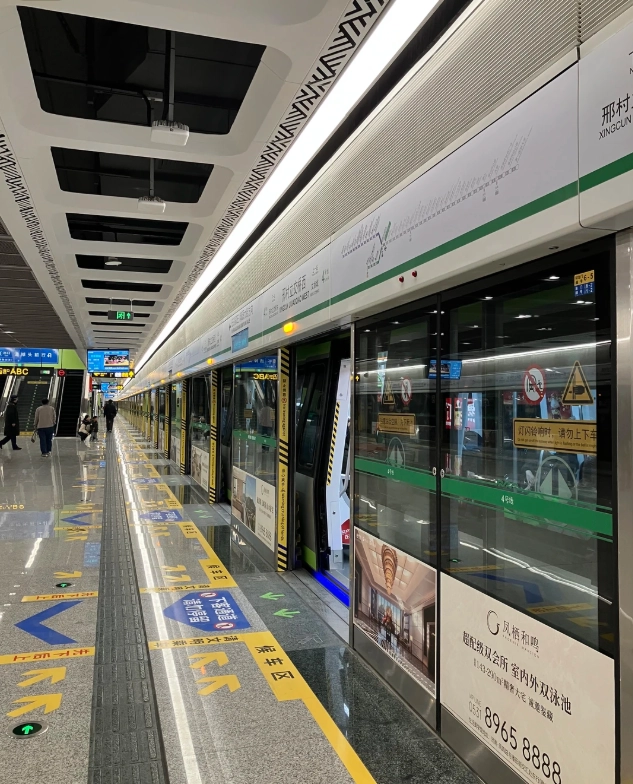
You step off the train into a modern underground station. Follow the signs (partly in English) up to the main hall. Two exits lead to different sections of the Great Wall:
Two Routes: Cable Car vs. Walking
- Cable car (North Side): Exit right, take the free shuttle bus (5 minutes) or walk 10 minutes. The cable car takes you directly to the highest point, the North Seventh Tower. Cost: 140 RMB round-trip. I usually recommend this for families, elderly, or anyone short on time. The queues can be long by 10 AM, so go straight there.
- Walking (South Side): Exit left, then walk 15 minutes uphill to the south entrance. You climb stairs (no cable car) but get to see a less crowded section. It’s free to walk, but your legs will thank me if you’re fit. I prefer this route in the afternoon when the crowds thin out.
When to Visit for Fewer Crowds
The worst time is 10 AM to 2 PM, when tour buses flood in. I always catch the first train of the day: departs around 7:00 AM from Qinghe, arriving at 7:25. You’ll have the Wall almost to yourself until about 9:00. Another trick: go in late afternoon on a weekday. Catch the 2:00 PM train, arrive at 2:25, and you’ll hit the golden light as the last crowds leave. The return trains run until around 8:00 PM, so you’ve got time.
One more thing: The sun exposure at Badaling is brutal. I’ve seen people get sunburned even in spring. Wear a hat, bring water (there are vendors but they charge triple), and if you’re prone to motion sickness, grab a seat facing the direction of travel on the train. The ride is smooth, but the tunnels can be disorienting.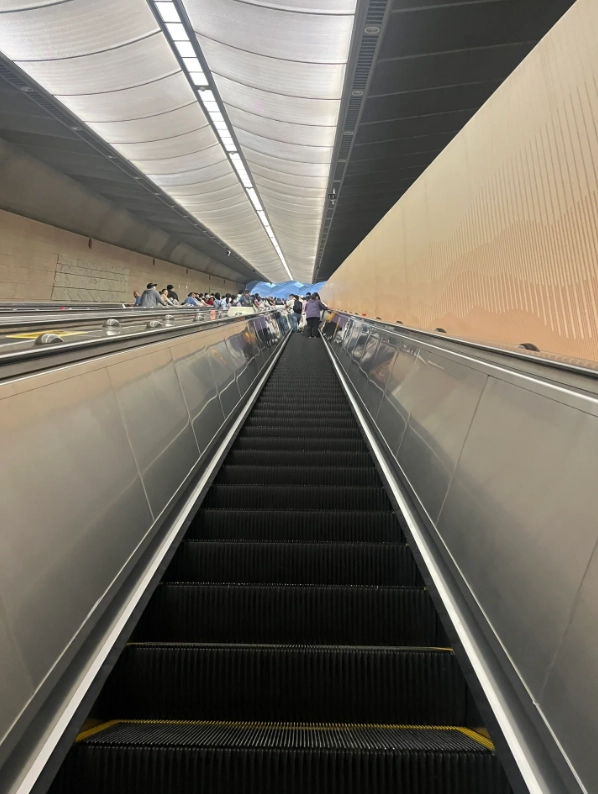
Real Questions from My Travelers
Verified and fact-checked by the editorial team. Pricing and schedules are subject to change — always confirm via official channels before travel.






No comments yet.