 Fang Wang
Let's be clear about one thing right away. When people search for "Lu Xun Park Food," they're rarely looking for a meal inside the park itself. The park is beautiful, a serene green space honoring the famous writer, but its food options are limited to a couple of basic kiosks selling bottled water and simple ice cream. The real action, the reason you're probably reading this, happens in the vibrant streets that hug the park's perimeter. This is where old-school Shanghai meets the relentless energy of modern snacking. I've spent countless afternoons here, navigating between tourist traps and genuine gems. This guide is my attempt to save you the trial and error, giving you the specific addresses, prices, and honest opinions you need to eat well.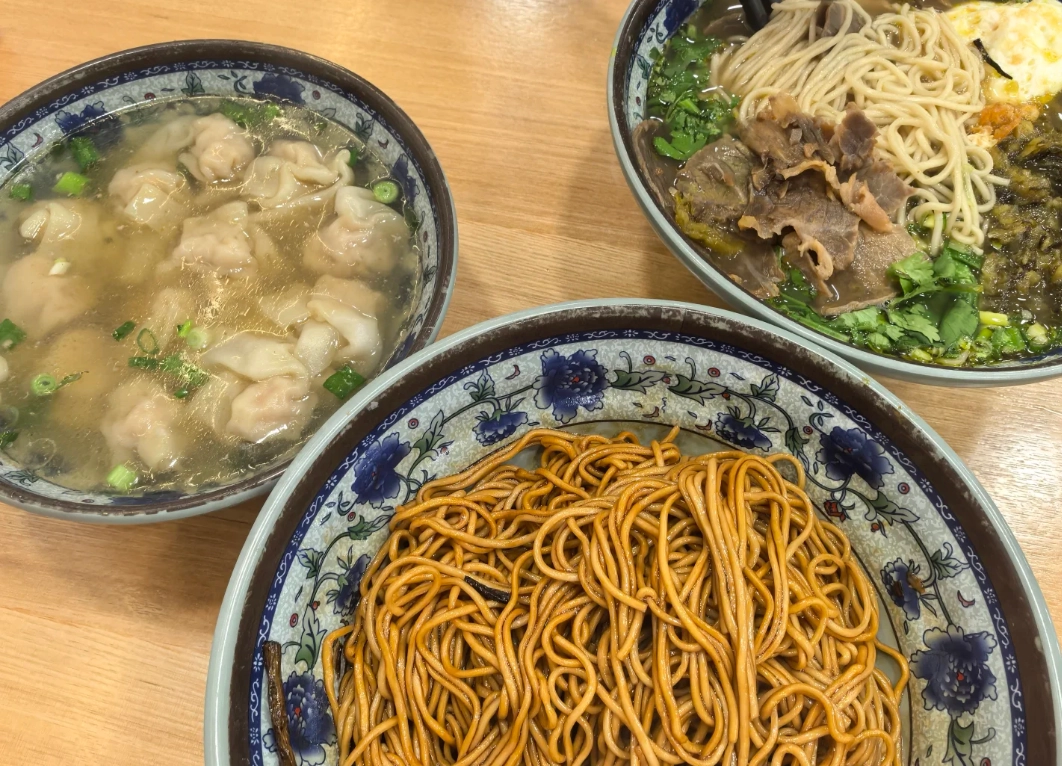
What's Inside This Guide?
Understanding the Lu Xun Park Food Scene
The food landscape here is a tale of two zones. First, you have the immediate park gates, often dotted with mobile carts selling quick bites like grilled skewers or candied hawthorns. These are hit-or-miss, often priced for the passing foot traffic. The second, and far more rewarding zone, is the stretch of Sichuan Road North (四川北路) to the west of the park and the surrounding Hongkou district alleyways. This area is a living museum of Shanghai's culinary history, packed with decades-old establishments serving the classics.
My biggest piece of advice? Don't just circle the park looking for a sign that says "Lu Xun Park Restaurant." Walk a block or two. The best meals are tucked away, their reputations built on flavor, not location. Here’s a breakdown of the key spots I regularly visit, based on what you're in the mood for.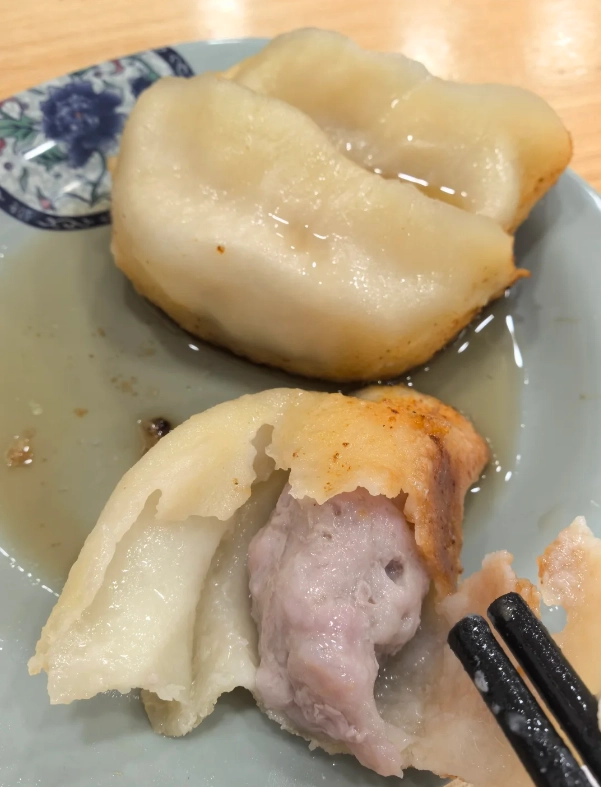
| Spot Name & Address | What It's Known For | Price Point & Vibe | My Personal Note |
|---|---|---|---|
| Xiaoyang Shengjian Multiple locations, closest: 666 Sichuan Rd N |
The city-famous pan-fried soup dumplings (shengjian bao). Crispy bottom, juicy pork filling. | Budget-friendly (¥15-25/portion). Bustling, fast-paced, often a queue. | The gold standard for a reason. Go for the classic pork. The crab roe one can be overly rich. Be careful with that first bite—the soup is hot. |
| Deyue Restaurant 471 Fujian Rd (a 15-min walk south) |
Traditional Shanghainese banquet cuisine. Braised dishes, noodles, and their legendary xiaolongbao. | Mid-range (¥50-100/person). Old-school, multi-floor, formal service. | This is the real deal, not a tourist showpiece. Their "Braised Pork Hock" is sublime. Portions are large, so go with a group. |
| Street Noodle Stall Corner of Tian'ai Rd & Sichuan Rd N (no formal name) |
Scallion oil noodles (congyou banmian) and various stir-fried noodle dishes. Made to order on a roaring wok. | Very cheap (¥10-15/bowl). Plastic stools, street-side dining, pure local atmosphere. | My go-to for a quick, savory fix. The chef adds a secret splash of soy-based braising liquid that gives the noodles an incredible depth. Cash only. Look for the longest line of locals at lunch. |
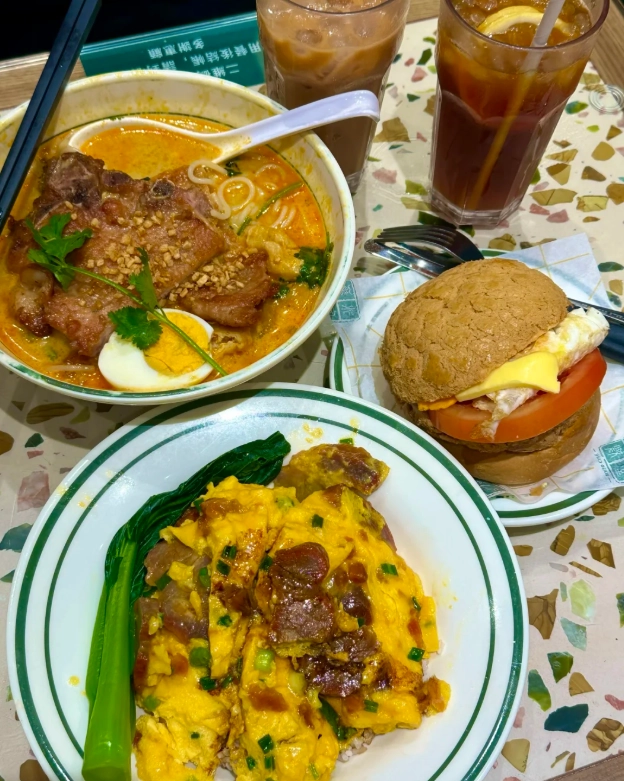
| Kaiyue Tea House Near 939 Sichuan Rd N |
Hong Kong-style milk tea, pineapple buns, and simple Cantonese-style rice & noodle plates. | Budget to mid-range (¥20-50). Casual, good for a rest, strong air conditioning. | Perfect refuge on a hot day. Their milk tea is fiercely strong and authentic. A good spot if the heavier Shanghainese flavors are becoming too much. |
A Local's Observation: Many blogs list the food court inside the nearby Duolun Road Cultural Street. Having been there recently, I find it's lost its charm. It feels curated for tour groups now, with inflated prices and underwhelming quality. You're better off exploring the unassuming shops on the main roads.
Must-Try Dishes and Where to Find Them
Beyond just restaurant names, you should know what to actually order. Here’s a focused list of dishes that define the area's food culture.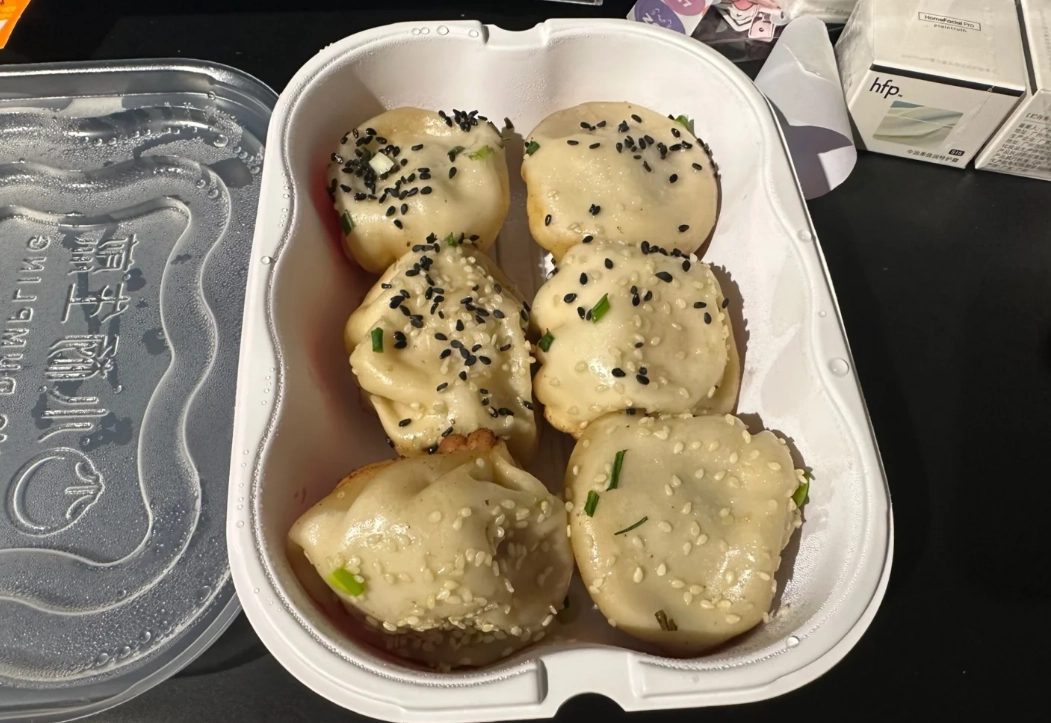
Shengjian Bao (Pan-Fried Soup Dumplings)
The undisputed king. A thick, doughy wrapper encloses pork and gelatin that melts into soup during frying. The bottom is crispy, the top soft. Xiaoyang Shengjian is the safe, excellent bet. For a slightly different texture, seek out smaller shops that make them slightly larger with a chewier skin.
Congyou Banmian (Scallion Oil Noodles)
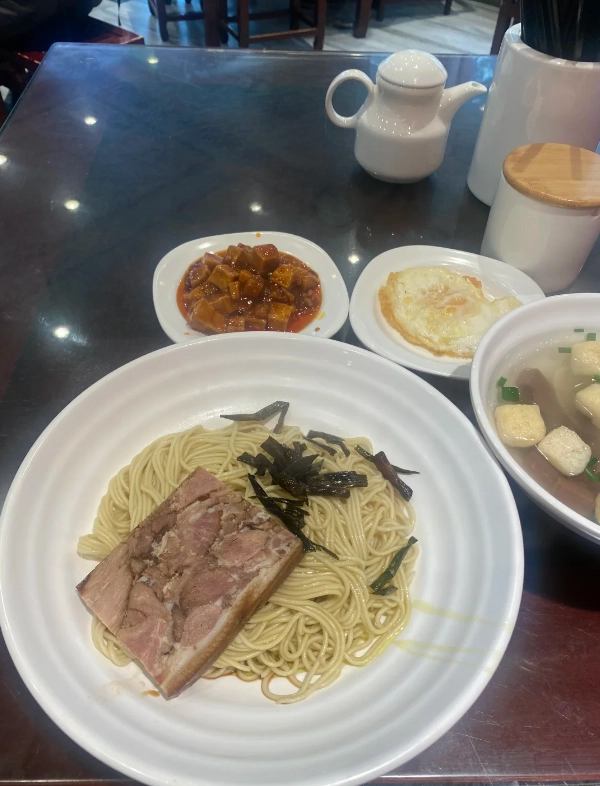
Deceptively simple. It's just noodles tossed in a sauce of hot oil infused with fried scallions, soy sauce, and sugar. The magic is in the balance. The unnamed stall I mentioned masters this. It's cheap, fast, and incredibly satisfying. A common breakfast or lunch for locals.
Hongshao Rou (Braised Pork Belly)
If you want a proper sit-down taste of Shanghainese sweetness and savoriness, this is it. Slow-braised pork belly in a dark, glossy sauce of soy, sugar, and rice wine. It's rich, tender, and best eaten with plain white rice. Deyue Restaurant does a spectacular version.
Ci Fan Tuan (Glutinous Rice Roll)
Look for breakfast vendors in the morning. It's a warm, sticky rice roll wrapped around a crispy youtiao (fried dough) and often a sprinkle of dried pork floss. It's portable, hearty, and texturally fantastic—soft, crunchy, and chewy all at once.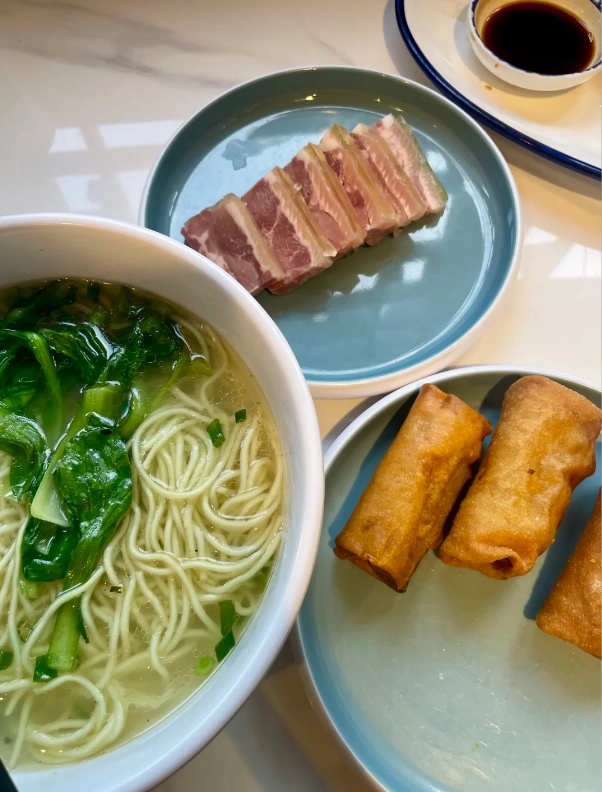
How to Navigate the Lu Xun Park Food Scene
Knowing what to eat is half the battle. Knowing how to eat here is the other half.
Timing is everything. The street stalls and breakfast items (like Cifan Tuan) are morning and lunch affairs. By 2 PM, many start packing up. For shengjian bao or noodle shops, late morning to early afternoon is peak. Sit-down restaurants like Deyue are good for lunch (11:30-1:30) or an early dinner (5-6 PM) to avoid crowds.
Payment. While Alipay and WeChat Pay are ubiquitous, some of the oldest, most authentic stalls still prefer cash. Always have some yuan notes with you. I've missed out on a fantastic fried pancake because I only had my phone.
Ordering. In smaller places, you often order and pay at a counter first, get a ticket, then hand it to the kitchen or server. Don't just sit down and wait. Watch what others do.
Avoiding the queues. The popular spots will have lines, especially on weekends. Go during off-peak hours, or be prepared to wait 15-20 minutes. It's usually worth it.
A Practical Lu Xun Park Food Itinerary
Let's put this all together. Here’s how I would structure a half-day food exploration centered on Lu Xun Park.
Late Morning (10:30 AM): Start at the park. Enjoy the greenery and visit Lu Xun's tomb. Exit from the main gate on Sichuan Road North.
Lunch (12:00 PM): Walk west on Sichuan Rd N. Grab a portion of shengjian bao from Xiaoyang to share. Then, head to the corner stall for a bowl of scallion oil noodles. Eat them on the plastic stools for the full experience.
Afternoon (1:30 PM): Take a slow walk down the side streets. If you have room, find a tea house like Kaiyue for a strong milk tea and a pineapple bun.
Alternative Sit-Down Dinner (5:30 PM): If you're staying for dinner, make your way to Deyue Restaurant. Order the hongshao rou, a vegetable dish like stir-fried greens, and a soup. Share it family-style.
Your Lu Xun Park Food Questions Answered
 What's a common mistake first-timers make when eating shengjian bao?
The food around Lu Xun Park isn't about fine dining or Instagram aesthetics. It's about substance, history, and the simple pleasure of a perfectly executed street snack. It's the sizzle of the giant flat-top wok, the sticky feel of the rice, the communal slurping at a shared table. Forget looking for a single "best" restaurant. Embrace the crawl. Try a little here, a little there. Let the energy of Sichuan Road North guide you. That's where you'll find the real taste of the place—not just in the park, but in the life that pulses right outside its gates.
This guide is based on multiple personal visits and ongoing observations. Details like stall presence and exact prices can shift, but the core recommendations and strategies are tried and true.





No comments yet.