 Lei Li
Four days in Beijing is the perfect amount of time to see the major icons without feeling completely rushed. You can stand on the Great Wall, walk through the Forbidden City, and get lost in ancient hutongs. But the difference between a good trip and a great one often comes down to logistics—ticket booking windows, subway line changes, and knowing which section of the Wall to pick. I've walked this route multiple times, and this itinerary is built to maximize your time while minimizing hassle.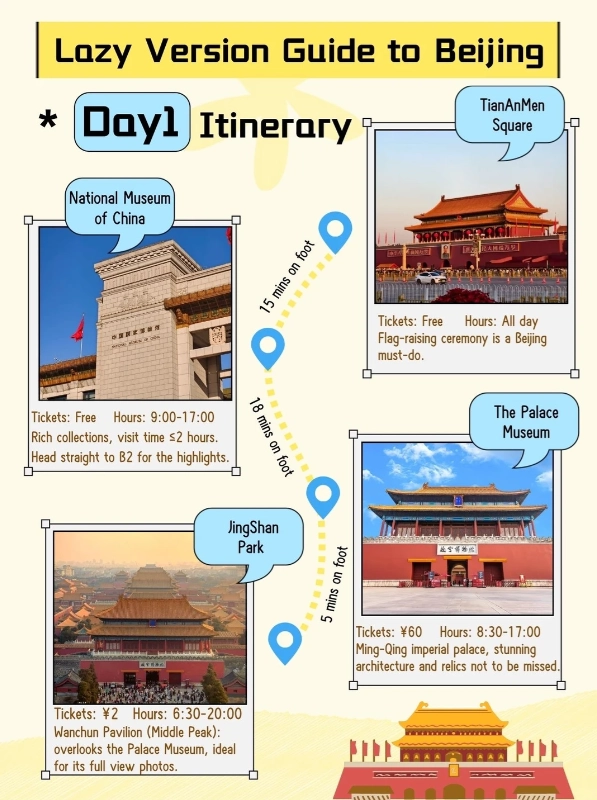
Your 4-Day Beijing Journey at a Glance
Day 1: Imperial Heart and Hutong Soul
Start at the very center. The Forbidden City (Palace Museum) is non-negotiable, but doing it right requires a strategy. Most guides tell you to enter through the main Tiananmen Gate. I suggest a quieter approach: enter through the East Glorious Gate (Donghuamen) after walking along the moat. The queues are shorter, and you get a more serene first impression.
Forbidden City Essentials
Address: 4 Jingshan Front St, Dongcheng District.
Ticket Price: Approximately 60 RMB for the standard entry (April-Oct). Tickets for the Clock and Treasure Halls cost extra.
Hours: 8:30 AM - 5:00 PM (last entry at 4:10 PM). Closed on Mondays.
Critical Tip: You MUST book tickets online in advance through the official Palace Museum website or their WeChat mini-program. They sell out days, sometimes weeks, ahead. No tickets are sold at the gate.
Spend the morning exploring the central axis halls. Don't try to see every corner—it's overwhelming. Focus on the Hall of Supreme Harmony, the Palace of Heavenly Purity, and the Imperial Garden. Afterwards, exit through the north gate and walk directly across the street to Jingshan Park. The climb to the top takes ten minutes and gives you the iconic postcard view looking south over the entire palace complex.
For the afternoon, dive into the hutongs north of the Forbidden City. Skip the overly touristy Nanluoguxiang. Instead, wander the grid of alleys around Yandai Xiejie (Tobacco Pipe Slant Street) and the surrounding area. You'll find local life unfolding—people playing chess, vendors selling *jianbing* (savory crepes), and traditional courtyard homes.
Dinner? Find a restaurant specializing in zhajiangmian (noodles with fried bean sauce). One reliable spot is 'Mr. Shi's Dumplings' in the Doujiao Hutong area—simple, delicious, and packed with locals.
Day 2: The Great Wall Without the Crowds
This is your big day. The most common mistake is going to Badaling. It's the closest, but also the most restored and crowded. For a more authentic and manageable experience, I always recommend Mutianyu.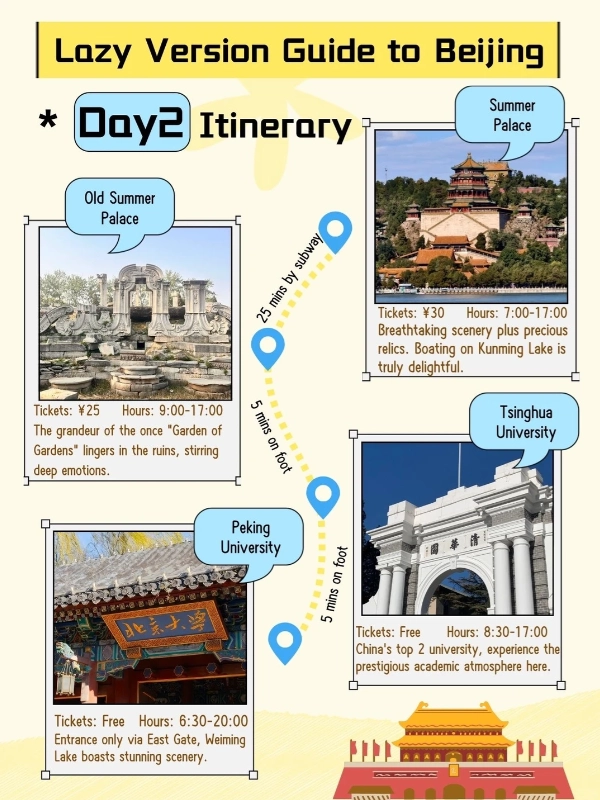
Why Mutianyu? It has stunning scenery, is well-restored for safety, offers a cable car or chairlift up (and a toboggan slide down!), and has significantly fewer tourists than Badaling. The views are just as magnificent.
Getting to Mutianyu Great Wall
You have three main options:
- Private Driver: Costs around 600-800 RMB for a round trip. It's the most flexible and comfortable, taking about 1.5 hours each way.
- Tourist Bus: Departs from Dongzhimen Transport Hub. Look for the express bus to Mutianyu. Cheaper, but less flexible on timing.
- Organized Tour: Many companies offer half-day tours including transport and entry. This can simplify logistics but often includes unwanted shopping stops.
My personal method is to hire a driver for the morning. Leave your hotel by 7:00 AM to beat the day-trip buses. Take the cable car up to Tower 14, then walk towards Tower 6 (this is a mostly downhill walk with incredible photo ops). From Tower 6, take the thrilling alpine toboggan slide down. It sounds touristy, but it's an absolute blast and saves your knees.
| Great Wall Section | Travel Time from City | Crowd Level | Best For |
|---|---|---|---|
| Mutianyu | ~1.5 hours | Medium | First-timers, families, great photos |
| Badaling | ~1.25 hours | Very High | Convenience (but not recommended) |
| Jinshanling | ~2.5 hours | Low | Hikers, photographers (part restored/part wild) |
You'll be back in the city by mid-afternoon. Use the evening to recover. Maybe catch a Kung Fu show at the Red Theatre or simply explore the Sanlitun area for international dining options if you need a break from Chinese food.
Day 3: Temples, Parks, and Peking Duck
Start at the Temple of Heaven. Arrive early, around 8:00 AM, and you'll share the park with locals practicing tai chi, dancing, and playing traditional instruments. It's a living cultural scene. The temple complex itself, where emperors prayed for good harvests, is architecturally sublime. The Hall of Prayer for Good Harvests is the unmistakable circular building you've seen in pictures.
Temple of Heaven Details
Address: 1 Tiantan E Rd, Dongcheng.
Ticket: A basic park entry is cheap (about 15 RMB), but you need the through ticket (around 35 RMB) to enter the key temple buildings.
Hours: Park opens at 6:00 AM, temple buildings from 8:00 AM.
Local Secret: The best people-watching and atmosphere is in the cypress tree groves, not just on the main axis.
From here, take a taxi to the Summer Palace in the northwest. It's a large lakeside retreat built by emperors to escape the city heat. Don't try to walk the whole thing. Focus on the Longevity Hill area, walk along the Long Corridor painted with scenes, and take a short boat ride on Kunming Lake (weather permitting). The view of the Marble Boat and the Seventeen-Arch Bridge is worth the trip.
Tonight is Peking Duck night. Forget the super-touristy places. Two excellent choices are:
- Siji Minfu (Xinyuanli Branch): A modern, reliable chain. The duck is consistently excellent, and they show you how to assemble the pancake. Expect a queue.
- Liqun Roast Duck: Located in a converted hutong courtyard. It's more rustic, harder to find, and the service is no-frills, but it has an authentic, decades-old charm. Book ahead.
Day 4: Ancient Alleyways and Departure
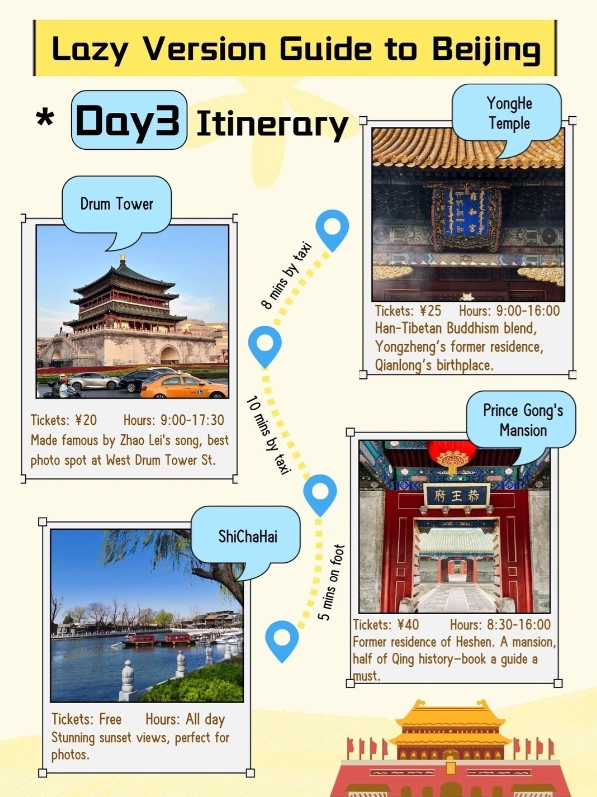
Use your final morning to explore a different side of the hutongs. Head to the Lama Temple (Yonghegong), a stunning and active Tibetan Buddhist monastery. The smell of sandalwood incense fills the air, and the 26-meter tall statue of Maitreya Buddha carved from a single sandalwood tree is awe-inspiring.
Right across the street is Confucius Temple and the Imperial College. It's peaceful, scholarly, and often overlooked. The stone tablets inscribed with the names of ancient scholars have a quiet dignity.
From here, wander through the Wudaoying Hutong. This is a more contemporary, trendy hutong compared to Yandai Xiejie, filled with boutique cafes, craft beer bars, and small design shops. It's a great place for a final coffee and souvenir shopping.
Depending on your flight or train time, have a late lunch nearby before heading to the airport. Capital Airport (PEK) is about 45-60 minutes by taxi from downtown. Daxing Airport (PKX) is much farther, at least 1.5 hours—plan accordingly.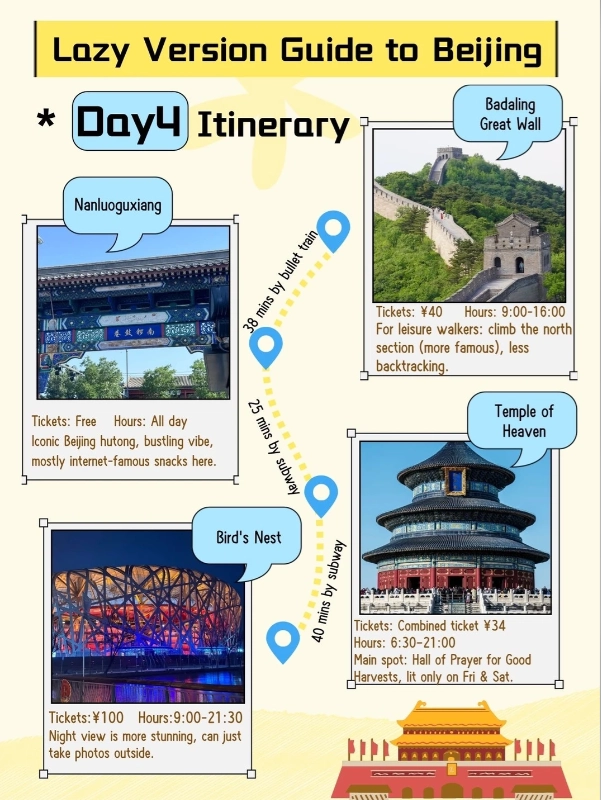
How to Navigate Beijing's Transport
The subway is your best friend. It's cheap, efficient, and signs are in English. Buy a Yikatong transit card at any major station (20 RMB deposit, plus充值). Tap in and out. It works on subways and most buses. For taxis, use Didi (China's Uber). The app has an English interface. Hailing a cab on the street can be tricky if you don't speak Mandarin.
A major pro-tip: Download Amap or Baidu Maps and use their offline maps function. Google Maps does not work reliably in China.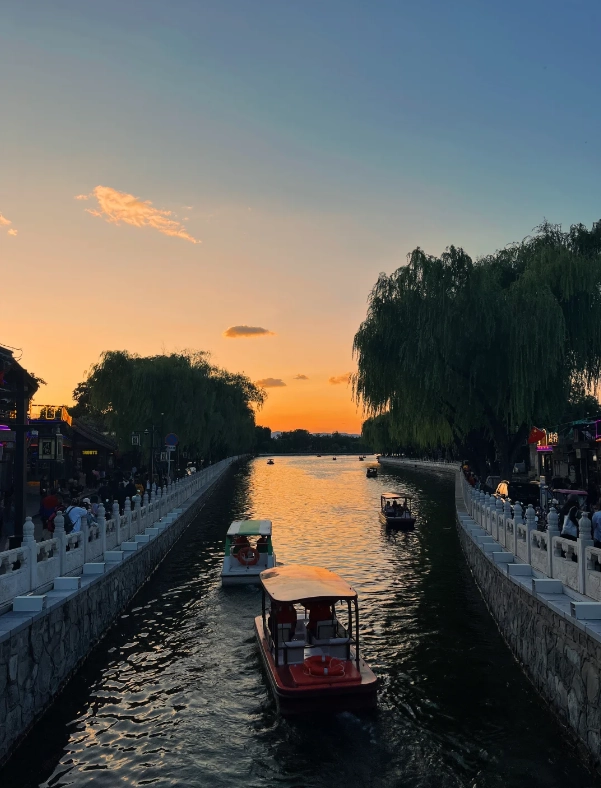
Where to Stay in Beijing
Location is everything. You want to be near a subway line on Line 2 (the loop line) or Line 1.
- Dongcheng District: My top recommendation. You're close to the Forbidden City, hutongs, and Wangfujing. Areas around Dengshikou or Dongsi subway stations are perfect. Look for hotels like The Orchid (boutique, in a hutong) or Novotel Beijing Peace.
- Chaoyang District (Sanlitun/Worker's Stadium): More modern, with vibrant nightlife and international dining. Great if you want more Western comforts. Further from the main historical sites, but well-connected by subway.
- Near Qianmen: Just south of Tiananmen Square. Very touristy and can feel a bit like a theme park, but undeniably convenient for early morning visits to the Square and Forbidden City.
Avoid staying near the airport or in the far western suburbs unless you have a specific reason. Your time is too precious to spend hours commuting.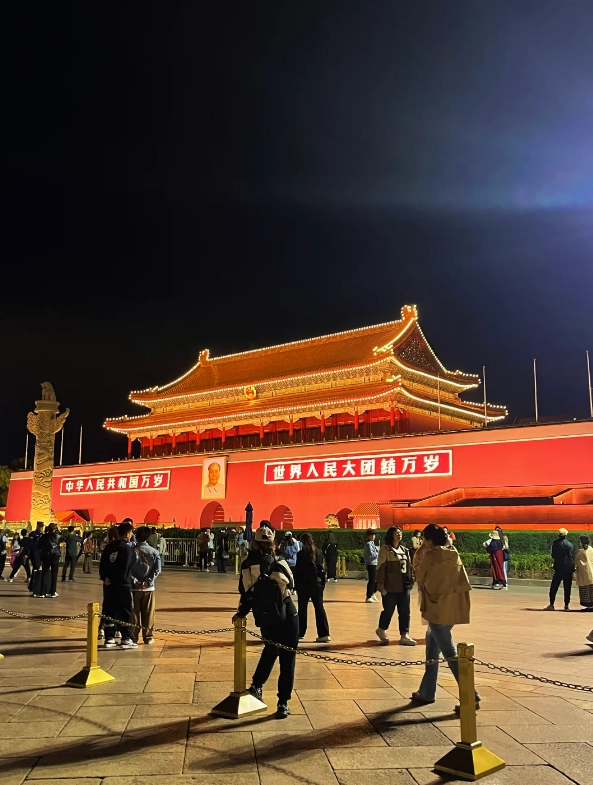
Your Beijing Itinerary Questions Answered
Is four days in Beijing enough to see everything?
What's the single biggest mistake people make when planning their Beijing itinerary?
 Should I get a Beijing transport card (Yikatong)?
What's a realistic daily budget for this 4-day Beijing itinerary, excluding flights and hotels?
Is it safe to walk around Beijing's hutongs at night?
This itinerary is based on personal, on-the-ground travel experience in Beijing. Information regarding ticketing and transport has been fact-checked against official sources for accuracy as of the time of writing. Always verify opening hours and booking procedures directly with official sites before your visit, as policies can change.





Honestly, this itinerary looks good on paper but is way too ambitious. I tried to follow it and by Day 3 I was completely burned out. The Great Wall day involves a 2-hour drive each way plus hours of hiking—doing that and then a Peking duck dinner sounds nice but left me exhausted. Also, the times listed don’t account for queues or just wanting to sit and enjoy the view. If you’re fit and fast, maybe it works, but for me it was a stressful race. Needs more rest breaks and realistic pacing.
Really useful for a first-timer like me! The itinerary is clear and easy to follow, and I liked how it grouped attractions by proximity. The only reason I’m giving 4 stars instead of 5 is that it lacked food recommendations beyond one dinner. I ended up eating at random places and missed out on some iconic street food spots. Also, no mention of the Lama Temple, which I would have loved to squeeze in. Otherwise, it got me through Beijing smoothly.
Good overall, but a couple of hiccups. The itinerary is solid and covers the big attractions efficiently. However, Day 2 (Forbidden City + Jingshan Park) felt too tight—we spent way more time at the Forbidden City than the 3 hours suggested, and Jingshan ended up being a rushed photo stop. Also, the recommended lunch spot near the Forbidden City was overpriced and mediocre. Still, it gave me a great starting point, just plan to adjust timings if you’re a slow explorer.
Smart planning indeed! I’m usually skeptical of pre-made itineraries, but this one was incredibly well thought out. The balance between historical sites and local experiences (like the hutong walk and Peking duck dinner) was perfect. I appreciated the specific metro line suggestions and the warning about the Summer Palace being huge—saved me from exhaustion. Felt like I had a local friend guiding me. Definitely a 5-star resource.
Absolutely loved this itinerary! As a first-timer in Beijing, I was overwhelmed by all the options online, but this 4-day plan saved me hours of research. It hit all the must-sees—Forbidden City, Great Wall, Temple of Heaven—without feeling rushed. The timing tips were spot on, especially the advice to book the Great Wall tour early to avoid crowds. I followed it to the letter and had the best trip. Highly recommend to anyone visiting for the first time!