 Hui Lin
Let's be honest. After hours of climbing the majestic Badaling Great Wall, your thoughts inevitably turn to one thing: food. You're hungry, maybe a bit weary, and the options staring back at you from the immediate vicinity are a confusing mix of overpriced tourist canteens, dubious snack stalls, and the occasional promising sign. I've spent considerable time exploring the dining scene around Badaling, both as a hungry tourist and later as someone seeking out the genuine local spots most visitors drive right past. The truth is, finding a great meal here requires a bit of strategy. This isn't a generic list; it's a field guide to navigating your hunger, from quick bites to proper sit-down feasts, while steering clear of the common pitfalls.
What's Inside This Guide
The Food Landscape Around Badaling Explained
The dining options radiate out from the wall in distinct zones. Right at the ticket gates and main parking lots, you're in "Instant Gratification Zone." This is where you'll find conveyor-belt restaurants serving generic Chinese fare, fast-food outlets, and stalls selling roasted corn, sausages, and instant noodles. The prices are inflated, and the quality is, frankly, forgettable. It serves a purpose if you're desperate, but it's not a destination.
Move about a 5 to 10-minute drive away, towards the nearby village of Badaling Town, and the scene changes. Here, you find family-run restaurants that cater to both tourists and local workers. The menus are more varied, the ingredients are fresher, and you start seeing regional specialties. This is the zone where your meal can go from mediocre to memorable.
A critical point most guides miss: many tour buses have pre-arranged lunch deals with specific large restaurants. These places often have vast dining halls and set menus. While convenient for groups, the food is typically mass-produced and bland. If you're on a tour but have some free time, it's almost always worth asking if you can skip the group meal and explore on your own, even if it's just for 45 minutes.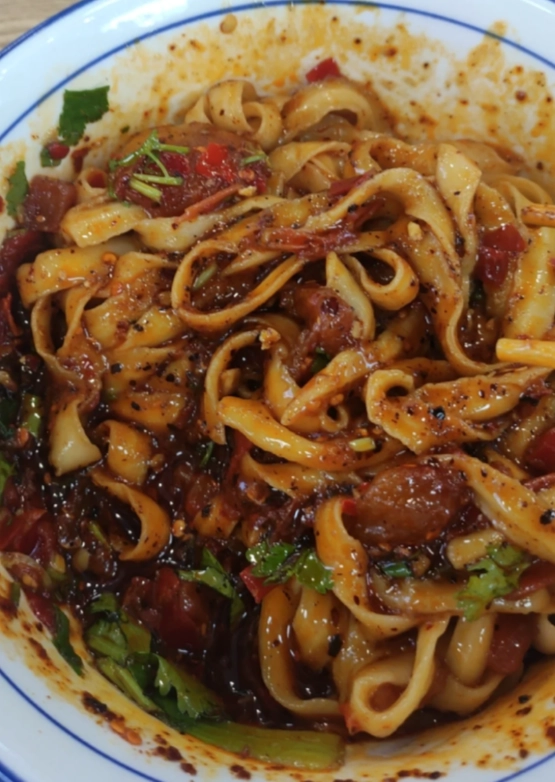
My Picks: Top Restaurants Near Badaling
Based on multiple visits and conversations with drivers and locals, these establishments consistently deliver a better-than-average experience. I'm excluding the huge, anonymous banquet halls. These are places where you can actually taste the food.
| Restaurant Name | What to Order & Vibe | Address / Location | Price Point & Notes |
|---|---|---|---|
| Xiangshui Lake Farmhouse | This is the real deal. A rustic farmhouse specializing in freshwater fish from their own pond, free-range chicken, and wild vegetables from the nearby hills. Their Steamed Mandarin Fish with Light Soy is a revelation—incredibly fresh. The setting is simple, plastic tablecloths and all, but the flavors are complex. | In Badaling Town, near Xiangshui Lake Scenic Area. Look for the blue sign with a fish logo. It's not on the main strip; you'll need to ask locals or input the Chinese name into a map app. | Mid-range. A hearty meal for two costs around $25-$40. They're open for lunch and dinner, but I recommend lunch as they run out of the best ingredients later. No English menu, but pointing at the tanks and pots works. |
| Great Wall Xiaoju Restaurant | A cleaner, more modern option compared to the farmhouses. They excel at Northern Chinese comfort food. Their Braised Pork Belly with Chestnuts is fall-apart tender and not overly sweet. Also try their handmade noodles. The service is surprisingly attentive. | On Yanqing District's G6 Auxiliary Road, about a 7-minute drive from the South Gate parking lot. It has a prominent red sign. | Mid-range. Popular with independent Chinese tourists, so it can get busy around 12:30 PM. They have a picture menu which is a huge help. |
| Badaling Guo's Noodle House | When you need something fast, hearty, and cheap. This no-frills spot serves hand-pulled noodles in various broths. The Beef Noodle Soup is a classic, with a rich, savory broth and chewy noodles. It's a single-storefront operation, often with a queue out the door during peak lunch hour. | A small shop on the main commercial street in Badaling Town, sandwiched between souvenir shops. | Budget. A huge bowl costs $4-$6. It's purely functional—you eat, you leave. Perfect for refueling before heading back to Beijing. Open from 10 AM until they sell out. |
One personal observation: I tried a highly-rated restaurant on a popular review platform that turned out to be a disappointment. The photos were glamorous, but the food was lukewarm and tasted pre-cooked. The lesson? In this area, sometimes the humbler the facade, the more care goes into the cooking.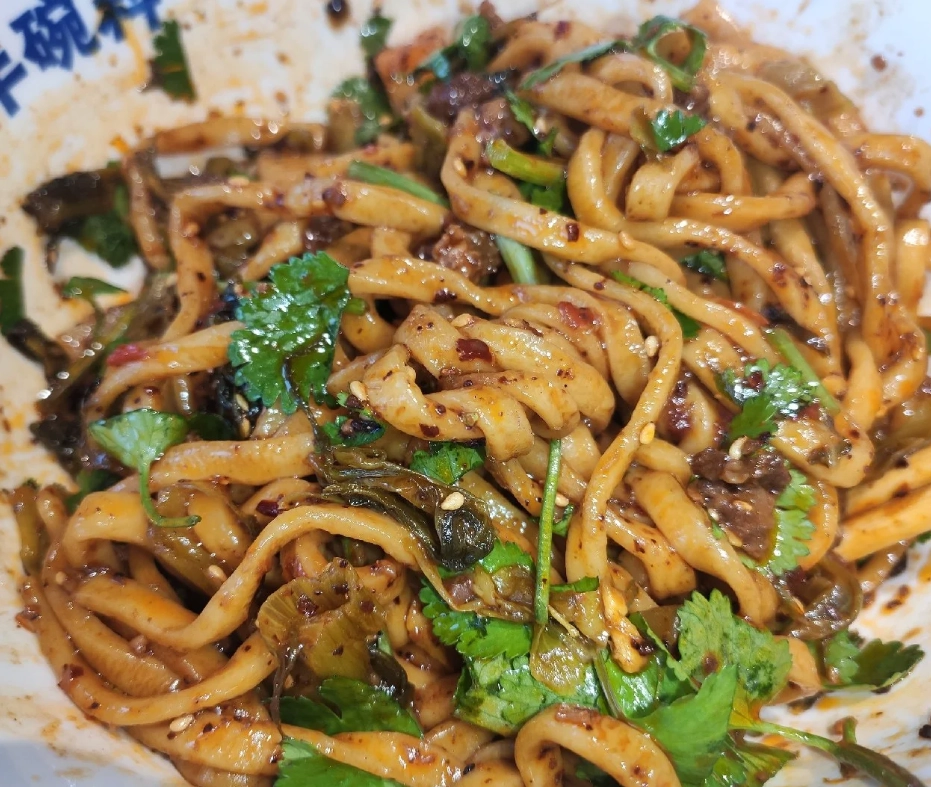
Street Food & Quick Bites Worth Trying
Not every meal needs to be a sit-down affair. Some of the most authentic flavors come from stalls.
Roasted Sweet Potato & Corn: Ubiquitous in the colder months. The sweet potatoes from the carts near the cable car station are often roasted in old oil drums, giving them a wonderfully smoky skin. Pick one that feels soft. A good, hot sweet potato can be a lifesaver on a chilly day.
Jianbing (Chinese Crepe): I found a stall run by an elderly couple on the outskirts of the main parking lot (Lot 3). Their jianbing is made to order on a griddle, crispy, slathered with a fermented bean paste that has a hint of spice, and wrapped around a crispy cracker. It's messy, delicious, and costs about $1.50. It beats a stale sandwich any day.
Dried Persimmons & Hawthorn Berries: Sold in bags by elderly vendors. These are local Yanqing specialties. The dried persimmons are coated in a natural white sugar powder and are intensely sweet and chewy. They make for a great energy boost or souvenir. Just don't eat too many at once.
How to Find Authentic Food Near Badaling
Forget wandering aimlessly. Here's your actionable strategy.
Use Local Apps, Not Just International Ones
While TripAdvisor has some listings, the real insights are on Chinese platforms. If you can, open Dianping (the Chinese equivalent of Yelp) on your phone. Even without an account, you can see photos and ratings. Look for restaurants with a high number of reviews from Chinese users (indicated by Chinese text comments). A score above 4.0 (out of 5) on Dianping is usually a reliable indicator of quality for the area.
The "Taxi Driver Test"
This is my favorite trick. When you get a taxi or Didi (Chinese Uber) after your visit, ask the driver: "师傅,这附近您自己平时去哪儿吃饭?" (Shīfu, zhè fùjìn nín zìjǐ píngshí qù nǎ'er chīfàn?) which means, "Driver, where do you usually eat around here yourself?" They almost never recommend the tourist traps and will point you to a simple, good-value spot. I've discovered two of my favorite local noodle shops this way.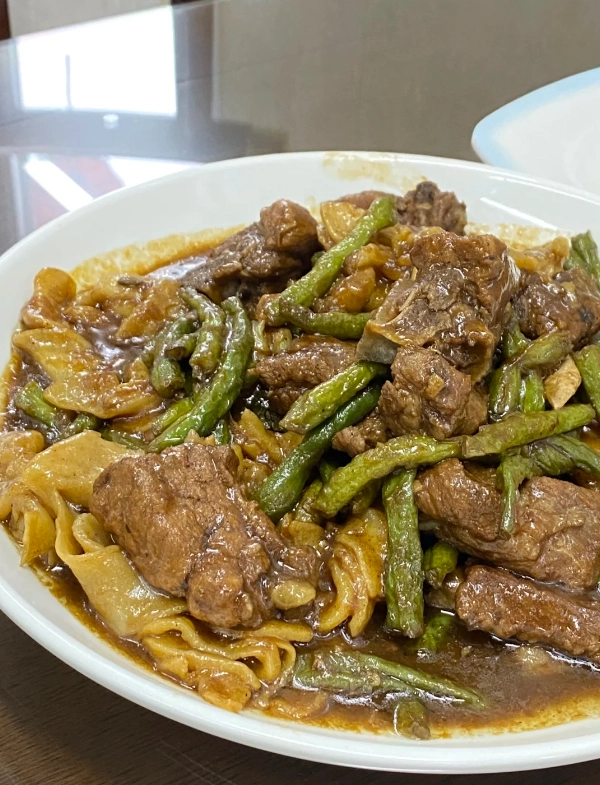
Look for These Visual Cues
- Full of locals: Especially workers in casual clothes or multi-generational families.
- Simple signage: Often just a red banner with the restaurant's name in Chinese.
- Visible kitchens: Or tanks with live fish and seafood.
- Avoid places with touts outside aggressively pulling people in. Good restaurants don't need to do that.
Practical Tips for Dining at Badaling
Timing is everything. The absolute worst time to look for a table is between 12:30 and 1:30 PM, when every tour bus empties. Aim to eat early (before 11:45 AM) or late (after 2:00 PM). Your patience will be rewarded with quicker service and a quieter atmosphere.
Carry cash. While mobile payments (WeChat Pay, Alipay) are ubiquitous, some of the smaller, older stalls and farmhouses still prefer cash, or their QR code scanner might be offline in the mountains. Having a mix of small bills is prudent.
Manage your water intake. Restroom facilities at the Wall itself are adequate, but options become sparse once you leave the immediate scenic area. Use the facilities before you descend to look for food.
Finally, adjust your expectations. You are not in downtown Beijing. The culinary scene here is defined by hearty, rustic, Northern Chinese cooking. Embrace it. Order the stews, the braises, the hand-pulled noodles. That's where the magic is.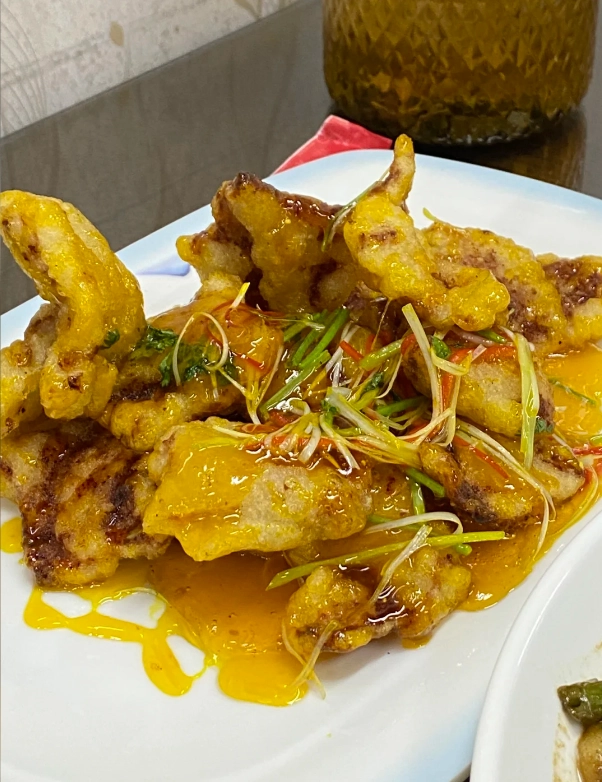
Your Badaling Food Questions Answered
 I have dietary restrictions (vegetarian/gluten-free). Can I find options?
The food around the Badaling Great Wall doesn't have to be a letdown. With a little insight and a willingness to venture just beyond the obvious, you can turn a simple meal into a memorable part of your visit. Skip the sterile canteens, follow the locals, and your stomach will thank you.
This guide is based on personal, repeated visits and consultations with local residents. Details like specific stall locations and menu items are subject to change.





Found a hidden gem—a tiny bakery tucked behind the main tourist street. They sold fresh egg tarts and hot soy milk for only 10 yuan. The lady running it didn't speak English but smiled and gave us extra napkins. Best snack break of the entire Beijing trip. A perfect 5 for authenticity and value.
Stopped at a food stall near the cable car station that sold skewers. The lamb was burnt on the outside and cold on the inside. They also charged us extra for the 'spicy sauce' without telling us first. Felt totally ripped off. Only giving 3 stars because the grilled corn from the same vendor was actually decent.
Highly recommend the family-run place called 'Great Wall Mama' about 200m from the bus drop-off. They had a fixed price lunch with both Western and local options. My kid loved the kung pao chicken, and I appreciated that they gave us free water refills. The owner called a taxi for us afterwards. 5 stars for pure hospitality.
Went to one of those restaurants opposite the parking lot. Staff were pushy, and the only menu they showed us in English was overpriced. The dumplings were clearly pre-frozen and the tea tasted like dishwater. Not horrible, but definitely not worth what they charged. 3 stars, because the view from our table was nice.
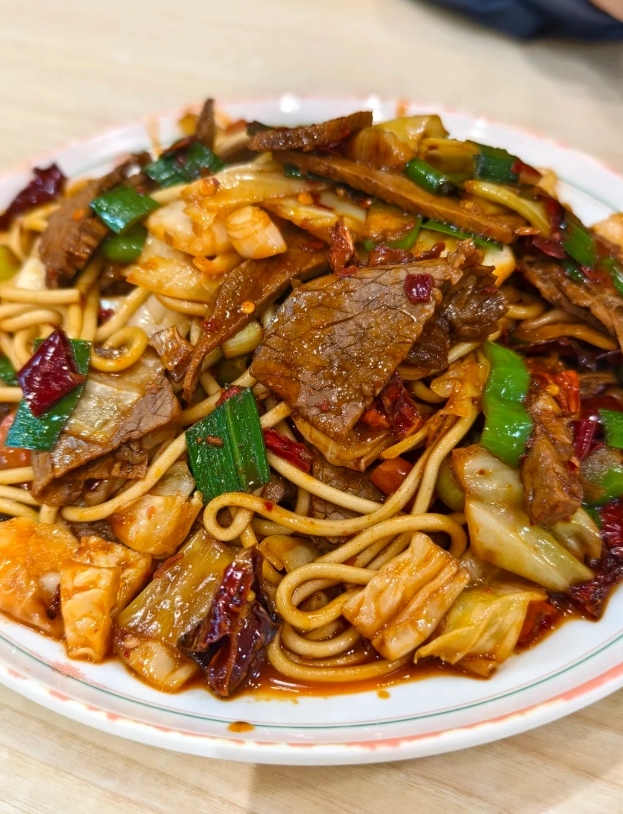
We grabbed lunch at a small noodle shop just outside the south ticket entrance. The hand-pulled noodles were shockingly fresh and the broth was rich. The owner even came out to warn us about the 'tourist combo meal' scams nearby—felt like a local insider tip. A solid 5 for honest food and service.