 Hui Lin
Let's be honest. The main reason you're hiking the eight temples of Badachu is for the views, the history, the serene atmosphere. But halfway up, when your legs start complaining and the Beijing sun beats down, one thought takes over: food. What can you eat here? Is it just overpriced tourist snacks? Are there any decent restaurants nearby after the hike? I've lost count of my visits to Badachu Scenic Park, and each time I've made a point to try something new—from the simple temple stalls to the bustling restaurants just outside the south gate. This isn't a generic list; it's a breakdown of exactly where to find satisfying Badachu Scenic Park food, what's worth your money, and how to plan your day around it.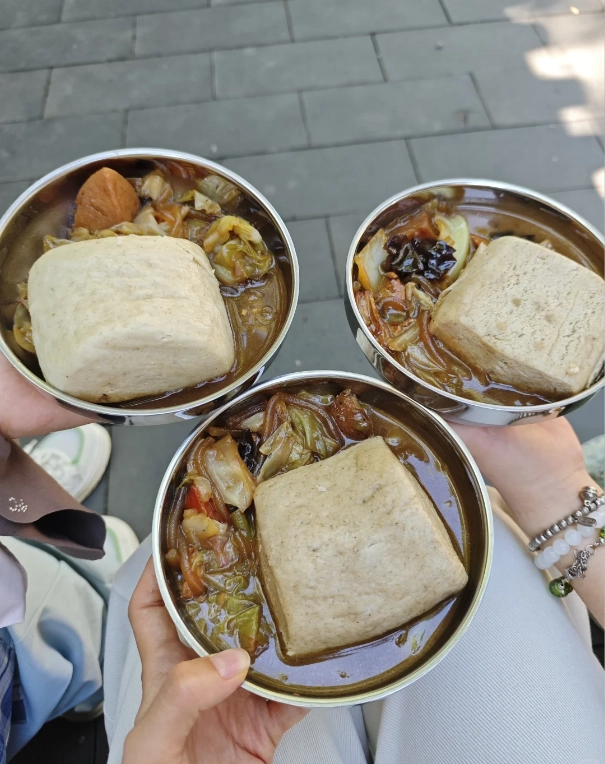
Your Food-First Guide to Badachu
What Food Is Actually Inside Badachu Park?
First, adjust your expectations. You won't find a full-service restaurant with a wine list on the mountain trails. The food inside Badachu Scenic Park is functional, local, and deeply tied to its temple surroundings. It falls into two clear categories: temple vegetarian cuisine and casual hiking snacks.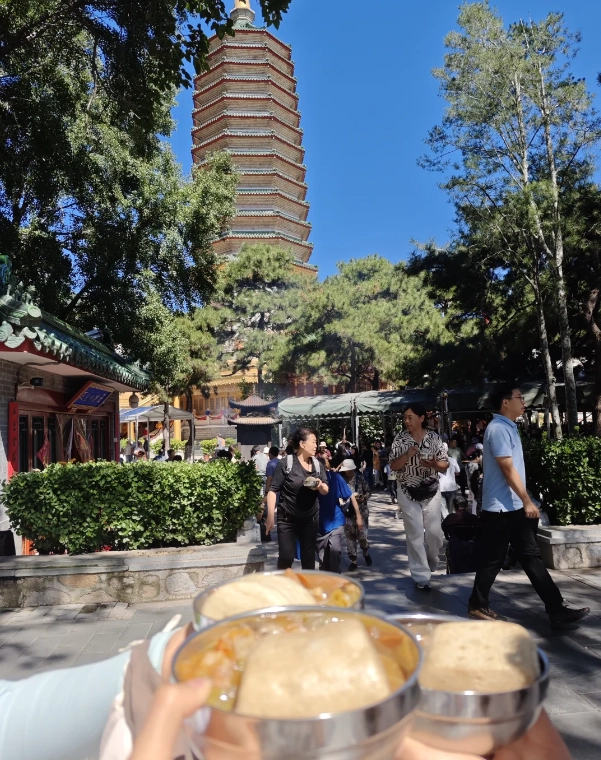
Temple Vegetarian Meals (Zhai Cai)
The most authentic culinary experience here is the vegetarian meal offered at some of the active temples. The one I've returned to is at the Lingguang Temple, one of the most significant temples in the complex. They serve a simple, set vegetarian lunch in a quiet hall behind the main pagoda. It's not advertised with flashy signs—you have to ask. The meal typically consists of rice, two or three vegetable stir-fries (like bok choy with mushrooms or braised tofu), and a clear soup. The flavors are mild, focusing on freshness rather than spice. It costs around 30-40 RMB per person. Eating here feels like part of the visit, a moment of quiet reflection. Portions are modest, perfect for a light refuel.
A common mistake first-timers make is expecting elaborate mock meat dishes common in city vegetarian restaurants. Up here, it's simpler, earthier fare.
Snack Stalls & Kiosks
Scattered along the main paths and near temple entrances, you'll find small stalls. Their inventory is predictable but hits the spot. Here’s what you'll reliably find:
- Instant Noodles & Hot Water: The classic hiker's standby. A cup noodle costs about 10-15 RMB, and they'll provide boiling water.
- Grilled Sausages and Corn: Smelled long before they're seen. The corn (8-10 RMB) is usually sweet and filling.
- Baozi (Steamed Buns): Often vegetarian fillings like chives and egg or cabbage. Grab a couple for 5 RMB each.
- Bottled Water, Tea, & Sodas: Prices are marked up, but not outrageously. A bottle of water is 5-6 RMB (vs. 2 RMB outside).
- Local Snacks: Some stalls sell dried fruit, hawthorn berries (bingtanghulu), or packaged biscuits.
Top Restaurants Near Badachu Scenic Park Gates
This is where your real meal happens. The area outside the park, especially near the South and North gates, has developed a strip of restaurants catering to hungry visitors. I've tried most of them. Here are the ones that deliver consistent quality and value.
| Restaurant Name / Type | Address / Proximity | What to Order & Price Point | Why It's Worth It |
|---|---|---|---|
| Laobei Jingwei Restaurant (老北京味儿) Beijing Cuisine |
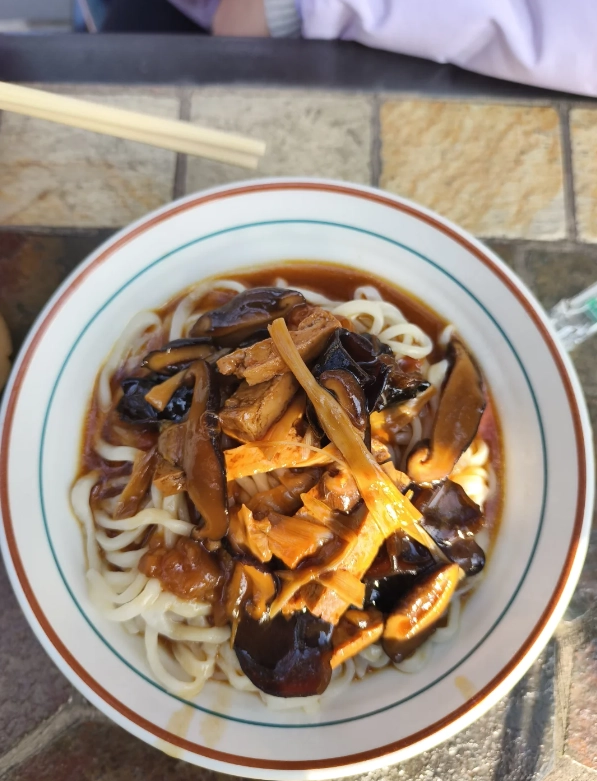
Just south of the main South Gate, about a 3-minute walk. Look for the traditional facade. | Zhajiangmian (noodles with fried sauce) – 25 RMB Peking Dumplings (Jiaozi) – 30 RMB/plate Stir-fried seasonal greens – 28 RMB |
This place feels legit. The zhajiangmian is hearty, the sauce rich with minced pork and soybean paste. It's the perfect, filling carb-load after a hike. The service is no-nonsense and fast. |
| Xiangshang Hot Pot (香上火锅) Sichuan Hot Pot |
On the main road east of the North Gate, approx. 8-minute walk. | Set menu for 2-3 people – 180-250 RMB Features a split pot (Yuan Yang Guo) with spicy and mild broth. |
If you've worked up a serious sweat hiking, diving into a spicy Sichuan hot pot is a fantastic reward. The broth has a genuine kick, and the meat/veg platter is fresh. Great for a group. |
| Baiwei Snack Hall (百味小吃城) Food Hall / Variety |
Inside the commercial complex adjacent to the South Gate parking lot. | Multiple counters: Roujiamo (10 RMB), Liangpi (cold skin noodles, 12 RMB), Skewers, Bubble Tea. | This is your best bet for quick, diverse, and cheap bites. Everyone can get what they want. The roujiamo here is surprisingly good—crispy bread, tender braised meat. It's chaotic but efficient. |
| Starbucks Cafe / Light Bites |
Inside the same South Gate commercial complex. | Standard Starbucks menu. A latte is about 35 RMB. | I'm including this for the comfort factor. Need reliable Wi-Fi, a clean bathroom, or just a familiar iced coffee before heading into the park? It serves its purpose. |
A note on ambiance: Don't expect fine dining. These are functional, often bustling local eateries. The tables might be sticky, the noise level high. That's part of the post-hike charm. For official information on the park's location and access, you can refer to the Beijing Tourism website.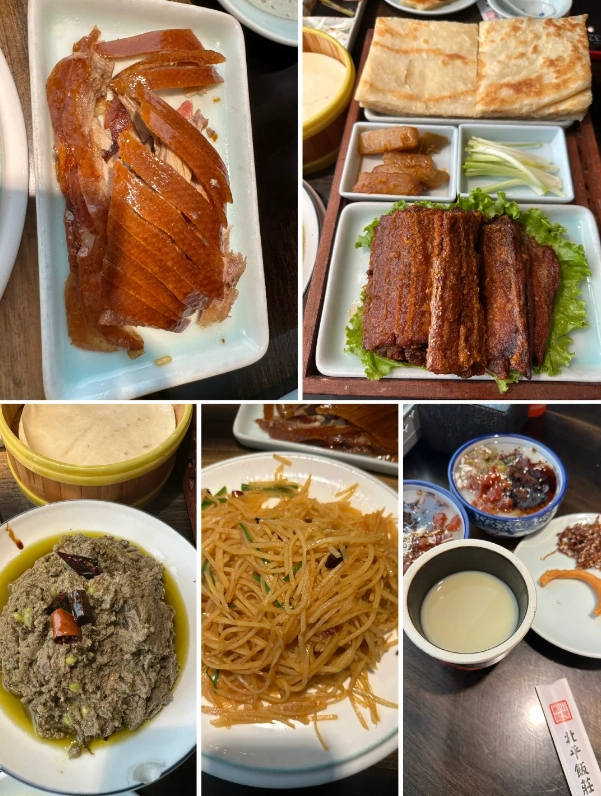
How to Plan Your Food-Focused Visit
Based on my repeated missteps and successes, here’s a blueprint for a day where food enhances the Badachu experience, rather than being an afterthought.
Strategy 1: The Light Hiker (Focus on a Post-Hike Feast)
Eat a solid breakfast before you go. Pack a couple of energy bars and a piece of fruit. Inside the park, just buy water. Enjoy the hike, then head straight to Laobei Jingwei or Xiangshang Hot Pot for a substantial, rewarding lunch. You'll appreciate the meal infinitely more.
Strategy 2: The All-Day Explorer (Graze Along the Way)
Start with a baozi from a park stall mid-morning. Plan to reach Lingguang Temple around noon for the vegetarian set meal. It’s a peaceful break. Later, a grilled corn or sausage can keep you going. Finish at the Baiwei Snack Hall for a final, casual bite before heading home.
Budgeting: If you stick to snacks and water inside the park, budget 50-80 RMB per person. Adding a temple meal pushes it to 80-120 RMB. A full restaurant meal outside starts around 60 RMB per person and can go to 120+ for hot pot.
Timing is Everything: Restaurants outside get packed between 12:30-1:30 PM as the first wave of hikers descends. Either aim to eat before 12 or after 1:45 to avoid the rush. The temple vegetarian lunch is usually served from 11 AM to 1 PM.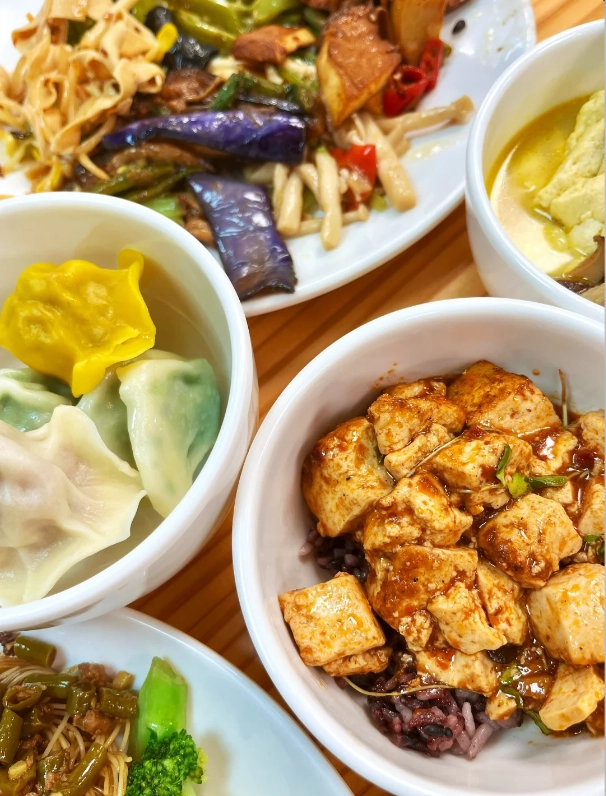
Your Badachu Food Questions, Answered
Is the food inside Badachu Scenic Park vegetarian?
Not exclusively. While the dedicated temple meals are strictly vegetarian (no meat, garlic, or onion), the public snack stalls sell meat items like sausages and meat-filled buns. If you're seeking a purely vegetarian experience, stick to the temple dining halls and explicitly ask for "zhaicai."
Can I bring my own food and have a picnic in the park?
Absolutely, and I often do. There are plenty of stone benches, quiet clearings, and shaded areas perfect for a picnic. It's the most budget-friendly and personalized option. Just remember to carry out all your trash—there aren't many bins on the trails themselves.
What's the one food item I shouldn't miss near Badachu?
For a truly local, post-hike experience, it's the Zhajiangmian at Laobei Jingwei Restaurant. It's a Beijing staple done right—savory, messy, and deeply satisfying. It feels like a proper meal earned after climbing to all those temples.
 Are there any Western food options nearby?
Options are very limited. Beyond the standard pastries and sandwiches at Starbucks, you won't find pizza parlors or burger joints in the immediate vicinity. The food scene here is overwhelmingly local Chinese cuisine, which is part of its appeal.
I have dietary restrictions (gluten-free, vegan). What are my options?
This is challenging. Communication can be difficult, and cross-contamination is likely. Your safest bet is the temple vegetarian meal, but you must confirm ingredients (they use soy sauce, which contains wheat). For strict requirements, bringing your own dedicated snacks is highly recommended to avoid any issues.
So there you have it. The food at Badachu Scenic Park isn't a gourmet destination, but it's an integral part of the day. Whether it's the humble temple lunch, a steaming bowl of noodles after the descent, or a simple corn cob enjoyed with a view, it's all about fueling the experience. Plan a little, manage your expectations, and you'll eat just fine.
This guide is based on multiple personal visits and firsthand tasting. Details like prices and stall locations were verified during my most recent trip.





After hiking up to the Seventh Temple I was starving. The little pancake stall near the parking lot saved me – they make fresh jianbing with crispy fried wonton skins inside. It was huge and filling for 15 yuan. The lady working there was super efficient and even customized it with extra chili sauce for me. Perfect fuel for the hike back down. Definitely worth the money and the walk!
Stopped at the 'Mountain View Restaurant' inside the park for lunch. We ordered mapo tofu and fried rice. The tofu had a nice authentic Sichuan kick, but the portion was small for the price (48 yuan). Service was slow because it was packed, and the tables were sticky. Not terrible, but I expected more given the location. Fair for a one-time visit, but I'd probably just bring my own snacks next time.
The grilled skewers just outside the south gate were decent – lamb and chicken with cumin and chili. Flavor was on point, but the meat was a bit overcooked and dry. Still, the smoky aroma and the lively street vendor vibe made it enjoyable. I'd give it a solid 4 stars; great for a quick snack but not the best skewers I've had in Beijing.
I tried the vegetarian dumplings at the temple cafeteria near the Sixth Temple – absolute gem! They use mountain greens and mushrooms, so fresh and fragrant. Also had a bowl of osmanthus lotus root soup which was perfectly sweetened. The staff were super friendly, even gave us free tea while we waited. The whole experience felt so authentic and peaceful. If you're visiting the temples, don't miss this little food spot. 10/10!
We grabbed a quick lunch at the small noodle stall inside the park, right near the cable car exit. The beef noodle soup was surprisingly good – rich broth, tender meat, and hand-pulled noodles with just the right chew. Prices were reasonable too, about 25 yuan for a big bowl. The only downside was the limited seating; we ended up eating standing by a tree, but honestly the fresh air made it better. Highly recommend for a budget-friendly and tasty pit stop!