 Lei Li
I remember my first bowl of what was labeled "Beijing Zhajiang Noodles" in a touristy area. It was... fine. Salty brown sauce over limp noodles with a few cucumber shreds. It didn't blow my mind. Then a local friend dragged me to a decades-old joint in a hutong alleyway. That first bite was a revelation—a complex, savory, slightly sweet umami bomb with a texture that danced between creamy and chunky. The noodles had a firm, springy chew. The fresh vegetable added a crucial crispness. I realized I hadn't been eating Beijing Zhajiang Noodles before; I'd been eating a pale imitation.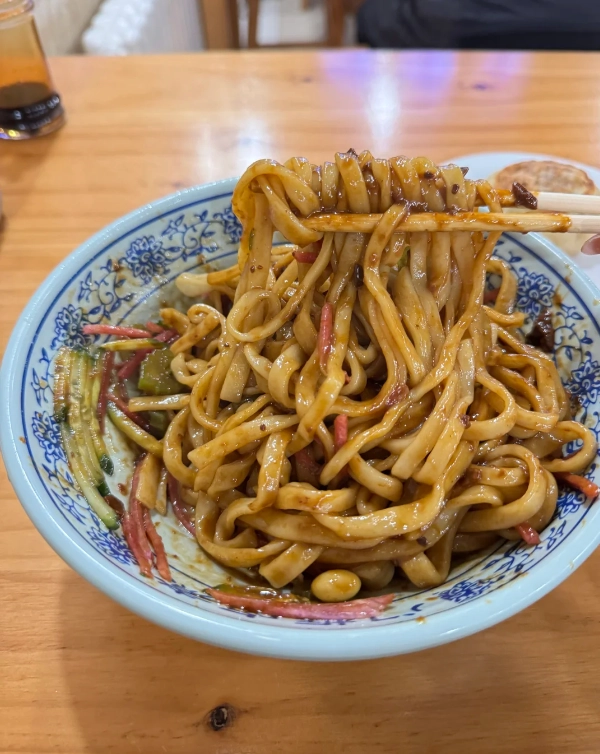
This dish is a cornerstone of Beijing's culinary identity, a humble yet profound meal that families eat weekly. Getting it right matters. This guide is for anyone who wants to skip the tourist traps and understand what makes the real thing so special, where to find it, and how to enjoy it like a Beijinger.
What's Inside This Guide
- What Exactly Are Beijing Zhajiang Noodles?
- The Three Pillars of a Perfect Bowl
- Where to Eat: The Best Beijing Zhajiang Noodles Restaurants
- How to Order and Eat Like a Local
- Common Mistakes (And How to Spot a Bad Bowl)
- Can You Make It at Home? A Realistic Approach
- Your Beijing Zhajiang Noodles Questions Answered
What Exactly Are Beijing Zhajiang Noodles?
At its core, Beijing Zhajiang Noodles is a dish of hand-pulled or hand-cut wheat noodles topped with "炸酱" (zhajiang)—a sauce made by slowly frying minced or diced pork belly (usually fatty and lean) in oil until crisp, then simmering it with fermented soybean paste (黄酱, huangjiang). This sauce is then served alongside a variety of fresh, raw or lightly blanched vegetable toppings called "菜码" (caima). You mix it all together at the table.
The magic is in the balance. The rich, salty, umami-heavy sauce needs the fresh crunch and mild sweetness of the vegetables to cut through it. The noodles provide the satisfying, neutral base. It's a DIY meal that engages all your senses.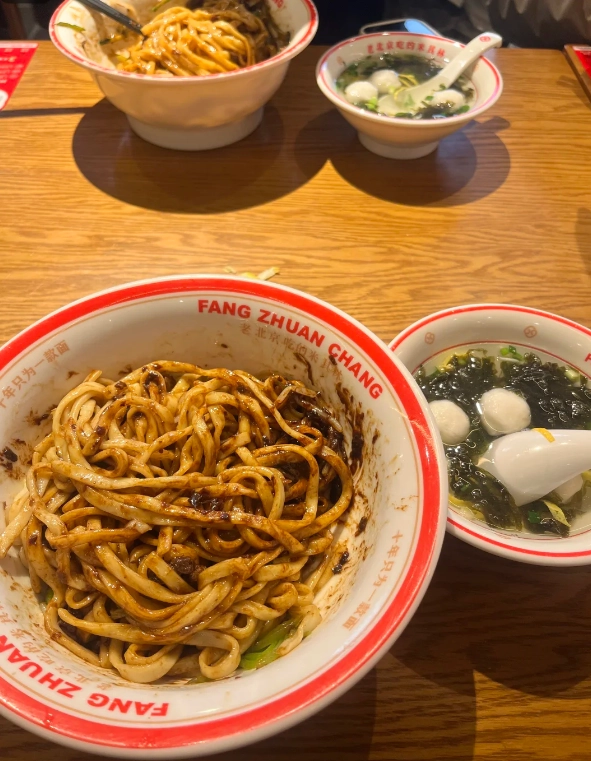
A quick note on names: You might see "Old Beijing Zhajiang Noodles" (老北京炸酱面) on menus. This usually signifies a more traditional preparation, often with a wider array of vegetable toppings and a sauce made with specific, time-honored methods. It's a good sign to look for.
The Three Pillars of a Perfect Bowl
1. The Sauce (炸酱 Zhajiang)
This is the soul of the dish. The quality of the soybean paste (huangjiang) is non-negotiable. Good restaurants often use a blend of pastes, sometimes adding a bit of sweeter fermented wheat paste (甜面酱, tianmianjiang) for depth. The pork should be fried until the fat renders and the pieces become little crispy, caramelized nuggets, not boiled grey bits floating in oil. The frying process "炸" (zha) is what gives the dish its name. I've found the best sauces have a deep, reddish-brown color, a visible separation of oil and paste, and a complex aroma that's savory, fermented, and slightly sweet—never just one-note salty.
2. The Noodles (面条 Miàntiáo)
Forget soft, pre-boiled noodles. Authentic places use thick, hand-pulled or hand-cut wheat noodles that are cooked to order. They have a distinctive chewiness (筋道, jindao). When you bite, they should offer a slight resistance. This texture is essential for standing up to the thick sauce. In many restaurants, you can hear the cooks slapping and pulling the dough in the kitchen—a surefire sign of quality.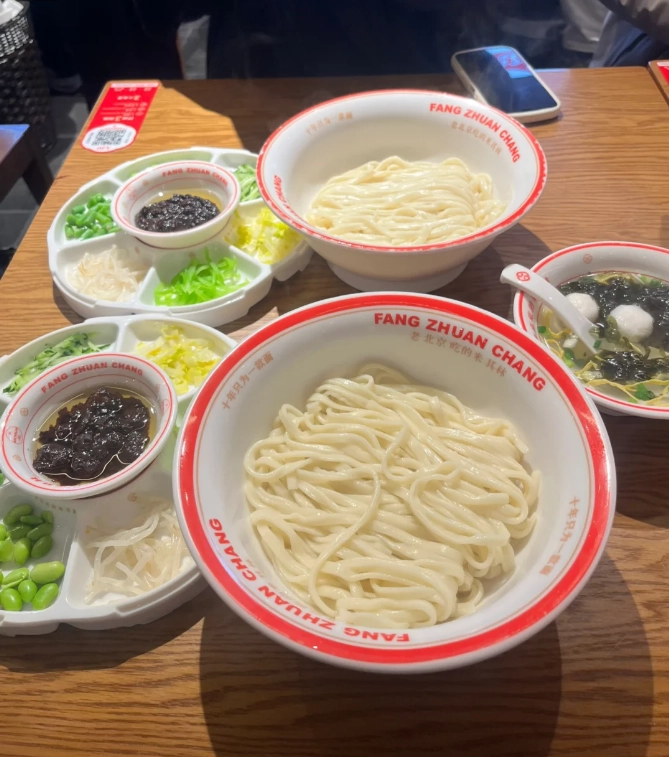
3. The Vegetable Toppings (菜码 Càimǎ)
This is where many simplified versions fail. A proper setup includes at least 4-6 different vegetables. Common ones are: shredded cucumber, bean sprouts (blanched), shredded Chinese radish (sometimes pickled), soybean or fava beans (blanched), and slivered celery. They are served in separate little dishes or arranged neatly on a platter. Their purpose is textual contrast and freshness. Don't just dump them in; add them gradually as you eat to maintain their crispness.
Where to Eat: The Best Beijing Zhajiang Noodles Restaurants
Based on my own tastings and conversations with local foodies, here are places that get it right. Prices are for a standard bowl, and remember, these are often casual, no-frills spots where the food does the talking.
| Restaurant Name | Address / Area | What Makes It Special | Price Range (Bowl) | Good to Know |
|---|---|---|---|---|
| Fangzhuanchang Old Beijing Zhajiang Noodles | No. 29, Dongsi South Street, Dongcheng District | An institution. Their sauce is legendary—deep, complex, with perfectly crispy pork dices. They use a traditional coal-fired stove for the sauce, which some purists swear by. | ¥35 - ¥45 | Expect queues, especially at lunch. No fancy decor, just great noodles. Open 10:30 AM - 9:00 PM. |
| Haizhifang | Multiple branches, original in Xicheng | Consistently good across branches. Their "Old Beijing" version comes with a very generous array of 6-8 vegetable toppings. The sauce is on the slightly sweeter side, which many prefer. | ¥30 - ¥40 | A reliable, clean, and accessible choice for first-timers. Portions are large. Hours vary by branch but generally 10:00 AM - 10:00 PM. |
| Noodle King (Da Wan Zhai) | In the hutongs around Nanluoguxiang | A tiny, family-run spot hard to find without a map. The auntie makes the sauce daily in a small wok. It's less oily than others, focusing on the pure soybean paste flavor. The noodles are exceptionally springy. | ¥25 - ¥30 | Cash only. It feels like eating in someone's home. Open irregularly, best for late lunch (1-3 PM). |
| Xian Lao Man | Various locations, popular in Chaoyang | While known for dumplings, their Zhajiang Noodles are a sleeper hit. The pork is diced smaller, almost minced, creating a saucier, more integrated texture that coats the noodles beautifully. | ¥28 - ¥35 | A great option if you're dining with a group wanting dumplings and other dishes. Lively atmosphere. Open 11:00 AM - 10:30 PM. |
For an immersive experience, explore the Dashilan commercial street area. Several old-school restaurants there serve credible versions, and you can feel the historical atmosphere. The Beijing Tourism website has useful guides to navigating this area.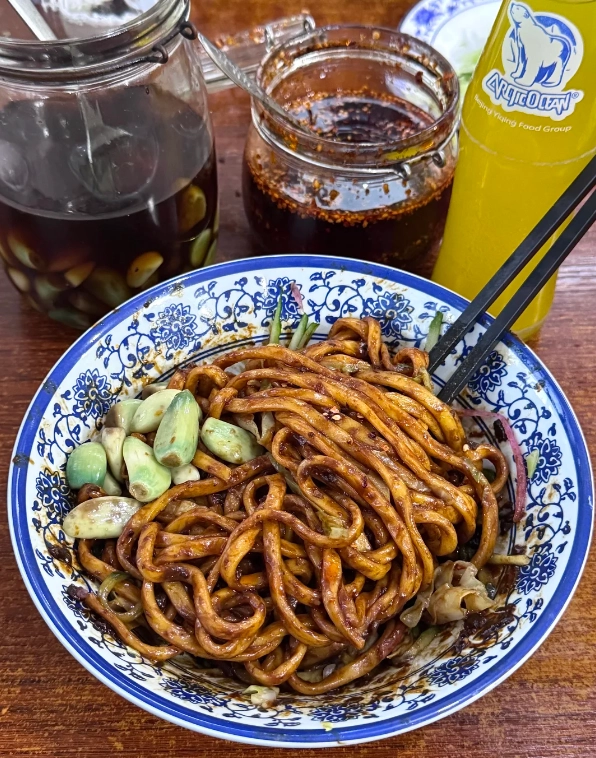
How to Order and Eat Like a Local
Walk into one of the places above, and here's what to do.
First, you'll usually order just the noodle set. Sometimes there's a choice between "regular" and "old Beijing" style—go for the old Beijing. It might cost a few yuan more but includes more vegetable toppings.
When the bowl arrives, you'll get the noodles, a bowl of sauce, and several small plates of vegetables. Don't pour all the sauce on at once. Start with about two-thirds. Mix it thoroughly, ensuring every strand is coated. Taste. Add more sauce if needed—the saltiness can vary.
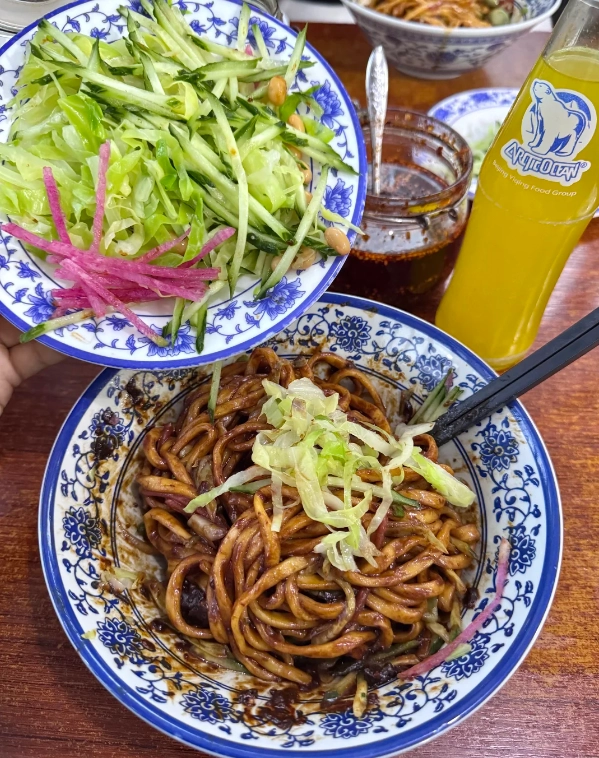
Now, add your vegetables. I like to add half of them, mix again, and then sprinkle the rest on top for a final fresh crunch. Some locals add a dash of black vinegar or a spoonful of raw garlic paste (if provided) to cut the richness. Try it.
Eat it while it's hot. The noodles can clump as they cool.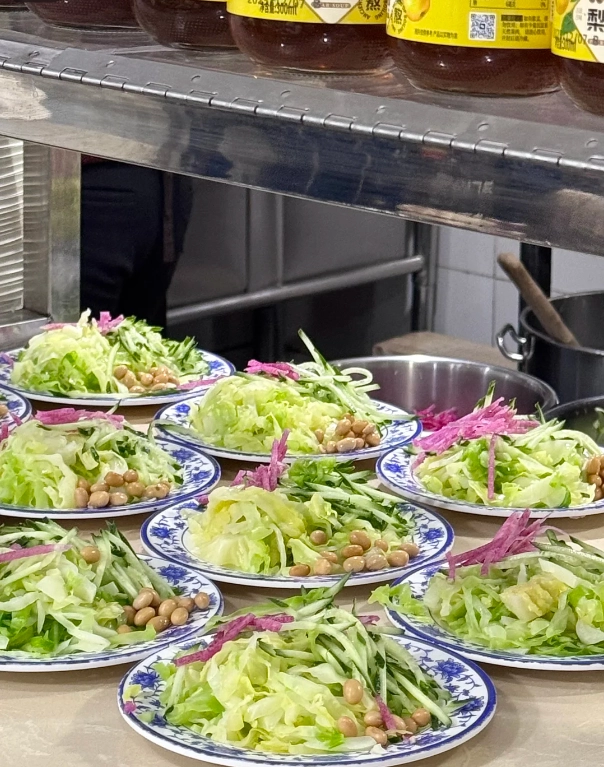
Common Mistakes (And How to Spot a Bad Bowl)
After eating dozens of bowls, here are the red flags that tell you you're not getting the real deal.
Watery or Gluey Sauce: The sauce should be thick enough to cling to the noodles, not pool at the bottom of the bowl. If it looks like a thin, uniform brown gravy, it's likely been diluted or made with inferior paste.
Mushy Pork: The pork in the sauce should have texture. If it's disintegrated into mush, it hasn't been fried properly. You want little bits you can actually chew on.
Only One or Two Toppings: If your bowl comes with just cucumber and maybe bean sprouts, it's a simplified, possibly mass-produced version. The vegetable medley is a hallmark of authenticity.
Pre-mixed Bowls: If the restaurant serves it already mixed together, be wary. Part of the experience is customizing the ratio to your taste. Pre-mixing often leads to soggy vegetables.
Overly Sweet Sauce: A hint of sweetness is fine, but if it tastes like hoisin sauce, it's catering to a non-local palate. The dominant note should be fermented bean, not sugar.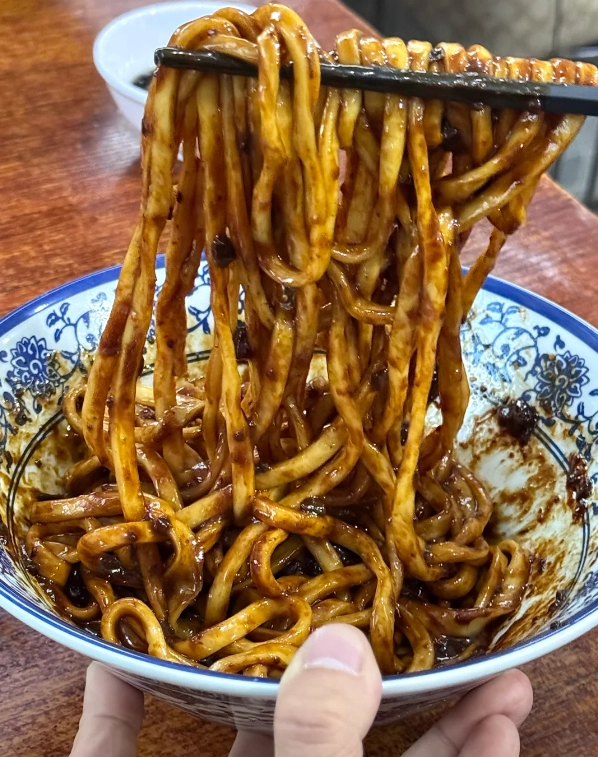
Can You Make It at Home? A Realistic Approach
You can get close, but replicating the exact taste of a decades-old restaurant is tough. Their soybean paste is often aged or blended in ways hard to replicate. However, making a very satisfying version is possible.
The key is sourcing 黄酱 (huangjiang). Look for it in Asian grocery stores or online. The brand "六必居" (Liu Bi Ju) is a classic, centuries-old Beijing brand. You'll also need some 甜面酱 (tianmianjiang).
My method: Use a 3:1 ratio of huangjiang to tianmianjiang. Fry diced pork belly (with plenty of fat) in more oil than you think you need until golden and crispy. Remove the pork, fry the blended pastes in the same oil on low heat for a good 10-15 minutes. This "炸" step is crucial—it cooks out the raw fermented flavor and deepens the color. Add back the pork, a little sugar, and water, and simmer until it re-thickens. The sauce should have a visible layer of oil on top when done—that's normal and carries flavor.
For noodles, fresh, thick wheat noodles from an Asian market are your best bet. For vegetables, prep at least 3-4 kinds. It's a project, but a rewarding one.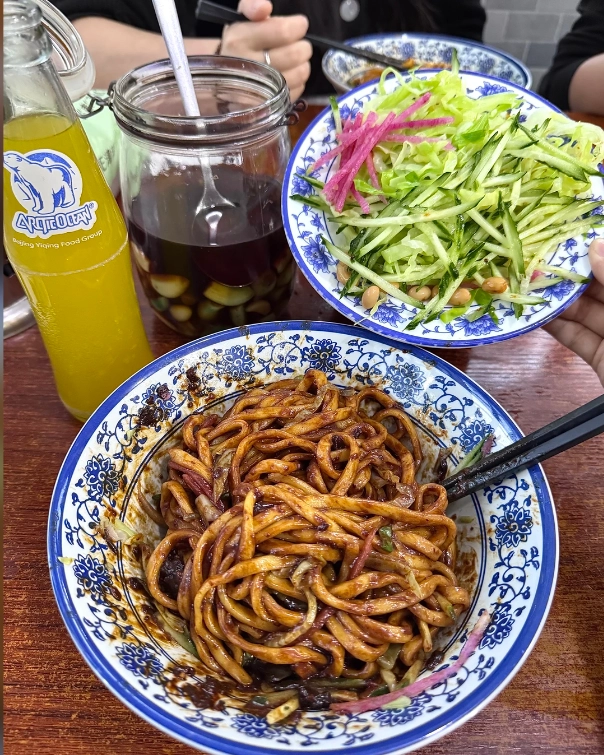
Your Beijing Zhajiang Noodles Questions Answered
 Is Beijing Zhajiang Noodles suitable for vegetarians?
Finding the perfect bowl of Beijing Zhajiang Noodles is a small adventure. It takes you beyond the guidebook restaurants and into the rhythm of local life. It's a dish that rewards attention to detail—from the crispness of a bean sprout to the caramelized edge on a piece of pork. Skip the generic versions. Seek out the places where the sauce has been simmering for generations, and take your time mixing it all together. That first authentic bite is worth the hunt.
This article is based on personal culinary exploration and consultations with local Beijing food historians. Details regarding restaurant operations are subject to change.





Had high hopes after reading all the reviews, but left a bit disappointed. The sauce lacked depth – it was mostly just salty and oily without the earthy fermented bean punch I was craving. The owner was friendly though, and the free garlic cloves were a nice touch. Might have been an off day, but I've had better zhajiang noodles at my office canteen.
For the price, you can't complain too much. A big bowl of noodles with pork and sauce for 15 yuan is a steal. But I found the sauce a bit too salty for my taste, and the noodles were slightly overcooked – a bit mushy. It’s a solid option if you're on a budget and need a quick lunch, but don't expect anything mind-blowing.
Stumbled upon this spot while exploring hutong alleys. The owner is a sweet old lady who’s been making zhajiang noodles for 30 years. She explained how she fries the soy bean paste twice to deepen the flavor. The bowl came with perfectly julienned radish and bean sprouts. The only downside: the seating is super cramped and it’s not air-conditioned in summer. But who cares when the noodles are this good?
The zhajiang noodles themselves were good – thick homemade noodles and plenty of sauce. But honestly, the service was pretty slow. I waited almost 25 minutes for my bowl, and the place was only half full. Also, they forgot my cucumber shreds. Three stars because the taste was decent, but the experience could be much smoother.
Came here after reading the guide – and honestly, this place nails the authentic zhajiang noodles. The noodles had that perfect chewy bite, and the sauce was rich with just the right amount of fermented bean paste. I added a splash of chilli oil and a clove of garlic, which the owner happily brought over. Best 18 kuai I've spent in Beijing. Will definitely come back for the hand-pulled version next time.