 Yan Zhou
I thought I knew Shanghai's food scene. I'd navigated the soup dumpling temples and the late-night noodle stalls. But the experience of eating at the Longhua Temple vegetarian restaurant stopped me in my tracks. It wasn't just about substituting meat. It was a quiet, profound lesson in flavor, history, and mindfulness, served on a simple plate. If you're looking for a meal that connects you to the city's ancient pulse, this is where you need to be.
What You'll Find in This Guide
The Philosophy Behind Longhua Temple Food
Let's clear something up first. This isn't a trendy plant-based cafe. The food here is zhāi cài (斋菜), Buddhist vegetarian cuisine. The rules are specific: no meat, no poultry, no fish, and famously, no alliums like garlic, onions, leeks, chives, or shallots. These "five pungent spices" are believed to stimulate desire and agitation, contrary to the mindful calm Buddhism cultivates.
Walking from the bustling Longhua Road into the temple grounds, the shift is immediate. The noise fades. The air smells of incense and aged wood. By the time you reach the restaurant, your pace has naturally slowed. This is the first, unspoken course—a settling of the spirit. The cooking reflects this. It's not about bold, aggressive flavors. It's about balance, texture, and the natural sweetness of seasonal vegetables, mushrooms, tofu, and wheat gluten.
I spoke with a server who's worked there for years. She told me the chefs, some of whom have monastic training, view cooking as a form of meditation. The care shows.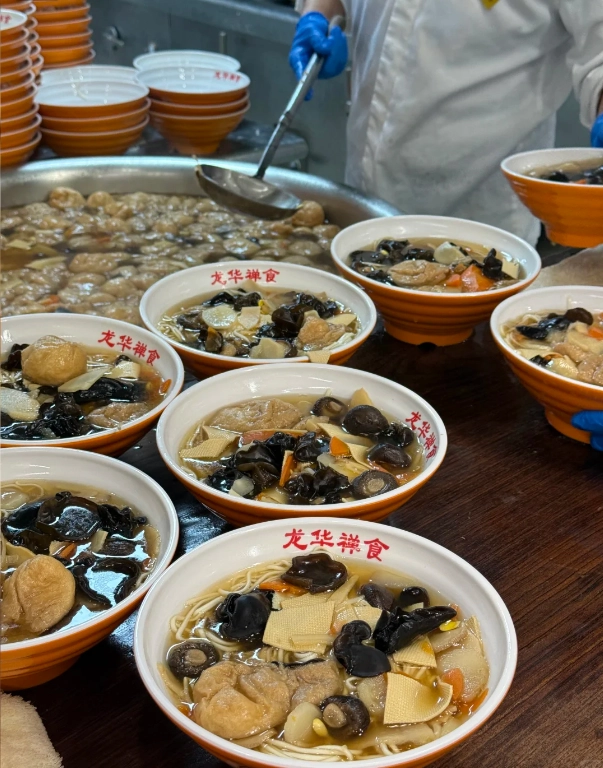
A Detailed Look at the Longhua Temple Vegetarian Restaurant
The restaurant is inside the temple complex itself. You don't need a ticket to the temple to eat here—it has its own entrance on the side. Don't expect sleek decor. The space is functional, clean, and humble, with large round tables and a few smaller ones. The walls are a simple pale yellow. It feels communal, like a temple refectory.
Longhua Temple Vegetarian Restaurant: The Essentials
Address: 2853 Longhua Road, Xuhui District, Shanghai. The restaurant is within the Longhua Temple compound. Look for signs pointing to "素斋" or "Vegetarian Food."
Opening Hours: 11:00 AM – 2:00 PM for lunch; 5:00 PM – 8:00 PM for dinner. They are strict about these times. I arrived at 2:05 PM once and the kitchen was closed.
Price Range: Incredibly reasonable. Most dishes are between ¥30 and ¥68 (approximately $4 - $9.50 USD). A satisfying meal for two with multiple dishes rarely costs over ¥200.
Atmosphere: Simple, quiet, and efficient. It's not a place for a boisterous, long celebration. Conversation is hushed. You'll see a mix of temple visitors, local Buddhist devotees, and food explorers like myself.
Here’s a breakdown of what you can expect on a typical menu, based on my visits and notes.
| Dish Category | Signature Examples | Description & Personal Note | Approx. Price (CNY) |
|---|---|---|---|
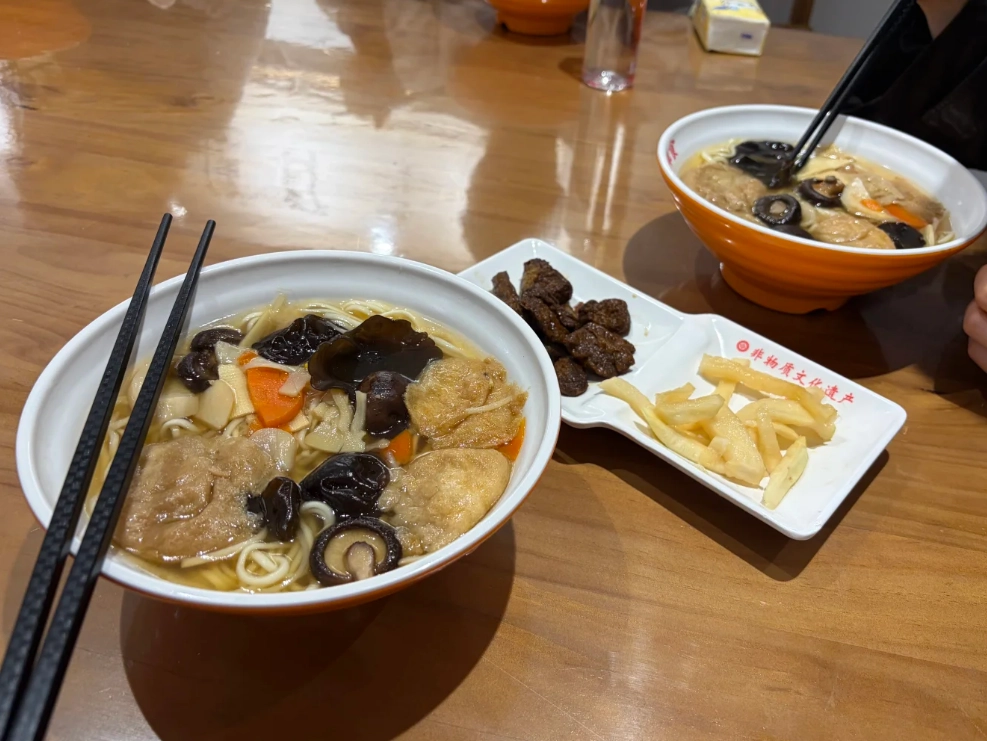
| Appetizers & Cold Dishes | Marinated Wheat Gluten, Vegetarian 'Goose' | The wheat gluten is shockingly meaty in texture, soaked in a delicate soy-based marinade. The 'goose' is actually layers of pressed tofu skin. A perfect, subtle start. | 28 - 38 |
| Main Dishes (Stir-fry & Braised) | Braised Bamboo Shoots with Mushrooms, 'Sweet & Sour Pork' | The bamboo shoot dish is a masterclass in umami. The 'pork' is fried gluten balls—crispy outside, tender inside. The sauce lacks the cloying sweetness of the secular version. | 42 - 58 |
| Soups | Winter Melon Soup, Mushroom Consommé | Clear, light, and restorative. The mushroom broth has a depth that makes you wonder how they did it without stock. | 35 - 48 |
| Noodles & Rice | Vegetarian Fried Noodles, Claypot Rice with Vegetables | The fried noodles are wok-hei perfection, not greasy. The claypot rice develops a fantastic crust. Filling and comforting. | 32 - 45 |
| Set Meals | Lunch Set (Soup, Rice, 2-3 Dishes) | The best value for a solo traveler. Portions are modest but balanced. It's what many regulars order. | 48 - 68 |
What to Order and the Dining Experience
Ordering is straightforward. You get a paper menu, tick what you want, and hand it to a server. They don't hover. My recommended approach for a first visit?
Start with the Marinated Wheat Gluten. It's the benchmark. Then, pick one braised dish like the Bamboo Shoots with Mushrooms. For something with more texture, the 'Sweet and Sour Pork' is a must-try, if only for the culinary illusion. Share a claypot of Vegetable Rice. That's plenty for two.
Here's a tip most blogs miss: ask for the chili oil. It's usually kept behind the counter. It's not spicy in a brutal way, but fragrant and nutty, adding a wonderful dimension to the rice and noodles.
The food comes out fast, in no particular order. The pacing is utilitarian. This isn't a criticism, just an observation. You eat, you enjoy the calm, you leave feeling nourished but not heavy. That light feeling is the whole point.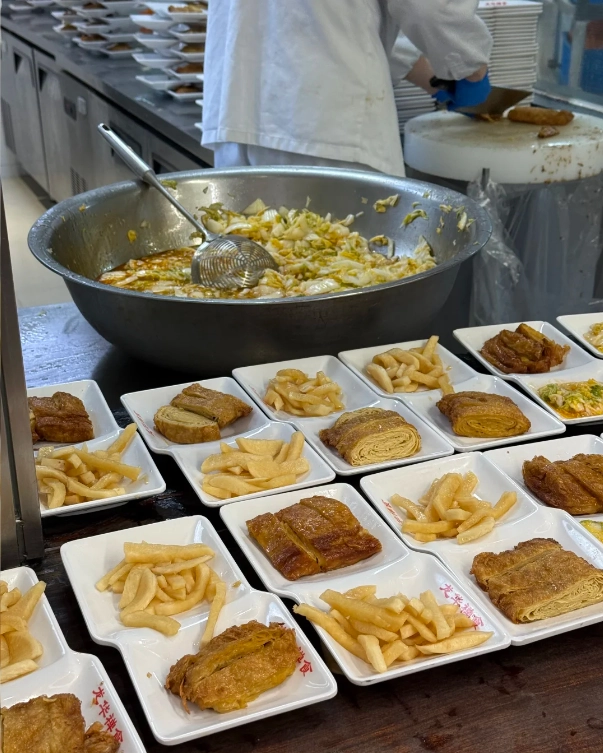
A Note on Authenticity and Expectations
If your palate is accustomed to bold, garlicky, or heavily seasoned food, the flavors here might initially seem muted. That's intentional. Don't reach for the soy sauce immediately. Take a few bites. Let the natural taste of the shiitake mushroom, the fresh bamboo shoot, or the bean curd skin come through. It's a different kind of deliciousness, one rooted in restraint.
How to Visit: Logistics and Insider Tips
Getting There: Take Shanghai Metro Line 11 or Line 12 to Longhua Station (Exit 2 or 4). It's a 7-10 minute walk straight down Longhua Road to the temple's main gate. The restaurant entrance is to the left before you enter the main ticketed area.
Best Time to Go: For lunch, aim for 11:30 AM. It gets busy with temple-goers by 12:15 PM. For dinner, 5:30 PM is ideal. Avoid weekends if you can; it's packed with local families.
Payment: They accept AliPay, WeChat Pay, and cash. International credit cards are not commonly used here.
My biggest tip: Combine your meal with a visit to the temple itself. Buy the admission ticket (¥10), wander the beautiful courtyards, see the iconic Longhua Pagoda, and let the serene atmosphere build your appetite. The meal will taste different, more meaningful, after that.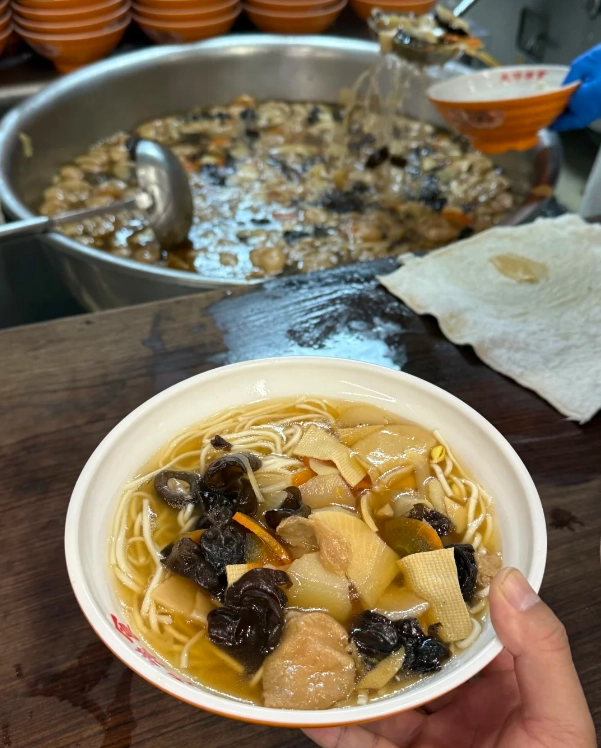
Experiencing Longhua Temple Beyond the Restaurant
The food is the highlight, but the temple grounds complete the experience. After your meal, spend an hour exploring. The architecture is classic Song Dynasty style. The Bell Tower and Drum Tower are impressive. I find the area behind the main halls, near the pagoda, to be particularly peaceful, with fewer visitors.
If you visit during the Lunar New Year period, you might catch the famous Longhua Temple Fair, a centuries-old tradition. The vibe is completely different—vibrant, loud, and festive—but the temple's vegetarian food remains a constant anchor.
Answering Your Questions About Longhua Temple Food
 What's one mistake first-time visitors make when dining here?
Longhua Temple's food is a quiet secret in a loud city. It won't be the most explosive meal you have in Shanghai, but it might be the most memorable. It's a direct link to a culinary and spiritual tradition that has persisted for over a thousand years. In a metropolis that constantly rebuilds itself, that's a rare and precious thing to taste.
Go hungry, but also go curious. Let the absence of certain flavors highlight the presence of others. You'll leave not just fed, but settled. And in Shanghai, that's a gift.





Lovely spot for a quiet vegetarian meal. The 'lion's head' meatball (made from bean curd) was surprisingly rich and satisfying. My only issue: the menu has no English descriptions, so I had to guess a bit. Staff were friendly but not overly helpful in explaining. Still, a unique cultural experience – I’d recommend it to adventurous eaters.
I've been coming here for years, and the quality has remained consistent. The seasonal vegetable selection is fantastic – especially the stir-fried water spinach with garlic. The dining hall can get crowded at peak hours, but if you go right when they open at 11:30, it’s peaceful. A must-try for anyone interested in Buddhist cuisine.
Honestly, I was a bit disappointed. I’d read amazing reviews online, but the food was just okay – the 'fish' imitation had a weird texture and was too salty. The dining room was noisy with large tour groups, and no one explained the history behind the dishes. For the hype, I expected more. Not bad, but not worth queuing for.
Decent vegetarian food in a very atmospheric spot. The braised tofu skin was tasty, and the steamed buns were fluffy. However, the service was a bit slow – we had to wave down a waiter twice for water. Also, the portion sizes are on the smaller side for the price. Still, a nice break from the city rush.
Had an amazing lunch here after visiting the temple. The vegetarian 'mock meat' dishes were incredibly realistic – the 'shredded pork' with bamboo shoots was my favorite. The setting is serene, with old wooden tables and a view of the pagoda. A bit pricier than other places in Shanghai but totally worth it for the experience. Will definitely come back!