 Qiang Huang
What’s Inside
I’ve led over 100 tours up Yellow Mountain (Huangshan). And I’ve seen too many tired, rain-soaked tourists wondering why they came. The truth? Most visitors pick the worst possible time. Let me fix that.
After years of watching the weather patterns and crowd flows, I can tell you the best time to visit Yellow Mountain boils down to two windows: mid-October to early November for crisp air and the famous “sea of clouds,” and late April to early May for blooming azaleas and mild temps. Both avoid the insane summer crowds and the icy winter closures.
Here’s the catch—September looks good on paper but often hides typhoon leftovers. And December? Sure, snow is magical, but many cable cars shut down. I’ll walk you through every month so you know exactly when to book.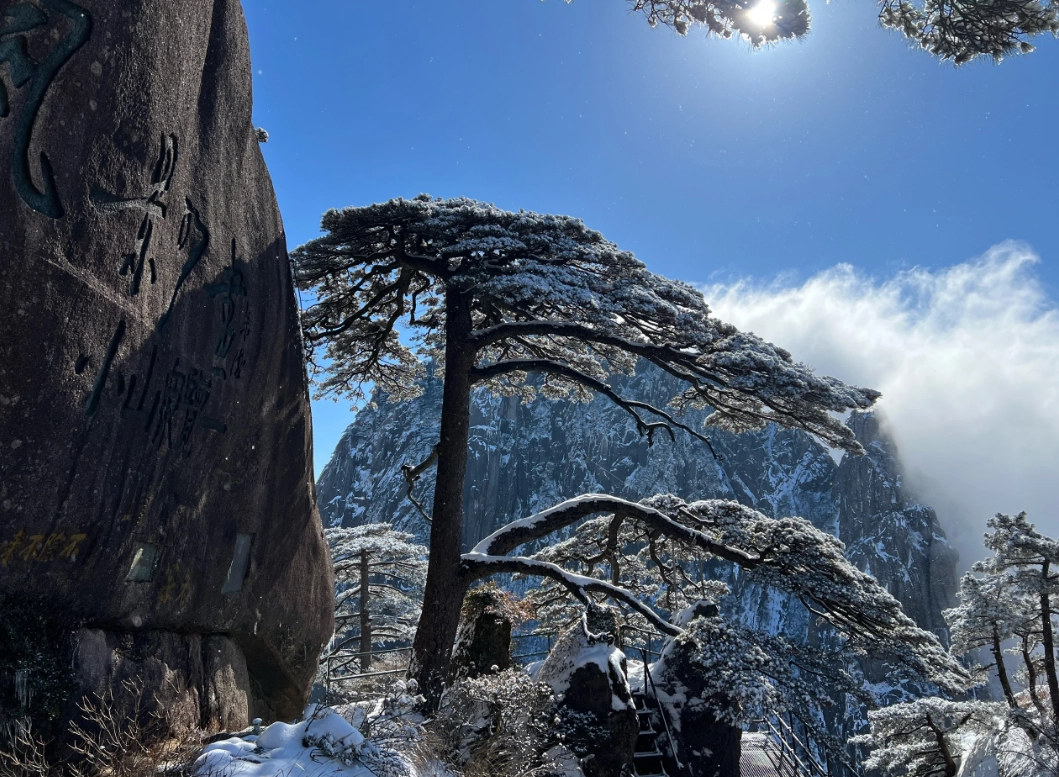
My Verdict: The Golden Window
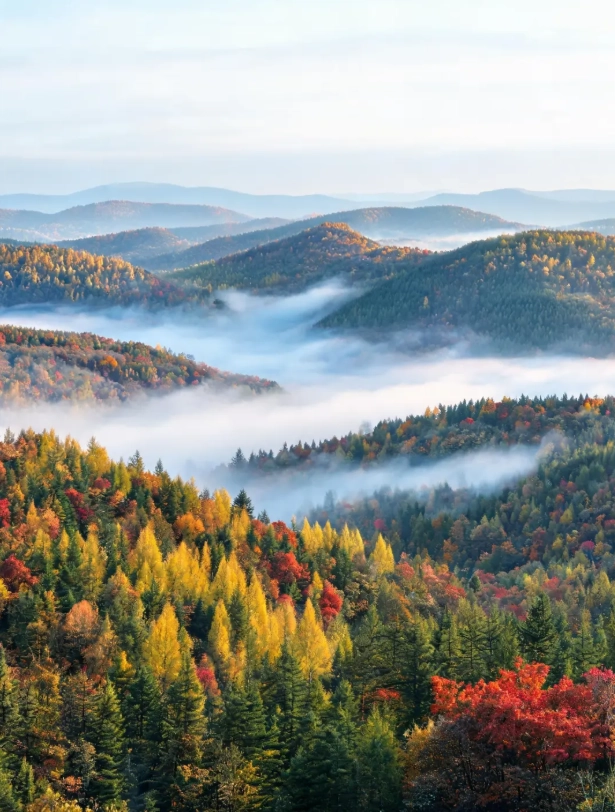
If you can only pick one time, go for late October. Why? Clear skies (about 70% sunny days), the lowest humidity, and the “sea of clouds” is almost guaranteed in the mornings. Plus, autumn leaves turn the granite peaks into a painting. For instance, I brought a group on October 28th last year—we witnessed a sunrise that made everyone cry. Yes, literally. The downside? It’s the peak foreign tourist season (no, not domestic—they come in summer). So book hotels 3 months ahead.
1. Late October (best overall)
2. Mid-November (fewer people, colder but clear)
3. Late April (flowers, but possible spring rain)
4. Early May (similar to April, but more holiday crowds)
5. June (green but rainy—30% chance of seeing nothing)
6. December–February (snow lovers only, check cable car status)
7. July–August (avoid unless you love queues and sweat)
Month-by-Month Breakdown
Spring (March–May): Flowers and Uncertainty
March is still chilly (0–10°C) and foggy. The plum blossoms start, but visibility is hit-or-miss. I once spent three days in March seeing only white—my group was not happy.
April warms up (8–18°C) and azaleas explode on the West Sea Grand Canyon. The best week is the last week of April. But here’s a trick: avoid the first few days of May (China’s Labor Day holiday, May 1–3). The queues can be 3 hours for the cable car. I’ve seen it firsthand—absolute chaos.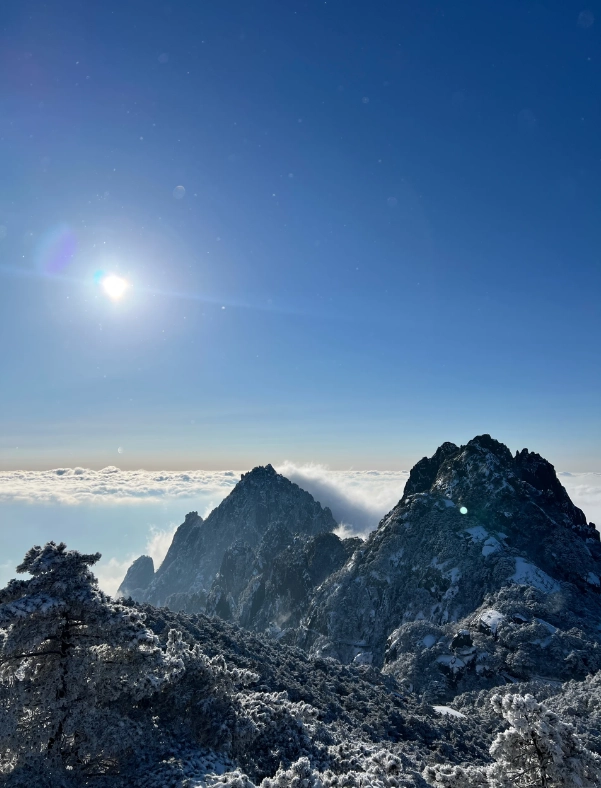
Summer (June–August): Rainy and Packed
June is the monsoon season. Average rainfall is 250mm—that's a lot. You might get lucky with a clear day, but don't count on it. I tell my clients to skip June unless they love misty moodiness.
July and August? High season for domestic tourists. Temperatures are 20–28°C, but humidity is awful. The mountain paths get clogged. My advice: if you must go in summer, enter through the Yungu Temple (East Gate) early (by 6:30 AM) and head straight for the Beginning-to-Believe Peak—it’s less crowded than the Bright Summit.
Autumn (September–November): The Sweet Spot
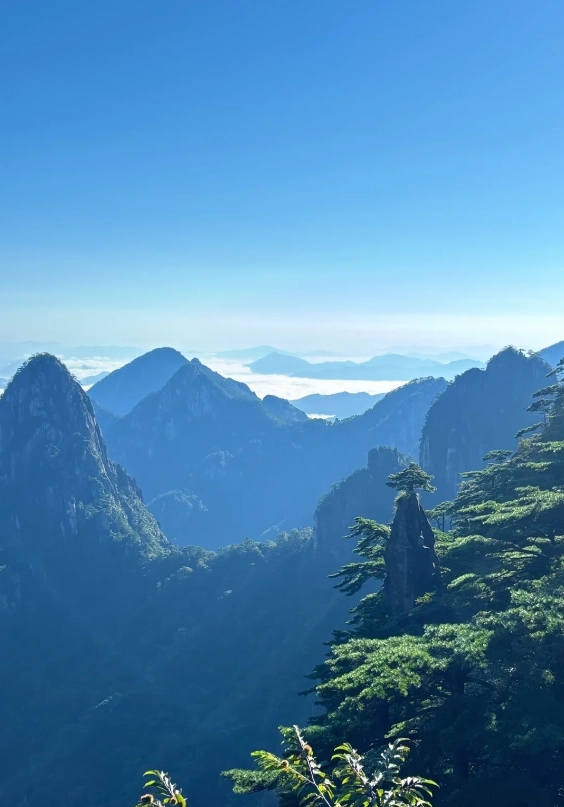
September can still have leftover typhoon rains. However, from mid-September, the crowds thin. I prefer October 15–November 10. The temperature is 5–15°C on the summit, perfect for hiking. The “sea of clouds” occurs on about 60% of mornings. Book a room at the Beihai Hotel (北海宾馆) to catch sunrise from the Refreshing Terrace—I’ve seen it dozens of times and it never gets old.
November gets colder (0–10°C), but the air is super clear. The downside: some hotels close after November 15. If you go then, stay at the Xihai Hotel (西海饭店), which stays open year-round.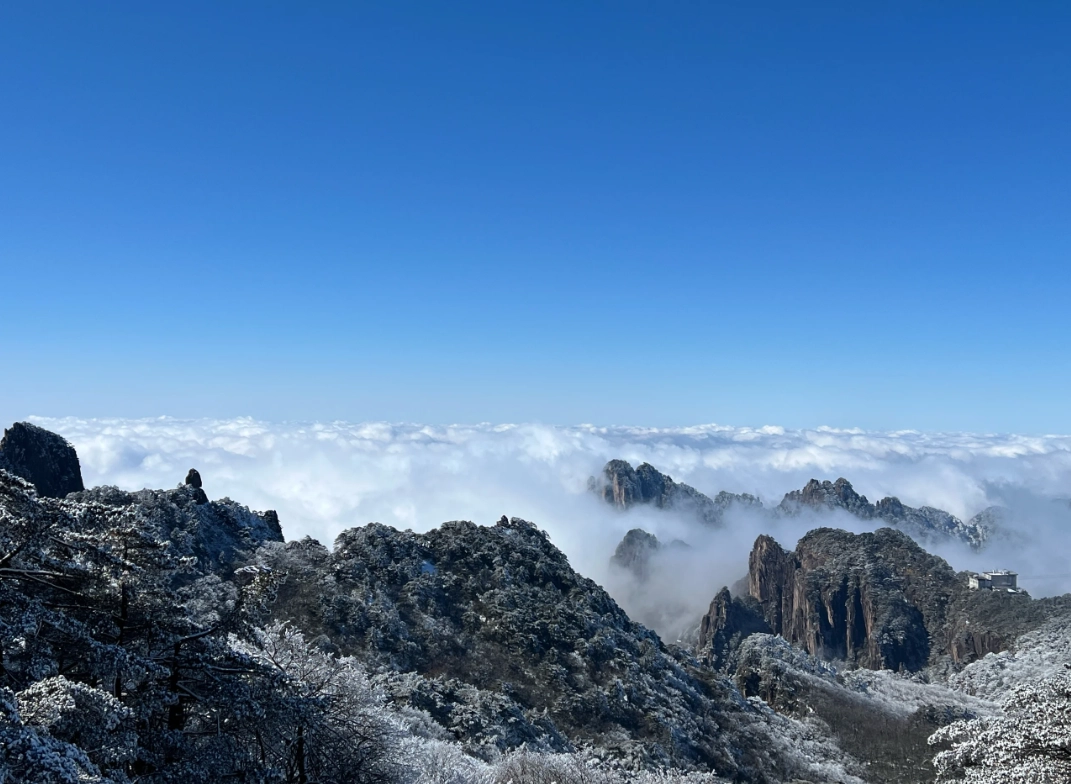
Winter (December–February): Snow Magic but Tough Logistics
Winter transforms Yellow Mountain into a fairy tale. Snow covers the pines, and the rime ice on the railings sparkles. But many cable cars close. Only the Yungu cable car and Taiping cable car usually operate. Temperatures drop to -10°C at the top. You’ll need crampons (sold cheap at the entrance). I once slipped on black ice—ouch. So take care.
The best winter month is January after the New Year holiday. Very few tourists, and the snow is fresh. But check the official Huangshan tourism website for cable car status before booking.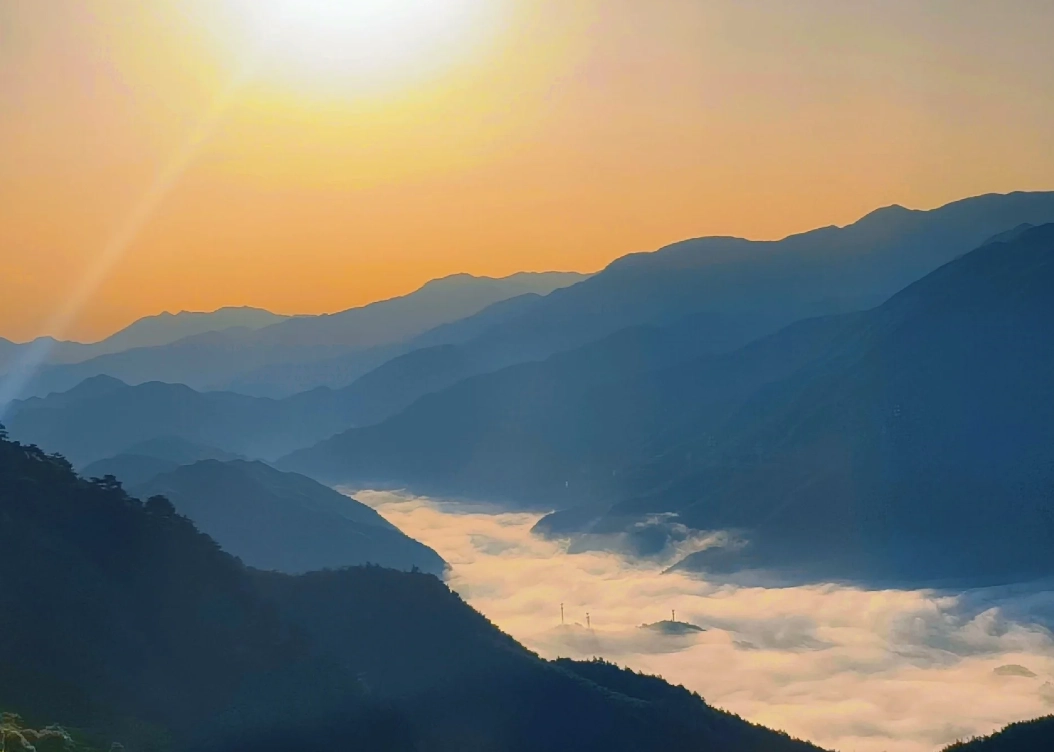
Crowd Calendar & Insider Hacks
| Month | Crowd Level | Weather | Insider Tip |
|---|---|---|---|
| January | Low | Very cold, snowy | Check cable car status; bring crampons |
| February | Low (except CNY week) | Cold, occasional snow | Avoid Chinese New Year week (lunar calendar) |
| March | Medium | Cool, foggy | Pack layers; fog can clear by noon |
| April | Medium-High (end of month) | Mild, some rain | Last week = azaleas; book early |
| May | Very High (first week) | Warm, occasional showers | Avoid May 1–3; go after May 15 |
| June | Medium | Rainy, humid | Bring waterproof jacket; hope for a break |
| July | Extremely High | Hot, humid, thunderstorms | Start at 6 AM; choose east gate |
| August | Extremely High | Similar to July | Same as July; plan for sweat |
| September | Medium | Possible typhoon remnants | Last week is better than first |
| October | High (foreign tourists) | Clear, cool | Perfect; book hotels 3 months ahead |
| November | Low to Medium | Cold, clear | Early month is best; some hotels close after Nov 15 |
| December | Low | Very cold, occasional snow | Check cable car closures; stunning if open |
How to Dodge the Crowds (Even in Peak Times)
Most tourists follow the same route: take the Yungu cable car to Shixin Peak, then walk to Bright Summit and Greeting Guest Pine. That’s a bottleneck from 9 AM to 2 PM. Instead, do this:
- Enter via the Taiping cable car (North Gate). It’s farther from the city, so fewer people use it.
- Start at 6:30 AM—the first cable car. You’ll have the summit almost to yourself until 9 AM.
- Skip the Greeting Guest Pine (overrated and always crowded). Go to the Cloud-Dispelling Pavilion for a similar view without the selfie stick army.
- If you’re staying overnight, watch sunset from Fairy Peak—it’s less busy than Bright Summit.
Seasonal Highlights: Clouds, Snow & Flowers
The Sea of Clouds
This only happens when the air is cold and the ground is warm. Best months: October to February. The most reliable time is the morning after a rain—if you see rain forecast, get excited. I’ve had groups who were disappointed by rain, then woke up at 5 AM to the most incredible cloud layer below the peaks. It’s all about timing.
Snow Scenery
December–February. The Bright Summit and Xihai Grand Canyon look like a Chinese ink painting. But remember: the canyon closes during heavy snow. Check with your hotel the night before.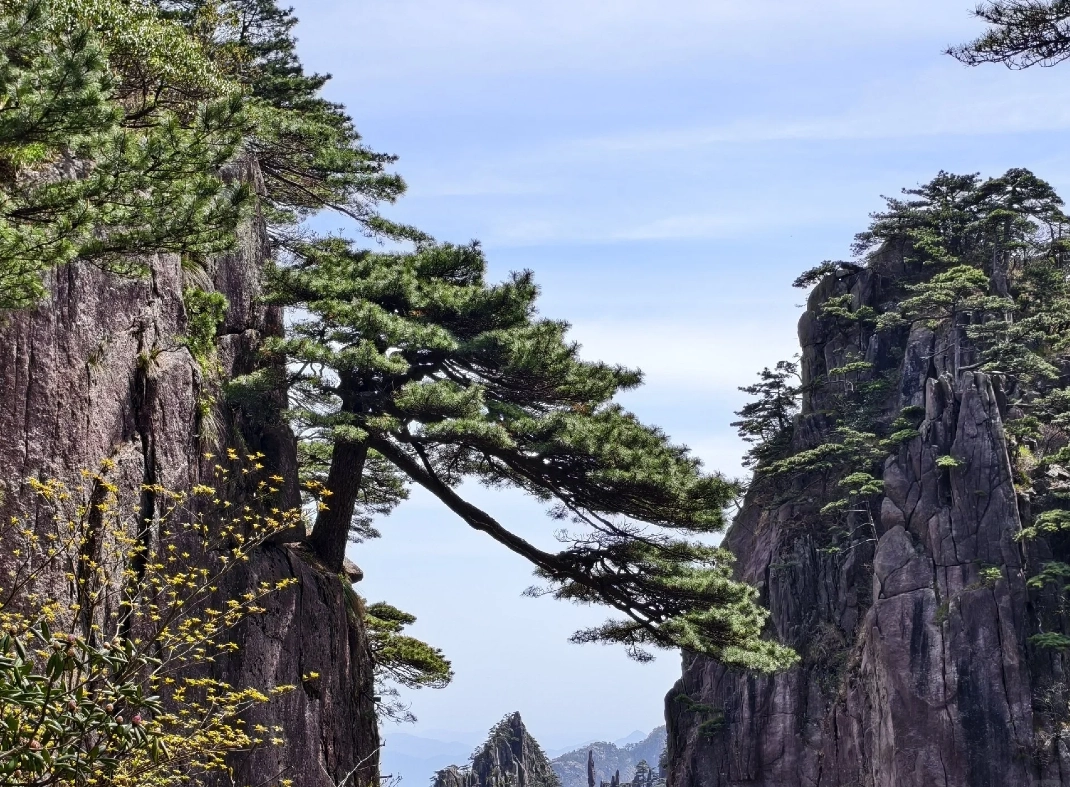
Azalea Blooms
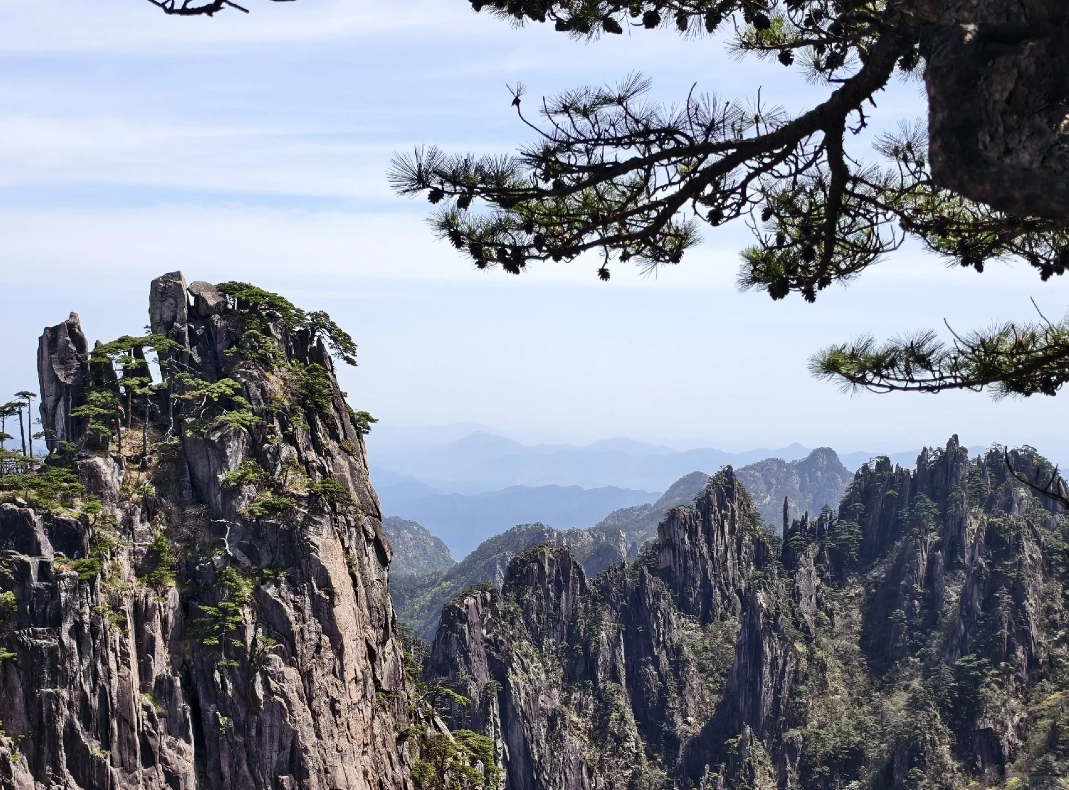
Late April to early May. The West Sea Grand Canyon is the best spot. The flowers are bright pink and contrast with the dark granite. It’s my favorite time, honestly—fewer crowds than autumn, and the colors are alive.
Practical Tips for Your Trip
Ticket Prices & Booking
Admission: 190 RMB (peak season March–Nov), 150 RMB (off-peak Dec–Feb). Cable car: 80–100 RMB per ride. You must book online via the official Huangshan WeChat mini-program or through Trip.com. Pro tip: ask your hotel receptionist to book for you if you can’t navigate the Chinese interface. I’ve seen too many tourists stuck at the gate unable to buy tickets because the counter was “sold out” (it was, but only online tickets were available).
Accommodation Recommendations
- Beihai Hotel (北海宾馆): Located near the summit, best for sunrise. Price: 800–1500 RMB per night. Book 2 months ahead for autumn. They have a decent buffet dinner.
- Xihai Hotel (西海饭店): Cheaper, 500–900 RMB. It’s close to the Xihai Grand Canyon. The rooms are small but clean. They speak basic English.
- Huangshan Yi Xian Boutique Hotel (黄山一线精品酒店) in Tangkou town: If you want comfort, stay here before your hike. 300–600 RMB. They have luggage storage and a driver can take you to the gate.
For winter, confirm that the hotel’s heating works—some older ones struggle.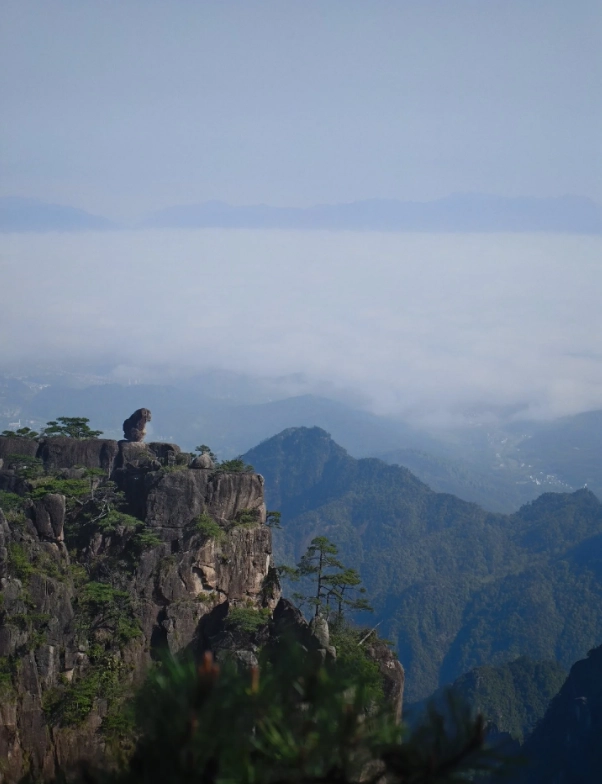
What to Pack
- Waterproof jacket and pants (essential even in clear weather—sudden fog can dampen everything).
- Layered clothing: thermal base, fleece, windproof shell.
- Comfortable hiking boots with ankle support. I see too many people in sneakers slipping on wet steps.
- Headlamp or flashlight (if staying overnight for sunrise).
- Cash (some vendors on the mountain don’t accept cards or WeChat if your international card fails).
- Snacks and water (prices double on the summit).
Transportation
From Shanghai: take a high-speed train to Huangshan North Station (3 hours, ~140 RMB). Then take a bus to Tangkou (about 1 hour, 30 RMB). From Tangkou, there’s a shuttle to the cable car stations (19 RMB per ride). Avoid taxis that charge 100 RMB—they prey on foreigners.
From Hangzhou: train direct to Huangshan North, or bus from Hangzhou West Bus Station (4 hours).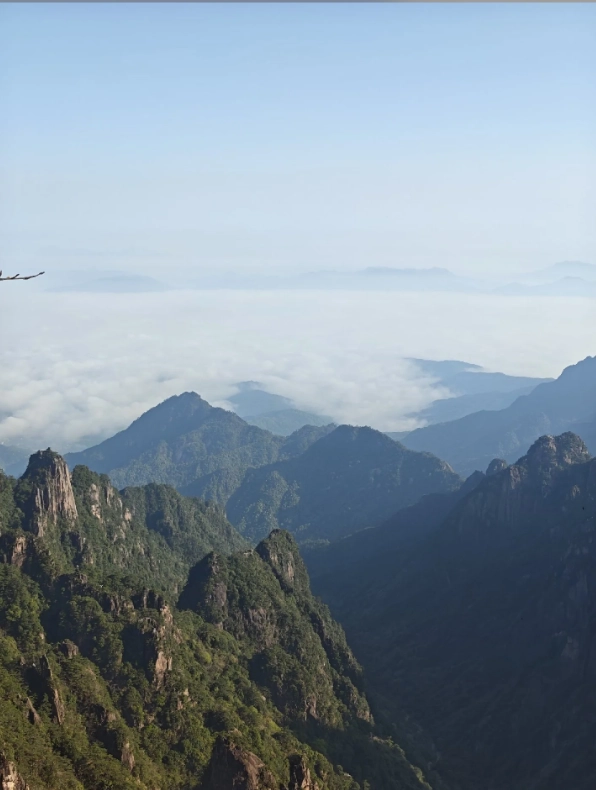
Frequently Asked Questions
Verified and fact-checked by the editorial team.





No comments yet.