 Hong Ma
What's Inside – Quick Look
- When Is the Absolute Best Time to Visit Mount Hua?
- What Months Should You Avoid at All Costs?
- How to Beat the Crowds: Time of Day and Weekday Secrets
- What About Chinese Public Holidays? A Survival Guide
- What Is the Weather Like During Peak Seasons?
- How to Get to Mount Hua and Buy Tickets (Without Getting Scammed)
- Which Route Should You Take Based on Your Fitness?
- What to Pack for a Mount Hua Trip (My Personal Checklist)
- Frequently Asked Questions About the Best Time to Visit Mount Hua
I've been guiding groups up Mount Hua for over six years. And every single time, someone asks: "When's the best time to go?" The answer isn't just one month — it's a combination of season, day, and even the hour you step onto that cable car. Let me save you from the mistakes I've seen hundreds of tourists make.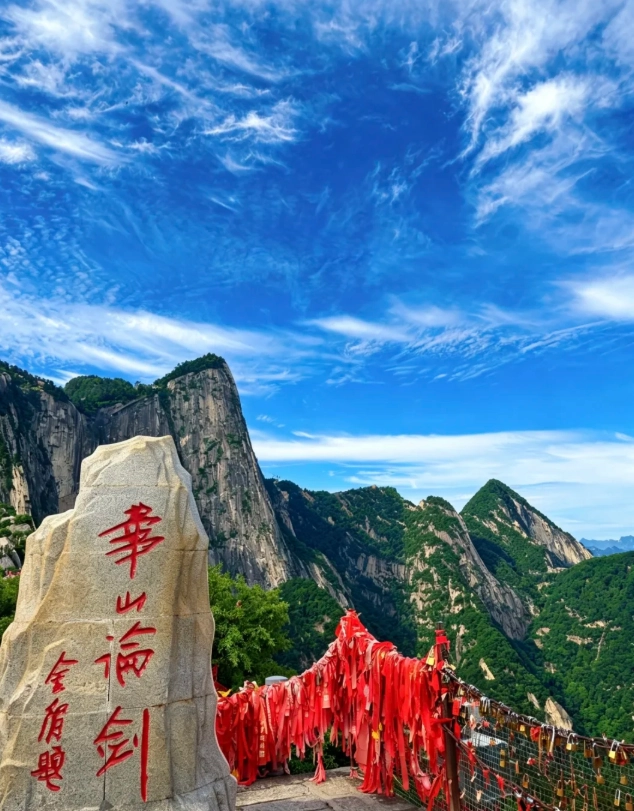
Now let me break down why, and exactly how to pull it off.
When Is the Absolute Best Time to Visit Mount Hua?
Spring (March–May) – My Top Pick
Spring is magical. The snow melts, wildflowers pop up between the granite steps, and the air is crisp. Late April is the sweet spot: temperatures hover around 50-65°F (10-18°C) at the base, and 40-55°F (4-13°C) on the peaks. The sky is usually clear after the dusty March winds settle.
One thing I always tell my clients: avoid the first week of May like the plague. That's China's Labor Day holiday (May 1-5). The queues at the cable car can hit 3 hours. I once waited 4.5 hours with a group — never again.
Autumn (September–November) – Runner-Up
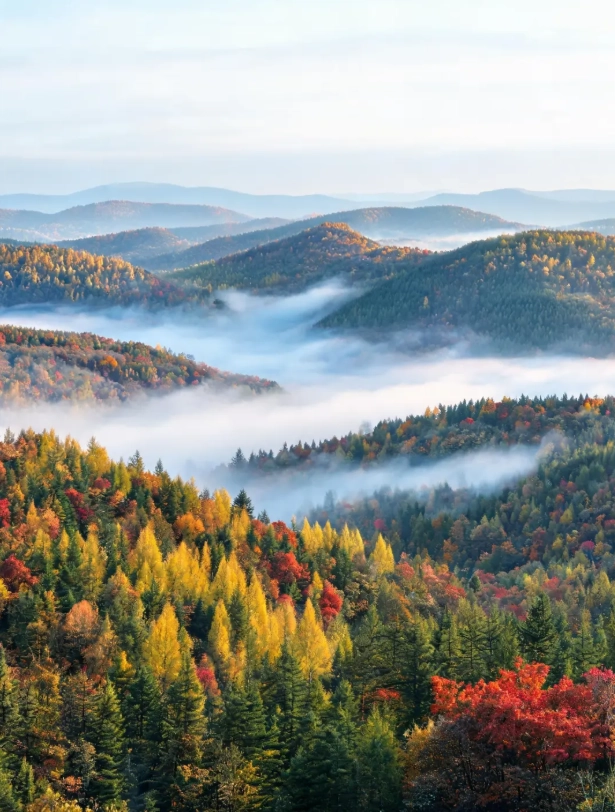
Autumn is equally stunning, with fewer rain showers than spring. Mid-October offers breathtaking red and yellow foliage against the grey cliffs. Temperatures are similar to spring, but the humidity drops. The only catch? The National Day holiday (October 1-7) turns the mountain into a human river. Avoid that week at all costs. After October 8, you'll have the trails almost to yourself.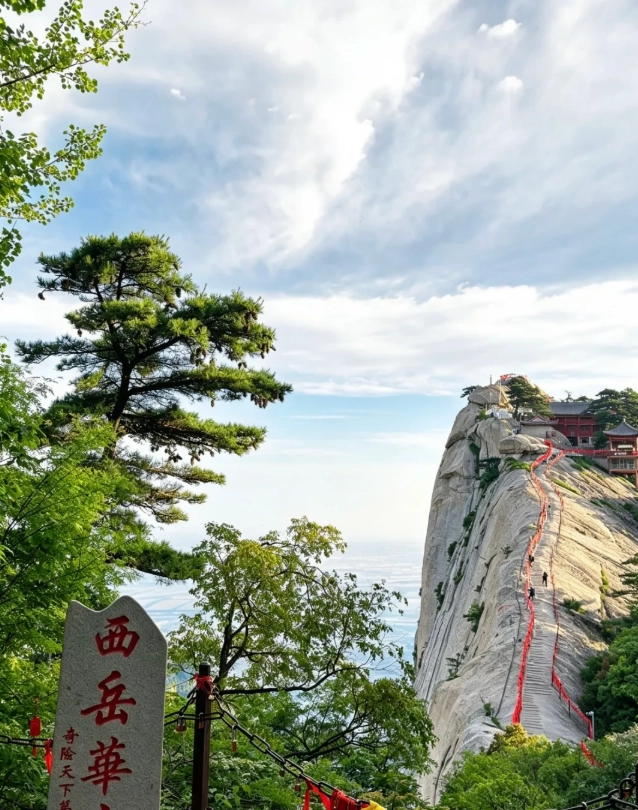
What Months Should You Avoid at All Costs?
Summer (June–August) – Hot, Wet, and Packed
Summer is the worst, hands down. Monsoon season hits from July to early August. I've been caught in torrential downpours that turned the plank walk into a slip-and-slide. Visibility drops to near zero, and the humidity makes you sweat through three shirts. Plus, it's peak domestic tourism season. The cable car lines routinely exceed 2 hours. If you must go in summer, come in late August when the rain eases and kids are back in school.
Winter (December–February) – Icy and Risky
Winter is for the hardcore only. The temperature on the peaks can drop to -4°F (-20°C) with wind chill. Ice covers the steps, and some sections (like the Changkong Plank Walk) close for safety. The cable cars often stall due to high winds. That said, if you're a skilled ice-hiker and love solitude, January weekdays offer empty trails and surreal snowscapes. But for most travelers: just don't.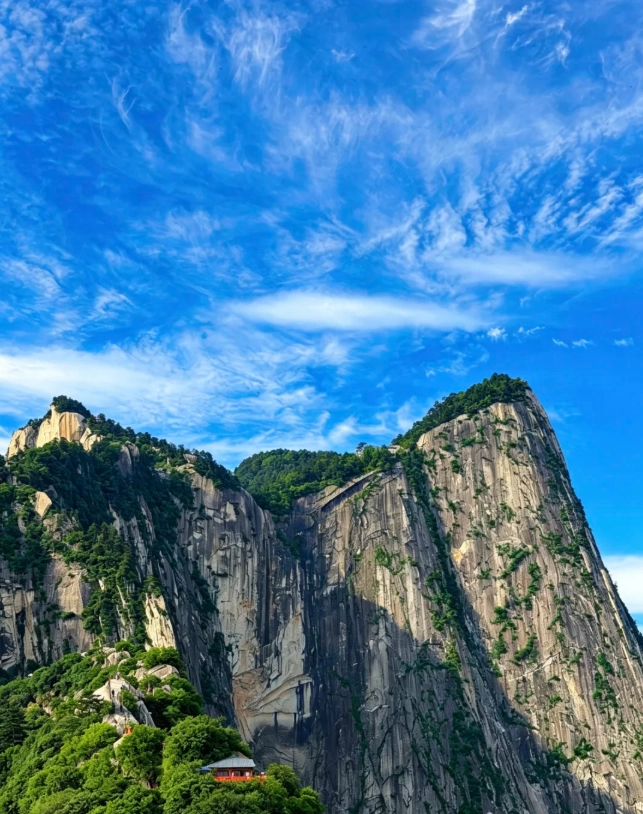
How to Beat the Crowds: Time of Day and Weekday Secrets
The Golden Window – Arrive Before 7 AM
Most tourists show up around 9 AM. Big mistake. The East Gate (where the cable car to the West Peak departs) opens at 6:30 AM in peak seasons. I always aim to be at the gate by 6:45. You'll be among the first on the mountain, hitting the West Peak before the tour buses roll in. By the time the crowds start pouring in at 10 AM, you'll already be heading to the South Peak.
Midweek Magic – Tuesday to Thursday
Saturdays are suicide. Sundays are not much better. Monday can be busy because people extend their weekend. Tuesday through Thursday are your safest bets. Friday sees a spike as locals take off early. I've stood on the summit on a Wednesday in late April with only 30 other people — you can't beat that.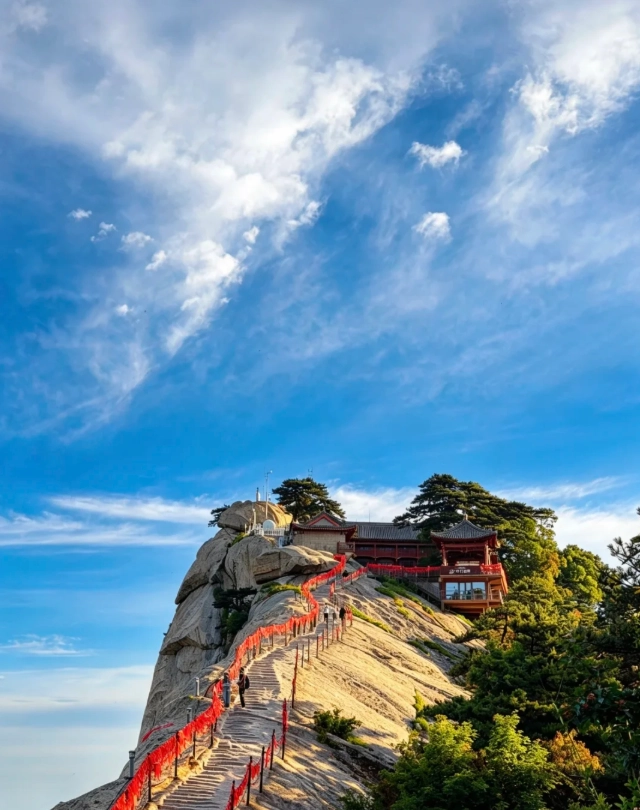
What About Chinese Public Holidays? A Survival Guide
National Day (October 1–7) – Absolute Chaos
During National Day, the mountain authorities cap visitors at 20,000 per day, but still the queues are insane. The plank walk can have a 2-hour wait just to step onto it. The cable car station becomes a mosh pit. If you have any flexibility in your schedule, avoid this week completely.
Labor Day (May 1–5) – Second Worst
Same story, slightly smaller crowds but still brutal. The only positive? The weather is pleasant. But I've seen people faint in the queue from heat and exhaustion. Just don't.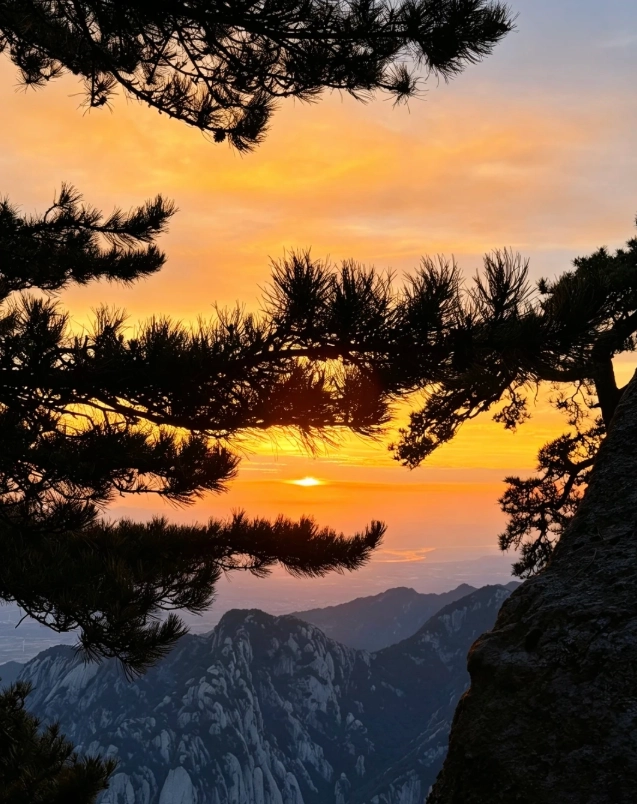
What Is the Weather Like During Peak Seasons?
Let me give you a quick reality check with numbers:
| Season | Base Temp (°F/°C) | Summit Temp (°F/°C) | Rainfall | Visibility |
|---|---|---|---|---|
| Spring (Apr–May) | 50-70 / 10-21 | 40-55 / 4-13 | Low to moderate | Excellent (clear skies 70% of days) |
| Summer (Jun–Aug) | 68-86 / 20-30 | 55-70 / 13-21 | High (July-Aug monsoon) | Poor (fog and rain common) |
| Autumn (Sep–Nov) | 41-68 / 5-20 | 32-55 / 0-13 | Low | Excellent (crisp air, clear skies) |
| Winter (Dec–Feb) | 14-41 / -10 to 5 | -4 to 32 / -20 to 0 | Snow (light to moderate) | Variable (often clear after snow) |
How to Get to Mount Hua and Buy Tickets (Without Getting Scammed)
From Xi'an to Huayin – Train vs Bus
You have two options: the high-speed train from Xi'an North Station to Huayin North Station (30 minutes, about 55 RMB). That's my go-to — quick and reliable. Once you exit, there's a free shuttle bus to the Mount Hua Scenic Area (runs every 20 minutes). Alternatively, you can take a long-distance bus from Xi'an's Bus Station (2 hours, around 40 RMB), but it's often stuck in traffic.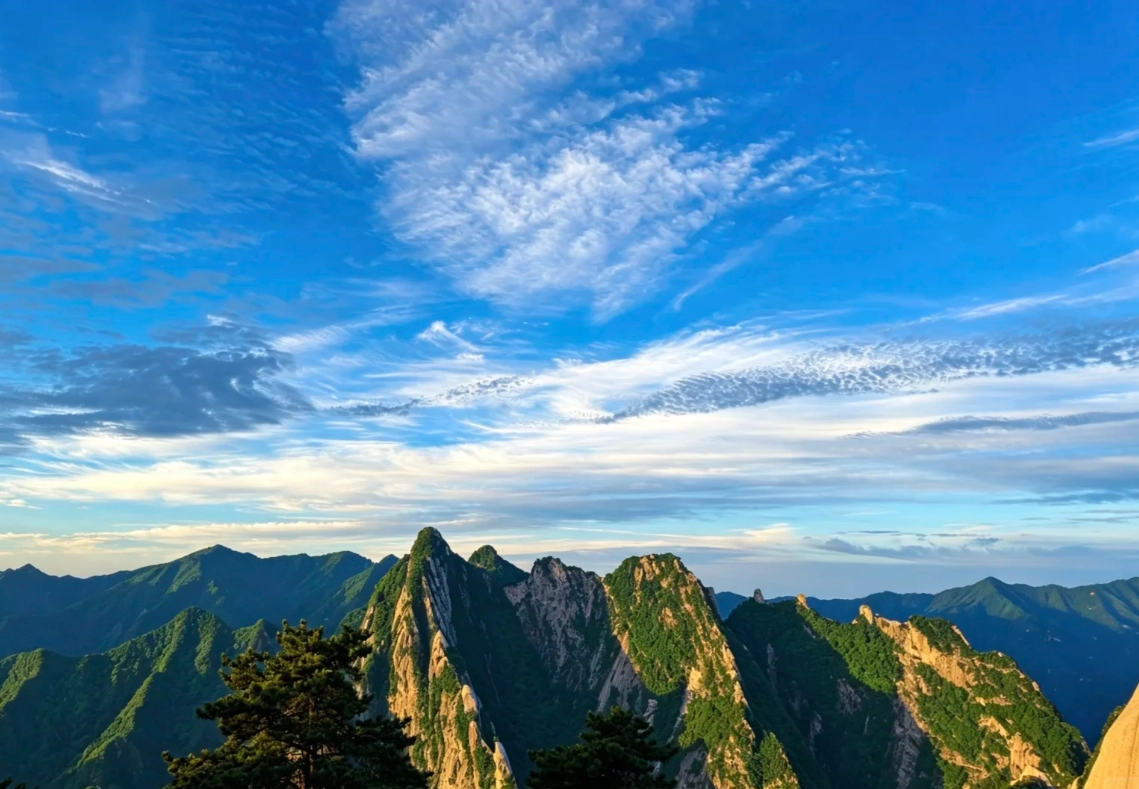
Ticket Booking – Official WeChat Mini-Program Only
Here's the catch: you must book through the "Mount Hua Scenic Area" official WeChat mini-program. No other website sells legit tickets. The entrance fee is 180 RMB (peak season March–November) and 100 RMB (off-season December–February). Cable car rides are extra: West Peak cable car 140 RMB one-way, North Peak cable car 80 RMB one-way. You can also buy a combo ticket that includes both entry and cable car, but you still need to activate it on WeChat. I always ask my hotel receptionist to help if my Chinese isn't good enough. Don't fall for touts outside the gate — they'll charge you double.
Which Route Should You Take Based on Your Fitness?
West Cable Car – Easiest
This is the route I recommend for most tourists. It takes you directly to the West Peak (about 15 minutes), then you can walk to the South Peak (highest) and East Peak in about 2-3 hours. Very little climbing, amazing views. Perfect for families or anyone with limited time.
North Cable Car – Balanced
If you want a bit more challenge but not full-on hiking, take the North Peak cable car. It drops you near the North Peak, then you hike up to the other peaks. Expect 4-5 hours of walking with some steep sections. You get the thrill of hiking without the 4-hour death march from the base.
Hiking from the Base – Hardcore
The classic "Hua Shan Hike" starts from the Yuquan Temple base. It's a 4-6 hour climb straight up — and I mean straight. Thousands of stone steps, some at 70-degree angles. You'll need strong knees and plenty of water. I've done it twice; the sunrise from the East Peak is worth it, but you'll be sore for days. Do this only if you're an experienced hiker and have a full day.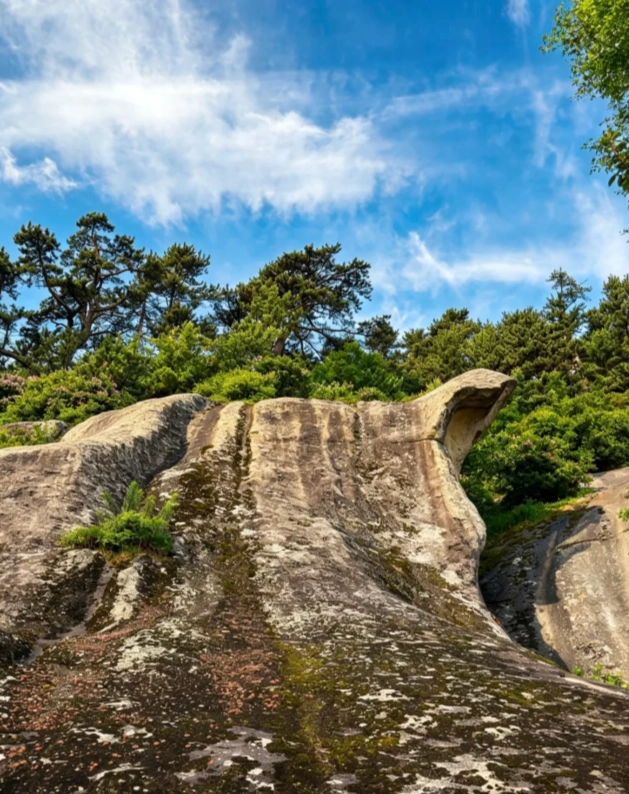
What to Pack for a Mount Hua Trip (My Personal Checklist)
After countless trips, I've narrowed down the essentials:
- Gloves – not for warmth, but for gripping the chains on the steep sections. You can buy cheap ones at the gate for 10 RMB.
- Headlamp – if you plan to start early or stay late. The staircases have minimal lighting.
- Electrolyte tablets – you'll sweat a lot even in cool weather. Water is available at 5-10 RMB per bottle on the mountain, but it's heavy to carry.
- Cash – many vendors on the mountain don't accept cards or WeChat reliably. Bring small bills.
- Layered clothing – the temperature can swing 20°F (10°C) between base and summit. A fleece and windbreaker work wonders.
- Sun protection – the sun at altitude is intense, even in winter. Sunglasses and sunscreen are non-negotiable.
Frequently Asked Questions About the Best Time to Visit Mount Hua
Verified and fact-checked by the editorial team.






No comments yet.