 Hui Lin
Most visitors to Beijing see the hutongs from a rickshaw, whisked down the main lanes in a blur. They get the postcard view—gray walls, red lanterns—but miss the entire story. The real magic of a Beijing hutong walking tour happens when you slow down, step off the beaten path, and peer into the world behind those unassuming gates. I've spent countless hours getting lost in these alleys, and what I've found isn't just history, but a living, breathing community clinging to a vanishing way of life. This isn't a tour; it's a discovery. Forget the crowded commercial strips. Let's talk about how to find the quiet courtyards, the hidden tea houses, and the genuine interactions that make this experience unforgettable.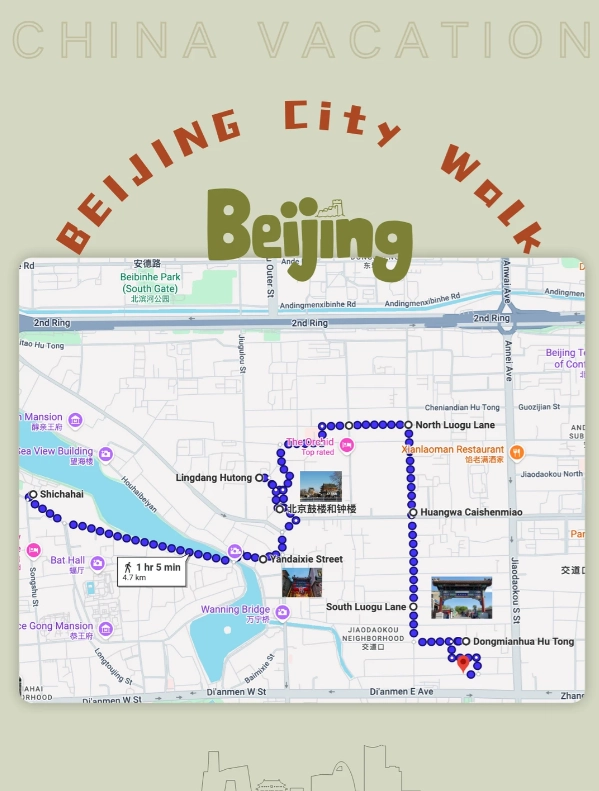
Your Quick Navigation
Why Walking Beats Any Other Hutong Tour
Rickshaws are fine for a photo, but they keep you at a distance. You're a spectator. Walking transforms you into a participant. The pace allows for serendipity—the smell of vinegar braised pork wafting from a kitchen, the sound of a radio playing Peking opera from a crack in a door, the sight of a resident meticulously tending to their potted morning glories. These are the details you miss at 10 kilometers per hour.
The architecture reveals itself slowly. You start to notice the subtle differences in the mén kǎn (doorstep)—the higher it is, the more prestigious the family was. You see the intricate brick carvings above doorways, often depicting bats for good fortune or pomegranates for many children. On foot, you can actually stop and appreciate the texture of the weathered gray bricks, something no guided bus commentary can offer.
Most importantly, walking grants you access. The narrowest, most interesting hútòng er (the "er" adds a local, colloquial touch) are too small for vehicles. This is where you'll find the authentic local shops, the communal water taps, and the quiet courtyards that aren't on any official map. I once stumbled upon a gentleman flying a beautiful kite shaped like a centipede in a tiny dead-end alley near Houhai. We didn't share a language, but he smiled and gestured for me to try. That moment of connection is the core of a true hutong walking tour.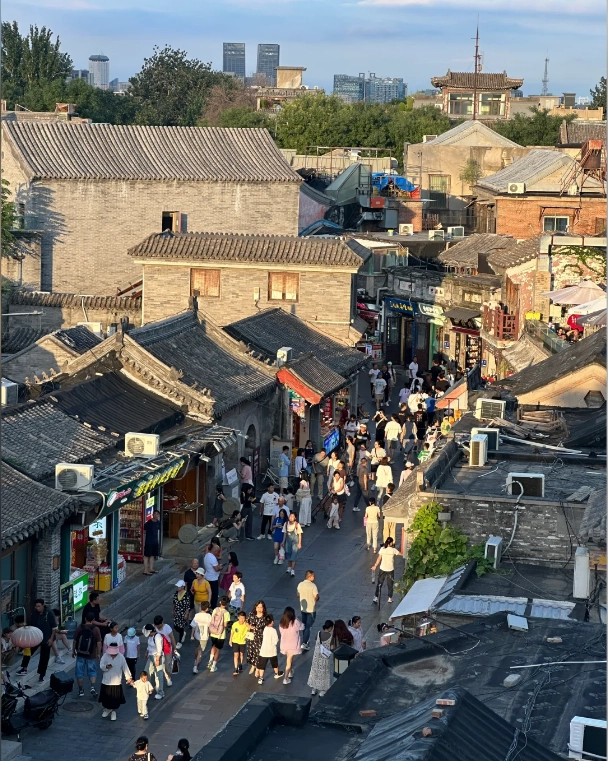
How to Plan Your Hutong Walking Route
You don't need a strict itinerary, but a bit of planning prevents frustration. Here’s my personal framework.
Time of Day: Mornings (8-10 AM) are golden. The light is soft, residents are out buying breakfast or doing tai chi, and tourist groups haven't arrived. Late afternoons (3-5 PM) are also excellent, with beautiful shadows and a relaxed vibe. Avoid midday when the sun is harsh and the main lanes are packed.
Starting Point: Choose a subway station as your anchor. For the northern hutongs, Nanluoguxiang Station (Line 6/8) is the classic gateway. For a more local feel west of the Forbidden City, use Xisi Station (Line 4). Having a metro exit as a reference point is crucial for when you inevitably get turned around.
What to Bring: Comfortable shoes are non-negotiable—the ground can be uneven. A water bottle. A data plan on your phone for maps, but I encourage you to put it away as much as possible. A small cash reserve for spontaneous snacks or drinks from hole-in-the-wall vendors. A polite smile goes a long way.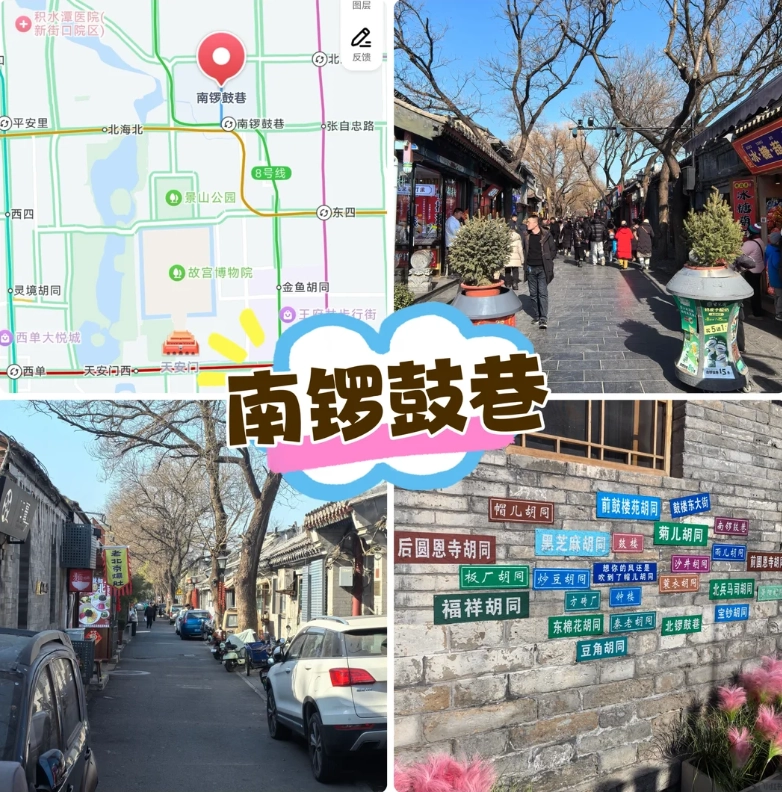
My Navigation Trick: I rarely use Google Maps in the hutongs. The alleyways are too dense and it's easy to lose signal. Instead, I use a simple mental map: remember your main north-south or east-west artery (like Gulou East Street or Di'anmen Outer Street). As long as you can find your way back to that main road, you can always reorient yourself. Getting "lost" between these major roads is the whole point.
Two Detailed Hutong Walking Routes to Try
Here are two routes I've walked repeatedly, each with a different character. The first is more famous but has hidden gems; the second is where locals actually live.
Route 1: The Classic Deep Dive (Nanluoguxiang & Beyond)
Everyone starts at Nanluoguxiang. The mistake is staying there. This route quickly escapes the crowds.
- Start at Nanluoguxiang Station Exit E. Walk south into the mouth of Nanluoguxiang. Feel the energy, maybe grab a táng húlu (candied fruit) if you must, but don't linger.
- About 200 meters in, look for the sign for Mao'er Hutong on your left. Turn in. This is your escape hatch. The noise drops immediately. Mao'er Hutong is wide, lined with beautiful trees and historic courtyard homes, some of which were residences of notable figures. Peek through open gates if you can.
- Follow Mao'er Hutong west until you hit Di'anmen Inner Street. Cross over and enter Qianmian Hutong. This area is a maze. Let yourself wander north and south. Look for Fangzhuanchang Hutong—it's exceptionally quiet and photogenic.
- Your goal is to meander your way northwest towards Houhai Lake. Don't aim for the noisy bar strip. Instead, come out near the Silver Ingot Bridge (Yinding Qiao). From here, you can walk the quieter western shore of Houhai or dive back into the hutongs north of the lake, like Yandai Xiejie (Tobacco Pouch Slanting Street) for a slightly more curated but still charming end to your walk.
Distance: 3-4 km of leisurely walking, not counting your explorations off the main alley.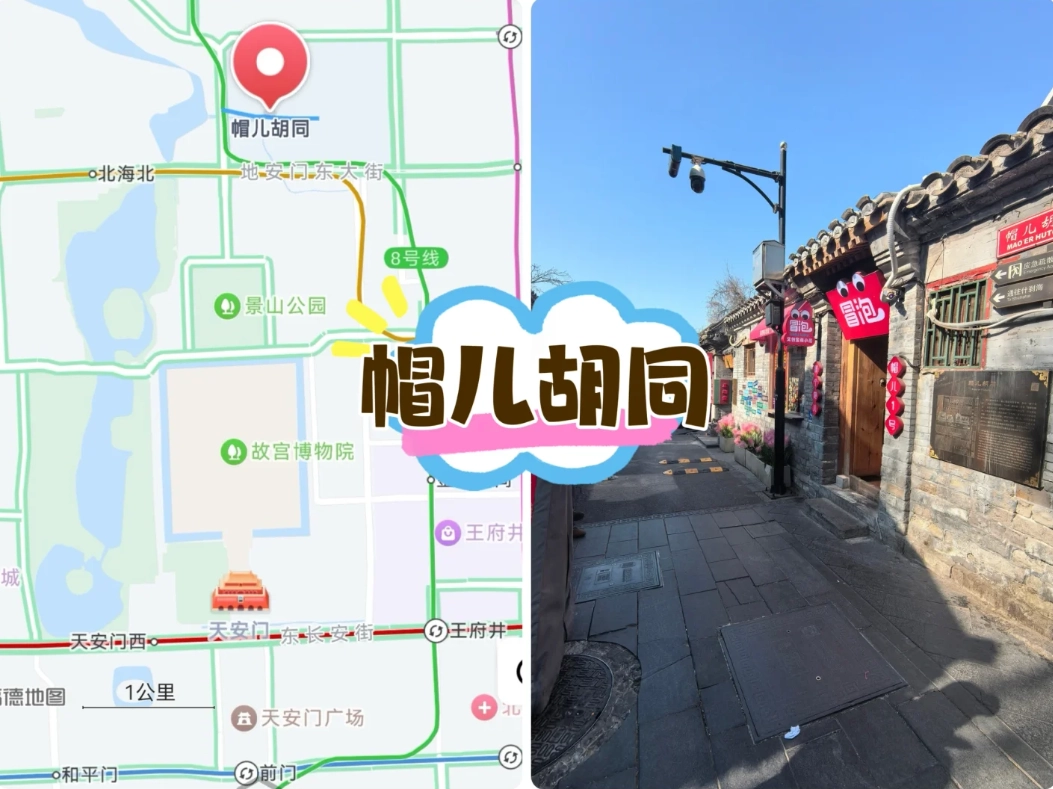
Route 2: The Local's West Side (Xisi Area)
This is my preferred area for an untouched experience. It feels more residential, less performative.
- Start at Xisi Station Exit D. Walk north on Xisi North Street for a few minutes until you see the iconic Xisi Pailou (decorated archway, a reconstruction).
- Just east of the pailou, dive into the network of hutongs. Chadao Hutong (Tea Street) is a good entry point. You'll immediately notice a different scale—narrower, more intimate.
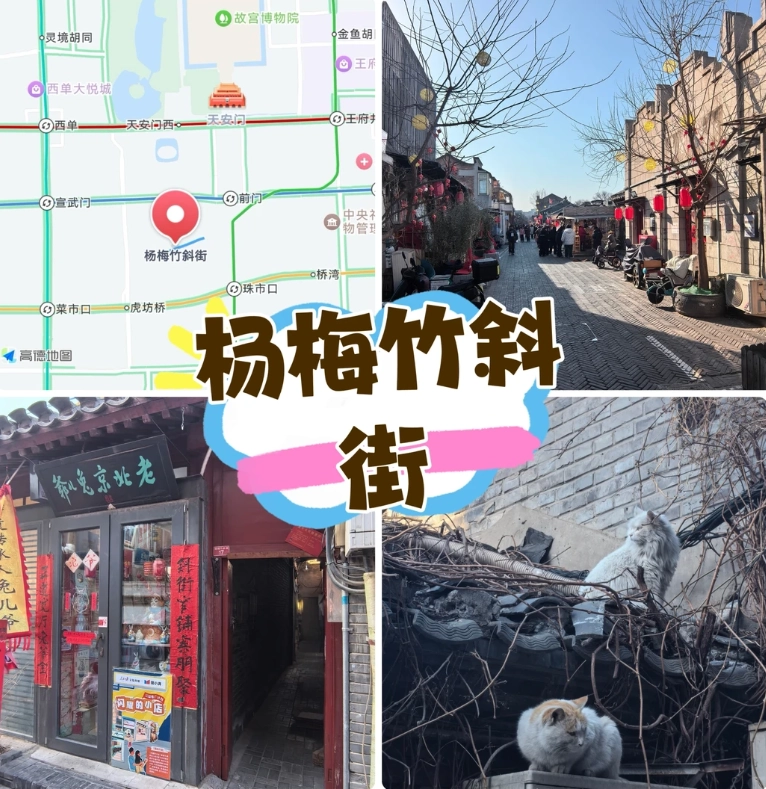
- Wander aimlessly here. The grid between Xisi North Street and Xinjiekou Outer Street is a treasure trove. Look for Bamboo Slanting Street (Zhuzi Xiejie). You'll see people carrying groceries, kids playing, laundry hanging—daily life in full swing.
- If you need a landmark, seek out the Beijing Ancient Architecture Museum at the Xiannong Altar. It's nestled within these hutongs and is a serene spot most tourists miss.
- Finish your walk by heading east to Xinjiekou Outer Street, where you can find local noodle shops or catch the subway back at Xinjiekou Station.
Distance: A more compact 2-3 km, but denser with life.
| Route Feature | Nanluoguxiang & Beyond Route | Xisi Local's Route |
|---|---|---|
| Primary Vibe | Historic, grand courtyards, more restored | Authentic, residential, gritty charm |
| Crowd Level | High on main lanes, low in side alleys | Consistently low |
| Best For | First-timers, photography, architecture | Repeat visitors, observing local life |
| Food Options | Tourist snacks & some good hidden cafes | Authentic local eateries & street food |
| Navigation Difficulty | Moderate (clear main arteries) | Higher (a true maze) |
Essential Hutong Walking Tour Tips & Etiquette
Remember, you're walking through people's neighborhoods.
Gateways are Private. A closed gate means do not enter. An open gate sometimes invites a curious glance, but never just walk into a courtyard unless it's clearly a commercial establishment (cafe, boutique). A nod and a smile if you make eye contact with a resident is enough.
Photography with Respect. Taking photos of the general alleyway is fine. Pointing your camera directly at people, especially without asking, is intrusive. If you want a portrait, ask. A simple gesture with your camera and a questioning look often works.
Mind the Traffic. Hutongs are shared spaces. Electric scooters and delivery bikes are the kings of the alley. They are silent and fast. Always walk single file when you hear a bell or motor, and hug the wall.
Public Toilets. You will see signs for public toilets. They are a vital part of hutong infrastructure as many homes lack modern plumbing. They are usually… basic. Carry tissues and hand sanitizer. It's an authentic, if not glamorous, part of the experience.
What to Eat On the Go: Look for windows selling jiānbǐng (fried savory crepes), steamed buns (bāozi), or yogurt in ceramic jars. The best ones have a short line of locals.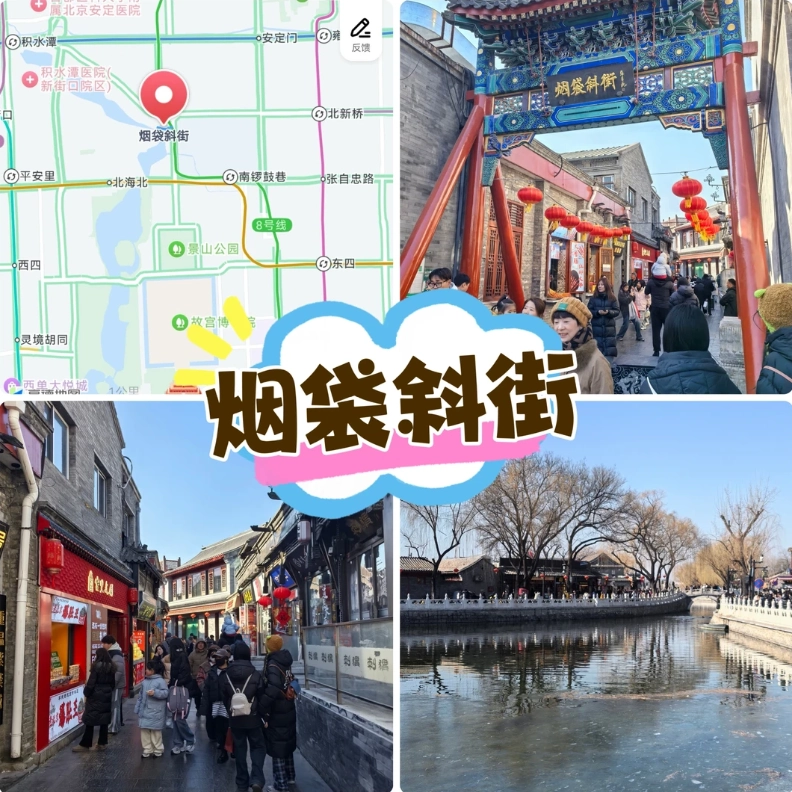
Your Hutong Walking Tour Questions Answered
Are Beijing hutongs just tourist traps now?
The main arteries like Nanluoguxiang are heavily commercialized, yes. But step one alley to the left or right, and that veneer disappears. Vast swathes of the hutong network, especially south of Qianmen or west of Xisi, remain vibrant, non-touristy residential areas. The trap is staying on the main street. The solution is wandering without a fixed destination.
Is it safe to get lost in the hutongs as a solo traveler?
Generally, yes, even for solo travelers. Crime rates in these residential areas are very low. The primary safety concern is traffic—watch for bikes and scooters. The feeling of being "lost" is geographical, not social. If you need help, approach a shopkeeper or a family with children. Having the name of your starting subway station written in Chinese on your phone can help if you need to ask for directions back.
 What's the one thing most hutong walking tours get wrong?
They focus too much on the past and not enough on the present. You'll hear about princes and Qing dynasty history, which is fascinating, but you might miss the story of the elderly man playing chess outside his door, or the young couple renovating a courtyard into a modern home. The hutongs aren't a museum; they're a living, adapting organism. Ask yourself what the story is today, not just 200 years ago.
Can I visit a real siheyuan (courtyard home)?
Visiting a private, occupied siheyuan is very difficult without a personal connection. However, many have been converted into businesses you can enter respectfully. Look for boutique hotels, tea houses, cafes, or restaurants housed in old courtyards. Spending money on a tea or coffee there is a fair exchange for the chance to sit and absorb the courtyard atmosphere. Some, like the Courtyard Institute in the Xisi area, offer cultural workshops and are great ways to see inside.
How do I distinguish a truly old hutong from a modern replica?
Look at the bricks and the roof. Original gray bricks are smaller, uneven, and have a worn, granular texture. Modern replicas are often larger, smoother, and have a uniform, sandy color. Original roof tiles have a deep, curved profile and may have moss or grass growing. New roofs look clean and sharp. Also, check the door frames: original ones are made of thick, solid wood, often deeply worn around the handle. New ones are lighter and more perfect.
 The soul of Beijing isn't found in its wide boulevards or gleaming skyscrapers. It's tucked away in the quiet, shaded alleys where life unfolds at a human pace. A hutong walking tour isn't about checking sites off a list. It's about trading efficiency for discovery, opening yourself to small moments, and understanding that the city's greatest treasures often hide in plain sight, behind the next unassuming gray wall. Put on your shoes, leave the map in your pocket for a while, and just walk. The hutongs will reveal themselves to you.
This guide is based on personal, repeated exploration and observations. Information regarding accessibility and specific businesses is subject to change.






Honestly, I was a little disappointed. The description promised 'hidden courtyards' but most of them were just ordinary residential alleys with some nice doors. One courtyard we visited was actually a private home where the owner clearly didn't want us there - awkward. The guide tried hard, but the stories felt rehearsed. For a similar price, I'd recommend the Hutong bike tour instead. This one just didn't click for me.
I joined specifically for the food stops, and they were good but not exceptional. The guide took us to a family-run dumpling spot that was charming, but the portions were tiny for the money. The hidden courtyards were lovely - especially one with a persimmon tree. However, the tour felt a bit disorganized: we waited 15 minutes for a late-arriving couple. Good overall, but I've had better food-focused walks in other cities.
This was the highlight of my Beijing trip. Our guide was a local who grew up in these hutongs, so every story felt personal. I loved peeking into the small courtyard where an old lady was feeding her cats - so peaceful amidst the urban chaos. The pace was relaxed, and we had plenty of time to take photos. Highly recommend for solo travelers who want to connect with the city's soul.
Decent tour but a bit overhyped. The guide was knowledgeable but seemed rushed - we spent more time walking than actually stopping to absorb the atmosphere. The courtyards we saw were nice, but two of them had construction going on, which killed the vibe. For the price, I expected a more curated experience. It's okay if you're short on time, but I wouldn't call it 'insider' material.
I booked this tour hoping to see the 'real' Beijing, and it delivered beyond expectations. Our guide, Lao Wang, took us through winding hutongs I would never have found on my own. The hidden courtyard with the 300-year-old scholar tree was magical - you could almost hear the whispers of history. He even arranged for us to try freshly made jianbing at a tiny hole-in-the-wall stand. Absolutely worth every penny. If you want authentic Beijing, this is it.