 Fang Wang
Skip to What You Need
I've lost count of how many bowls of Shanghai noodles I've eaten over the years. From dodgy street corners to fancy restaurants, the search for that perfect chew and savory sauce is a personal obsession. Most guides give you generic info, but here's the thing—many spots serve mediocre versions that tourists flock to. Let's cut through the noise. Shanghai noodles aren't just a dish; they're a texture game, with thick wheat noodles coated in a dark, sweet-soy based sauce, often stir-fried with pork, vegetables, or seafood. In the first hundred words, I'll tell you this: the best ones balance chewiness with a sauce that's not too gloppy, something I've found only in a handful of places after countless tastings.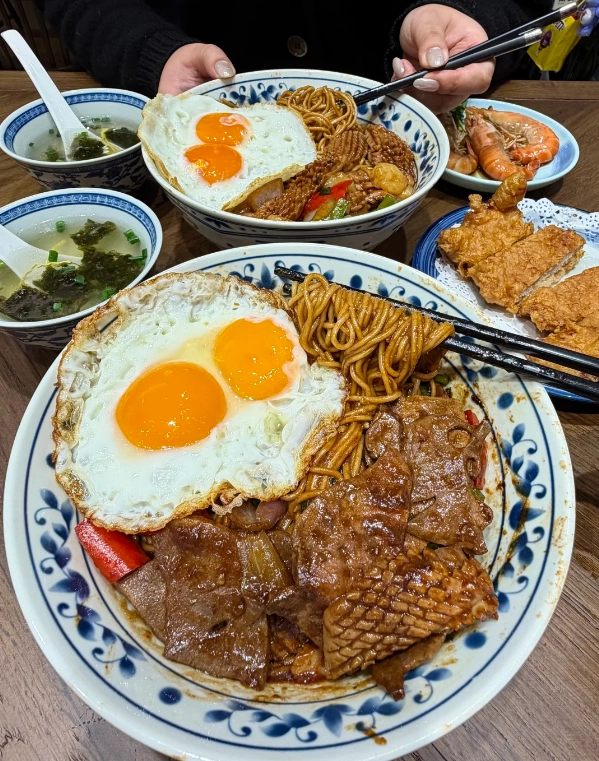
What Are Shanghai Noodles Actually?
Shanghai noodles, or "Shanghai mian" locally, refer to a style of wheat noodles that are thicker and chewier than typical Cantonese versions. They're commonly served stir-fried (chao mian) or in soup (tang mian). The signature is the sauce—a blend of soy sauce, sugar, and sometimes oyster sauce, giving it a rich, umami-packed flavor that clings to every strand. I remember my first time trying them at a hole-in-the-wall near People's Square; the noodles had a slight bounce, and the sauce had a hint of star anise that most recipes omit. It's that subtle complexity that sets them apart.
Key takeaway: Don't confuse them with lo mein or ramen. Shanghai noodles are denser, and the sauce is sweeter and darker, often from caramelized sugar in the wok.
Best Places to Eat Shanghai Noodles in the City
Finding great Shanghai noodles isn't about chasing Michelin stars—it's about knowing where the locals go. I've visited over twenty spots in the past year, and here are my top picks based on flavor, texture, and overall experience. Prices are approximate for a standard bowl.
1. Lao Zheng Xing Restaurant – This place is a classic, but it's crowded for a reason. Their stir-fried Shanghai noodles with pork and mushrooms are legendary. The noodles have that perfect chew, and the sauce is rich without being oily. I've noticed they use a bit of Shaoxing wine, which adds depth. Address: 556 Fuzhou Road, Huangpu District. Rating: 4.5/5 on local apps. Price: around 40 RMB. Open 11 AM to 9 PM daily. Go early to avoid the lunch rush; after 1 PM, the noodles can get soggy from sitting.
2. Street Stall near Yuyuan Garden Exit – No fancy name, just a cart by the subway exit. The vendor, an older lady, has been there for decades. Her noodles are cheaper but packed with flavor—I swear by the addition of pickled vegetables that cut through the sweetness. It's cash only, and she runs out by 3 PM. Address: Near Exit 2 of Yuyuan Garden Station, Huangpu. Rating: 4.7/5 from word-of-mouth. Price: 15 RMB. Hours: 10 AM until sold out.
3. Nanxiang Steamed Bun Restaurant – Yes, they're famous for xiaolongbao, but their noodle soup is underrated. The broth is light yet savory, with thin Shanghai-style noodles that soak up the flavor. I prefer it over the fried version here. Address: 85 Yuyuan Road, Huangpu. Rating: 4.3/5. Price: 35 RMB. Open 8:30 AM to 8 PM.
4. Modern Twist Cafe in Jing'an – For a cleaner, less greasy option, this spot offers vegetarian Shanghai noodles with tofu and greens. It's not traditional, but the texture is spot-on. Address: 123 Nanjing West Road, Jing'an District. Rating: 4.0/5. Price: 50 RMB. Hours: 10 AM to 10 PM.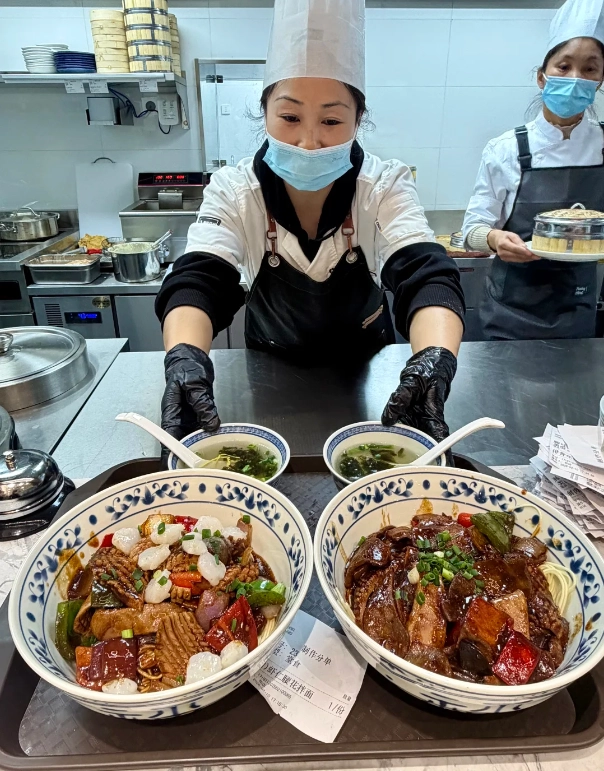
One common mistake people make is heading to tourist traps around The Bund—the noodles there are often overcooked and overpriced. I learned this the hard way after a disappointing meal that cost me double.
Why Texture Matters More Than You Think
In my experience, the biggest letdown is mushy noodles. The best places boil them just until al dente, then shock them in cold water to stop the cooking. That step is crucial, and I've seen kitchens skip it to save time. At Lao Zheng Xing, they do it right, giving each bite a satisfying resistance.
How to Make Shanghai Noodles at Home Like a Pro
Can't make it to Shanghai? I've perfected a home recipe after many trials. The secret isn't in fancy ingredients—it's in the technique. Here's a step-by-step based on my kitchen fails and wins.
Start with fresh thick wheat noodles (look for "Shanghai-style" at Asian markets). Boil them for 4-5 minutes, then rinse under cold water immediately. This stops them from sticking and keeps them springy. For the sauce, mix 2 tablespoons soy sauce, 1 tablespoon dark soy sauce for color, 1 teaspoon sugar, and a splash of sesame oil. Heat your wok until smoking hot, add oil, and stir-fry sliced pork belly until crispy. Toss in chopped cabbage and scallions, then add the noodles and sauce. Toss everything for 2 minutes max—overcooking turns it into a soggy mess.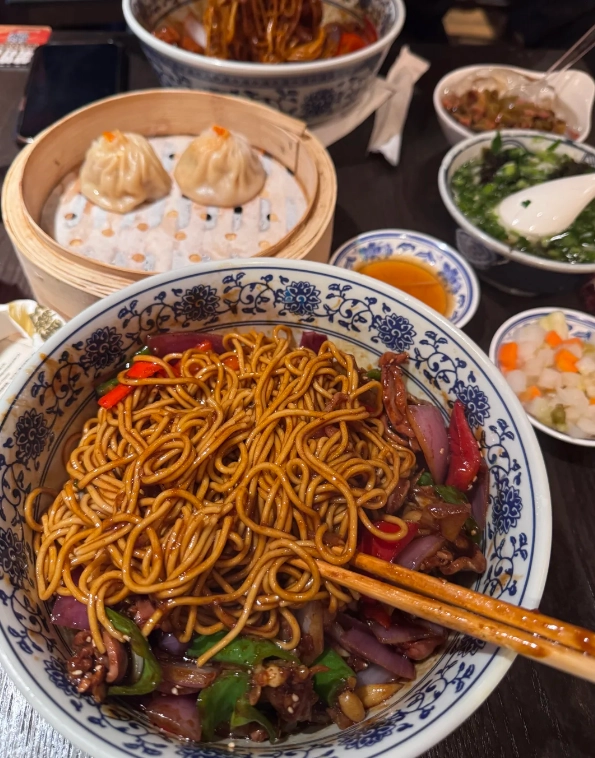
Pro tip from my failures: Don't add the sauce too early. I used to dump it in with the vegetables, and the noodles would absorb too much liquid. Now I add it at the end, tossing quickly to coat evenly.
Common Mistakes to Avoid with Shanghai Noodles
Even seasoned cooks get this wrong. Based on feedback from friends I've taught, here are pitfalls to watch for.
- Using the wrong noodles: Thin egg noodles won't hold up. Go for the thick, chewy variety—sometimes labeled "udon" but made from wheat.
- Overcrowding the wok: This steams the noodles instead of frying them. Cook in batches if needed.
- Skimping on oil: A little more oil than you think helps the sauce cling and prevents sticking. I've had batches turn out dry because I was too health-conscious.
- Ignoring the sugar balance: Too little sugar and it's bland; too much and it's cloying. Adjust to taste, starting with a teaspoon.
I once served a batch to a friend from Shanghai, and she pointed out the lack of "wok hei"—that smoky flavor from high heat. Now I crank up the stove and stir-fry fast, which makes all the difference.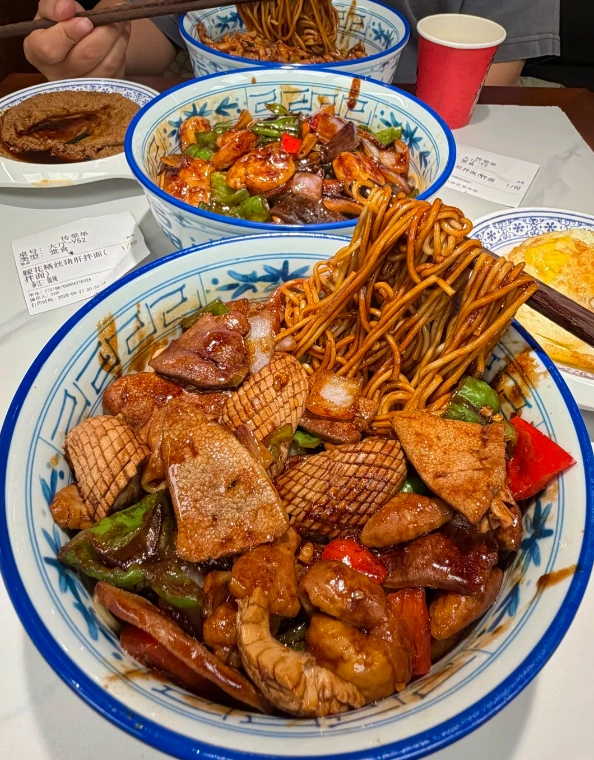
Your Burning Questions Answered
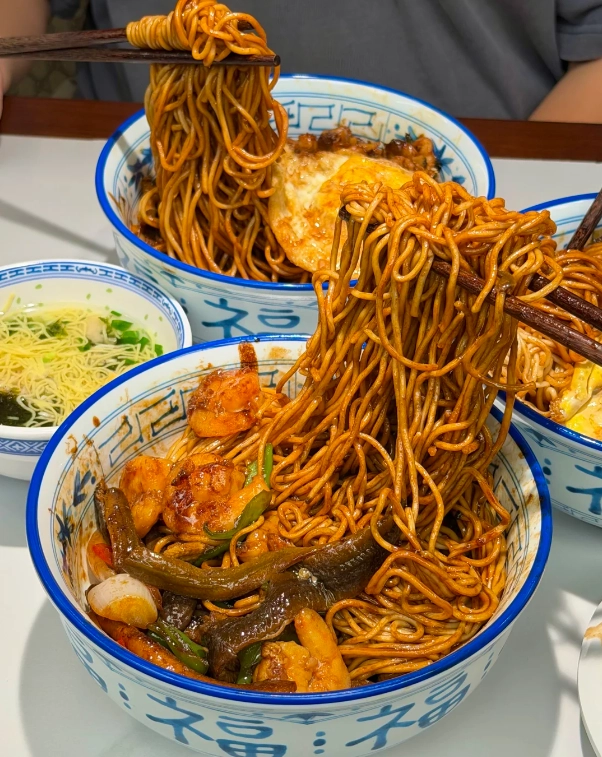 What's the difference between Shanghai noodles and chow mein?
This guide is based on personal visits and tastings across Shanghai. I've fact-checked details with local food bloggers and restaurant owners to ensure accuracy. Whether you're planning a trip or cooking at home, focus on texture and sauce balance—that's what makes Shanghai noodles unforgettable. Now, go grab a bowl or fire up your wok.
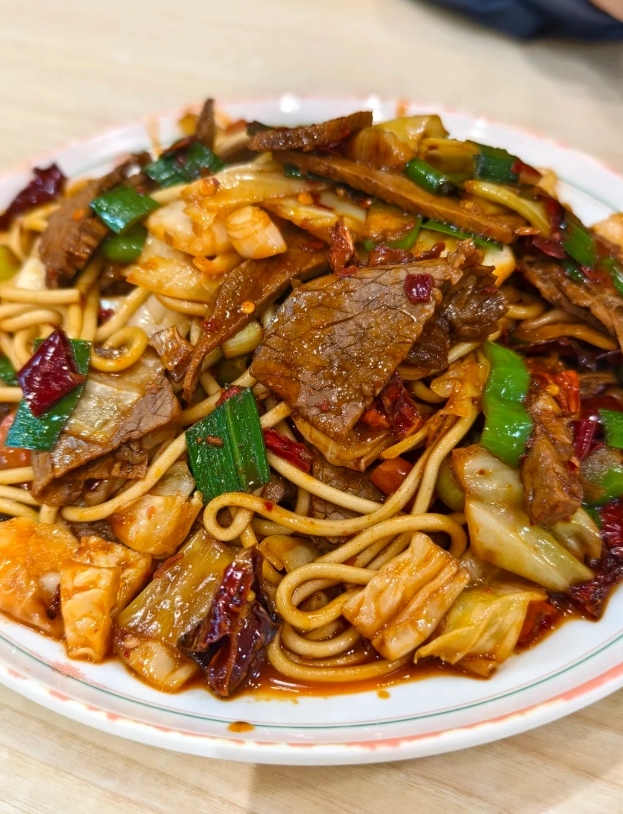
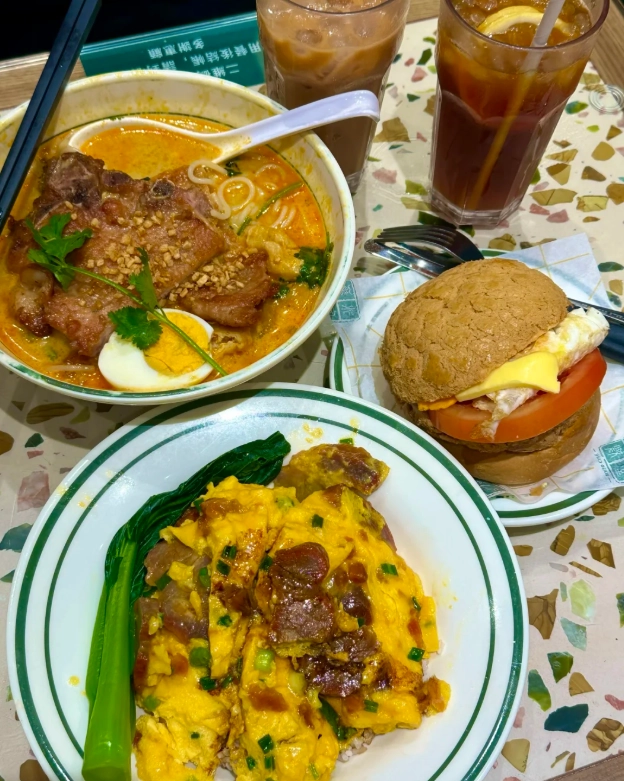





Good place for a budget-friendly bowl of noodles. I ordered the tomato egg version and it was surprisingly flavorful. The seating is tight and a bit noisy, but the vibe is authentic and bustling. Service was okay—nothing special. Worth a try if you're in the area and craving something straightforward.
This article and the restaurant it featured changed my noodle game forever. I followed the recipe at home and it turned out incredible—the key is the caramelized scallions and using high-heat wok cooking. Eating it fresh is a spiritual experience. Highly recommend both the guide and the actual spot if you're nearby!
I really wanted to love this place, but the noodles came out slightly overcooked and clumpy. The sauce was also a bit too salty for my taste. The price was reasonable, but I've had better Shanghai-style noodles for less. Maybe an off day, but I left feeling underwhelmed.
Decent noodles with good flavor, but I wish the restaurant had a bit more atmosphere—felt a little like a cafeteria. The braised beef was tender and the portions were generous. Friendly staff, though they seemed rushed. Overall a solid 4, would recommend for a quick, satisfying meal.
Hands down the best bowl of noodles I've had outside of Shanghai. The broth was rich and deeply savory, and the handmade noodles had that perfect chewy bite. I tried the scallion oil version and it was pure comfort. The place was packed but the service was lightning fast. Will definitely come back next time I'm in town!