 Lei Li
Let's be honest. Your first sip of Beijing Douzhir will likely be a shock. That initial, aggressive sourness hits you like a fermented slap. Your face might contort. You might push the bowl away. I did. Standing in a crowded, steamy shop near Gulou, I wondered why anyone would willingly drink this. But then something happened. I took a second sip, this time with a bite of the accompanying jiaoquan (crispy fried dough ring). The sourness mellowed, becoming complex, almost savory. By the third sip, I was hooked. This wasn't just a drink; it was a portal. A pungent, tangy, utterly unique portal into the soul of old Beijing.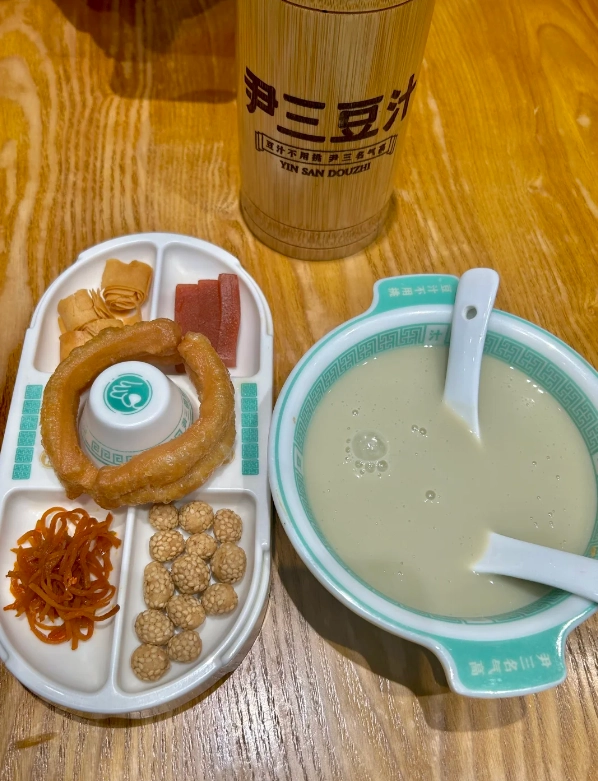
What's in this deep dive?
What Exactly Is Douzhir?
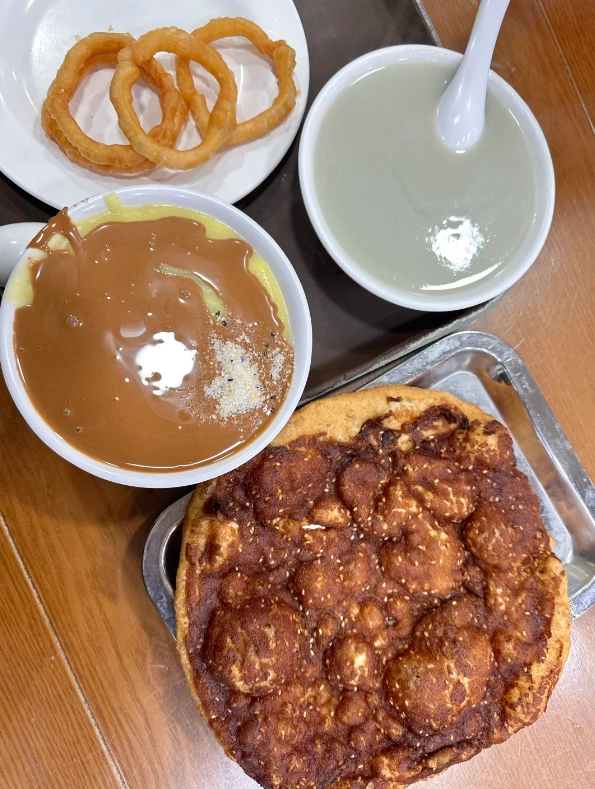
Douzhir is a fermented beverage made from mung beans. It's not the sweet, smooth mung bean soup you might find elsewhere. The process is key. After mung beans are ground and strained to make starch for vermicelli, the leftover slurry is left to ferment naturally for a day or two. This lacto-fermentation creates its signature sour, slightly funky flavor and greyish-green, watery appearance. It's always served warm, never cold.
The flavor profile is challenging to describe. Think of a very tangy, savory yogurt drink, but thinner and with a distinct earthy, almost musty undertone. It's an acquired taste, no doubt. But within that sourness lies a refreshing quality, especially when paired with its traditional accompaniments.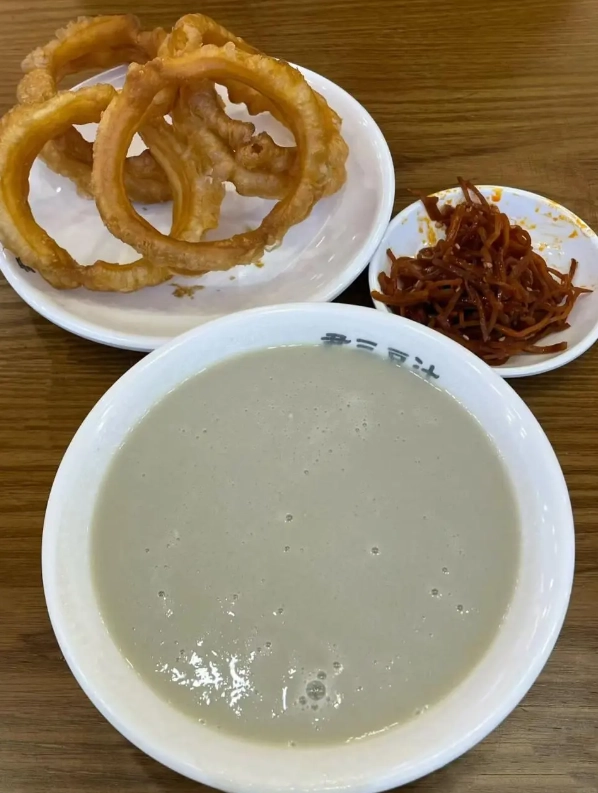
A crucial distinction: Many first-timers confuse Douzhir with Doujiang, which is fresh, sweet soy milk. They are completely different. Doujiang is made from soybeans, is creamy and sweet/plain. Douzhir is made from mung beans, is watery and sour. Mixing these up at a breakfast stall will get you a very wrong order.
Where to Find Authentic Douzhir in Beijing
You won't find real Douzhir in most hotel breakfast buffets or trendy cafes. It lives in the city's traditional breakfast joints and time-honored snack shops, often bustling, no-frills places where the air is thick with the smell of frying oil and fermentation. Based on my multiple early-morning pilgrimages, here are the spots where the Douzhir is not just authentic, it's an experience.
| Shop Name | Address & Vibe | Douzhir & Pairings | Price & Hours |
|---|---|---|---|
| Lao Ci Qi Kou Douzhi Dian (Old Porcelain Shop) | Tiantan North Gate area. A legendary, always-packed institution. Get there before 8:30 AM to avoid the longest lines of retirees and purists. It's loud, chaotic, and perfect. | Their Douzhir has a pronounced, robust sourness. Must-order pairing: Jiaoquan (crispy ring) and Xianxian (salted shredded vegetables). They serve it in proper old-fashioned bowls. | Douzhir: ~¥3 per bowl. Open 6:00 AM - 12:00 PM. Cash preferred. Don't expect leisurely service. |
| Huguo Temple Snacks (Huguo Si Xiaochi) | Inside Huguo Temple area, Xicheng District. More tourist-friendly but still authentic. You can sample Douzhir alongside dozens of other classic Beijing snacks in one visit. | A slightly milder, more approachable Douzhir, good for beginners. Their lu dagun (glutinous rice rolls) and ai wowowo are also excellent. | Douzhir: ~¥4. Open 6:30 AM - 9:00 PM. Slightly higher prices, more seating, accepts digital payment. |
| Bao Du Zhang (Near Qianmen) | A small, family-run hole-in-the-wall favored by local taxi drivers. The sign is faded. The decor is... minimal. This is the real, unvarnished deal. | Their Douzhir is thick with sediment at the bottom—stir it well! The sourness is balanced with a subtle sweetness from a longer fermentation. Their shao bing (sesame cakes) are freshly baked. | Douzhir: ~¥2.5. Open 5:30 AM - 10:30 AM. This is a true early-bird spot. Almost no English. |
My personal favorite is the chaos of Lao Ci Qi Kou. There's a specific rhythm: you squeeze to the counter, shout your order, grab your numbered ticket, and fight for a sliver of table space. The first time, it's overwhelming. By the third visit, it feels like a ritual.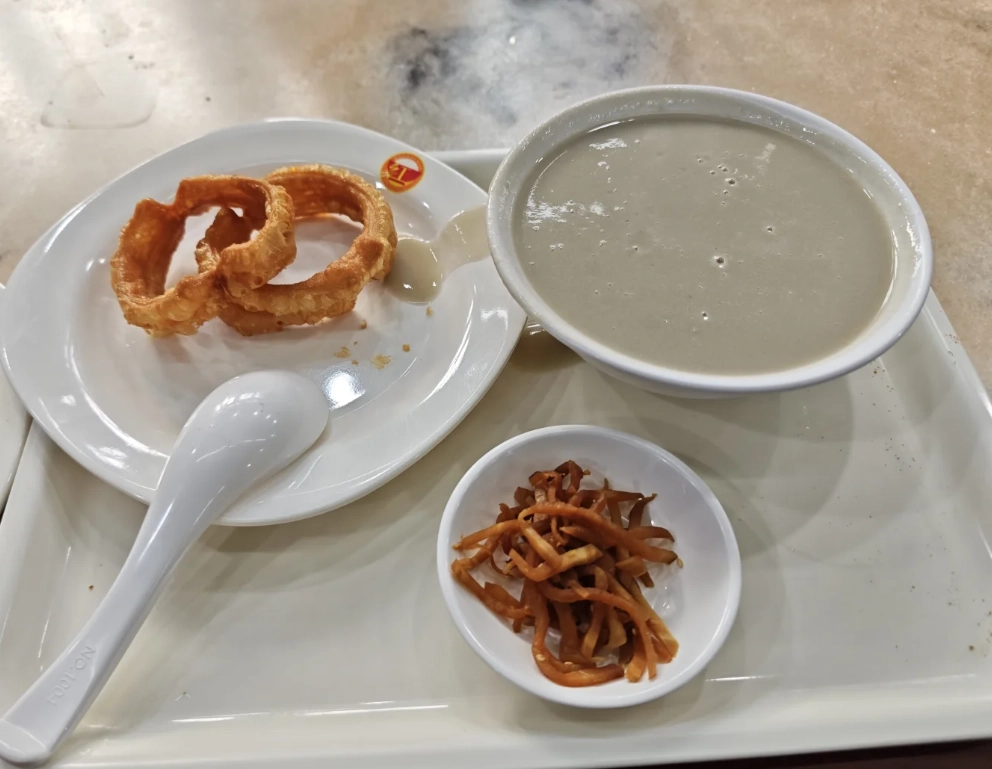
How to Drink Douzhir (The Right Way)
This is where most newcomers fail. Drinking Douzhir straight is like eating wasabi by the spoonful—possible, but missing the point. It's a component of a breakfast set.
The Essential Pairings (The "Golden Trio")
Never order Douzhir alone. Always get at least one, preferably two, of these:
- Jiaoquan: The non-negotiable partner. These are light, incredibly crispy deep-fried dough rings. They have little flavor on their own but provide a crucial textural contrast and a vehicle to soak up the Douzhir. Break off a piece, dip it, take a bite, then sip.
- Xianxian: Pickled or salted shredded vegetables, usually radish or cabbage. The sharp saltiness cuts through the sourness and resets your palate. Take small bites between sips.
- Shao Bing: A baked sesame seed cake, either plain or layered with peppery paste. It's more substantial. Tear off a piece, use it to scoop up some xianxian, then take a drink.
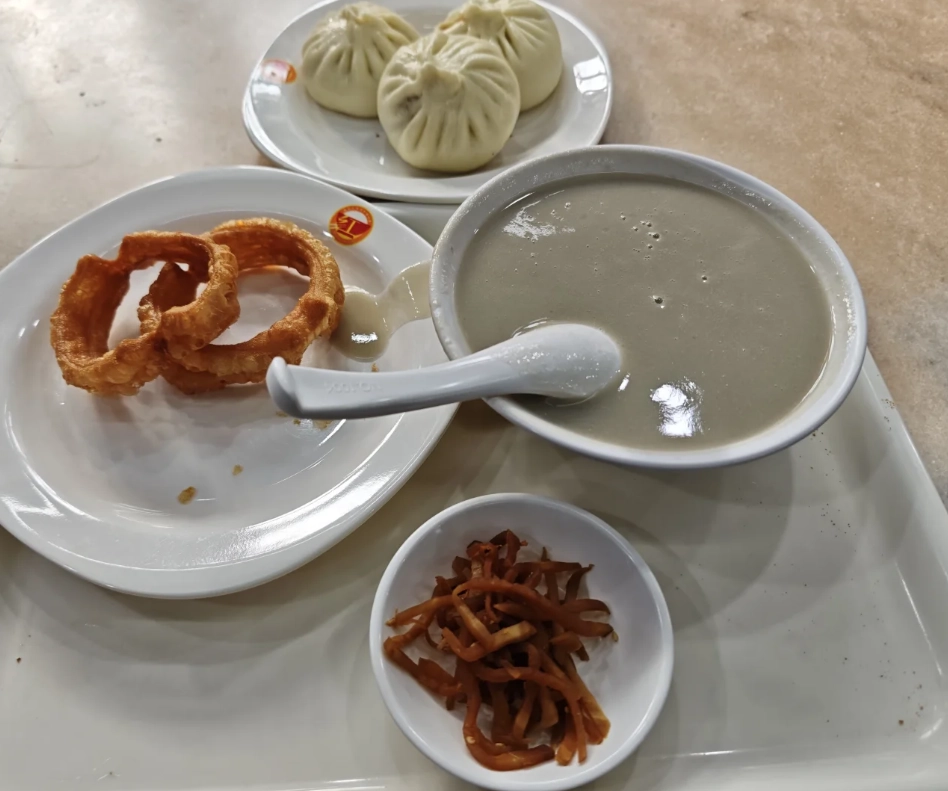
Pro-Tip from a Convert: The order of operations matters. Sip a little plain Douzhir first to acquaint yourself. Then, take a bite of jiaoquan on its own for the crunch. Now, combine: small bite of jiaoquan, immediately followed by a sip of Douzhir. The fat from the frying and the starch transform the sourness into something rich and satisfying. Introduce the xianxian after a few rounds to cleanse. This isn't just eating; it's engineering a flavor experience.
Why Douzhir Matters: More Than Just Breakfast
Douzhir is a culinary fossil. Its origins are humble—a way for the working class to use every part of the mung bean. For centuries, it was the fuel for rickshaw pullers, market vendors, and laborers needing a cheap, filling, and (believed to be) cooling start to the day. Drinking it connects you to that vanished Beijing.
Its polarizing taste also acts as a cultural litmus test. Older Beijingers have a deep, nostalgic affection for it. For them, the smell of fermenting Douzhir is the smell of home. As one elderly gentleman told me while we shared a table, "Young people today drink coffee. That's fine. But this... this is Beijing in a bowl." The drink's survival in modern, sanitized food courts is a quiet act of resistance.
Its significance is recognized officially. The craft of making Douzhir is listed as part of Beijing's Intangible Cultural Heritage, a testament to its role in the city's social and culinary history, not just its taste.
I've come to see it not as a beverage to be merely consumed, but as a taste to be understood. It demands your attention. It refuses to be bland or easy. In a world of uniform, sweetened global flavors, Douzhir stands stubbornly, sourly apart.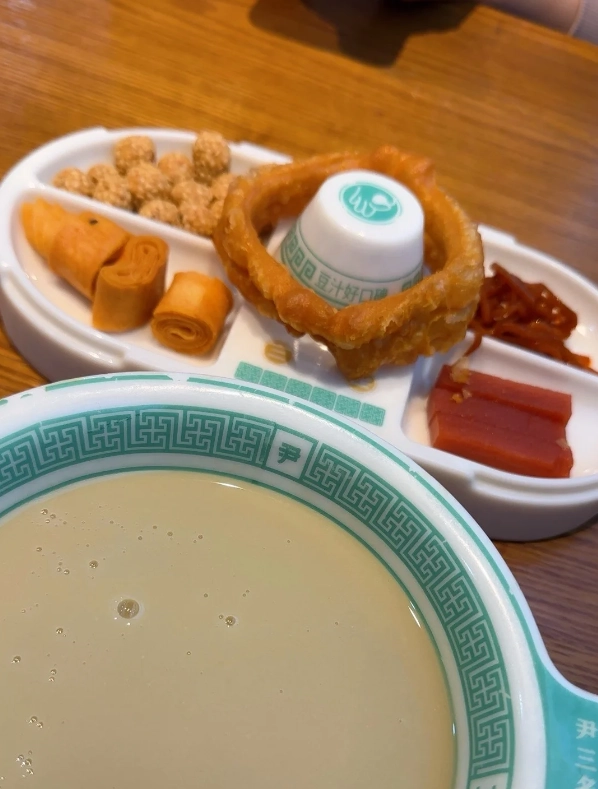
Your Burning Douzhir Questions Answered
 What's the biggest mistake foreigners make when trying Douzhir for the first time?
This article is based on multiple firsthand visits and tastings. Descriptions of flavor, texture, and shop atmospheres are personal observations.





Visited on a chilly morning hoping for a warm, authentic breakfast. The douzhir itself was decent—tangy and comforting—but the fried dough sticks were a bit stale, not as crispy as they should be. The place was packed with both locals and camera-wielding tourists, so seating was chaotic. I ended up sharing a tiny table with strangers, which could be charming but felt rushed. For the price (6 yuan per bowl), it’s a steal, but I wish they’d manage the turnover better. Four stars for value and taste, minus one for the chaos.
This place completely changed my mind about douzhir. The first time I tried it elsewhere, I almost gagged. But here, the balance of sourness and saltiness was perfect—smooth, not too thick, with a subtle nutty aftertaste. The owner told me they use a traditional fermentation method that takes three days. I sat by the window, watching an old man slowly pedal by on his bicycle, and felt a wave of affection for this city. An unforgettable morning. If you only try douzhir once, come here.
Maybe I’ve been spoiled by the douzhir my grandmother used to make, but this version tasted a bit too watery and lacked that deep, funky punch. The shop itself was cramped and the queue moved slowly—waited nearly 20 minutes for a bowl. I get that it’s a tourist spot now, but the price has crept up to 8 yuan for a small bowl, which feels steep for what it is. It’s not bad, just... disappointing compared to the real deal in old hutongs. A fair 3 from a local who remembers better days.
I ordered a bowl out of sheer curiosity after reading about douzhir’s reputation. The texture was much thicker than I expected—almost like a gritty, sour porridge. The staff were friendly and gestured how to eat it properly (dip the fried dough sticks). It was an experience, but honestly, I couldn’t finish more than half. If you’re not into intensely fermented flavors, this will be a challenge. Still, I appreciate the cultural dive and the cozy, no-frills setting. A solid 4 for bravery and service.
Honestly, I came here expecting to hate it—everyone warns you about the sour, fermented smell. But there’s something strangely addictive about that first sip of warm, gritty douzhir. Paired with the crispy jiaoquan (fried rings) and a dollop of spicy radish paste, it just clicks. The tiny hutong shop felt like stepping into a time capsule, with old uncles slurping loudly at wooden tables. If you want to understand Beijing beyond the Forbidden City, start here. Five stars for authenticity and gut-level nostalgia.