 Lei Li
Quick Navigation
Last summer, I watched a tourist stand in front of Cave 5 for 20 minutes, phone held high, squinting at a blurry Wikipedia page. Heatstroke was closing in. I handed him my spare audio guide. “Here, this will save you three hours.” His face lit up. That moment is why I’m writing this.
Let’s be real—visiting Yungang Grottoes without an audio guide is like reading a novel with half the pages torn out. The carvings are stunning, but without context, you’ll miss the stories, the symbolism, the why. I’ve guided hundreds of travelers here, and the number one regret I hear is: “I wish I’d rented the audio guide sooner.” So I’m going to break down everything—where to rent it, how much it costs, which language track is best, and the sneaky pitfalls that most online guides ignore.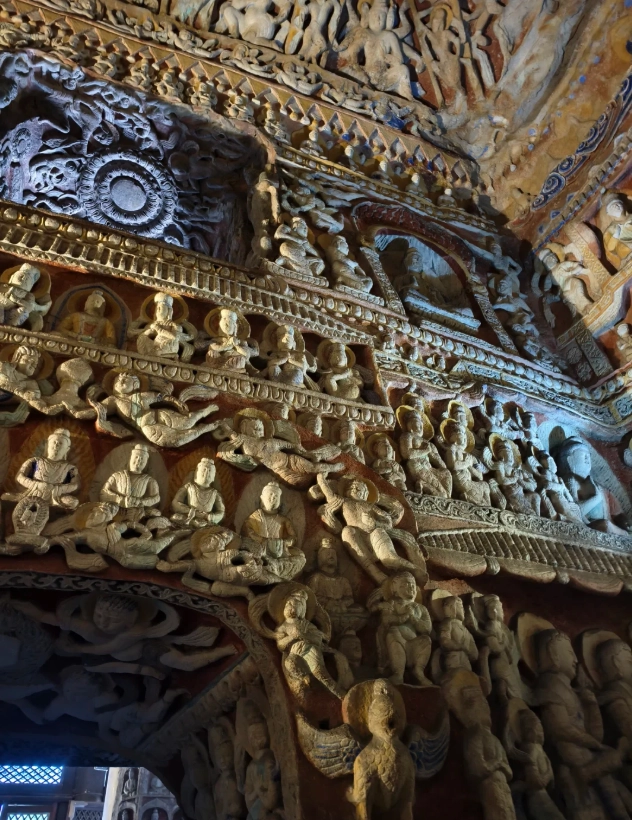
Why You Need an Audio Guide at Yungang Grottoes
The grottoes are massive. 45 caves, over 51,000 statues. Without narration, you’ll wander, get overwhelmed, and leave feeling you missed something. The audio guide provides:
- Historical context – Why these caves were dug (5th–6th century, Northern Wei dynasty).
- Artistic highlights – The evolution of Buddhist sculpture from Indian Gandhara to Chinese style.
- Hidden details – The tiny musicians in Cave 12, the color pigments still visible in Cave 6.
- Practical navigation – It tells you the optimal route to avoid backtracking.
Most importantly, it saves you from information overload. You can go at your own pace, pause, rewind. I always tell my groups: “Treat it like your personal art historian.”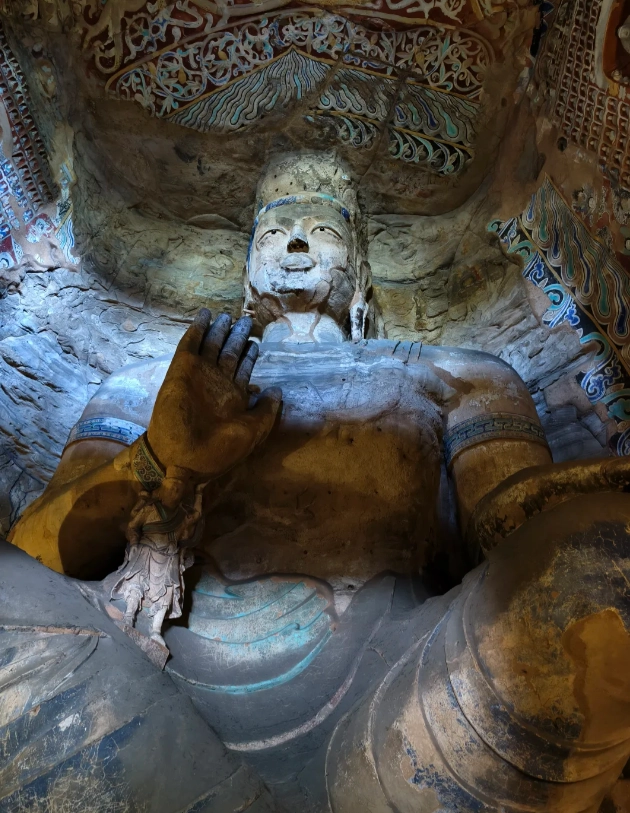
How to Get the Yungang Grottoes Audio Guide
Rental Location & Process
The rental booth is inside the main ticket gate, on the right side near the restrooms. You can’t miss it—big yellow sign with “Audio Guide” in Chinese and English. Here’s the process step by step:
- Pay the rental fee (20–30 CNY depending on season; cash preferred, but Alipay/WeChat work).
- Leave a deposit: 100 CNY cash OR your passport/ID card. Pro tip: Use cash; returning your passport is a hassle if you lose the receipt.
- Receive the device: a small handheld player with a lanyard and earphones (cheap in-ear ones).
- Test it before you walk away. If the volume is low or the screen is cracked, ask for a replacement immediately.
Types of Audio Guides Available
| Type | Languages | Price (CNY) | Duration | Notes |
|---|---|---|---|---|
| Official Rental | Chinese, English, Japanese, Korean, French, German | 20 (off-peak) / 30 (peak) | ~2.5 hours | Deposit 100 CNY or ID. English narration is decent but a bit dry. |
| Third-Party App (e.g., TripAdvisor Audio Tour) | English, Spanish, Italian | Free to download; in-app purchase ~15 CNY | ~2 hours | Needs your own headphones & data. I prefer this one—stories are more engaging. |
| Private Guide (human) | Any (book in advance) | 300–500 for 3 hours | Flexible | Best for deep questions, but expensive and may not be available on short notice. |
Personally, I recommend the official rental if you want hassle-free, battery-backed device. But if you’re a budget traveler, the third-party app (from a reputable provider like “Yungang Grottoes Official Audio Tour” on WeChat mini-program) works well. Just download it before you arrive—data signal can be spotty inside the caves.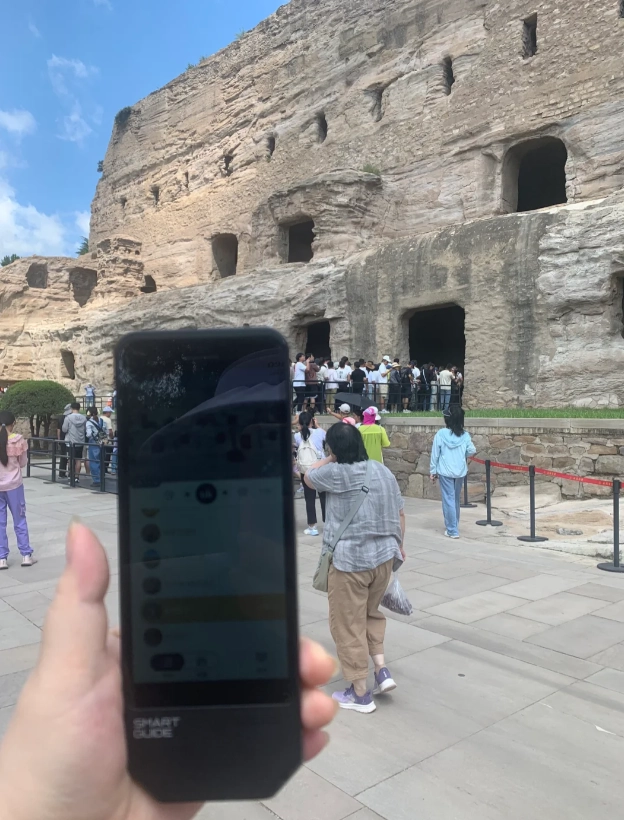
What Does the Audio Guide Cover?
The official audio guide has numbered stops corresponding to each cave. It guides you in sequence from Cave 1 to Cave 45 (though Caves 1–4 are usually closed for preservation). Here’s the breakdown:
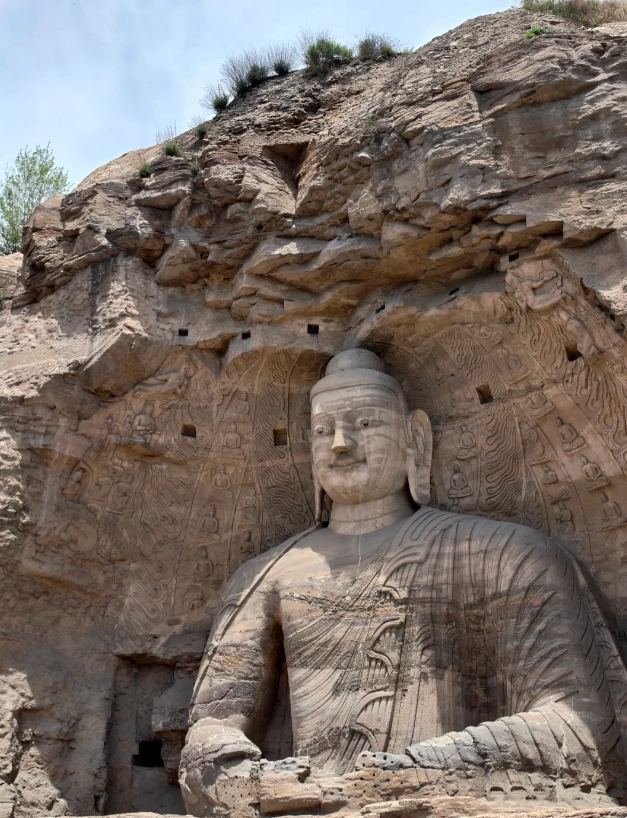
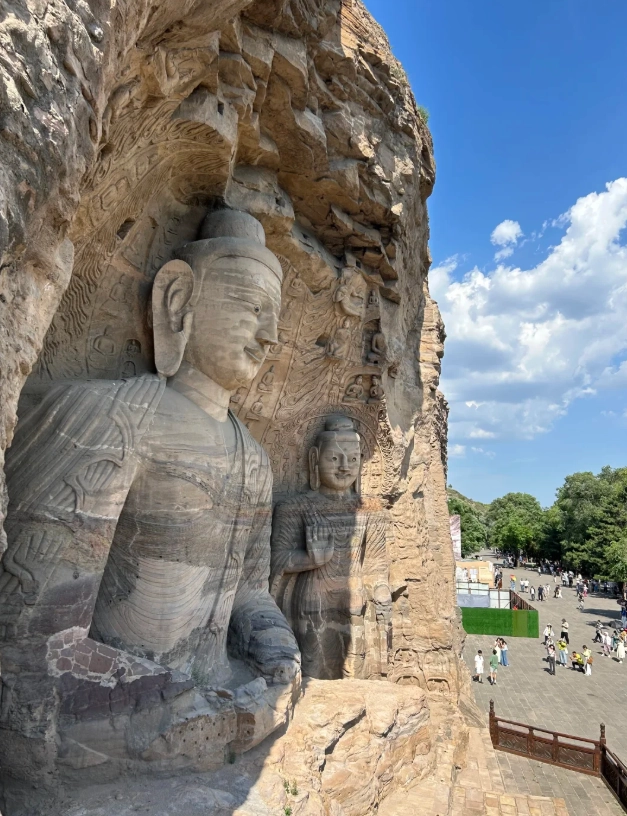
- Caves 5–6: The highlight—a magnificent two-story wooden pavilion and the largest Buddha (17m tall). Audio takes about 20 minutes here.
- Caves 7–8: Not much surviving art, but the guide explains why (earthquakes and man-made damage).
- Cave 9–13: Known for the “Five Caves of Tan Yao”—the earliest, most well-preserved. Allow 30 minutes for this section.
- Cave 12: The Music Cave—carvings of over 40 musicians playing ancient instruments. The audio plays a reconstructed melody. Chills guaranteed.
- Caves 14–45: Later additions (after the capital moved). Smaller, less crowded; the guide provides brief context.
One thing the official guide doesn’t tell you: the best light for photography is from 3–4:30pm, when the sun angles into the caves. Noon light washes out the details.
Personal Recommendations: Which Audio Guide to Choose
I’ve tested all three options. Here’s my honest take:
Runner-up: Official Rental – Reliable, no phone drain, but the English accent is a bit stiff. Fine if you just want facts.
Skip: Human guide for the basic route – Save the money unless you have very specific art history questions. The audio guide covers 90% of what a typical guide would say.
Tips for Using the Audio Guide
- Bring your own earbuds. The provided ones are uncomfortable and unhygienic. Standard 3.5mm jack works—test before you go.
- Start at Cave 5, not Cave 1. Caves 1–4 are mostly closed, and the route is designed to loop from the middle. The rental booth staff will tell you, but many tourists waste 20 minutes walking to a blocked area.
- Pause at Cave 12. The music reconstruction is amazing. Listen twice.
- Don’t linger in the midday sun. The queue for the good photo spots builds up. I always go at 8:30am (opening) and finish by noon. Audio guide rental opens at same time.
- Use the “auto-pause” feature. The device detects your location via infrared? Actually, no—it’s manual number entry. Type the cave number (e.g., 06) to start the track. Saves fumbling.
Common Problems and How to Solve Them
Problem: Device battery dies mid-tour. The official device lasts around 4 hours, but cold weather can drain it faster. Ask the booth for a fully charged spare before you start. No extra cost.
Problem: No English track available. This happened to a guest last fall. The booth ran out of English devices. Solution: Ask for the Japanese or Korean one—they often have the same tracks as English? No, don’t do that. Instead, use your phone with the third-party app. I always advise downloading it as backup.
Problem: Deposit refund hassle. The booth staff can be slow if you return the device during peak hours (around 4pm). To speed it up, place the device and receipt on the counter and clearly say “deposit return.” Make sure they hand you your ID or cash before you leave.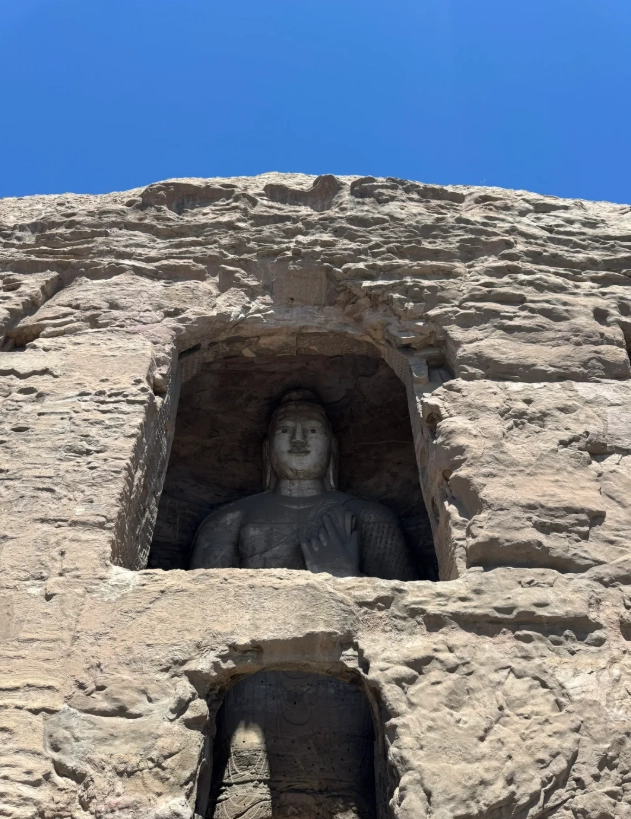





As a photographer, I value timing and positioning. This guide tells you exactly where to stand for the best light on the Five Great Buddhas, and even suggests hours when crowds thin out. I captured shots without any photobombers! The narration also helped me understand the symbolism behind the lotus motifs, which I then framed into my compositions. A must-have for anyone who loves combining culture with photography. Absolutely worth every cent.
Honestly, I'd give this a 3 at best. The concept is great – navigate like a local pro – but the execution fell short for me. The audio kept buffering near the giant Buddha, and the commentary felt too scripted, like reading a museum label out loud. I expected more cultural context about daily life during the Northern Wei, but got mostly art history terms. For the price (¥50), you’re better off joining a small group tour. Disappointing.
Rented this guide expecting just the basics, but it completely changed how I saw the place. The ‘hidden treasures’ tip led me to a small unmarked niche with beautiful carvings that most tourists walk past. The voice is friendly, like a local friend whispering stories. Battery lasted my entire 4-hour visit with no issues. If you’re solo and want depth without a human guide, this is your best bet. Five stars, no doubt.
Traveling with my 70-year-old mom and 10-year-old son could be chaotic, but this audio guide kept everyone engaged. Mom loved the slower pacing and the storytelling about the artisans, while my son was fascinated by the anecdotes about the Tang dynasty monks. The offline map feature was a lifesaver when we lost signal near the west zone. Only minor complaint: the volume sometimes dipped in windy spots. Still, a solid 4 out of 5 for making the trip smoother.
I've been to a dozen grottoes across China, and this audio guide really elevated the Yungang experience. The narration dives deep into the Buddhist iconography of Cave 20 and the fusion of Indian and Chinese styles in Cave 12 – exactly the kind of detail I was hoping for. Sound quality was crisp even in crowded areas, and the suggested walking route saved me from backtracking. Highly recommend renting it before you step inside!